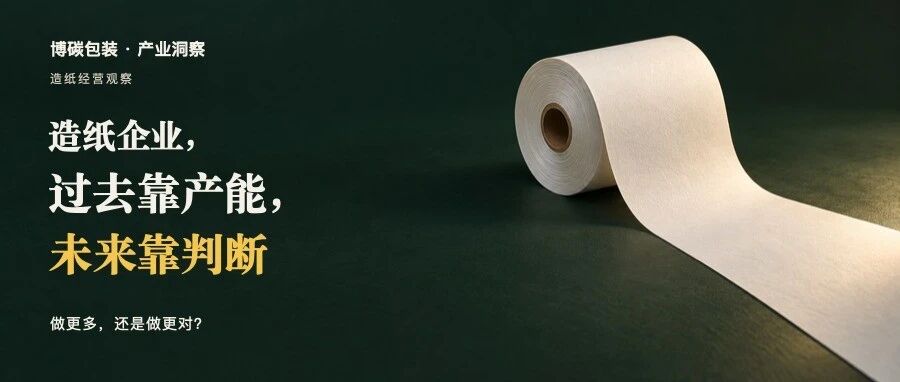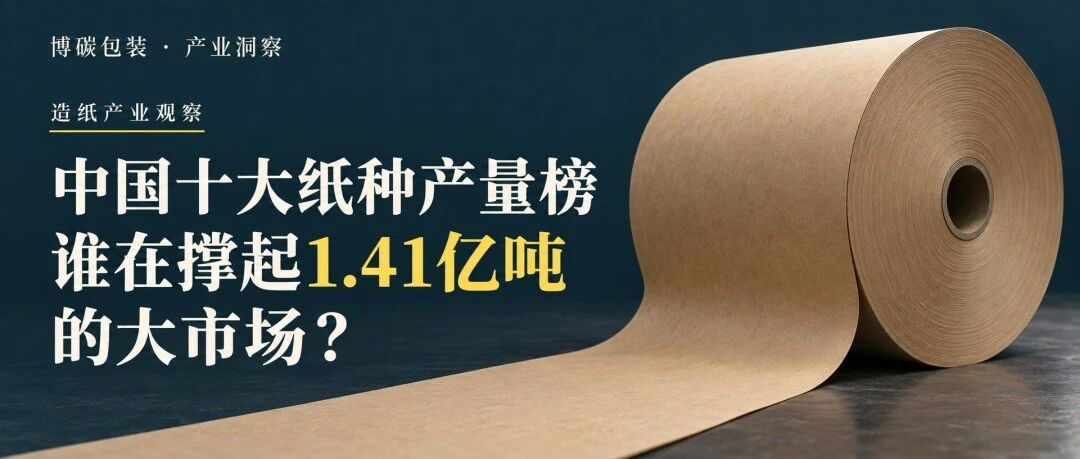
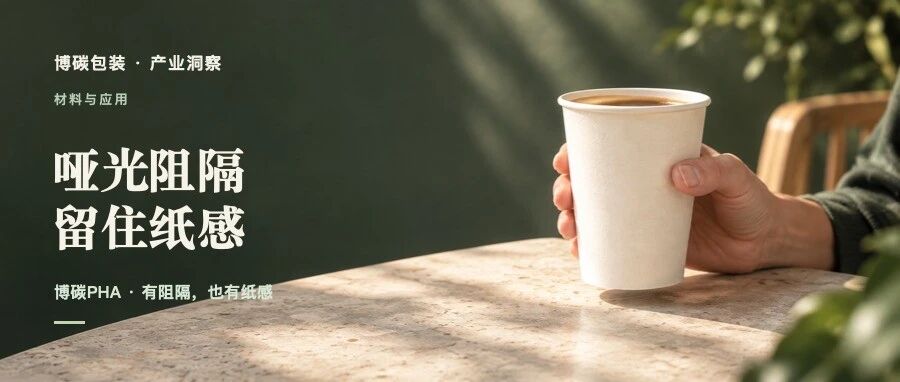
纸杯下一轮的价值,是装得下热饮,也留得住纸的本色,还能为使用后的去向留下选择。
博碳PHA水性乳液涂布、干燥后,功能层承担阻水、阻油等包装任务,纸面仍呈现自然哑光与可见纤维纹理。这正是博碳所说的哑光阻隔:纸感与阻隔,在同一个涂布表面兼得。阻隔层在,膜感退后。
这份纸感,也能成为品牌的包装特色。咖啡杯的自然哑光、餐盒的纤维肌理、纸袋的温润触感,都让材料本身参与品牌表达。与色彩、图案和结构相配合,纸感为品牌增加了一种看得见、摸得到的辨识度。
PE淋膜为纸基餐饮包装建立了可靠的规模化基础。今天,品牌还希望包装有自己的质感,能够稳定交付,并有清晰的使用后处理路径。博碳的开发,正是围绕这些需要同时满足的要求展开。
纸感与阻隔,一张纸兼得
纸张有孔隙,涂层针孔、裸露切边和折痕也可能成为水、油渗入的通道。博碳PHA水性乳液涂布、干燥后,需要形成连续的阻隔层;原纸吸收性、涂布量和干燥条件,又会影响纸纹的呈现与表面手感。涂得过薄,阻隔可能不足;一味加厚,成本、干燥负担和膜感都可能增加。
因此,博碳从材料选择到涂布工艺,就把哑光纸感与阻水、阻油、热封放在一起设计。客户无论现用PE、PLA淋膜,还是EAA、丙烯酸水涂,都可以拿同一用途的成品比较:纸纹是否清晰,表面膜感是否明显,耐热液、耐油脂,以及折后阻隔和封合表现能否同时达标。博碳的差异,要让客户在同一件成品上看见纸感,也体验到可靠的性能。
纸杯要经受热液接触,守住杯底和侧缝;餐盒要应对油脂,关注折线处的阻隔;纸袋则要考虑折口、摩擦和短时泼溅。不同场景可以共享材料平台,工艺仍需分别匹配。纸保留了自己的质感,也获得了承担更多包装任务的能力。
对造纸、涂布和制品企业,机会在于把这些要求转化为能够稳定兑现的产品规格:表面效果一致,阻隔与封合可靠,良率与成本可控。这些能力持续积累,企业就有机会围绕具体应用形成专长,为客户提供超出每吨价格的选择理由。
研究资料:博碳Plus自然哑光应用方案;水性涂层阻水阻油研究。
今天好用,之后有选择
包装的价值,还延伸到使用安全与使用后的处理。博碳在产品开发中采用不有意添加PFAS的配方设计;用于食品包装时,则根据食品类型、接触条件和目标市场,为成品准备相应的食品接触资料。这些都是品牌评估材料方案的基础。
都佰城曾披露,相关PHA涂层纸制品的再浆率最高达到97%,说明纸纤维回收值得继续做深;具体项目还要让纸厂用实际纸样复测。博碳指定PHA涂层已列入BPI家庭堆肥认证目录,为适合堆肥处理的包装开发提供材料基础。回收是重要方向,堆肥是按场景选择的另一条路。纸杯、纸盒和纸袋要用各自的完整结构建立相应证据。
源头减量、末端循环、降解可选。
在满足使用要求的前提下优化材料用量,并根据产品特点和当地处理体系,选择合适的回收或堆肥路径。每一种选择,都要与实际产品相匹配。
研究资料:博碳产品常见问题;都佰城再浆率披露;BPI博碳涂层目录。
价值不止于今天
欧盟包装法规已分阶段适用,对包装减量、物质管控与可回收设计提出要求;加州也提出了其涵盖的一次性包装到2032年可回收或可堆肥的目标。这些变化让品牌采购更加关注一款包装的完整表现:能否用得好、生产得稳,使用后是否有适用的处理路径。
博碳PHA的价值,也体现在原料源头。与相应的石化基配方相比,经确认的生物基组分能够替代其中一部分化石来源原料。即使涂层总重量相同,这种原料替代仍有价值;如果在同等阻隔、热封目标下进一步降低干涂量,两种价值就可以叠加。减少材料用量、减少对化石来源原料的依赖,是两条可以协同推进的开发方向。
当纸感、使用性能、原料来源,以及经过验证的使用后处理路径能够在同一款产品上相互配合,客户选择它的理由也会更加完整。
随着应用扩大、发酵与加工工艺持续优化,博碳PHA有机会进一步改善单位成本,增强长期价格竞争力。当客户从纸杯拓展到餐盒、包裹纸等产品,持续匹配原纸、加工条件与目标市场的开发能力,也能为合作带来新的价值。把今天的产品做好,把持续改进的能力留下来,才有长期竞争力。
研究资料:欧盟包装法规说明;生物基材料与化石资源替代;PHA工艺与成本研究;加州包装规则。
从纸样到长期采购
都佰城与巴斯夫、微构工场,以及造纸、涂布和制品伙伴协同,推动材料能力转化为可交付的包装。原纸的吸收性与挺度、涂布后的成膜与表面效果、加工中的折叠与封合,需要在同一款产品中配合起来。
合作可以从一张现用纸样、一种真实餐品和一个明确的产品目标开始:比较纸感、阻隔与热封,验证线速和良率,再核算每千件合格包装的总成本。让纸厂发挥原纸专长,让涂布与加工企业积累应用能力,也让品牌获得可以持续采购的产品。
客户愿意持续选择的,是看得出区别、用起来可靠、批量生产也能兑现的产品。
博碳希望与伙伴一起,把纸感特色做成产品,把产品做得稳定,让材料创新成为客户看得见、用得到的价值。
让纸仍像纸,让它完成更多任务。
博碳PHA水性乳液:有阻隔,也有纸感。
研究资料:都佰城纸基包装产业链合作披露。
研究说明
本文由博碳包装依据公开产品资料、研究文献与认证目录整理,核验截至2026年9月28日,供产业研究学习,不构成采购或性能保证。具体适用性以纸张、涂层结构、用途和有效文件为准。如需修改、说明或删除,可通过本公众号联系,我们将在收到后24小时内核查处理。
博碳观察数据与核验来源
都佰城|博碳Plus自然哑光应用方案;博碳产品常见问题
BPI|博碳涂层目录;都佰城|再浆率披露
欧盟|PPWR法规原文;PPWR实施指引;一次性塑料制品指引
加州CalRecycle|包装生产者责任规则;都佰城|产业链合作披露
The next step in value for paper cups is to hold hot drinks, retain the natural character of paper, and keep suitable end-of-life options open.
After a BIOTEN PHA water-based emulsion is applied and dried, the functional layer provides water and grease resistance while the paper surface retains a natural matte finish and visible fiber texture. This is what BIOTEN calls a matte barrier: combining the feel of paper with barrier performance on the same coated surface. The barrier remains; the film-like feel recedes.
This paper feel can also help distinguish a brand’s packaging. The natural matte finish of a coffee cup, the fiber texture of a food container, and the warm touch of a paper bag allow the material itself to express the brand. Alongside color, graphics, and structural design, paper adds a distinctive quality that people can see and feel.
PE extrusion coating has provided a reliable foundation for paper-based foodservice packaging at scale. Today, brands also want a distinctive texture, consistent supply, and a clear route for handling packaging after use. BIOTEN’s development work addresses these needs together.
Paper Feel and Barrier Performance, Together
Paper is porous. Coating pinholes, exposed cut edges, and creases can also allow water and oil to penetrate. A BIOTEN PHA water-based emulsion needs to form a continuous barrier layer after coating and drying. Base paper absorbency, coat weight, and drying conditions also affect how much fiber texture remains visible and how the surface feels. Too little coating may compromise the barrier; simply adding more can increase cost, drying demand, and a film-like feel.
BIOTEN therefore designs for a matte paper feel, water and grease resistance, and heat sealing together, from material selection through coating process development. Whether customers currently use PE or PLA extrusion coatings, or EAA or acrylic water-based coatings, they can compare finished products intended for the same use: Is the paper texture visible? Does the surface feel like a film? Can resistance to hot liquids and grease, barrier performance after folding, and seal integrity all meet the required specifications? BIOTEN aims to make its difference visible in the paper feel and tangible in the reliable performance of the same finished product.
Paper cups must withstand contact with hot liquids and maintain integrity at the bottom and side seam. Food containers must resist grease, particularly along creases. Paper bags require attention to folds, abrasion, and brief splashes. These applications can share a material platform, but each needs a suitable process. Paper keeps its own character while gaining the ability to meet more packaging needs.
For papermakers, coaters, and converters, the opportunity lies in turning these requirements into product specifications they can consistently deliver: a uniform surface appearance, dependable barriers and seals, and controlled yields and costs. Building these capabilities over time can create application-specific expertise and give customers reasons to choose a supplier beyond price per tonne.
Research references: BIOTEN Plus natural matte application concept; research on water and grease resistance in water-based coatings.
Performance Today, Options After Use
Packaging value also extends to safe use and end-of-life management. BIOTEN develops formulations with no intentionally added PFAS. For food packaging, the finished product needs appropriate food-contact documentation based on the food type, contact conditions, and target market. These are fundamental considerations when brands assess a material solution.
DBC has reported repulping rates of up to 97% for relevant PHA-coated paper products, indicating potential worth further developing for paper fiber recovery. Individual projects still need retesting by paper mills using actual paper samples. Specified BIOTEN PHA coatings are listed as components in BPI’s home-compostable product directory, providing a material basis for developing packaging suited to composting. Recycling is an important direction; composting is another option where the application and treatment conditions are appropriate. Paper cups, boxes, and bags each need evidence for their complete finished structure.
Reduce Material at Source, Recover Resources After Use, and Consider Biodegradation Where Appropriate.
Material use should be optimized while meeting functional requirements. A suitable recycling or composting route should then be selected according to the product and the local treatment system. Every option needs to be matched to the actual finished product.
Research references: BIOTEN product FAQs; DBC’s repulping disclosure; BPI’s listings for BIOTEN coatings.
Value Beyond Today
The EU Packaging and Packaging Waste Regulation (PPWR) is being applied in phases, with requirements covering packaging reduction, substances of concern, and design for recycling. California also requires covered single-use packaging to be recyclable or compostable by 2032. These developments encourage brands to assess packaging as a whole: Does it perform in use? Can it be produced consistently? Is there an appropriate route for handling it after use?
BIOTEN PHA’s value also begins with its feedstock. Compared with an equivalent fossil-based formulation, verified bio-based content can replace a portion of the fossil-derived raw materials. This substitution can be valuable even at the same total coat weight. If dry coat weight can also be reduced while meeting equivalent barrier and heat-sealing targets, the two benefits can be combined. Using less material and reducing dependence on fossil-derived feedstocks are two development directions that can advance together.
When paper feel, functional performance, feedstock sourcing, and verified end-of-life pathways work together in one product, customers have a more complete set of reasons to choose it.
As applications expand and fermentation and processing continue to improve, BIOTEN PHA has the potential to reduce unit costs and strengthen its long-term price competitiveness. As customers extend from paper cups into food containers, wrapping paper, and other products, the ability to keep matching base papers, processing conditions, and target markets can create further value in the partnership. Long-term competitiveness comes from delivering good products today and sustaining the ability to improve them.
Research references: EU packaging regulation guidance; bio-based materials and fossil feedstock substitution; research on PHA processes and costs; California packaging rules.
From Paper Samples to Long-Term Sourcing
DBC works with BASF, PhaBuilder, and partners in papermaking, coating, and converting to turn material capabilities into packaging that can be delivered reliably. Base paper absorbency and stiffness, coating film formation and surface appearance, and folding and sealing during conversion all need to work together in the same product.
Collaboration can begin with a paper sample currently in use, an actual food application, and a clear product target. Compare paper feel, barrier performance, and heat sealing; validate line speed and production yield; then calculate the total cost per 1,000 conforming packaging items. This allows paper mills to contribute their base paper expertise, coaters and converters to build application capabilities, and brands to obtain products they can source consistently over time.
Customers keep choosing products that offer a visible difference, perform reliably, and deliver the same quality in volume production.
BIOTEN hopes to work with partners to turn distinctive paper feel into dependable products, making material innovation a source of value that customers can see and use.
Let Paper Feel Like Paper—and Do More.
BIOTEN PHA Water-Based Emulsions: Barrier Performance with the Feel of Paper.
Research references: DBC’s disclosures on collaboration across the paper-based packaging value chain.
Research Note
This article was compiled by BIOTEN Packaging from public product information, research literature, and certification directories, with verification current as of September 28, 2026. It is provided for industry research and learning and does not constitute a purchasing recommendation or a performance guarantee. Suitability depends on the paper, coating structure, intended use, and valid supporting documents. For corrections, clarification, or removal requests, please contact us through this WeChat official account. We will review and respond within 24 hours of receiving the request.
BIOTEN Insights: Data and Verification Sources
DBC: BIOTEN Plus natural matte application concept; BIOTEN product FAQs
BPI: BIOTEN coating listings; DBC: repulping disclosure
European Union: PPWR legal text; PPWR implementation guidance; guidance on single-use plastic products
CalRecycle: packaging extended producer responsibility rules; DBC: value chain collaboration disclosures