原标题:绿色低碳转型发展:教科书级的绿色建材涂料发明引关注。
引言:解读绿色低碳转型政策的意义和具体低碳产品的技术分享。
近日,中共中央和国务院发布了《中共中央、国务院关于加快经济社会发展全面绿色转型的意见》,这是一项具有里程碑意义的政策,旨在推动全国范围内的绿色低碳转型,并设定了到2030年实现15万亿元绿色经济规模的宏伟目标。这是中央层面首次对全面绿色转型进行系统部署。《意见》明确了总体要求、碳达峰的主要目标和实施路径,全面推动经济社会的绿色发展。
ANTUX™麻雀®️乳胶漆系列
政策特别强调将非化石能源在总能源消费中的占比提升至25%。在此背景下,绿色建材被明确为重点领域之一,通过推动城市微更新和家装墙面重涂市场的广泛应用,涂料将在绿色建材的低碳转型中发挥关键作用。然而,尽管这一政策意义重大,许多企业和公众对其具体内涵和实际影响仍然存在疑惑,亟需通过实际案例和创新产品来深化理解。这也为我们深入探讨相关创新技术提供了良好的契机。
专家解析:绿色建材的技术创新与实际应用前景
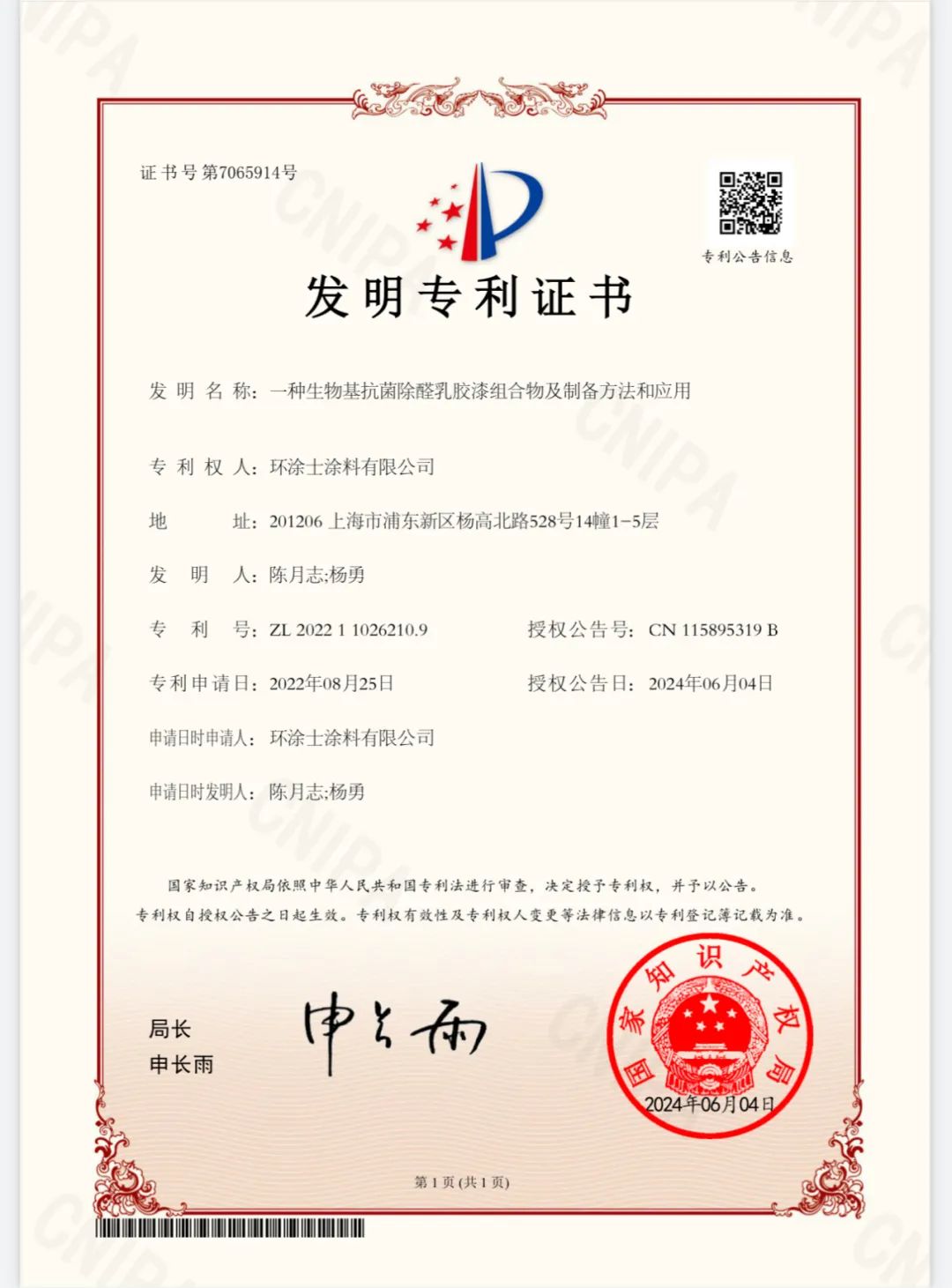
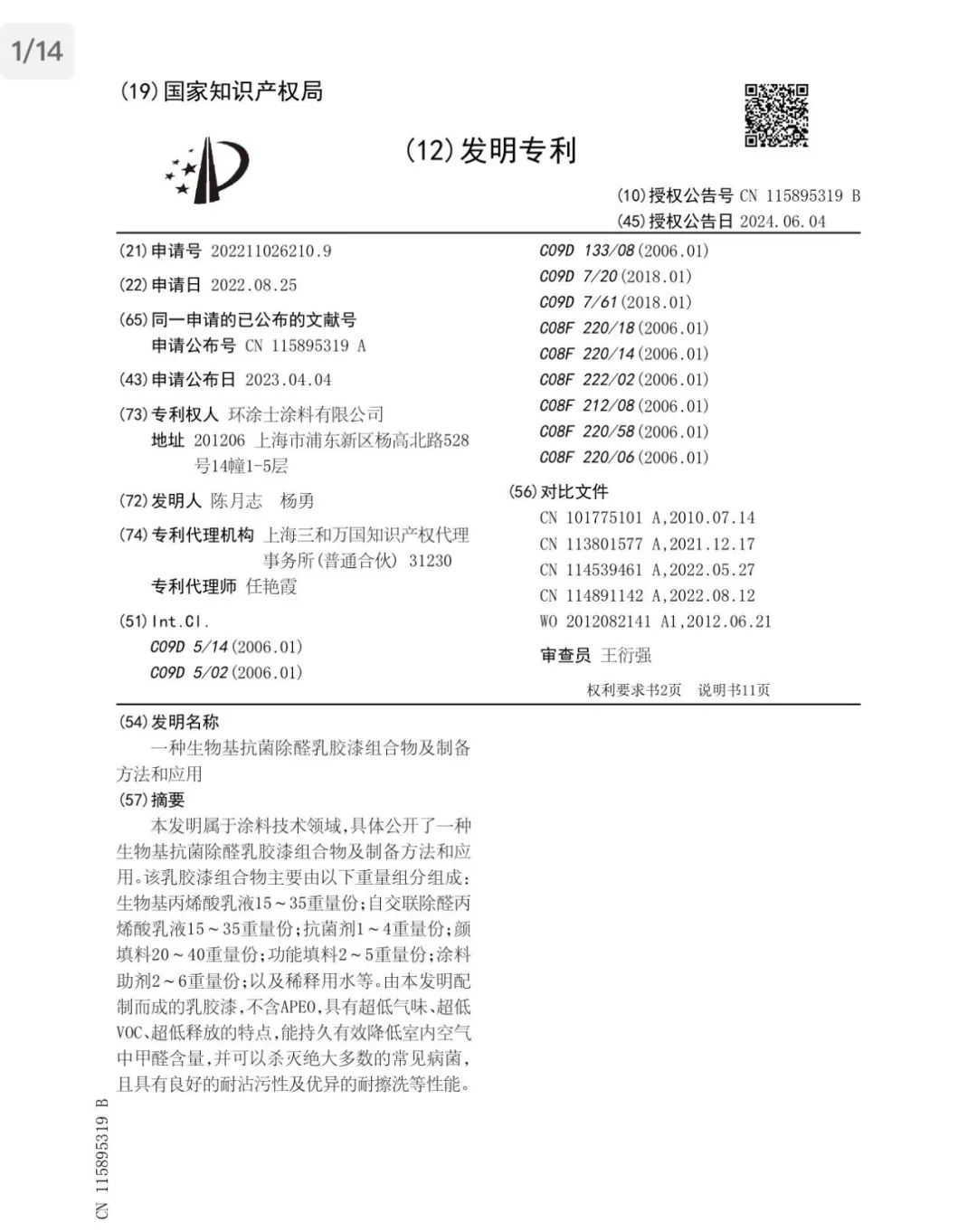
为更好地理解绿色低碳转型政策在实际中的应用,我们可以通过一项绿色建材涂料产品的创新发明来具体探讨。ANTUX™麻雀漆团队开发的专利“生物基抗菌除醛乳胶漆组合物及其制备方法和应用”(专利号:ZL202211026210.9)正是当前绿色建材领域的前沿技术之一。这项发明不仅减少了对传统石油基材料的依赖,同时确保了产品的实用性和功能性,是推动绿色建材广泛应用的重要突破。
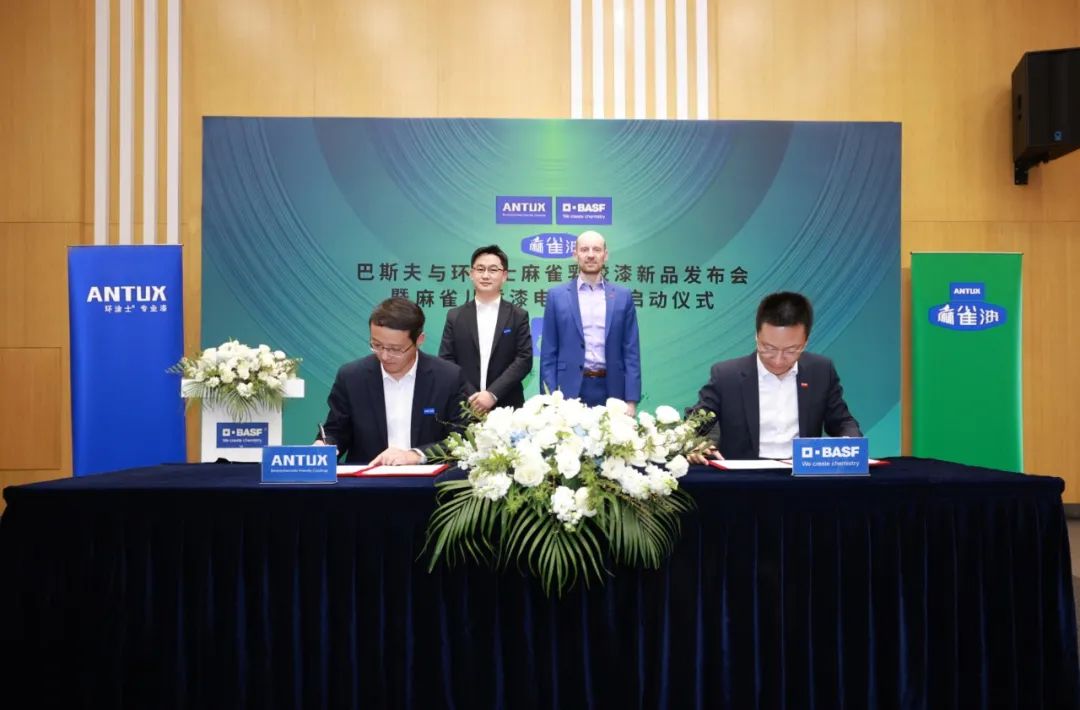
该绿色低碳乳胶漆的研发始于2020年初,由环涂士与巴斯夫共同开发的全球首创ANTUX抗病毒涂料技术为基础。这一抗病毒抗菌涂料技术引起了全球广泛关注,促使许多知名涂料企业纷纷推出类似产品。然而,环涂士ANTUX团队并未止步于此,而是进一步提升技术,开发出了全新的产品及发明专利。新产品不仅保留了原有的顶尖技术功能,还采用生物基材料作为配方核心,同时满足了市场和消费者对无VOC、无甲醛、超净味、无添加成分及超强耐擦洗功能的需求。此外,产品还具备当前高端乳胶漆市场上备受欢迎的功能,如抗菌抗病毒、抗甲醛等。这项技术不仅在生产过程中显著降低了碳足迹,还在使用阶段减少了总挥发性有机化合物(TVOC)的排放,为消费者提供了更健康、更环保的家居和公共环境。
通过完善专利布局,环涂士团队有效保护了这一创新技术,确保其在全球市场的领先地位。通过将这种生物基涂料应用于城市微更新和家装墙面重涂市场,企业不仅能够满足日益严格的环保法规要求,还能为消费者提供高性能、低污染的涂料选择。这一产品的成功开发和推广,不仅积极响应了国家政策的号召,还为全球乳胶漆行业树立了绿色建材发展的新标杆。
绿色建材的低碳先行者:千亿涂料市场的重新定义者
截至2023年,全球涂料市场的规模已达到1983.4亿美元(约合人民币1.42万亿元)。在这一庞大的市场中,中国涂料市场的整体规模已达到5000亿元人民币,其中建筑涂料市场约占1700亿元。尽管市场需求庞大,但中国涂料市场正面临重新定义的关键时刻。ANTUX™涂料公司执行董事林凡秋先生指出,传统经营逻辑正在被新的市场规则所冲击,过去三十年中涂料市场迅速增长的趋势难以再现,依赖代理、渠道、店铺等传统模式可能成为企业的负担。我们不能再等待反弹或回归所谓的“正常”,而是要学会适应当下及未来很长一段时间的经济整体下行趋势,因为这可能才是真正的新常态。现实的认知、务实的应对策略,以及长期视角与可持续发展,或许能帮助涂料企业在未来的挑战中立于不败之地。
随着城市微更新、家装微改、家庭重涂,以及医院、学校等公共设施翻新需求的不断增加,生物基功能性绿色建材产品的市场前景日益广阔。特别是在中国政府积极推进绿色低碳转型的背景下,涂料行业中的生物基材料和低VOC产品迅速成为市场焦点。环涂士麻雀漆这一创新专利不仅为绿色建筑材料设立了新的行业标准,还具备千亿级的绿色涂料市场潜力,有望在未来的市场竞争中脱颖而出,成为引领行业发展的先锋力量。
通过技术出口和国际合作,生物基建材不仅在国内市场中占据重要位置,还在全球市场上发挥着关键作用。这不仅有助于推动全球绿色建筑材料的发展,还将进一步巩固中国在国际绿色建材领域的领先地位。
The global paint market has reached 1.42 trillion yuan, with China's overall paint market size at 500 billion yuan RMB, of which the building paint market accounts for approximately 170 billion yuan. Despite the massive demand,
Title: Green and Low-Carbon Transformation: Groundbreaking Green Building Material Paint Invention Sparks Interest.
Introduction: Exploring the significance of green and low-carbon transformation policies and sharing technical insights on specific low-carbon products.
Recently, the Central Committee of the Communist Party of China and the State Council issued the 'Opinions on Accelerating the Comprehensive Green Transformation of Economic and Social Development,' a landmark policy aimed at promoting nationwide green and low-carbon transformation and setting a grand goal to achieve a 15 trillion yuan green economy by 2030. This is the first systematic deployment at the central level for comprehensive green transformation. The Opinions outline overall requirements, main targets for carbon peak, and implementation paths, comprehensively driving the green development of the socio-economic system.
ANTUX™ Sparrow® Latex Paint Series
Good paint for home renovation speaks volumes through data.
The policy particularly emphasizes increasing the share of non-fossil fuels in total energy consumption to 25%. In this context, green building materials are identified as a key area, with the promotion of urban micro-updates and widespread application in home wall retouching markets playing a crucial role in the low-carbon transformation of paint. However, despite the significance of this policy, many businesses and the public remain uncertain about its specific implications and practical impacts, necessitating deeper understanding through real-world examples and innovative products. This also provides an excellent opportunity to delve into related innovative technologies.
Expert Analysis: Technological Innovations and Practical Application Prospects in Green Building Materials
To better understand the practical application of green and low-carbon transformation policies, we can delve into an innovative invention in a green building material paint product. The patent 'Biobased Antimicrobial Formaldehyde-Removal Latex Paint Composition and Its Preparation Method and Application' (Patent No.: ZL202211026210.9) developed by the ANTUX™ Sparrow Paint team is one of the leading technologies in the current green building materials field. This invention not only reduces reliance on traditional petroleum-based materials but also ensures the practicality and functionality of the product, marking a significant breakthrough in promoting the widespread application of green building materials.'
Historical release materials trace the project back to its joint development in 2020, describing its use of biobased materials and low odor, low volatile organic compounds (VOC), washability, antimicrobial, and antiviral properties. The VOC, formaldehyde, efficacy, durability, and carbon footprint claims must be tied to specific product models, testing methods, valid reports, and applicable conditions. This page does not draw conclusions about the current product or market position based on these descriptions.
By refining its patent portfolio, the ANTUX team has effectively protected this innovative technology, ensuring its global market leadership. By applying this biobased paint to urban micro-updates and home wall repaint markets, the company can not only meet increasingly stringent environmental regulations but also offer high-performance, low-pollution paint options to consumers. The successful development and promotion of this product not only respond to national policy calls but also set a new benchmark for green building materials in the global latex paint industry.
Pioneers in Green Building Materials: Redefining the Trillion-Dollar Paint Market
As of 2023, the global paint market has reached $198.34 billion (approximately RMB 1.42 trillion). Within this massive market, China's overall paint market size stands at RMB 500 billion, with architectural coatings accounting for approximately RMB 170 billion. Despite the vast demand, China's paint market is facing a critical moment of redefinition. Mr. Lin Fanqiu, Executive Director of the ANTUX™ Paint Company, notes that traditional business logic is being challenged by new market rules, and the rapid growth trend in the paint market over the past three decades may not be repeated. Reliance on agents, channels, and stores may become a burden for companies. We cannot wait for a rebound or return to so-called 'normalcy'; instead, we must adapt to the overall economic downturn that is likely to persist for a long time. Realistic understanding, pragmatic response strategies, and a long-term perspective with sustainability may help paint companies stand their ground in future challenges.
With the increasing demand for urban micro-updates, home renovations, and repainting, as well as the refurbishment needs of public facilities such as hospitals and schools, the market potential for biobased functional green building materials is expanding. In the context of China's active promotion of green and low-carbon transformation, biobased materials and low-VOC products in the paint industry have quickly become focal points. The innovative patent of ANTUX™ Sparrow Paint not only sets new industry standards for green building materials but also holds potential in the trillion-dollar green paint market, positioning itself to stand out in future market competition and lead industry development.
Through technology exports and international cooperation, biobased building materials are not only playing a crucial role in the domestic market but also contributing significantly to the global green building materials market. This helps advance the development of green building materials globally and further consolidates China's leading position in the international green building materials sector.