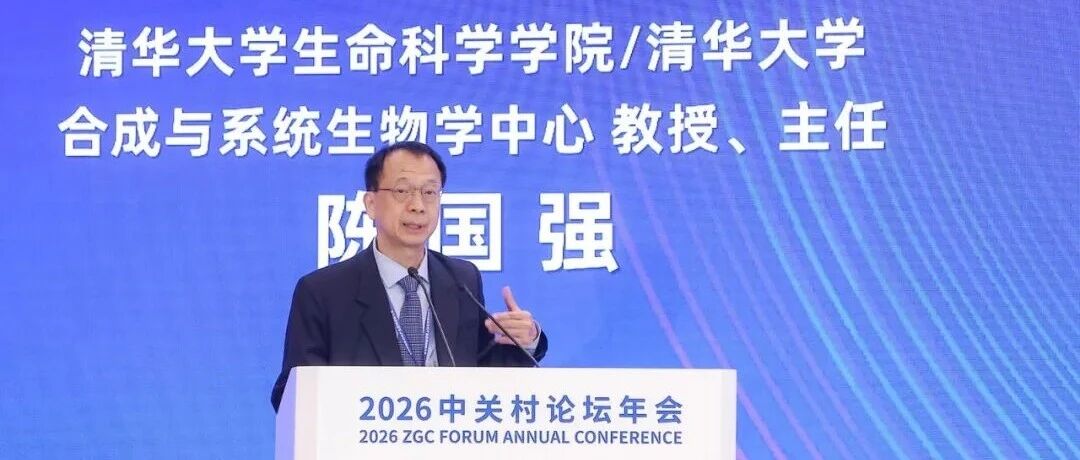
都柏林传来消息:据清华合成与系统生物学中心报道,陈国强教授在第20届国际生物聚合物大会上,荣获2026年度“伯纳德·威索尔特PHA奖”。
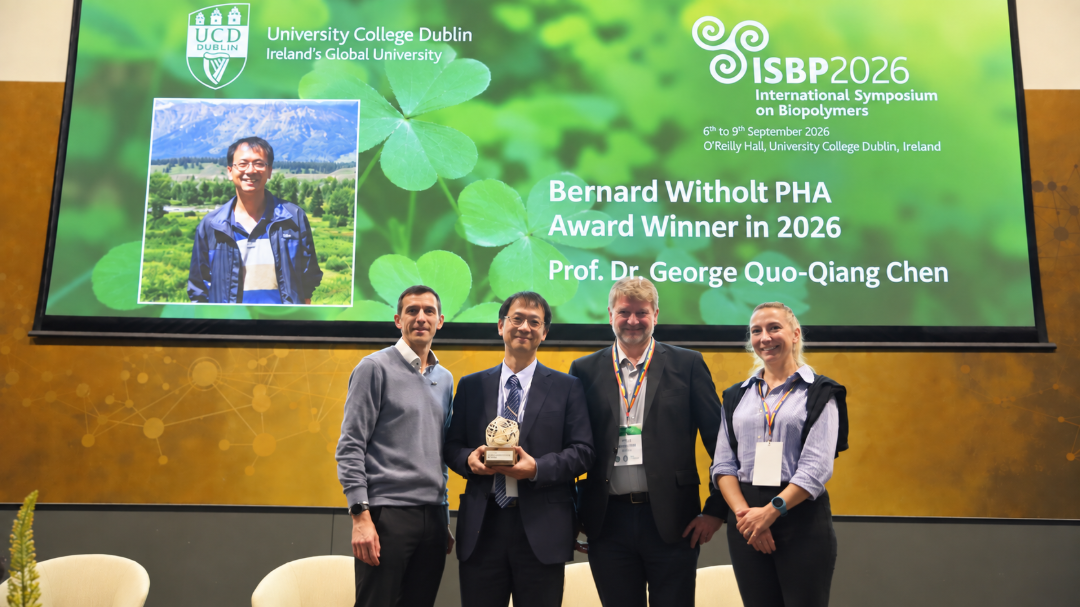
国际生物聚合物大会创办于1988年,是生物聚合物领域最具影响力的国际学术会议之一。此次颁发的“伯纳德·威索尔特PHA奖”,表彰的是对PHA领域作出关键贡献的科学家——那些以长期研究推动技术进步、拓展材料应用的人。
研究资料:清华合成与系统生物学中心|获奖消息 (需在微信内核验)、首届PHA奖介绍、清华|2023年国际代谢工程奖
陈国强选了一种不容易被“打扰”的菌
PHA,中文名聚羟基脂肪酸酯,是微生物能够合成的一类聚酯材料。怎样把它生产出来,陈国强研究了近四十年。
生产菌在实验室里表现出色,到了大罐里却可能被杂菌干扰。防污染、灭菌和维持生产条件,都要付出设备与运行成本。工厂需要的,是能在实际生产中稳定工作的菌。
陈国强和团队把寻找的目光投向极端环境。根据《中国科学报》采访,2006年,他们从新疆艾丁湖带回的样本中找到了盐单胞菌。
它适应盐碱环境。在这样的条件下,许多其他微生物不容易与它竞争。团队抓住了这个特点,研究能否少依赖严格的灭菌流程来生产PHA。
少一道灭菌工序,工厂的用汽、设备和运行安排就可能随之改变。挑选生产菌,也是在寻找更合适的生产方式。
2011年,团队发表的论文报告了14天开放、非灭菌的连续发酵,产出PHA家族中的PHB。盐湖微生物的特殊本领,在这条研究路线中显出了制造上的用途。
天然的本领还不够。要让它按要求生产,先得能改造它。采访记载,这种新菌缺少现成的遗传操作工具,团队花了五年开发专用工具。找到一株好菌之后,他们又为它补上了能够持续改进的条件。
研究资料:清华转载《中国科学报》|陈国强的产业化历程、原始论文|开放连续发酵研究
工厂遇到的问题,他带回实验室解决
菌能生长、材料能合成,接下来的问题来自工厂。
例如分离细胞。在实验室里,离心管能完成的操作,到了工厂就要面对大批量处理。《中国科学报》的采访记载,团队通过形态学工程增大细胞体积,提高离心效率。为了适应生产,他们连细胞的大小也重新做了设计。
陈国强后来在谈到北京产线时,向《中国科学报》解释:“上午工厂遇到问题,下午就能到我们的实验室解决。”
生产中暴露的问题,就这样及时回到研究者手里。工厂也成了发现下一道研究题的地方。
他和团队愿意沿着问题往下做,做到菌株之外,做到生产工艺和设备上。2024年ISBP工业奖的授奖理由,正是嗜盐菌合成生物学与“下一代工业生物技术”(NGIB)对PHA产业化的贡献。清华的获奖报道指出,相关技术已在多家企业得到放大应用。
研究资料:《中国科学报》|实验室与产线的故事、清华|ISBP工业奖授奖报道
做出一条路,还要把路走得更好
盐单胞菌给开放发酵带来了优势,高盐需求也留下了新的问题:培养条件能否更灵活,后续处理负担能否进一步减轻?
今年2月,清华公布了团队的新进展。研究者通过工程化改造,降低了菌株的盐需求,在7升生物反应器、氯化钠浓度5克/升的条件下,实现了开放非无菌培养。
团队继续改造菌株,连曾经帮助它立足的盐环境,也被拿回来重新优化。
科研积累就在这里发挥作用:对菌了解得越深,越有可能把它改得更适合生产。
产业合作也在向前。安琪酵母披露,湖北微琪在宜昌实施的PHA项目,规划总产能为每年3万吨,其中一期产能1万吨。项目把依托清华技术的北京微构工场,与安琪的发酵生产和产业链经验结合起来。
对中国生物制造,这是一件具体而重要的事:我们自己研究、改造的微生物,正在与国内的工程队伍、制造设施一起成长。积累下来的不仅是材料,还有下一次改工艺、调产品、扩大生产时可以调用的经验。
研究资料:清华|低盐开放培养新进展、安琪酵母|生物新材料业务
陈国强也在推动一只纸杯的改变
小纸杯、大环保。把PHA做出来之后,陈国强还和应用端的伙伴一起,推动它走进纸杯、餐盒和食品包装。
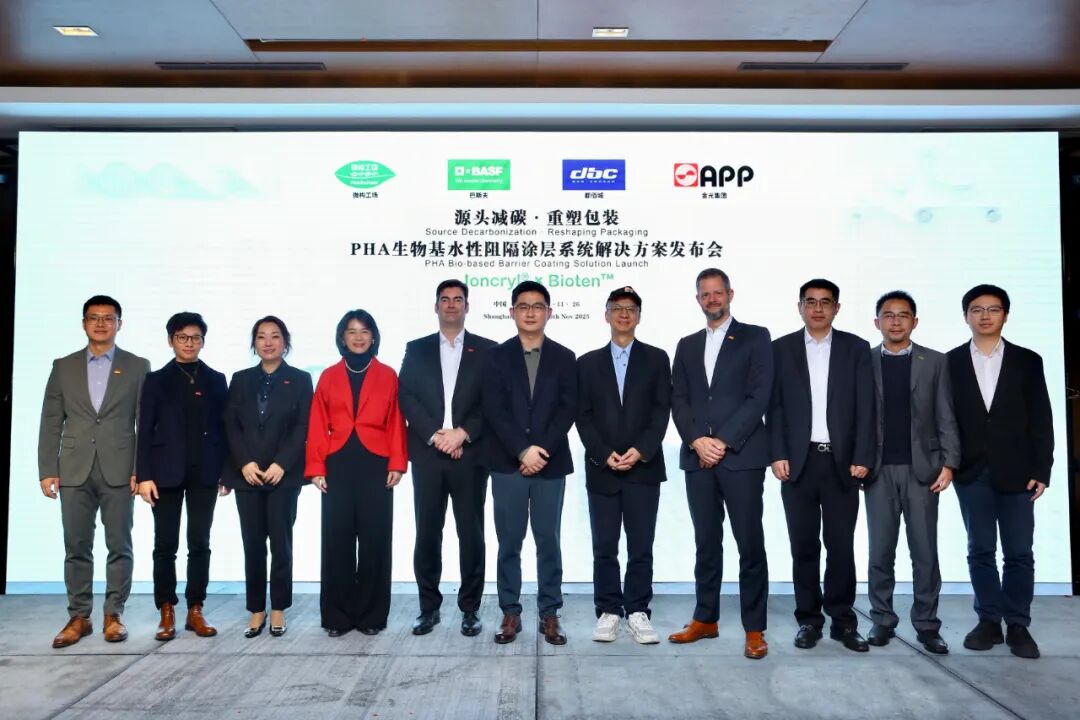
去年11月26日,上海的PHA生物基水性阻隔涂层方案发布会上,都佰城、微构工场、巴斯夫与APP金光纸业四方同台。陈国强在会上谈到纸基食品包装的材料选择与使用后处理问题。发酵端的研究,与涂层、纸张和制品端的工作,在这里坐到了一起。用小纸杯撬动大环保。
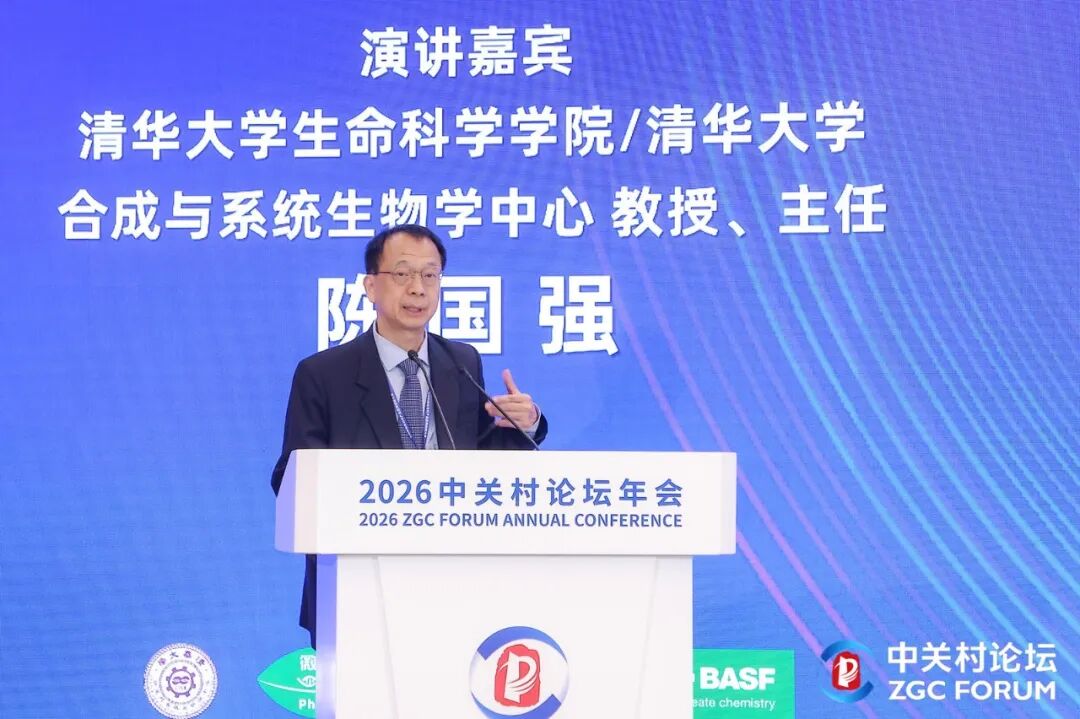
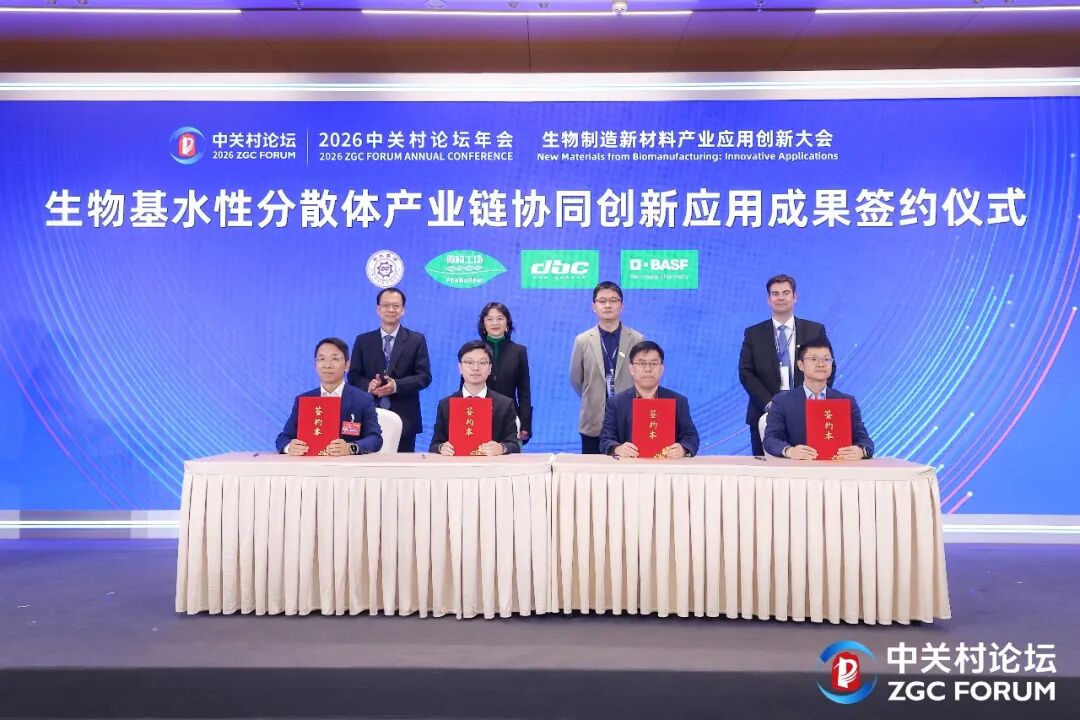
今年3月27日,在中关村论坛年会期间举行的生物制造新材料产业应用创新大会上,他作主旨报告,并见证清华大学、微构工场、都佰城与巴斯夫代表的签约。合作指向生物基水性分散体的应用开发,纸基阻隔也成为产业伙伴共同推进的方向。
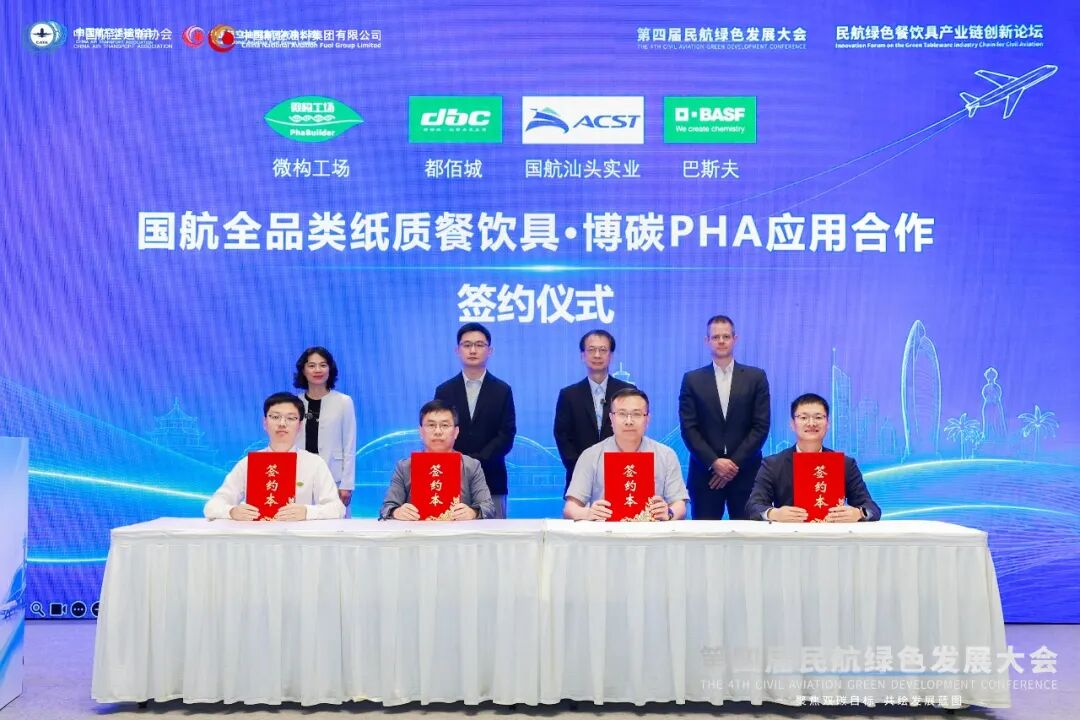
到了5月21日的中国民航绿色餐饮具论坛,他又围绕PHA材料与绿色包装应用作报告。讨论面对的已经是一只航空纸杯、一份机上餐盒:怎样保护食品,怎样适配服务,用过以后怎样收集处理。都佰城、微构工场、巴斯夫及纸企、航空服务伙伴也在论坛期间启动了具体场景的协同验证。
研究资料:DBC|上海四方发布会、中国日报网|中关村大会、DBC|海口论坛纪实、科技日报|民航餐饮具协作
从盐湖里的菌,到生产线上的新材料,陈国强和团队把许多具体的难题,做成了中国PHA产业能够继续向前的条件。这份国际荣誉,落在了这样一段扎实的工作上。
本文由都佰城与博碳生物依据清华大学相关报道、原始研究论文及企业与会议公开资料独立研究整理,核验截至2026年9月9日。
News from Dublin: according to Tsinghua University's Center for Synthetic and Systems Biology, Professor Guo-Qiang Chen has received the 2026 Bernard Witholt PHA Award at the 20th International Symposium on Biopolymers (ISBP).
Founded in 1988, the International Symposium on Biopolymers is one of the leading international academic meetings in its field. The Bernard Witholt PHA Award recognises scientists who have made key contributions to PHA research: researchers whose sustained work advances the technology and expands its applications.
Research sources: Tsinghua Center for Synthetic and Systems Biology | Award announcement (May require WeChat access); introduction to the inaugural PHA Award; Tsinghua University | 2023 International Metabolic Engineering Award
Choosing a bacterium that can withstand microbial competition
Polyhydroxyalkanoates (PHA) are a family of polyesters that microorganisms can synthesise. Chen has spent nearly four decades studying how to produce them.
A production strain may perform well in the laboratory but face contamination by other microbes in a large fermentation vessel. Preventing contamination, sterilising equipment and maintaining suitable conditions all incur capital and operating costs. Factories need strains that perform reliably under real production conditions.
Chen and his team looked to extreme environments. According to an interview in China Science Daily, in 2006 they found Halomonas bacteria in samples collected from Ayding Lake in Xinjiang.
These bacteria thrive in saline, alkaline conditions, where many other microorganisms struggle to compete. The team investigated whether this advantage could enable PHA production with less reliance on stringent sterilisation procedures.
Removing a sterilisation step can change a factory's steam demand, equipment requirements and operating arrangements. Choosing a production strain is also a way of finding a more suitable manufacturing process.
In a paper published in 2011, the team reported 14 days of open, non-sterile continuous fermentation producing polyhydroxybutyrate (PHB), a member of the PHA family. The salt-lake microbe's distinctive capabilities were proving useful for manufacturing.
Natural capabilities alone were not enough. Before the bacterium could be made to produce as required, the team needed a way to engineer it. The interview records that this new strain lacked ready-made genetic tools, so the team spent five years developing dedicated ones. Having found a promising strain, they established the means to keep improving it.
Research sources: Tsinghua University's republication of China Science Daily | Chen's path to industrialisation; original paper | Open continuous fermentation
Bringing factory problems back to the laboratory
Once the bacteria could grow and synthesise the material, the next challenges came from the factory.
Cell separation is one example. A procedure carried out in a centrifuge tube in the laboratory becomes a bulk processing challenge in a factory. According to the China Science Daily interview, the team used morphological engineering to enlarge the cells and improve centrifugation efficiency. Even cell size was redesigned to meet manufacturing needs.
Discussing the Beijing production line with China Science Daily, Chen later explained: “A problem that arises at the factory in the morning can be brought to our laboratory and solved that afternoon.”
Production problems could thus reach the researchers quickly. The factory also became a source of new research questions.
Chen and his team followed these problems beyond the strain itself into production processes and equipment. The 2024 ISBP Industry Award recognised their contributions to PHA industrialisation through the synthetic biology of halophilic bacteria and Next Generation Industrial Biotechnology (NGIB). Tsinghua's award announcement noted that the technologies had been scaled up at several companies.
Research sources: China Science Daily | The laboratory and production line; Tsinghua University | ISBP Industry Award announcement
Establishing a process, then making it better
Halomonas offers advantages for open fermentation, but its high salt requirements create further questions: can cultivation conditions become more flexible, and can the burden of downstream processing be reduced?
In February 2026, Tsinghua announced a new advance by the team. By engineering the strain to reduce its salt requirements, the researchers achieved open, non-sterile cultivation in a 7 L bioreactor at a sodium chloride concentration of 5 g/L.
The team continued to refine the strain, revisiting even the saline environment that had originally given it a competitive advantage.
This is where accumulated research pays off: the better a microorganism is understood, the more effectively it can be adapted for production.
Industrial partnerships are also advancing. Angel Yeast disclosed that Hubei PHAngel Biotechnology's PHA project in Yichang has a planned total capacity of 30,000 tonnes per year, including 10,000 tonnes in its first phase. The project brings together Beijing PhaBuilder's use of Tsinghua technology and Angel Yeast's experience in fermentation manufacturing and the industrial value chain.
For China's biomanufacturing sector, this is a concrete and significant development. Microorganisms researched and engineered in China are advancing alongside domestic engineering teams and manufacturing facilities. The result is more than a material: it is a body of experience that can inform the next process improvement, product adjustment or production expansion.
Research sources: Tsinghua University | Advances in low-salt open cultivation; Angel Yeast | Business in new biological materials
Helping change the humble paper cup
A small paper cup can have wider environmental significance. Beyond producing PHA, Chen is working with application partners to introduce it into paper cups, food containers and food packaging.
At the launch of a PHA-based waterborne barrier coating solution in Shanghai on 26 November 2025, DBC, PhaBuilder, BASF and APP shared the stage. Chen discussed material choices for paper-based food packaging and how it should be managed after use. Research in fermentation met the work of coating, paper and finished-product developers, using the paper cup as a starting point for broader environmental progress.
On 27 March 2026, at a conference on industrial applications of new biomanufactured materials held during the Zhongguancun Forum Annual Conference, Chen delivered a keynote address and witnessed an agreement signed by representatives of Tsinghua University, PhaBuilder, DBC and BASF. The collaboration focuses on application development for bio-based aqueous dispersions, with paper barrier applications among the areas the partners are advancing together.
At the China Civil Aviation Green Foodservice Ware Forum on 21 May 2026, Chen again spoke on PHA materials and green packaging applications. The discussion now centred on an airline paper cup or an in-flight meal container: how to protect food, meet service requirements, and collect and manage the packaging after use. During the forum, DBC, PhaBuilder, BASF, paper producers and aviation service partners also launched joint validation work for specific use cases.
Research sources: DBC | Four-party launch in Shanghai; China Daily website | Zhongguancun conference; DBC | Haikou forum report; Science and Technology Daily | Collaboration on aviation foodservice ware
From salt-lake bacteria to new materials on production lines, Chen and his team have solved a series of practical problems, building the foundations for China's PHA industry to advance. This international honour recognises that sustained work.
This article was independently researched and compiled by DBC and BIOTEN using Tsinghua University reports, original research papers, and publicly available corporate and conference materials. Information was checked as of 9 September 2026.