
9月4日广州西雅展举行超市与新零售、休食饮品两场主题配对。新品想进连锁门店,先回答包装工况、批量交付、最终SKU证据与整单利润五问。
展台决定新品能否被看见;包装能否稳定复制,决定它有没有机会真正进入连锁门店。
主办方今天安排超市与新零售、休食饮品两场主题配对;产品能否进入终端、留下利润并形成复购,还要穿过包装这一关。
展会规模与日程按主办方披露;五问是博碳包装的采购方法,不代表任何展商产品已成交、量产或通过验证。
10:00—12:00超市与新零售 · 14:00—16:00休食饮品 · 4G058
TODAY · GUANGZHOU
展品很多,采购时间很有限
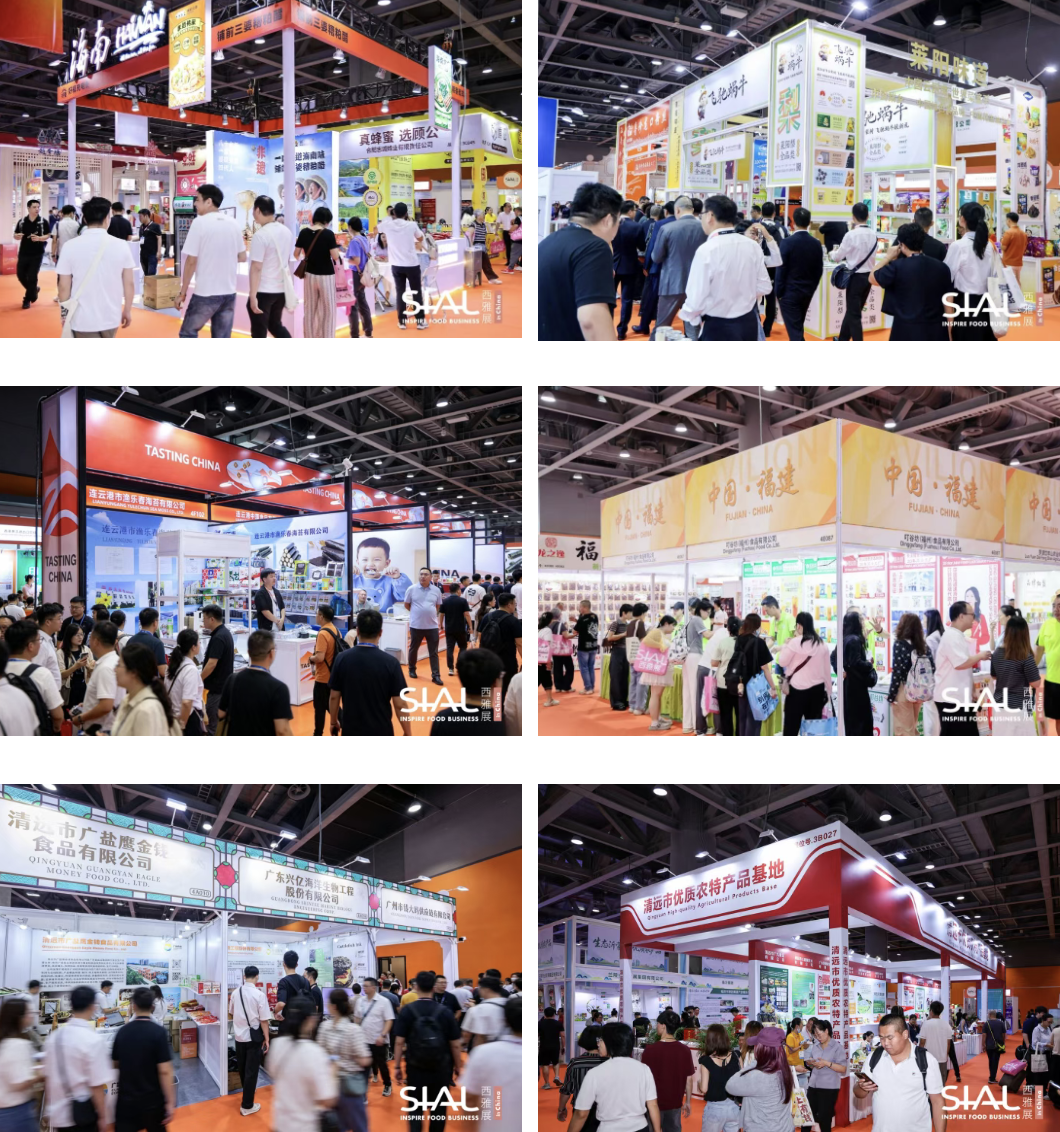
9月4日,广州西雅国际食品和饮料展进入展期第二天。官方日程列明,10点至12点为超市与新零售专场,14点至16点为休食饮品专场,地点均为4号馆4G058。
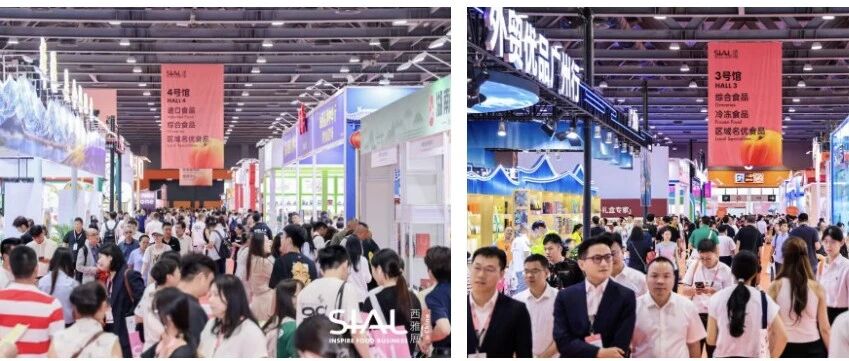
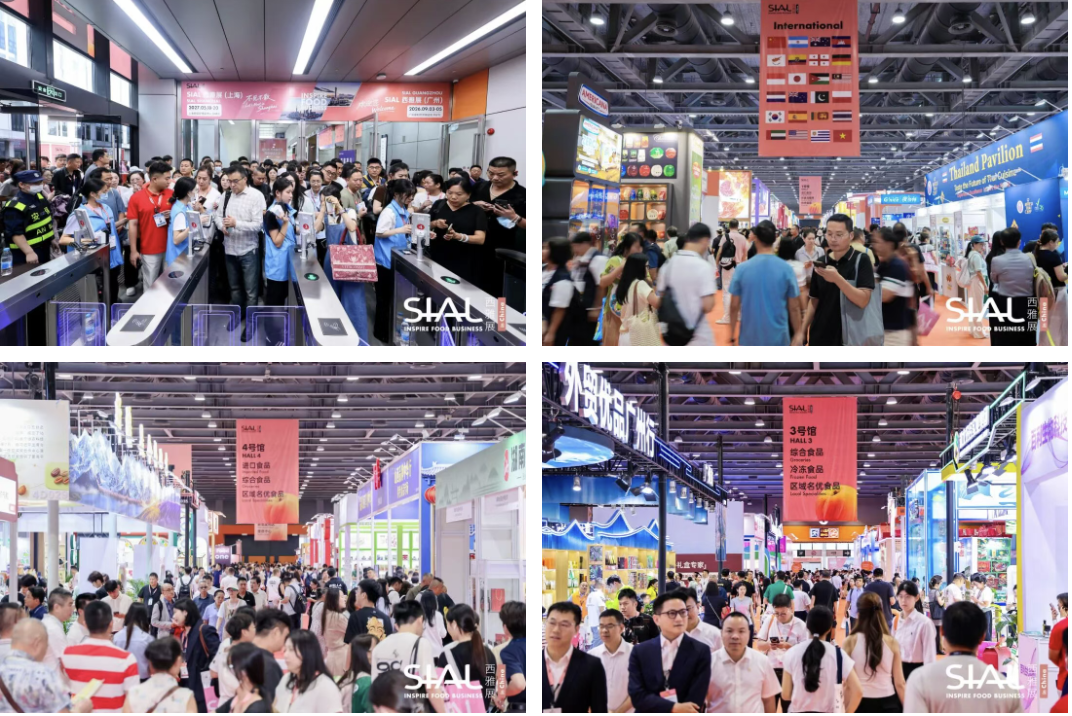
主办方当天发布的首日回顾称,本届展会展区约6万平方米,汇集1500多家展商、10万多款产品。展品很多,采购人员真正要解决的不是还能看多少新品,而是哪一款值得带回公司,进入下一轮打样和门店测试。
主办方9月3日发布的SIAL LIVE预告,把包装、场景、价格带、毛利、供货、终端动销与复购逻辑列为关注点。对连锁餐饮而言,这些商业问题背后还藏着一道常被低估的门槛——包装。
杯盖不匹配、酱汁渗漏、油炸食品回潮,或者检测报告对应不上最终制品,都可能让“很有潜力的新品”停在试销之前。
研究资料:广州Day 1回顾;Match Me日程;SIAL LIVE预告。
01 · REAL CONDITION
装什么,多少度,要走多久?
先不要急着问“用纸还是用塑料”,先把真实使用条件说清楚。产品是热食、冷饮、油炸食品、含油酱汁,还是需要冷藏后复热?装填时多少度,与包装接触多长时间?消费者是店内即食、外带半小时,还是外卖配送后食用?
同一只纸盒,装常温面包和高温含油汤汁,是两个工程对象;同一只杯子,盛冷萃咖啡、酸性果汁或含乳饮品,也不能只用“食品级”三个字作判断。现场至少记录内容物、装填温度、接触时间、配送时长和复热方式。
现场样本一|庄园牧场
风味创新落到便携饮用
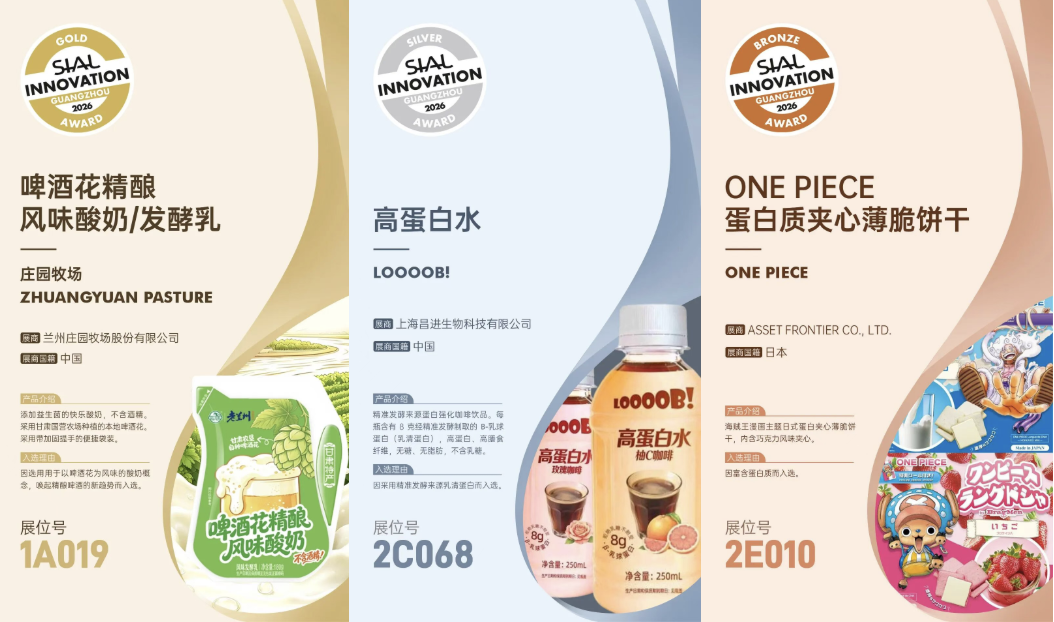
主办方官方奖项卡显示,兰州庄园牧场股份有限公司的“啤酒花精酿风味酸奶/发酵乳”获得金奖。它用啤酒花精酿风味建立新品记忆;从图片所示包装形态看,旋盖软袋在开启方式上指向便携饮用,产品概念、包装识别与消费场景形成了清楚呼应。
进入连锁渠道后,还应核对冷链温度、袋体与吸嘴密封、挤压和跌落、气味保持、单份容量与陈列方式。奖项不等于包装认证或渠道采用。
02 · FUNCTION REORDER
少一层之后,谁接住油、水、热和压力?
餐饮采购购买的通常不是一个盒子,而是一套交付组合。盒、盖、杯、封膜、酱料杯、标签、封签、杯托和外袋共同完成一笔订单。
如果为了减量少套一层,原来由那一层承担的防洒、承载、保温和开启体验,就要由剩余结构接住。否则,减掉的包装可能通过漏损、二次加袋、客诉甚至重送重新回来。
水性涂层可作为面向耐油、耐水、防潮、热封或表面保护中一项或几项目标的候选工程路径。只有特定配方、纸张、涂布和成型条件验证通过后,才可讨论能否减少某一覆膜或复合层。
现场样本二|ASSET FRONTIER
ONE PIECE薄脆完成第一次货架沟通
官方奖项卡显示,“ONE PIECE蛋白质夹心薄脆饼干”获得铜奖。包装正面以ONE PIECE角色视觉建立第一层识别,并以“蛋白质、夹心、薄脆”文字说明产品特征。包装既是保护层,也是新品第一次销售沟通的界面。
薄脆需要防潮和抗碎,夹心还涉及油脂、风味、封口和印刷区域。若探索纸基、水性或含PHA水性路线,先看保脆期、阻湿耐油、热封和运输测试能否继续成立。
03 · SCALE DELIVERY
展台样品能不能稳定变成批量订单?
展台样品只能显示某一件产品在当下的状态,连锁采购关心的是批量生产后的持续一致性。
采购要继续追问:原纸、树脂、涂层、黏合剂和油墨分别是什么版本?印刷、模切、制杯、制盒或热封设备能否适配?最小起订量是多少?打样和量产需要多久?旺季产能、跨区域补货和批次一致性如何保证?
如果纸张克重、涂布量、干燥温度、加工设备或原料供应商发生变化,谁负责通知,哪些项目需要重新评估?样品做得出来,只证明“可以做一次”;规格、产线和交付持续稳定,才说明它有条件进入连锁体系。
04 · FINAL SKU EVIDENCE
手里的报告,证明原料还是最终SKU?
“食品级”“水性”“生物基”都不是最终包装的通行证。
GB 4806.10—2025《食品安全国家标准 食品接触材料及制品用涂料及涂层》已于9月2日实施,适用于食品接触材料及制品用涂料及其形成的涂层。现场采购还应将供应商符合性信息、受试样品与眼前SKU对齐,核对结构、食品接触面、模拟物、温度和时间等适用范围;这是采购审核方法,不意味着每个SKU、每个批次都必须重新送检。
含PHA的水性功能层可作为候选工程路线,面向耐油、防潮、热封等目标开展配方—纸张—工艺—制品验证。PHA的使用本身不证明最终包装的生物基含量、食品接触适用性、可回收性或可堆肥性。
材料、工艺或使用条件发生变化时,应先做变更影响评估;如可能影响原料合规、迁移或关键性能,再对代表性样品或最终SKU补充验证。
研究资料:食品安全国家标准数据检索平台;BIOTEN PHA水性纸基阻隔工程。
05 · TOTAL ORDER COST
算完漏损、人工和库存,这款新品还赚钱吗?
现场报价往往只给食品或包装的单件价格,连锁门店承担的却是整单成本:食品、包装、加工运输、仓储库存、门店人工和漏损客诉。
一款包装即使单价略高,只要能够减少破损、缩短操作时间、提高陈列表现或降低库存复杂度,仍可能带来更好的整单结果。反过来,单件价格低,但依赖二次加袋、频繁返工或难以稳定补货,也未必便宜。
绿色声明也要进入整单判断。“可回收”要说明是否需要拆分、目标地区是否收集;“可堆肥”要说明认证对象、适用条件和当地设施。离开具体结构和地域,绿色属性很难转化为真实采购价值。
离开展馆前
别只带走宣传册,带走一张项目卡
项目卡至少包含:产品与工况、包装组合和尺寸、关键失效、目标价格与整单成本、设备和交付窗口、食品接触文件、回收或处置条件,以及首轮样品任务。
博碳包装可以从一笔真实餐饮订单出发,把展会样品转化为包装结构候选、纸张与功能层配置、首轮打样、产线验证及供应商证据清单;需要时,可进一步评估水性功能涂层、PHA水性阻隔、定制阻隔纸和成品包装资源。
开始诊断时,提供产品及包装照片、内容物与装填温度、包装尺寸、单份重量、配送或陈列时间、现有问题和目标成本。具体材料、结构、供应商与可用状态,以项目验证和正式回执为准。
纸上谈兵·数说本质
展会能发现机会,验证才能决定采用。
广州西雅国际食品和饮料展是食品饮料交易与产业交流现场,不是包装材料认证现场。五问能帮助采购发现缺口,但不能替代供应商审核、食品接触评估、实验室测试、产线试制和门店试用。
真实工况说得清、功能有人接住、产线能够交付、证据对应最终SKU、整单仍有利润,新品才有条件走出展馆,开始进入门店。
博碳包装·产业洞察·研究说明
本文依据SIAL西雅国际食品和饮料展览会主办方、国家食品安全标准平台及相关公开资料,由博碳包装独立研究整理,核验截至2026年9月4日。展会规模、现场安排和奖项按主办方披露;五问为博碳包装的采购方法,不代表任何展商产品已经成交、采用、量产或通过验证。本文仅供产业链研究学习,不构成采购、食品接触、认证或投资决策依据;如有修改、说明或删除要求,我们将在收到后24小时内核查处理。
博碳观察数据与核验来源
01|SIAL西雅展|广州Day 1现场回顾
02|SIAL西雅展|Match Me买家对接日程
03|SIAL西雅展|SIAL LIVE预告
04|SIAL China|SIAL Guangzhou 2026
05|国家食品安全风险评估中心|食品安全国家标准数据检索平台
06|SIAL西雅展|SIAL创新大赛
07|BIOTEN博碳包装|PHA水性纸基阻隔工程
On 4 September, SIAL Guangzhou is hosting two themed matchmaking sessions: Supermarkets & New Retail and Snack Foods & Beverages. Before a new product can enter a chain-store network, it must answer five packaging questions covering real-use conditions, functional allocation, scalable delivery, final-SKU evidence and total-order profitability.
A booth determines whether a new product is seen; whether its packaging can be reproduced consistently determines whether it has a real chance of entering chain stores.
Today, the organiser is holding two themed matchmaking sessions—Supermarkets & New Retail and Snack Foods & Beverages. But for a product to reach retail, preserve margin and generate repeat purchases, it must also clear the packaging hurdle.
Exhibition scale and schedules follow the organiser’s disclosures. The five questions are BIOTEN Packaging’s procurement framework and do not indicate that any exhibitor’s product has been sold, mass-produced or validated.
10:00—12:00Supermarkets & New Retail · 14:00—16:00Snack Foods & Beverages · 4G058
TODAY · GUANGZHOU
Many Products, Limited Procurement Time
On 4 September, SIAL Guangzhou entered its second day. The official schedule lists the Supermarkets & New Retail session from 10:00 to 12:00 and the Snack Foods & Beverages session from 14:00 to 16:00, both at 4G058 in Hall 4.
In its same-day review of Day 1, the organiser reported an exhibition area of approximately 60,000 square metres, more than 1,500 exhibitors and over 100,000 products. With so much on display, procurement teams do not simply need to see more new products; they need to identify which products are worth taking back for the next round of sampling and in-store trials.
The SIAL LIVE preview released by the organiser on 3 September highlighted packaging, consumption scenarios, price bands, gross margin, supply capability, retail sell-through and repeat-purchase logic. For chain restaurant operators, those commercial questions conceal an often underestimated threshold: packaging.
Mismatched lids, leaking sauces, loss of crispness in fried foods, or test reports that do not cover the final packaged article can all stop a “high-potential product” before the trial-sale stage.
Research sources:SIAL Guangzhou Day 1 Review; Match Me Schedule; SIAL LIVE Preview.
01 · REAL-USE CONDITIONS
What Will It Hold, at What Temperature, and for How Long?
Do not begin with “paper or plastic”. Begin by defining the actual conditions of use. Is the product hot food, a cold beverage, fried food or an oil-rich sauce? Will it be chilled and reheated? What is the filling temperature, and how long will the contents remain in contact with the packaging? Will consumers eat it in-store, take it away for half an hour, or consume it after delivery?
The same paper container presents two different engineering briefs when used for room-temperature bread versus hot, oily soup. Likewise, the same cup cannot be assessed simply as “food grade” when it holds cold-brew coffee, acidic juice or a dairy beverage. At a minimum, record the contents, filling temperature, contact time, delivery duration and reheating method.
On-site Sample 1 | Zhuangyuan Pasture
Turning Flavour Innovation into Portable Consumption
According to the organiser’s official award card, “Craft Hop-Flavoured Yogurt/Fermented Milk” from Lanzhou Zhuangyuan Pasture Co., Ltd. won a Gold Award. The craft-hop flavour gives the new product a distinctive identity; judging from the packaging shown, the screw-cap pouch is designed for portable consumption, creating a clear link between the product concept, pack recognition and consumption occasion.
Before entering chain channels, the product should also be checked for cold-chain temperature control, pouch and spout seal integrity, squeeze and drop resistance, flavour retention, portion size and merchandising format. An award does not constitute packaging certification or channel adoption.
02 · FUNCTION REALLOCATION
When One Layer Is Removed, What Takes Over Oil, Water, Heat and Load-Bearing Performance?
Food-service procurement rarely buys a box in isolation; it buys a complete delivery system. The box, lid, cup, sealing film, sauce cup, label, tamper-evident seal, cup carrier and outer bag work together to fulfil one order.
If a layer is removed for material reduction, the remaining structure must take over the spill resistance, load-bearing capacity, thermal performance and opening experience previously provided by that layer. Otherwise, the supposedly eliminated packaging may return in the form of leakage, an additional bag, customer complaints or even redelivery.
A waterborne coating may be considered as an engineering route for one or more objectives, including grease resistance, water resistance, moisture resistance, heat sealing or surface protection. Only after a specific formulation, paper, coating process and forming conditions have been validated can a film or laminate layer potentially be reduced.
On-site Sample 2 | ASSET FRONTIER
ONE PIECE Crispy Biscuits Make Their First Shelf Pitch
The official award card states that “ONE PIECE Protein-Filled Crispy Biscuits” won a Bronze Award. ONE PIECE character artwork creates the first layer of recognition on the front of the pack, while the words “protein”, “filled” and “crispy” communicate the product attributes. Packaging serves both as protection and as the new product’s first sales interface.
Crispy biscuits require moisture protection and resistance to breakage, while the filling also raises issues involving fats, flavour, seals and printed areas. If paper-based, waterborne or PHA-containing waterborne routes are being explored, the ability to maintain crispness, moisture and grease resistance, heat-seal performance and transport robustness must first be validated.
03 · SCALABLE DELIVERY
Can a Booth Sample Be Scaled into Consistent Bulk Orders?
A booth sample shows only the current state of one product. Chain procurement is concerned with sustained consistency after production is scaled up.
Procurement teams should continue asking: Which versions of the base paper, resin, coating, adhesive and ink are used? Are the printing, die-cutting, cup-forming, box-forming and heat-sealing lines compatible? What is the minimum order quantity? How long will sampling and mass production take? How will peak-season capacity, cross-regional replenishment and batch-to-batch consistency be assured?
If paper grammage, coat weight, drying temperature, processing equipment or raw-material suppliers change, who is responsible for notification, and which items must be reassessed? Producing a sample proves only that the item can be made once. Consistent specifications, production lines and delivery demonstrate that it may be ready for a chain system.
04 · FINAL-SKU EVIDENCE
Does the Report in Hand Cover a Raw Material or the Final SKU?
“Food grade”, “waterborne” and “bio-based” are not passports for the final package.
GB 4806.10—2025, National Food Safety Standard—Coatings and Coating Layers for Food-Contact Materials and Articles, took effect on 2 September and applies to coatings used for food-contact materials and articles and to the coating layers they form. On-site procurement should align the supplier’s compliance information and the tested specimen with the SKU under review, checking the structure, food-contact surface, food simulants, temperature, time and other applicable conditions. This is a procurement-review method; it does not mean that every SKU or batch must be retested.
A PHA-containing waterborne functional layer may be considered as an engineering route, with formulation–paper–process–finished-article validation targeting grease resistance, moisture resistance, heat sealing and other requirements. The use of PHA alone does not substantiate the final package’s bio-based content, food-contact suitability, recyclability or compostability.
When materials, processes or conditions of use change, conduct a change-impact assessment first. If the change may affect raw-material compliance, migration or critical performance, carry out additional validation on a representative sample or the final SKU.
Research sources:National Food Safety Standards Database; BIOTEN PHA Waterborne Barrier Engineering for Paper-Based Packaging.
05 · TOTAL-ORDER COST
After Leakage, Labour and Inventory Are Counted, Is the New Product Still Profitable?
On-site quotations often cover only the unit price of the food or package, while chain stores bear the total order cost: food, packaging, converting and transport, warehousing and inventory, in-store labour, leakage and customer complaints.
Even at a slightly higher unit price, a package may deliver a better overall result if it reduces damage, shortens handling time, improves shelf presentation or lowers inventory complexity. Conversely, a low-priced unit that requires an additional bag, frequent rework or unreliable replenishment may not be inexpensive at all.
Environmental claims must also be evaluated at whole-order level. “Recyclable” should specify whether separation is required and whether the target region collects the material; “compostable” should identify the certified item, applicable conditions and local facilities. Without a defined structure and location, environmental attributes are difficult to convert into genuine procurement value.
BEFORE LEAVING THE EXHIBITION
Do Not Leave with Just a Brochure—Take a Project Brief
At a minimum, the project brief should include: the product and its conditions of use; packaging configuration and dimensions; critical failure modes; target price and total-order cost; equipment and delivery windows; food-contact documentation; recovery or disposal conditions; and tasks for the first sampling round.
Starting from an actual food-service order, BIOTEN Packaging can turn exhibition samples into candidate packaging structures, paper and functional-layer specifications, a first sampling plan, production-line validation and a supplier-evidence checklist. Where necessary, waterborne functional coatings, PHA-based waterborne barriers, custom barrier papers and finished-packaging resources can be evaluated further.
To begin the assessment, provide photographs of the product and packaging, the contents and filling temperature, package dimensions, portion weight, delivery or display time, existing problems and target cost. Specific materials, structures, suppliers and availability remain subject to project validation and formal confirmation.
PAPER TALK · EVIDENCE AT THE CORE
Trade Fairs Reveal Opportunities; Validation Determines Adoption.
SIAL Guangzhou is a venue for food-and-beverage trade and industry exchange, not for certifying packaging materials. The five questions can help procurement teams identify gaps, but they cannot replace supplier qualification, food-contact assessment, laboratory testing, production-line trials or in-store pilots.
Only when actual conditions of use are clearly defined, required functions are properly allocated, production lines can deliver, evidence covers the final SKU and the total order remains profitable does a new product have a credible path from the exhibition hall into stores.
BIOTEN Packaging · Industry Insights · Research Note
This article was independently researched and compiled by BIOTEN Packaging using information from the organiser of SIAL Guangzhou, the National Food Safety Standards Database and other public sources. Information was verified through 4 September 2026. Exhibition scale, on-site arrangements and awards follow the organiser’s disclosures. The five questions constitute BIOTEN Packaging’s procurement framework and do not indicate that any exhibitor’s product has been sold, adopted, mass-produced or validated. This article is for industry research and learning only and does not constitute a basis for procurement, food-contact, certification or investment decisions. Requests for correction, clarification or removal will be reviewed within 24 hours of receipt.
BIOTEN Observer Data and Verification Sources
01 | SIAL Guangzhou | Day 1 On-site Review
02 | SIAL Guangzhou | Match Me Buyer-Matchmaking Schedule
03 | SIAL Guangzhou | SIAL LIVE Preview
04 | SIAL China | SIAL Guangzhou 2026
05 | China National Center for Food Safety Risk Assessment | National Food Safety Standards Database
06 | SIAL Guangzhou | SIAL Innovation
07 | BIOTEN Packaging | PHA Waterborne Barrier Engineering for Paper-Based Packaging