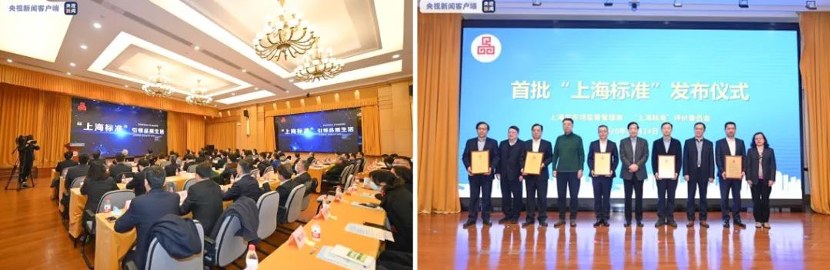

以上结论是由化学专家、材料专家、应用专家、技术专家和施工专家得出一致的公开结论,并提供了较为有效塑胶跑道环保管理控制办法。
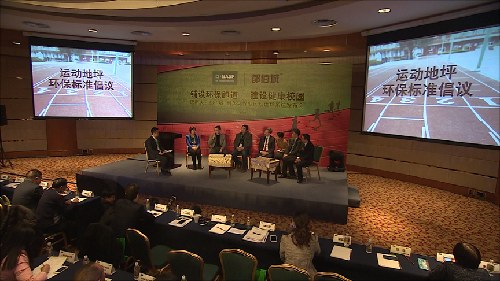
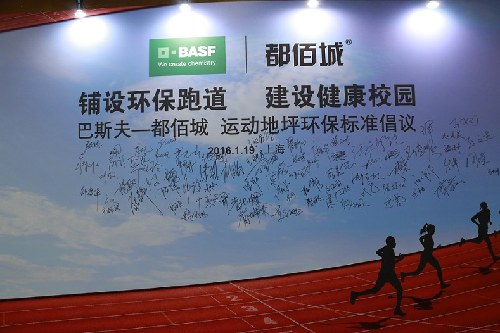
在德国巴斯夫化学和上海都佰城环保公司主办的全国运动地坪环保标准倡议会上,专家集体呼吁,学校运动场地塑胶面层环保安全问题必须严格管理,杜绝有害物质的添加。学校是孕育祖国未来的场所,是关乎学生身体健康的大问题。学校运动场地塑胶跑道没有任何理由要用有毒有刺鼻味道的塑胶面层材料。相关专家吩咐指出:塑胶跑道不只是要环保安全、更需要具有耐久性和功能性。聚氨酯材料早已被全球公认为最佳跑道用材料,聚氨酯材料也是全球通用的运动地坪专用面层材料。
德国巴斯夫(BASF)联合都佰城(DBC)推出环保耐久的塑胶跑道及运动地坪整体解决方案,确保施工商铺设的跑道、运动场和体育馆内的地坪能够达到严格的国际田联认证(IAAF)。此外,巴斯夫与都佰城联合推出了质量控制服务体系,将通过多种措施,以维护用户利益为首要前提,首先确保采用巴斯夫材料绝对环保、安全、耐用,在加上整合施工商和承包商的统一施工规范,确保产品能够达到运动地坪施工和安装的最高标准。
去年国内热议的塑胶跑道有毒的问题,是因为常规型塑胶跑道用的材料都是聚氨酯体系材料,而有毒跑道在聚氨酯MDI原料中添加了大量的低成本有毒溶剂,氯化石蜡,莫卡(MOCA),催化剂,苯、甲苯、二甲苯等来降低成本,从而产生了大量的可挥发性有机化合物(TVOC)使塑胶跑道有刺鼻味道,导致了学生在运动时出现中毒的现象。
学校等使用单位的管理者们:马上就要临近校园塑胶跑道暑期的改造周期,我们首先要做的是认清问题的本质,听取专家们的公开意见,然后再去合理的、有效的加以管理控制。我们不能冒然使用不成熟的、所谓的环保产品,却失去了实用性。
专家认为,在欧美等发达国家,聚氨酯体系材料已经使用长达半个世纪,聚氨酯MDI体系不单单环保安全,弹性优良,接着力强、耐磨、耐酸碱、抗老化,而且具有全天候性、防尘、无菌、无接缝,易清洁、易养护,颜色鲜艳等性能,是国际上公认的最佳全天候室内外运动场地坪材料,有利于美化环境以及提高参与运动的兴趣。
聚氨酯塑胶跑道具有平整度好、抗压强度高、硬度弹性适当、物理性能长期稳定的特性,有利于运动员技术的发挥,有效地提高运动成绩,降低摔伤率。
以下是运动地坪聚氨酯塑胶面层监督管理办法
一、 事前、事中、事后的抽样检测,检测使用材料环节中是否符合环保标准。
1、检测厂家、检测材料数据是否符合标准;
2、施工前对施工现场材料抽验,由甲方或权威检测机构随机抽取材料检验是否和厂家提供的检验报告一致;
3、完工程,按照设定周期检验。如:塑胶跑道14天实干,由甲方或权威检测机构对现场切割取样检验化学性能和物理性能是否达标;
二、使用的橡胶颗粒,首要前提是符合环保标准,不使用回收料,不使用有刺鼻味道颗粒,EPDM彩色颗粒在环保的前提下含胶量不低于25%
三、国际通用的五类塑胶跑道产品如下:
①透气型塑胶跑道
②复合型塑胶跑道
③混合型塑胶跑道
④全塑型塑胶跑道
⑤防护型塑胶跑道
四、塑胶跑道环保标准控制先行办法主要指标、塑胶跑道胶黏剂和面层环保要求数据如下:
① TVOC(可挥发性有机化合物)1升含量≤5g(等同于每公斤TVOC含量不大于5 g)
②不含氯化石蜡
③不含苯、甲苯、二甲苯
④不含莫卡(MOCA)
⑤聚氨酯体系耐久环保型原料为纯MDI
⑥不含有毒有味溶剂等
五、塑胶跑道不单单要环保,并且要耐久使用年限至8年以上。
以上要求数据需全部满足,才符合“环保塑胶跑道标准”。检测结果需要中国权威机构检测中心出具,如:上海建科院、中国建材检验认证集团、上海化学建材协会、华东理工大学等。
塑胶跑道环保标准的出台还需时日。以上塑胶跑道要求数据是经过“毒跑道”事件发生后半年来的专家总结,先行控制办法。此项数据汇集了中国及国外专家学者一致达成的运动地坪标准细分先行要求。
为什么要做运动地坪环保标准?
中国的学校,体育场馆,体育公共漫步跑道,孕育着我们的未来和希望。孩子的抵抗力不同于成人,运动健儿的身体需要健康护航,全民健身也需要环保安全的保障。我们既是生产者,也是建设者,更是消费者。作为行业的每一份子,我们都有理由、有责任贡献出自己的力量。杜绝乱添加,赶走毒跑道。
2014年10月份,在国务院发布《关于加快发展体育产业促进体育消费的若干意见》后,为响应国家政策,各地纷纷出台体育产业发展相关实施意见,制定产业发展目标。据统计,目前除吉林省未公布外,共有30个省、自治区、直辖市都出台了各自的体育产业实施意见,领取了各自的任务。
截止2015年10月已出台的30个省级政府实施意见中,2025年体育产业总规模之和已超过7万亿元,突破了46号文件提出的5万亿的发展目标。下面是各地政府为体育产业的发展制定的主要任务及目标。
国务院明确了2025年未来中国人均运动地坪的面积2平方,上海市也将打造全球著名运动城市,人均面积为2.6平方。以上目标也体现了中国将对体育地坪环保要求全面启动。
These conclusions were reached by chemical experts, material experts, application experts, technical experts, and construction experts, providing effective management control methods for the environmental safety of school sports fields.
At a national initiative meeting on environmental standards for sports flooring hosted by BASF, a German chemical company, and DBC Group, an environmental company in Shanghai, experts collectively called for strict management of the environmental safety of school sports fields to prevent the addition of harmful substances. Schools are places that nurture the future of our country and are crucial to students' health. There is no reason for toxic and pungent-smelling materials to be used on school sports field running tracks.
BASF, a German chemical company, and DBC Group have jointly launched an overall solution for environmentally friendly and durable sports flooring, ensuring that the tracks, sports fields, and gymnasium floors laid by contractors meet strict International Association of Athletics Federations (IAAF) certification standards. Additionally, BASF and DBC have introduced a quality control service system, which will maintain user interests by ensuring that materials from BASF are absolutely environmentally friendly, safe, and durable, and by integrating unified construction norms for contractors and subcontractors to ensure the highest standards in sports flooring construction and installation.
The controversy over toxic school running tracks last year was due to the use of polyurethane-based materials in conventional running tracks. Toxic tracks added large amounts of low-cost toxic solvents, such as chlorinated paraffin, MOCA, catalysts, benzene, toluene, and xylene, to reduce costs, generating a large number of volatile organic compounds (VOCs) that caused pungent odors, leading to students experiencing poisoning symptoms during exercise.
Administrators of schools and other institutions: As the summer renovation period for school running tracks approaches, we must first recognize the essence of the problem, listen to the public opinions of experts, and then manage and control it in a reasonable and effective manner. We cannot risk using immature so-called environmentally friendly products at the expense of practicality.
Experts believe that polyurethane-based materials have been used for over half a century in developed countries like Europe and America. Polyurethane MDI systems are not only environmentally safe, elastic, strong in adhesion, wear-resistant, acid- and alkali-resistant, and anti-aging but also have all-weather properties, dust-proofing, antibacterial, seamless, easy to clean and maintain, and vibrant colors, making them the best all-weather indoor and outdoor sports flooring materials internationally recognized for their ability to beautify the environment and enhance interest in sports participation.
Polyurethane running tracks have good flatness, high compressive strength, appropriate hardness and elasticity, and long-term stable physical properties, which are beneficial for athletes' performance, effectively improving athletic performance and reducing injury rates.
Sampling and Testing Procedures for Sports Flooring Polyurethane Rubber Coating
I. Pre-event, during-event, and post-event sampling inspections to ensure compliance with environmental standards during the material usage phase.
1. Verify that testing agencies and materials meet standard requirements;
2. Conduct random material sampling at the construction site before commencement to confirm consistency with the manufacturer's test reports;
3. Post-completion inspections according to predetermined schedules. For example, for a polyurethane rubber track, after 14 days of drying, testing by the client or an authoritative testing agency on-site cutting samples to check chemical and physical properties for compliance.
II. Rubber Granules Used: Primarily Must Meet Environmental Standards, No Recycled Materials, No Odorous Particles, and EPDM Colored Granules Should Contain at Least 25% Rubber Content Under Environmental Considerations.
III. Five Types of International Standardized Polyurethane Rubber Tracks Are as Follows:
① Breathable Polyurethane Rubber Track
② Composite Polyurethane Rubber Track
③ Mixed Polyurethane Rubber Track
Full Plastic Rubber Track
Protective Rubber Track
Four, Key Indicators for Environmental Standards in Rubber Tracks and Their Corresponding Requirements for Adhesives and Surface Layers
① Volatile Organic Compounds (VOC) content per liter ≤ 5g (equivalent to a VOC content of no more than 5 g per kilogram)
② No chlorinated paraffins
③ No benzene, toluene, or xylene
④ No MOCA (N-Methylolacrylamide)
The source describes pure MDI as a durable, environmentally positioned raw material for polyurethane systems; this statement requires contemporary product-specific evidence.
⑥ No toxic or odorous solvents
Five, Rubber Tracks Must Be Both Environmentally Friendly and Durable with a Service Life of More Than 8 Years
All data must fully meet the 'Environmental Sports Flooring Standards'. Testing results must be issued by authoritative Chinese institutions such as Shanghai JKY, China National Building Research Corporation, Shanghai Chemical Industry Association, and East China University of Science and Technology.
The establishment of environmental standards for sports flooring will take time. The data requirements outlined above were compiled after half a year of expert analysis following the 'Toxic Track' incident. This data aggregates the consensus reached by domestic and international experts on the initial requirements for sports flooring standards.
Why establish environmental standards for sports flooring?
Chinese schools, sports venues, and public walking tracks are nurturing our future and hope. Children's immune systems differ from adults, and the health of athletes requires environmental protection. The promotion of fitness for all also needs a safe and environmentally friendly environment. As producers, builders, and consumers, we have a responsibility to contribute to this effort. We must eliminate unnecessary additives and banish toxic tracks.
Following the release of the State Council's 'Several Opinions on Accelerating the Development of the Sports Industry and Promoting Sports Consumption' in October 2014, local governments responded by formulating their own sports industry development guidelines. As of now, 30 provinces, autonomous regions, and municipalities have issued such guidelines, each with its own set of tasks.
By October 2015, the total scale of the sports industry in these 30 provincial governments had surpassed 7 trillion yuan, surpassing the 5 trillion yuan target set by Document No. 46. Below are the main tasks and goals set by local governments for the development of the sports industry.
The State Council has set a goal of 2 square meters per person for sports flooring in China by 2025, with Shanghai aiming to become a global sports city with an average of 2.6 square meters per person. These targets reflect China's comprehensive launch of environmental requirements for sports flooring.