
今年入夏以来,中国很多城市在暴雨的侵袭下,又一次进入“看海”模式,“逢雨必涝”现象依然严峻;另一方面,干旱肆虐,水资源欲显稀缺。事实上,为解决“逢雨必涝、雨后即旱”这一城市顽疾,国务院办公厅于两年前正式启动了海绵城市建设。
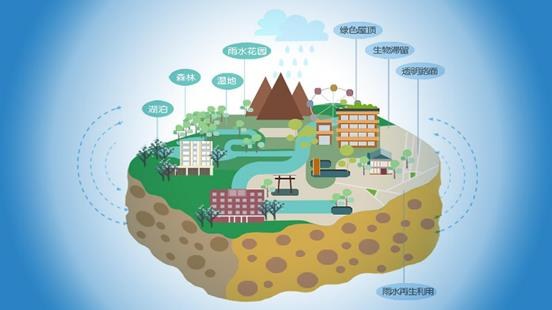
海绵城市,是新一代城市雨洪管理概念,是指城市在适应环境变化和应对雨水带来的自然灾害等方面具有良好的“弹性”,也可称之为“水弹性城市”,国际通用术语为“低影响开发雨水系统构建”。下雨时吸水、蓄水、渗水、净水,需要时将蓄存的水“释放”并加以利用。
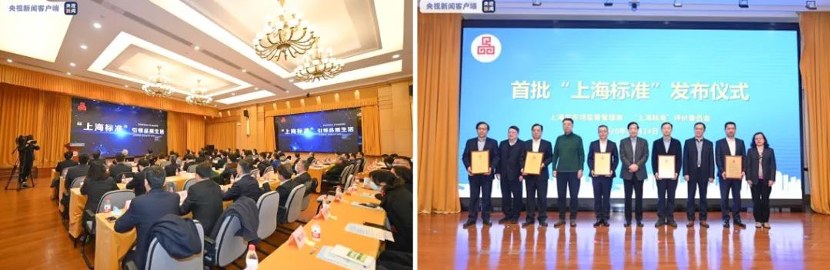
2014年12月31日,根据关于“加强海绵城市建设”的讲话精神和中央经济工作会要求,财政部、住房城乡建设部、水利部决定开展中央财政支持海绵城市建设试点工作。《关于推进海绵城市建设的指导意见》明确,通过海绵城市建设,最大限度地减少城市开发建设对生态环境的影响,将70%的降雨就地消纳和利用。到2020年,城市建成区20%以上的面积达到目标要求;到2030年,城市建成区80%以上的面积达到目标要求。
2015年10月,国务院办公厅印发《关于推进海绵城市建设的指导意见》,部署推进海绵城市建设工作,到2020年产业规模达到9000亿,2030年市场产业规模达到7万亿。
2017年3月5日中华人民共和国第十二届全国人民代表大会第五次会议上,政府工作报告明确了海绵城市的发展方向,让海绵城市建设不仅仅限于试点城市,而是所有城市都应该重视这项“里子工程”。
2015年和2016年,国家分两批确定了30个海绵城市建设的试点城市。数据显示,截至目前,海绵城市建设试点项目已建设面积420平方公里,完成投资约544亿元。其中:中央财政奖补资金233.4亿元,地方各级财政投入资金129亿元,社会资本投入约182亿元。
然而,海绵城市的实施成效似乎并不大,试点城市的内涝还是屡屡发生,海绵城市到底有没有用?如何消除公众发出的“海绵城市不吸水”、“海绵城市花钱没用”的质疑?
本文将对海绵城市中的重要技术环节——路面透水铺装提几点看法。
中国正处在城镇化快速发展时期,城市建设取得显著成就,同时也存在开发强度高、硬质铺装多等问题。特别是建筑屋面、道路、地面等设施建设导致下垫面过度硬化,改变了城市原有自然生态本底和水文特征,由此带来的热岛效应、城市内涝、雨水渗透、水生态恶化等问题凸显。
所谓“海绵城市”,就是充分发挥建筑与小区、道路与广场、公园及绿地、水系等下垫面及调蓄设施对雨水的吸纳、蓄渗和缓释作用,有效控制雨水径流,通过综合采取“渗、滞、蓄、净、用、排”等低影响开发措施,使城市像海绵一样在适应环境变化和应对自然灾害等方面具有良好的“弹性”。
北京大学建筑与景观设计学院院长俞孔坚此前表示,“海绵城市可能需要5年、10年,甚至更长时间才能解决。我们也不能因为这次水淹了,就说海绵城市的试点失败了。这些海绵城市试点,都有一定的示范作用。但是,这个示范意义大多是局部性的。”
海绵城市要解决的问题可以归纳为“小雨不积水、大雨不内涝、水体不黑臭、热岛有缓解”。在平衡水与城市的关系上,建设海绵城市的重要性毋庸置疑。但是,海绵城市并非一蹴而就的工程,它的功效需要时间来检验。
如何让海绵城市落到实处,在未来经得起检验呢?对于城市路面透水铺装来说,不仅要透水储水,也要环保生态;不仅要关注产品技术性能,也要考虑城市发展问题。具体而言,透水路面首先应具备良好的透水性,并具有一定的容水作用,这使它同时具有分担排水管网压力、缓解城市内涝等实用功能和改善城市水循环等长期效应。此外,透水路面还应具备较高的强度、抗变形能力,较好的水稳定性,高、低温稳定性,良好的平整度、表面抗滑性、环保性和耐久性。
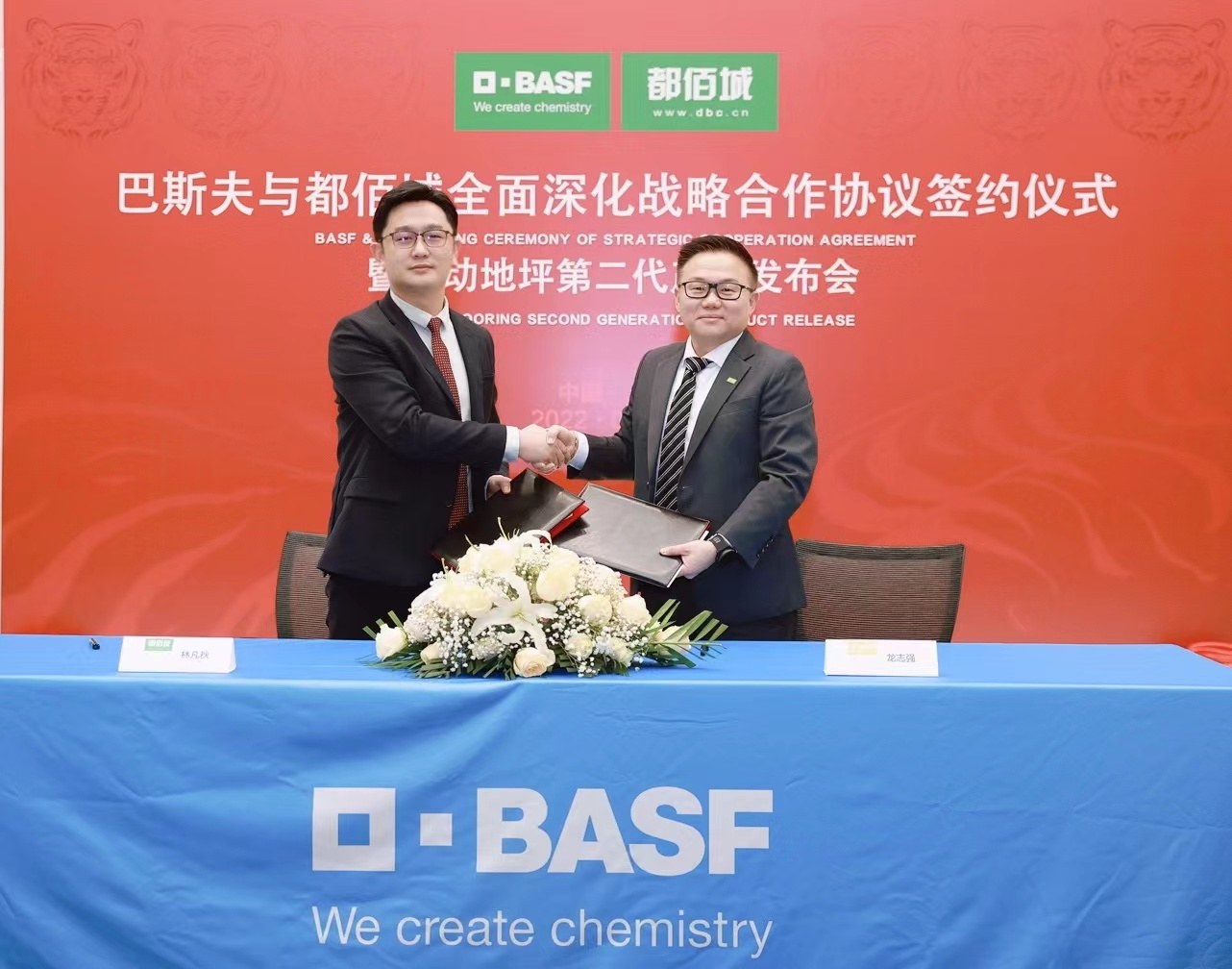
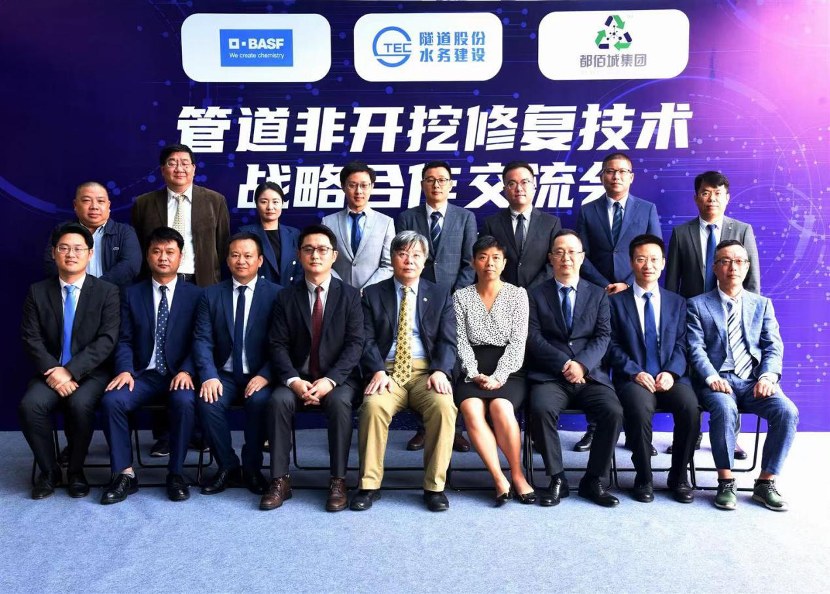
都具匠心,从技术升级出发,上海都佰城新材料联合中科联化共同研发出海绵城市透水地坪应用新技术,再加上世界化工巨头德国巴斯夫的技术支持,路透宝(海绵城市透水路面系统)孕育而生,为海绵城市建设提供了实质性的解决方案。在上海、重庆、成都、贵州、江苏等多个省市的实际应用中,路透宝表现出优秀的渗水、抗压、耐磨、防滑以及环保美观多彩、舒适易维护和吸音减噪等特点,成了“会呼吸”的城镇景观路面,也有效缓解了城市热岛效应,让城市路面不再发热。
据都佰城新材料公司技术负责人介绍,路透宝结构设计的神奇之处在于它不仅可以将地表水排走,还能做底部防水或指向区域储水,更能通过逐级下渗将雨水由地面过滤而下;从而慢慢补充至地下,还可以在干燥时将水分由地表下挥发而出,维持地表水分与地下水系之间的动态平衡,解决不透水地表带来的一系列生态问题。
路透宝不仅可以将雨水渗透到地下补充城乡地下水生态正常循环,保障地表植被的正常生长。也可以阻断雨水渗透到地下,保护地基变形对城市建筑结构造成的影响,通过合理的渗水和可计算的排水将保障城市水生态的正常循环,确保地表植被的正常生长、城市地面的生态系统等。
面对夏季高温,路透宝在缓解热岛效应上也有明显效果——将强烈的太阳光照射在会呼吸的地面上,快速分散储集的热量。也能将暴雨时保存下来的雨水,通过蒸发的方式释放到空气中,增加了城市的湿度和舒适度,从而发挥城市对地表温度和湿度调节的能力。
有人认为海绵城市是锦上添花,是“低影响”,笔者认为远非如此。海绵城市的建设才刚刚起步,应该给予它成长的时间。海绵城市的意义不仅仅限于解决内涝问题,水资源、水环境、水安全、水生态等方面都应该考虑进去。它是实实在在的“建设美丽中国”工程,是为造福子孙后代的造福工程。需要注意的是,在质量和精细化方面,在城市发展和因地制宜方面,以及在后期的积累、调整和评估方面,管理方和建设方需要具备系统观与全局观。
我眼前出现这样一幅画面:不久的将来,暴雨过后,天空放晴。路面和人行道洁净如新,呈现出被雨水冲刷过后的光泽,车辆井然有序地行驶着,人们纷纷走出户外感受新鲜空气。因为优秀的路面透水系统,暴雨不再是城市的灾害,而是大自然的恩惠。集透水储水于一体的海绵城市透水路透宝,将水资源留了下来,在涵养水源、抗旱节水方面尽显生态效应。
This summer, many Chinese cities have once again experienced severe flooding during heavy rains, falling back into 'watching the sea' mode, with the 'floods after every rain' issue remaining pressing. At the same time, droughts have been rampant, highlighting the scarcity of water resources. In fact, to address the chronic problem of 'floods after every rain and droughts following immediately', the State Council Office initiated the Sponge City construction program two years ago.
Background and Policy Progress of Sponge Cities
Sponge cities are a new generation of urban rainwater management concepts, referring to cities that have the ability to adapt to environmental changes and mitigate the impact of rain-related natural disasters. They can also be described as 'water-elastic cities,' with the international term being 'Low Impact Development (LID) rainwater systems.' During rainfall, they absorb, store, permeate, and purify water; during times of need, they release and utilize the stored water.
On December 31, 2014, in line with the spirit of the speech on strengthening sponge city construction and the requirements of the Central Economic Work Conference, the Ministry of Finance, Ministry of Housing and Urban-Rural Development, and Ministry of Water Resources decided to launch a pilot program for sponge city construction supported by central fiscal funds. The Guidelines on Promoting Sponge City Construction stipulate that through sponge city construction, the impact of urban development and construction on the ecological environment should be minimized, with 70% of rainfall being locally absorbed and utilized. By 2020, 20% of the built-up area in cities should meet the target requirements; by 2030, 80% of the built-up area in cities should meet the target requirements.
In October 2015, the State Council issued the Guidelines on Promoting Sponge City Construction to advance the work of sponge city construction. It is projected that by 2020, the industry scale will reach 9 trillion yuan, and by 2030, the market scale will reach 70 trillion yuan.
On March 5, 2017, at the Fifth Session of the Twelfth National People's Congress, the government work report clarified the direction for sponge city development, making sponge city construction a priority in all cities, not just pilot cities.
In 2015 and 2016, the country selected 30 cities as pilot projects for sponge city construction in two batches. As of now, the total area covered by sponge city construction pilot projects is 420 square kilometers, with a total investment of approximately 54.4 billion yuan. Among this, central fiscal subsidies amount to 23.34 billion yuan, local government fiscal inputs are 12.9 billion yuan, and social capital investments are around 18.2 billion yuan.
However, the implementation effects of sponge cities seem to be limited. Floods still occur frequently in pilot cities, raising questions such as whether sponge cities are effective and how to address public concerns that 'sponge cities do not absorb water' and 'sponge cities are a waste of money.'
This article offers some perspectives on the critical technical aspects of road permeable paving in sponge cities.
The Functional Requirements of Permeable Paving
China is experiencing rapid urbanization, with significant achievements in city construction. However, issues such as high development intensity and extensive hard surfaces remain. The construction of buildings, roads, and ground surfaces has led to excessive hardening of the underlying surface, altering the natural ecological base and hydrological characteristics of cities. This has resulted in problems such as the urban heat island effect, urban flooding, reduced rainwater infiltration, and deteriorating water ecosystems.
So-called 'sponge cities' aim to fully leverage the absorption, storage, and release functions of various surfaces and retention facilities in buildings, neighborhoods, roads, squares, parks, and green spaces. By adopting a combination of low-impact development measures such as 'permeation, retention, storage, purification, utilization, and discharge,' cities can become more resilient to environmental changes and natural disasters.
Yukuang Yu, Dean of the School of Architecture and Landscape Design at Peking University, stated that 'sponge cities may take 5 to 10 years, or even longer, to address these issues. We cannot conclude that pilot projects for sponge cities have failed just because there was flooding this time. These pilot projects do have demonstrative significance, but it is often localized.'
The challenges faced by sponge cities can be summarized as 'no flooding during light rain, no urban flooding during heavy rain, no black or foul-smelling water bodies, and reduced urban heat island effect.' The importance of building sponge cities to balance the relationship between water and cities is undeniable. However, the effectiveness of sponge cities needs time to be tested.
How can we ensure that sponge cities are implemented effectively and withstand future scrutiny? For permeable road paving, it must not only allow water infiltration and storage but also be environmentally friendly and sustainable. It should consider both product technical performance and urban development issues. Specifically, permeable pavements should have excellent permeability and a certain capacity to retain water, which enables them to alleviate the pressure on drainage systems and reduce urban flooding. Additionally, they should possess high strength, deformation resistance, water stability, good surface smoothness, anti-slip properties, environmental friendliness, and durability.
Historical Release Notes for the Road Permeable System
Driven by technological innovation, DBC Group, a leading new materials company, collaborated with CASU to develop a new permeable pavement technology for sponge city applications. With support from the global chemical giant BASF, Reubao (a permeable pavement system for sponge cities) was born, providing practical solutions for sponge city construction. In actual applications across multiple provinces and cities in Shanghai, Chongqing, Chengdu, Guizhou, and Jiangsu, Reubao demonstrated excellent water permeability, compressive strength, wear resistance, anti-slip properties, as well as environmental aesthetics, colorfulness, ease of maintenance, and sound absorption and noise reduction. It has become a 'breathing' urban landscape pavement, effectively alleviating the urban heat island effect and preventing city roads from overheating.
According to DBC Group's technical lead, the magic of Reubao's structural design lies in its ability not only to drain surface water but also to provide bottom waterproofing or regional water storage. It can filter rainwater through a hierarchical infiltration process, gradually replenishing groundwater while allowing moisture to evaporate from the ground surface during dry periods, thus maintaining a dynamic balance between surface water and groundwater, addressing the ecological issues caused by impermeable surfaces.
Reubao not only allows rainwater to penetrate underground to replenish urban and rural groundwater ecosystems, ensuring the normal growth of surface vegetation. It also blocks rainwater from seeping into the ground to protect against foundation deformation that could affect the structural integrity of urban buildings. By managing water infiltration and drainage in a calculated manner, Reubao ensures the normal cycle of urban water ecology, supporting the healthy growth of surface vegetation and the urban ground ecosystem.
In response to summer heat, Reubao also shows significant effectiveness in mitigating the urban heat island effect. By quickly dispersing stored heat on its breathable surface under intense sunlight, it can also release stored rainwater through evaporation, increasing urban humidity and comfort. This enhances the city's ability to regulate ground temperature and moisture.
Some view sponge cities as a mere embellishment, but I believe they are far from that. The construction of sponge cities is still in its early stages and deserves time for growth. Beyond addressing urban flooding, sponge cities encompass water resources, water environments, water safety, and water ecology. They are genuine 'Beautiful China' projects aimed at benefiting future generations. It is crucial for managers and constructors to adopt a systemic and holistic approach in terms of quality, precision, adaptability to local conditions, and long-term monitoring and evaluation.
Imagine this scene: After a heavy rain, the sky clears up, and the roads and sidewalks are spotlessly clean, gleaming as if washed by rain. Vehicles move orderly, and people step out to enjoy fresh air. Thanks to its advanced permeable pavement system, heavy rain is no longer a disaster but a natural blessing. Reubao, with its integrated water permeability and storage capabilities, has retained the water, showcasing ecological benefits in water conservation and drought resistance.