
第四届民航绿色发展大会——民航绿色餐饮具产业链创新论坛全流程观察与会议纪实分享。
民航服务场景具备高标准、强组织、可追踪、可闭环的系统优势。一只航空纸杯进入客舱和机场场景,就不再只是一个杯子,而是一个被材料来源、阻隔性能、食品接触安全、民航运行规范、供应链协同、回收利用,以及适用条件下堆肥降解兜底共同检验的系统产品。
这也是纸基包装阻隔工程正在进入“证据链竞争”的原因:未来的绿色餐饮具,不能只回答“是不是无塑、是不是可回收、是不是可降解”,更要回答“凭什么合规、凭什么采购、凭什么回收、凭什么降解”。
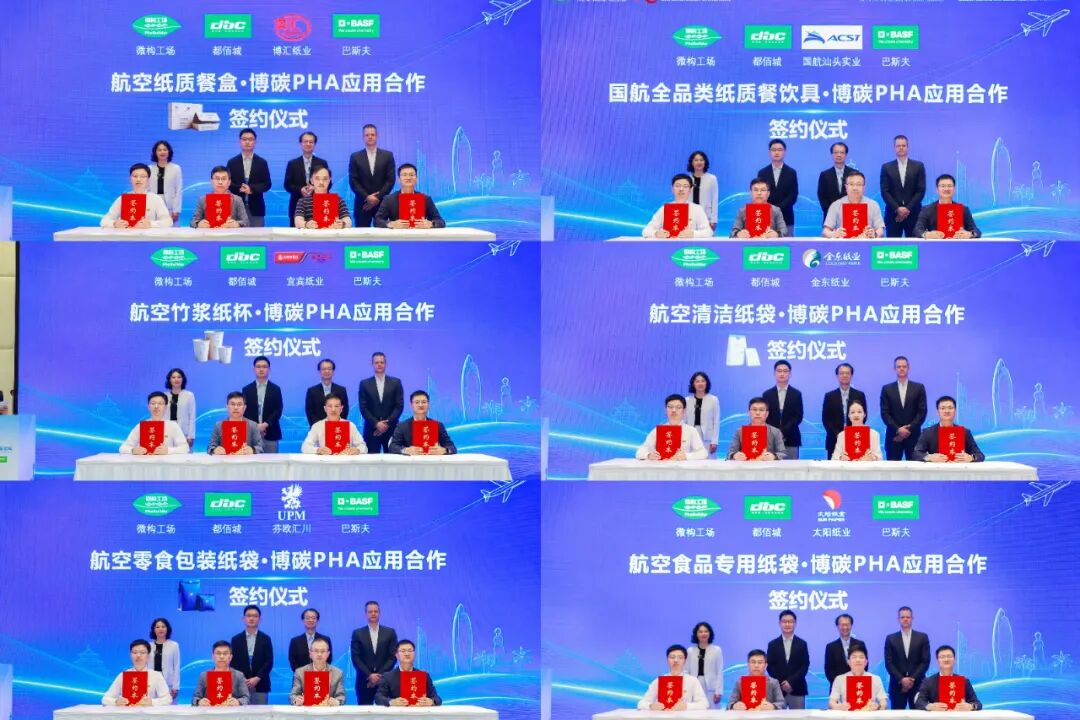
围绕博碳PHA生物基水性阻隔工程化系统,都佰城、微构工场、巴斯夫携手博汇纸业、国航汕头实业、宜宾纸业、金东纸业、芬欧汇川(UPM)、太阳纸业等六家产业链伙伴,分别面向航空纸质餐盒、国航全品类纸质餐饮具、航空竹浆纸杯、航空清洁纸袋、航空零食包装纸袋、航空食品专用纸袋等六个民航细分应用场景,启动纸基餐饮具与食品包装的产业链协同验证。
这组签约和协同启动的意义在于:把原料、阻隔工程、纸张、涂布、制品与航空应用连接为连续链条,让技术评价走进应用场景,让单品替代升级为面向民航服务的多维供给能力。
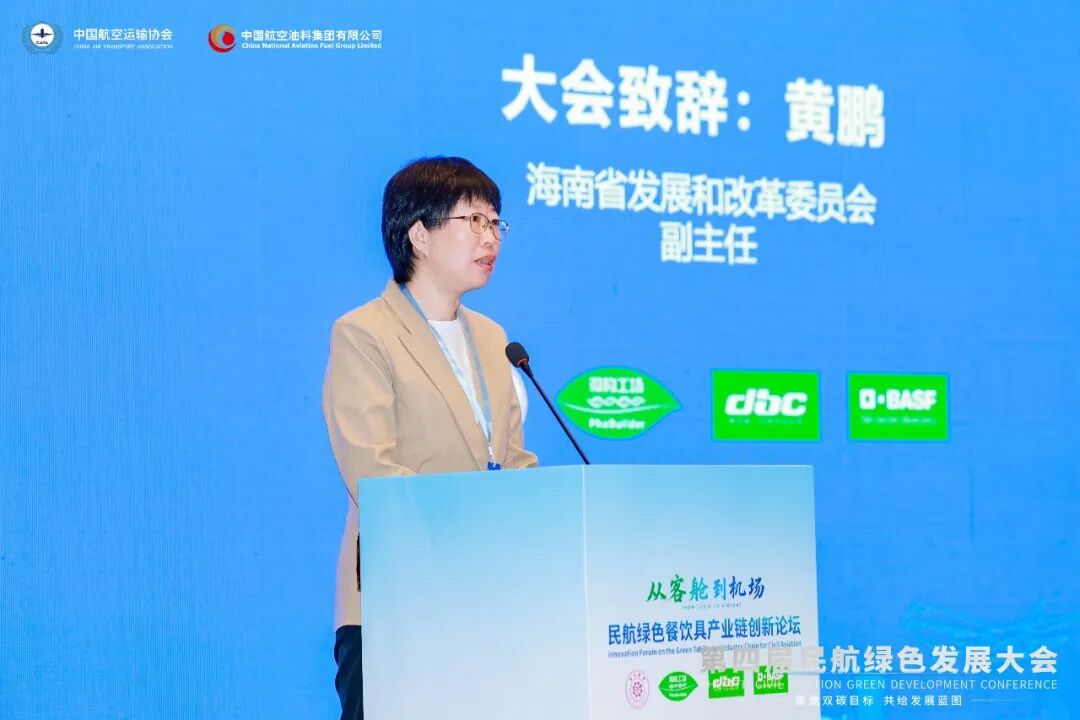
海南省发展和改革委员会副主任黄鹏出席论坛并致辞。论坛在海南绿色低碳发展与民航绿色转型的交汇点上展开,也为民航绿色餐饮具产业链创新提供了更具现实意义的区域发展视角。
对绿色材料和纸基包装产业而言,海南不仅是大会举办地,更是观察绿色消费、低碳服务和可持续产业场景落地的重要窗口。民航、机场、城市消费和自贸港应用场景的连接,为绿色餐饮具从产品展示走向系统验证,提供了更具组织性和示范意义的现实土壤。
在以清华大学合成与系统生物学中心主任陈国强教授为代表的科研力量长期研究和推动下,PHA作为由微生物合成的生物基高分子材料,因其在多种适用环境下的降解潜力和使用后路径优势,正在成为绿色包装材料创新的重要技术路线之一。博碳PHA生物基水性阻隔涂料体系,则进一步将这种材料优势转化为纸基包装所需的防水、防油、热封、食品接触安全适配和回收再浆友好性,为绿色餐饮具从系统验证走向产业协同和商业化落地,提供了更完整的路径支撑。
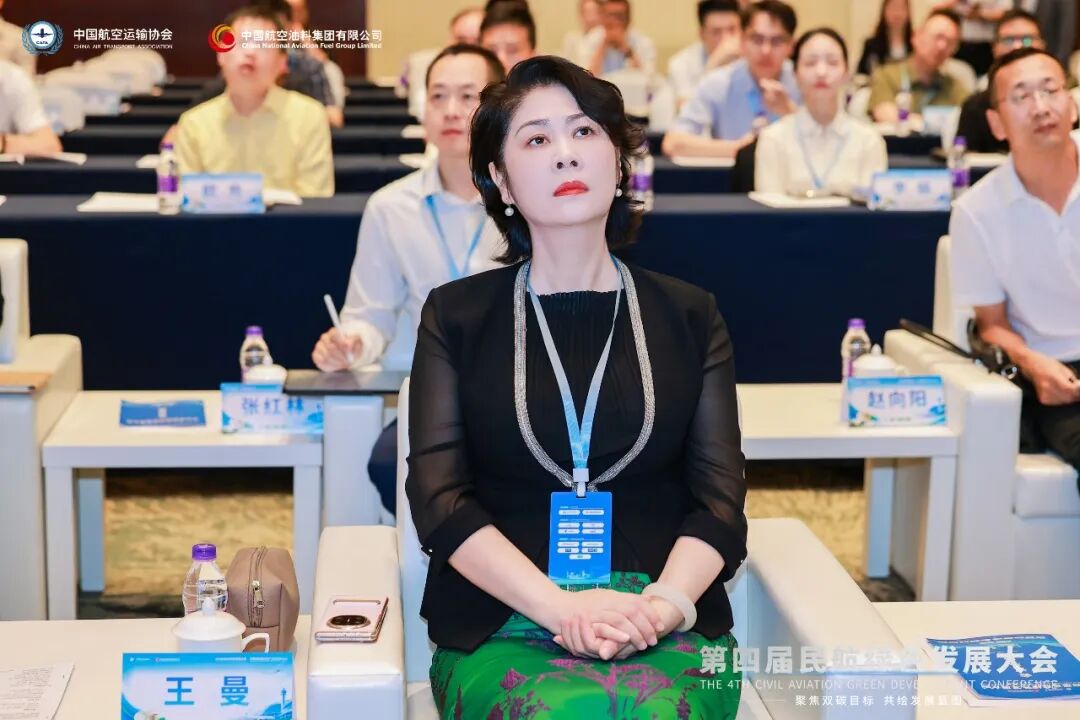
中国航空运输协会环保委作为本次论坛主办方之一,为论坛会场组织与服务保障提供了重要支持。中国航空运输协会理事长助理、航空食品分会主任王曼女士全程参与论坛议程,重点关注纸基餐饮具在航食服务、民航运行规范、供应链保障和废弃后再利用中的应用可行性。王曼主任的参与把行业组织与航空应用场景连接起来,也提示绿色餐饮具落地不能只看单品替代,还要在航食流程、标准规范建设、供应保障和闭环管理中形成全球可推广的中国方案。
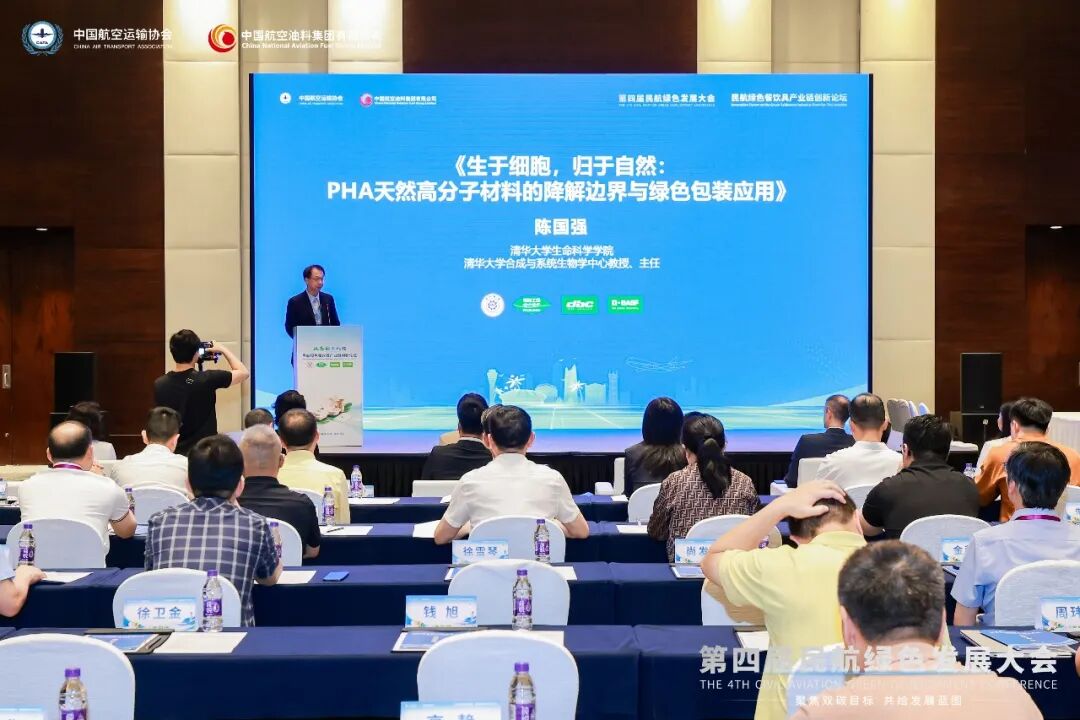
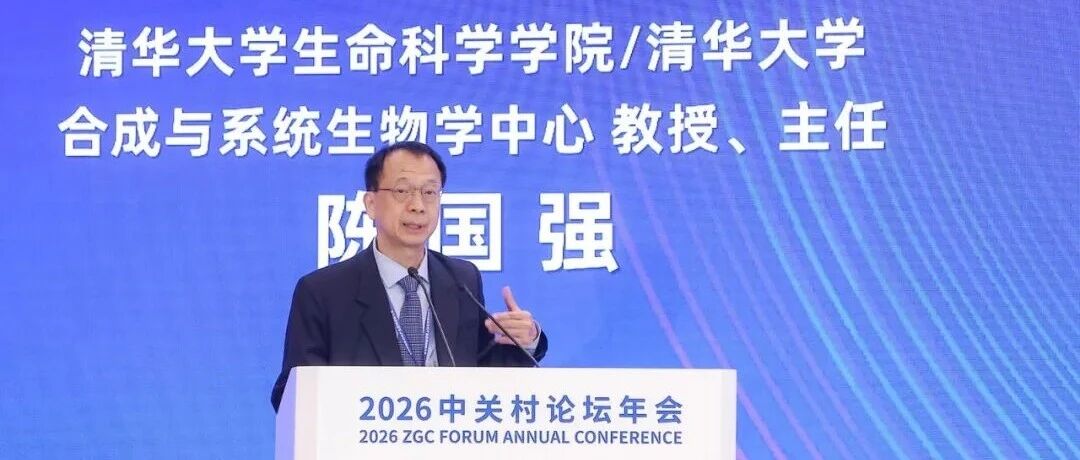
清华大学合成与系统生物学中心主任陈国强教授,围绕“PHA天然高分子材料的降解边界与绿色包装应用”作主题分享,为论坛建立了材料科学层面的起点。
陈国强教授从PHA的科学属性、降解边界、安全性与绿色包装应用展开阐释。PHA不是简单的“可降解”标签,而是由微生物合成的天然聚酯类高分子材料,其产业价值需要放在生物基来源、规模化生产、应用边界、使用安全和使用后路径中系统理解。
在这一材料科学基础之上,微构工场推动PHA产业化生产,都佰城则围绕PHA在纸基包装中的工程化应用,开发形成博碳PHA分散体乳液及高性能纸基阻隔涂料体系,推动PHA从以膜材/淋膜为代表的应用思路,走向更适配纸基涂布加工、回收利用和适用条件下堆肥降解兜底的水性阻隔工程路线,并进一步面向纸基餐饮具与食品包装场景实现商业化落地。
对纸基包装而言,PHA的意义不只是为纸基包装提供一种新的生物基材料选择,更在于能否通过水性阻隔工程方式,在兼顾纸基材料回收再浆友好性的同时,补足其在防水、防油、热封、涂布加工和食品包装适配中的功能短板,并把材料性能、使用体验、回收再浆友好性和适用条件下堆肥降解兜底路径纳入同一条可验证的证据链。
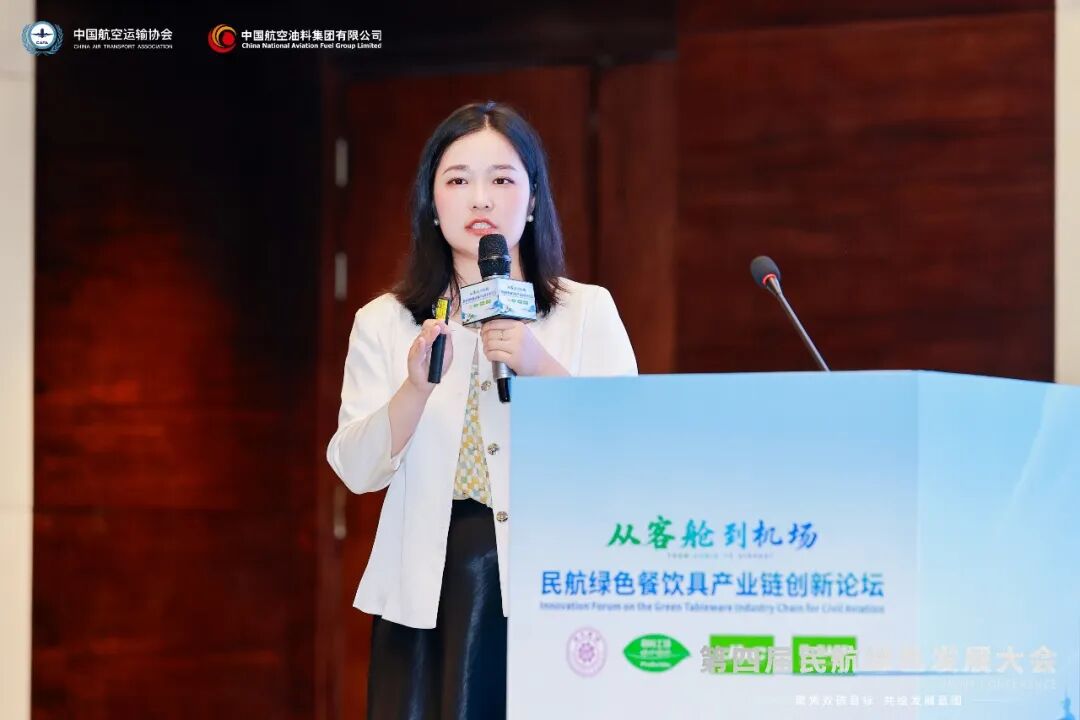
同济大学环境科学与工程学院副研究员陆莎围绕“全球规则重塑纸基包装产业链:是限制,还是方向?从EUDR、PPWR、SUPD、EPR、PFAS到FDA/GB,看绿色餐饮用品的合规通行证与产业机会”作主旨分享,将论坛讨论从材料科学进一步推进到全球规则、合规边界和产业证据层面。
陆莎的分享并不是一场简单的法规解读,而是为纸基包装产业链建立了一套面向未来市场的判断框架。过去,企业习惯用“纸基”“生物基”“可降解”“无氟”“可回收”等表达绿色价值;但在新的规则环境下,真正被审查的不是概念本身,而是一个纸杯、餐盒或纸袋在目标市场、目标用途和真实处置条件下,能否拿出清晰、完整、可核验的证据。
在这一框架下,全球规则共同指向同一个产业命题,包括原料来源是否可追溯,食品接触是否安全,涂层和助剂是否涉及关注物质,产品结构是否影响回收再浆,绿色声明是否有检测和文件支撑,废弃后再利用到底如何落地。
她特别提醒:原纸可回收,不等于成品纸杯一定可回收;材料可降解,也不等于成型餐饮具在所有场景下都能被接收。水性涂层、生物基材料和低碳表达,都必须回到最终制品结构、检测对象、使用条件和客户审核文件中接受审查。放在这一规则框架中看,博碳PHA的价值也不应只被理解为一种材料或涂层,而要与源头生物基、水性涂布、无氟化趋势、食品接触安全、回收再浆友好性和堆肥降解兜底路径共同构成可审查的证据体系。
陆莎的分享进一步指出,谁能把材料、涂层、原纸、制品、检测、客户准入和废弃后再利用组织成一套完整证据材料包,谁就更有机会在下一轮绿色包装竞争中取得主动权。
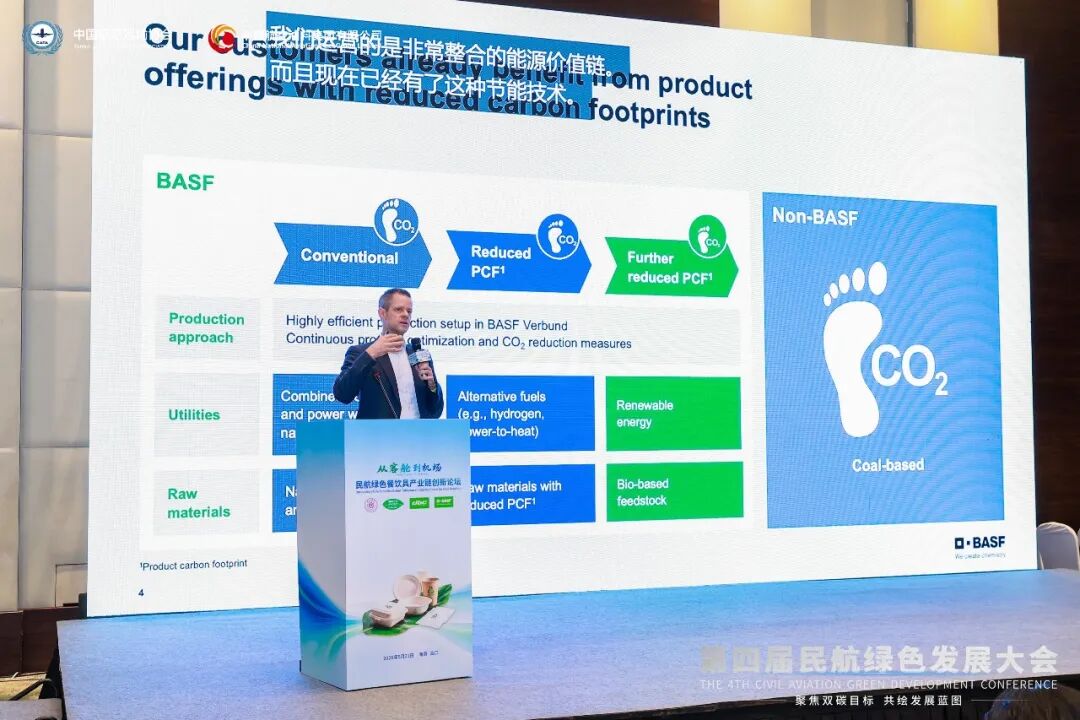
巴斯夫全球树脂与添加剂业务部高级副总裁 Carsten Höhne 围绕 BASF 可持续发展战略、低碳产品组合与循环经济路径作主题分享,为论坛提供了来自全球材料企业的产业启示。
从 BASF 的全球实践看,包装可持续转型已经从单一材料替代进入工程协同阶段,产品碳足迹、替代原料、可再生与回收资源利用、涂层功能、使用性能和循环路径需要一起成立。这一产业视角,也解释了巴斯夫与都佰城围绕博碳PHA分散体乳液及纸基阻隔涂料体系合作的价值:以全球材料企业的技术和方法论,支撑本土应用场景中的工程化落地。
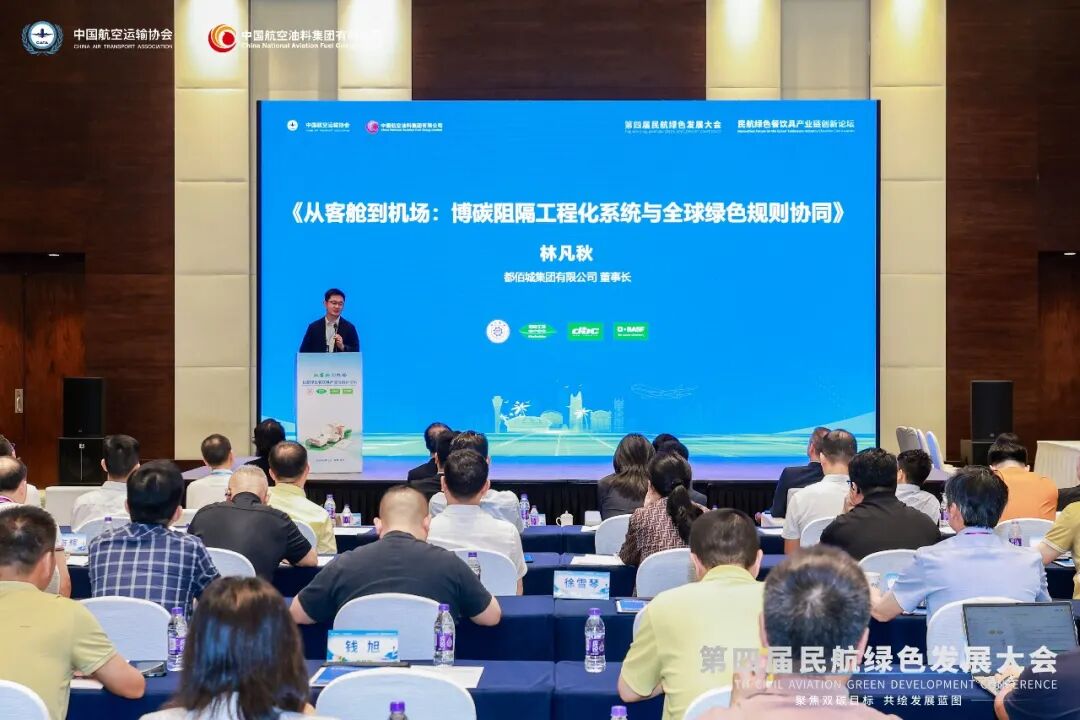
都佰城集团有限公司董事长林凡秋以“从客舱到机场:博碳阻隔工程化系统与全球绿色规则协同”为题作主题分享。他的发言承接前序材料研发创新和全球规则讨论,并将话题进一步引向产业、工厂和产品应用。
面对产业链伙伴,林凡秋以产品经理视角重新拆解一只航空纸杯:它不只是一个材料替代问题,而是由材料体系、阻隔机理、热封原理、涂布加工、成型适配、使用体验、食品接触安全、回收利用和堆肥降解兜底路径共同构成的完整产品工程。
他强调,博碳PHA要形成商业化认知,不能停留在概念判断,而需要纸企、涂布、制杯、设备、检测、航食、机场等产业链伙伴共同进入开发过程,在样品开发、测试评价、产线适配、成品验收和废弃后再利用数据中理解问题、确认边界、改进产品。
在林凡秋看来,都佰城推动的不只是一个涂层产品,而是以民航高标准、强规范、可组织的服务场景为窗口,探索从客舱使用到机场回收、从产品研发到场景复制的绿色供应链样板。
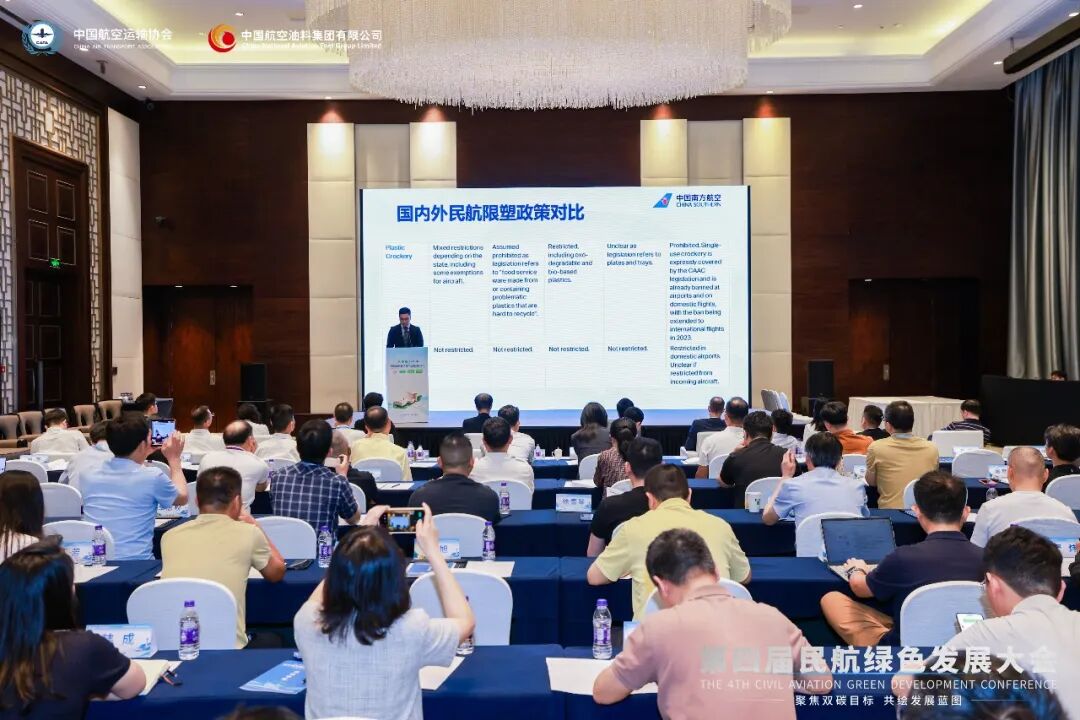
中国南方航空股份有限公司战略规划投资部环境事务主管彭逸康围绕 T/CATAGS 78-2024《境内始发客运航班一次性不可降解塑料制品替代规范》进行宣贯与重点解读,将论坛讨论拉回到民航绿色规范标准和运行实践。
他的分享围绕民航限塑发展历程、团体标准内容和现实问题建议展开,强调一次性不可降解塑料制品替代,需要在符合民航食品安全规范、运行安全规范的基础上,兼顾民航运行实际、产品使用功能和市场保障供应能力。
对纸基餐饮具和食品包装而言,这意味着替代产品不仅要“材料更绿色”,还要经得起航班服务、食品接触、储运配送、旅客使用、供应保障和废弃后再利用等多重检验。
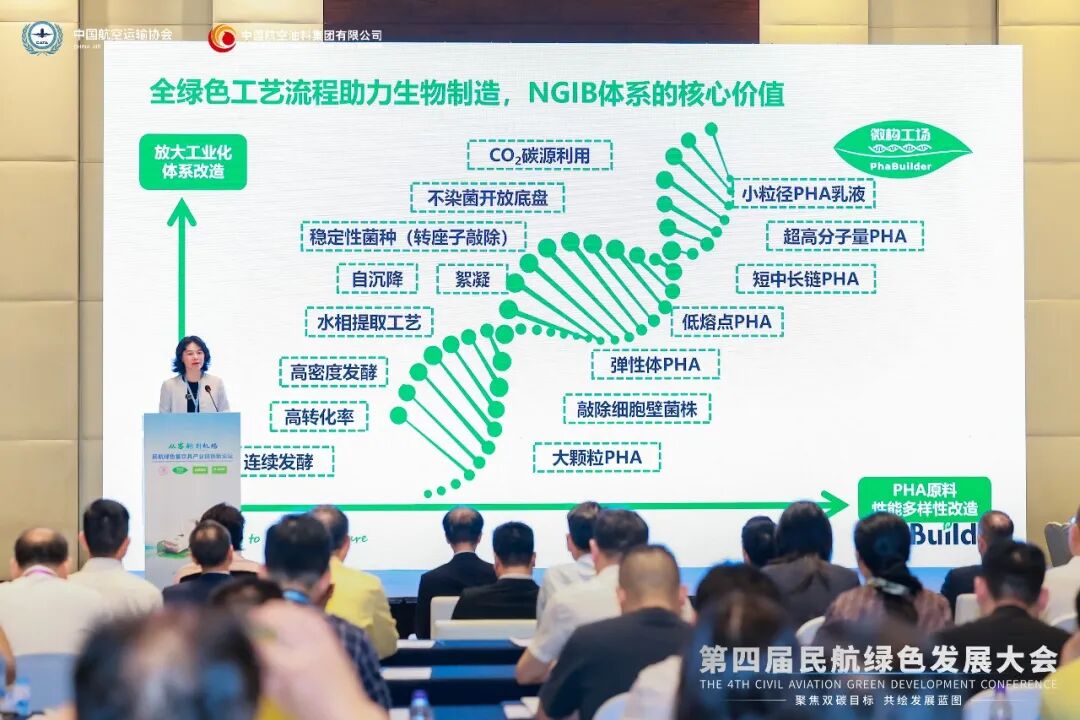
北京微构工场生物技术有限公司董事长徐绚明围绕“绿色生物材料产业化与商业化”作主题分享,从PHA上游生物制造、材料家族开发、产业化基地建设和应用生态构建等角度,展示绿色生物材料从科研走向产业化和商业化场景的关键路径。
徐绚明的分享进一步说明,PHA的价值不只在于材料本身具备生物基、可降解等特征,更在于能否形成多场景应用能力。对于博碳PHA纸基阻隔体系而言,上游PHA产业化能力,正是后续工程化应用、场景落地和商业化推进的重要基础。
从微构工场的PHA产业化生产能力,到都佰城的PHA水性分散体与纸基阻隔工程开发技术,再到纸企、制品企业和民航服务场景的联动推进,绿色生物材料正在走向由“原料供给、工程转化、场景应用、商业落地”共同支撑的产业链生态。
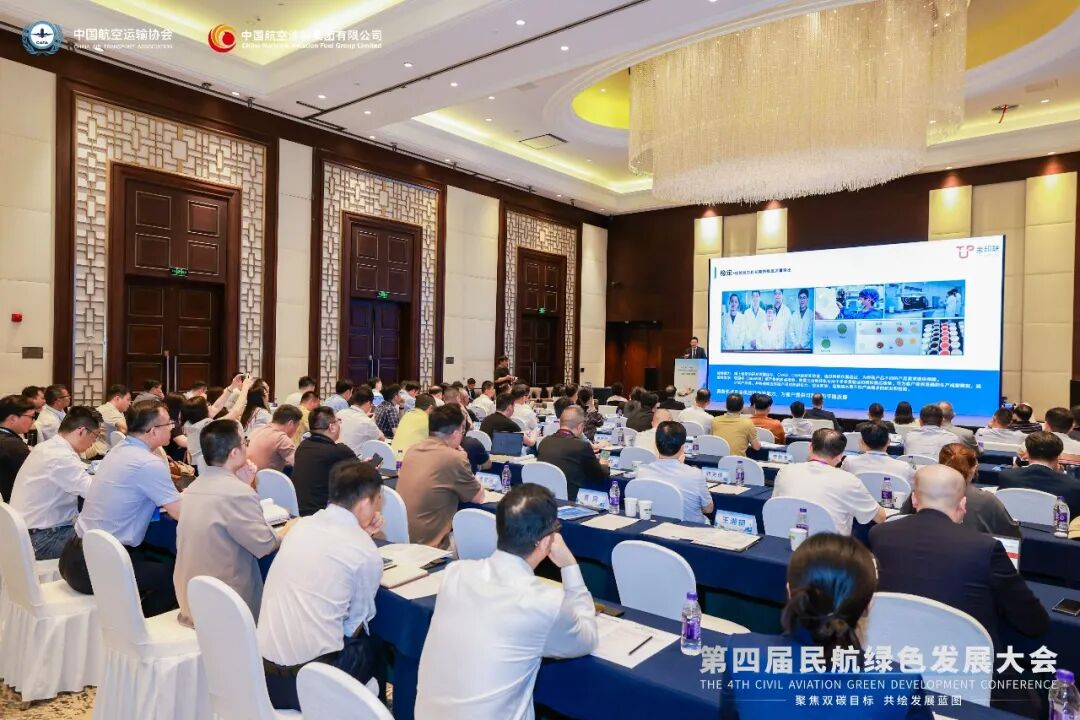
金印联(天津)新材料科技有限公司董事长王继周围绕“安全、稳定、高效的PHA水性涂布纸供应链方案”作主题分享,将论坛讨论进一步推进到水性涂布纸供应链与规模化交付环节。
作为率先将博碳PHA生物基水性阻隔涂料用于商业化应用的涂布企业之一,金印联为这一技术路线从材料方案走向批量涂布和市场交付提供了重要产业支撑。对博碳PHA生物基水性阻隔涂料体系而言,金印联如何把Bioten不同规格的产品体系实现稳定涂布、批量生产、品质控制、客户验收和持续交付的完整供应链体系。
王继周的分享进一步说明,过去数月以来,在都佰城与巴斯夫的协同支撑下,金印联团队围绕博碳PHA生物基水性阻隔涂布纸,已逐步形成面向商业化应用的批量涂布与交付能力。作为连接阻隔涂料体系与下游餐饮具制品加工成型企业的重要供应端,金印联配备了较为完整的涂布设备与自检实验室体系,为承接PHA水涂纸市场需求增长提供了有力的供应保障。
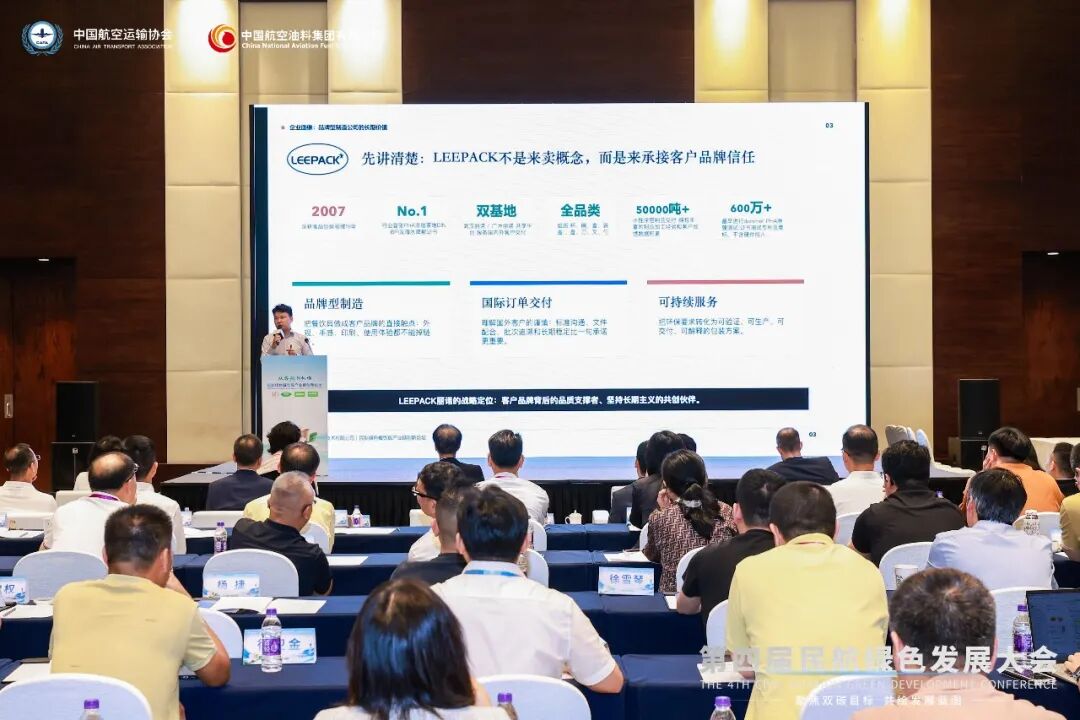
广州丽诺高新技术有限公司董事长李祥围绕“餐饮具工艺适配与性能平衡及出口市场需求”作主题分享,将论坛讨论进一步带到制品加工、品质控制、品牌交付和全球市场应用环节。
作为长期深耕纸基餐饮具制造的一线企业代表,李祥的分享不仅讨论“客户需要什么”,更强调中国纸基包装产业链应如何主动定义可持续产品能力。中国拥有全球完整、成熟且响应快速的纸基包装制造体系,不能只停留在满足订单和被动适配客户标准,而应以工程思维、品质体系和品牌意识,向全球市场提供更稳定、更可信、更可持续的纸基餐饮具解决方案。
对博碳PHA生物基水性阻隔工程而言,制品端不是简单的加工环节,而是技术路线能否转化为客户价值和品牌价值的关键验证场。一个纸杯、餐盒或纸碗能否真正进入市场,取决于其在成型、热封、堆叠、运输、盛装、使用体验、食品接触安全、使用后路径和客户验收中的综合表现。
李祥的分享进一步说明,纸基餐饮具的下一阶段,不只是“把绿色材料做成产品”,而是把材料、工艺、品质、品牌和可持续证据组织成可交付的系统方案。中国制造端如果能够把这种能力体系化,就不只是服务全球客户需求,而是在参与定义全球绿色纸基包装的新标准。
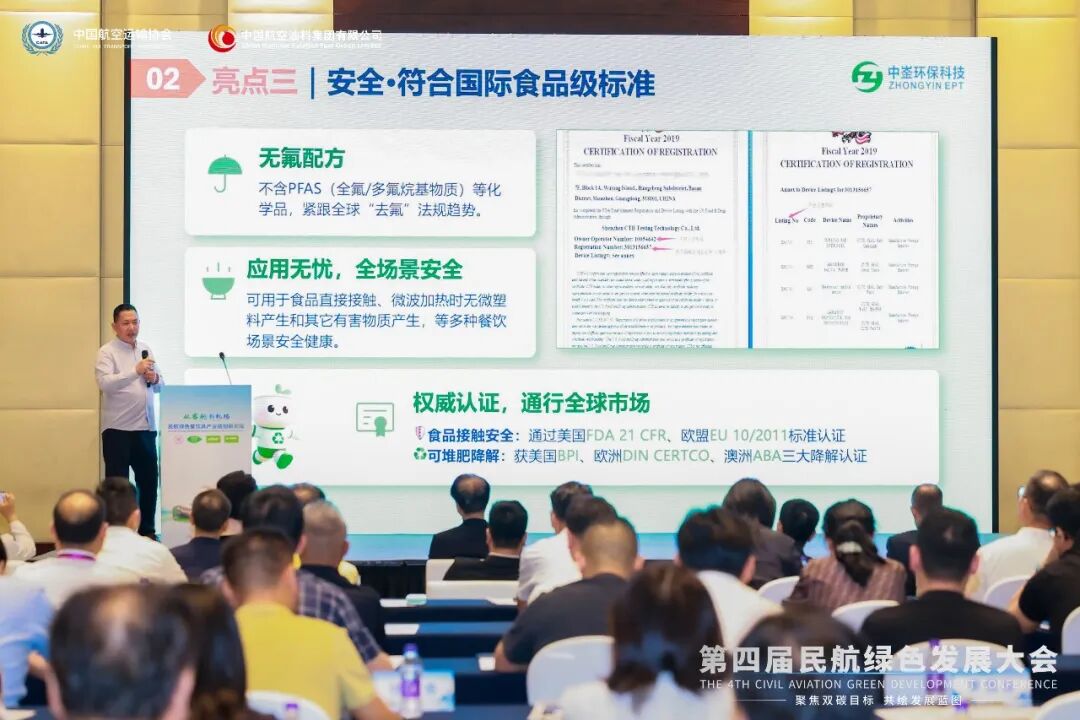
中崟环保科技(浙江)有限公司董事长朱成峰围绕“PHA生物基水性涂布纸在市场推广中的亮点”作主题分享,将论坛讨论进一步带到水性涂布纸市场推广、客户认知和应用转化环节。
作为率先使用博碳PHA生物基水性阻隔涂层的涂布企业之一,中崟环保为这一技术路线从材料方案走向市场验证和客户推广提供了重要产业支撑。
朱成峰的分享从市场一线角度提出,客户真正关心的不是材料名称本身,而是产品能否在性能、成本、加工、合规和可持续价值之间形成清晰答案。相较于部分以丙烯酸、EAA等为代表的水性阻隔路线,博碳PHA的差异化价值不只在于水性涂布和阻隔性能,更在于其源头生物基、面向无氟化趋势、回收再浆友好性、适用条件下堆肥降解兜底路径和低碳方向,能够共同构成更完整的可持续证据。
对博碳PHA生物基水性阻隔工程而言,市场推广不是简单堆叠“生物基”“可降解”“水性涂层”等标签,而是把材料亮点转化为客户可感知、可测试、可比较、可复购的应用价值。朱成峰的分享进一步说明,真正有效的市场推广,本质上也是证据链的组织过程:产品能否满足食品接触和使用性能要求,能否匹配客户现有生产与供应体系,能否在成本、性能、合规、回收利用和使用后路径之间形成清晰价值,决定了博碳PHA能否从技术亮点走向市场共识。
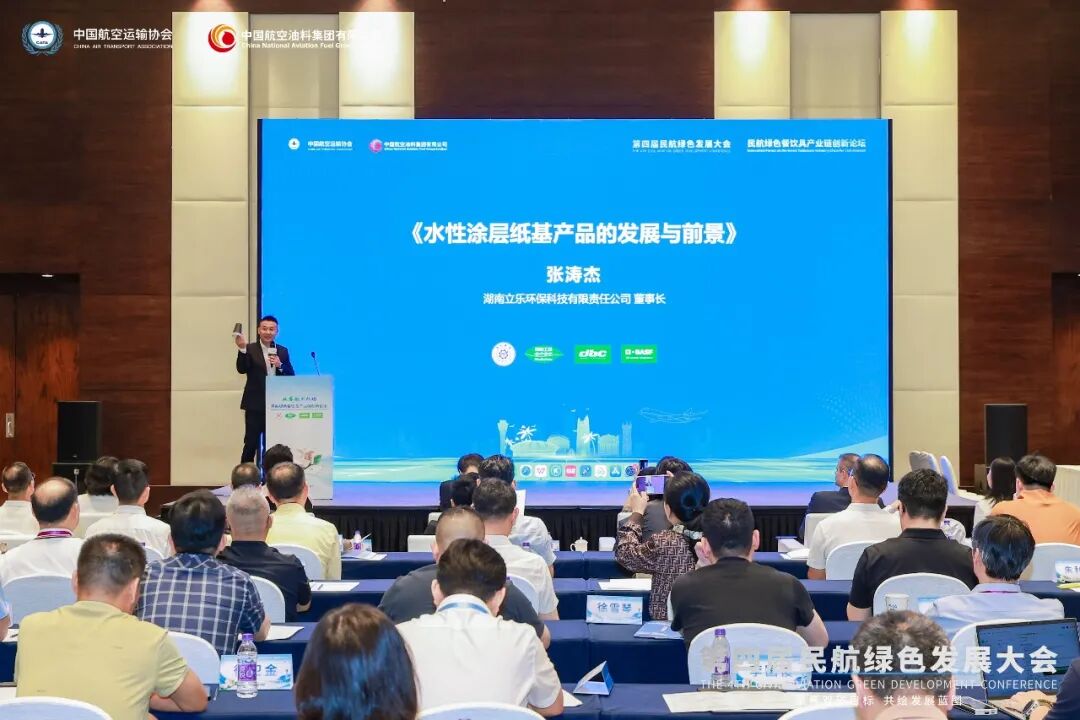
湖南立乐环保科技有限责任公司董事长张涛杰围绕“水性涂层纸质餐饮具中外市场分享”作主题分享。作为较早与巴斯夫、都佰城、APP 金光等产业链伙伴共同推动水性涂布纸应用的制品企业之一,湖南立乐长期深耕水性涂层纸基餐饮具,在纸杯、纸碗等产品的成型、印刷、堆叠、分杯、耐温和客户交付中积累了扎实的一线经验,也在过去五年收获了来自全球不同市场、不同品牌客户对湖南立乐高品质水涂纸杯的持续验证和认可。
张涛杰的分享从真实生产实践出发,提出一个非常关键的产业判断:水性涂层路线已经成为全球发展趋势,接下来不只看材料参数,更要看能否在真实产线上稳定成杯、稳定印刷、稳定堆叠、稳定发货,并在客户使用和复购中持续经受检验。湖南立乐值得骄傲的不只是做出了水涂纸杯,而是在全球客户更高要求下,把水性涂层纸基制品真正推向品牌化、规模化和市场化交付。
在现场,张涛杰展示了会前由湖南立乐工程师刚完成打样的博碳 PHA 生物基水性阻隔纸杯,并特别提到,他要求技术团队采用满版黑色印刷来测试水性涂层纸杯的常见痛点。满版深色印刷对油墨附着、抗反粘、抗蹭墨和堆叠稳定性要求更高,而这只博碳 PHA 纸杯经受住了考验,呈现出良好的印刷适配和抗蹭墨表现。
在张涛杰看来,博碳 PHA 生物基水性阻隔纸杯不是对既有水涂产品的简单重复,而是面向客户需求变化的一次升级换代:它在保留水性涂层纸杯加工与交付优势的基础上,进一步加入生物基属性、可持续价值和更完整的证据链空间,为全球客户提供了更多选择。这个现场细节也说明,博碳 PHA 的价值正在从材料创新,进入制品端产线验证、品牌客户选择和商业化升级的真实场景。
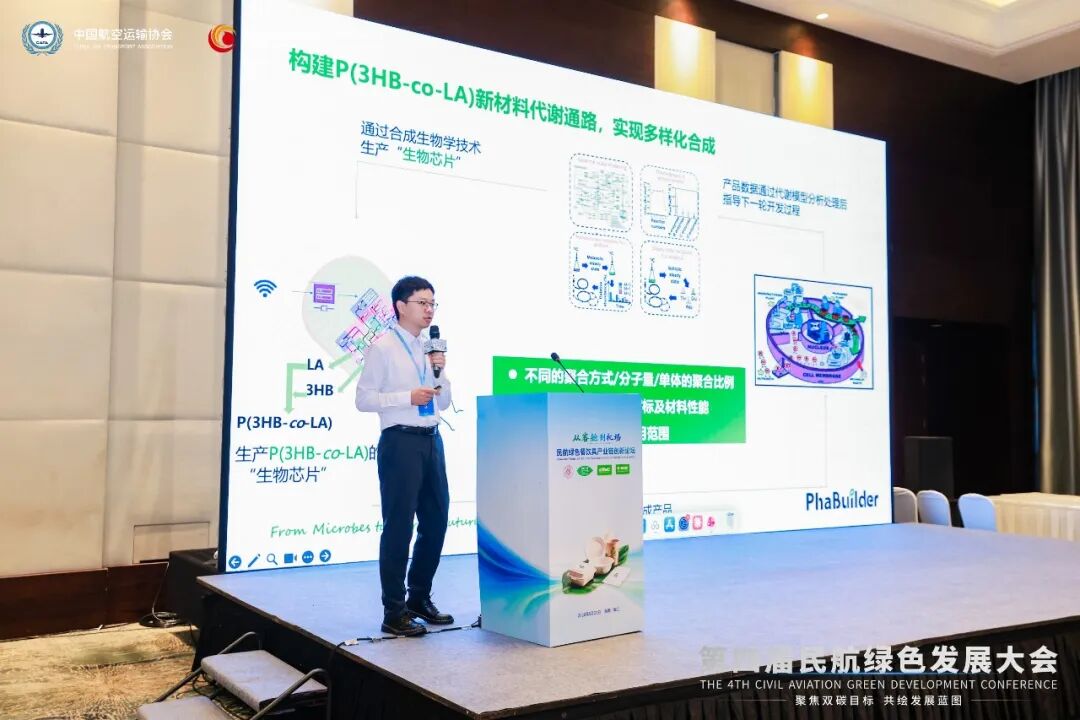
北京微构工场生物技术有限公司董事、副总裁欧阳鹏飞围绕“PHA生物基原料的生物制造产业化供应能力”作主题分享,将论坛讨论带回到博碳PHA纸基阻隔工程的上游原料基础。
欧阳鹏飞的分享从嗜盐菌生物制造、碳源转化效率、非粮碳源利用、发酵时空产率和规模化降本等角度展开,说明PHA要真正进入纸基餐饮具与食品包装市场,不能只停留在材料科学和应用想象上,而必须具备稳定、可持续、可降本的产业化供给能力。对博碳PHA生物基水性阻隔工程而言,微构工场的上游产业化能力,既是都佰城开发PHA分散体乳液及高性能纸基阻隔涂料体系的重要基础,也是这一技术路线从样品评价走向规模化应用、客户准入和商业化交付的底层支撑。
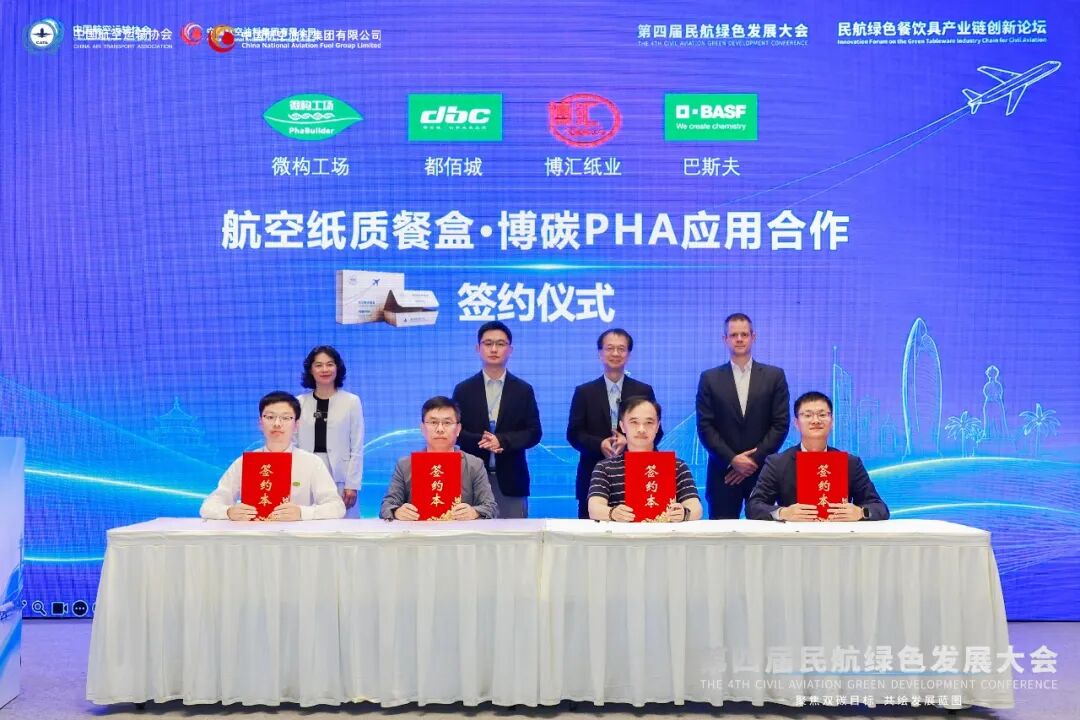
山东博汇纸业股份有限公司技术总监王俊明现场参与“航空纸质餐盒”场景协同启动。博汇纸业为该场景提供优质航空餐盒纸,并与产业链伙伴共同推动博碳 PHA 纸基水性阻隔涂层在防油、防水、挺度、成型、食品接触安全和航食配送适配等方面的协同验证。
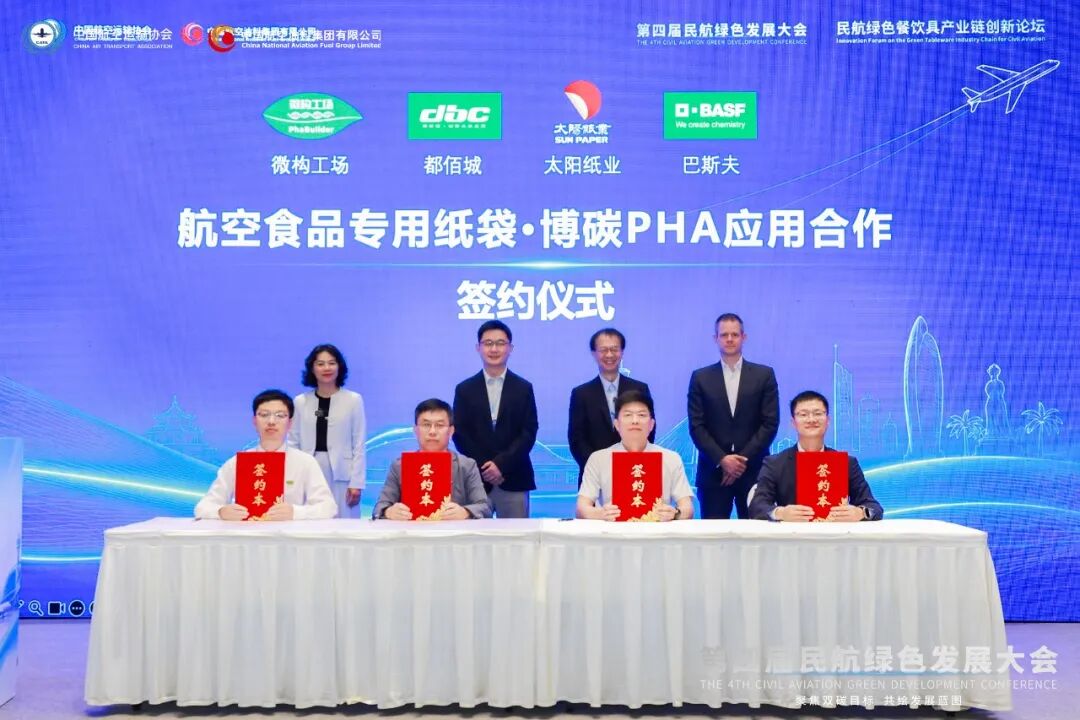
山东太阳纸业股份有限公司市场总监潘天倚现场参与“航空食品专用纸袋”场景协同启动。太阳纸业为该场景提供优质纸基材料支撑,并与产业链伙伴共同推动博碳 PHA 纸基水性阻隔涂层在食品包装适配、防潮阻隔、印刷加工、成袋成型、食品接触安全和民航食品供应场景中的协同验证。
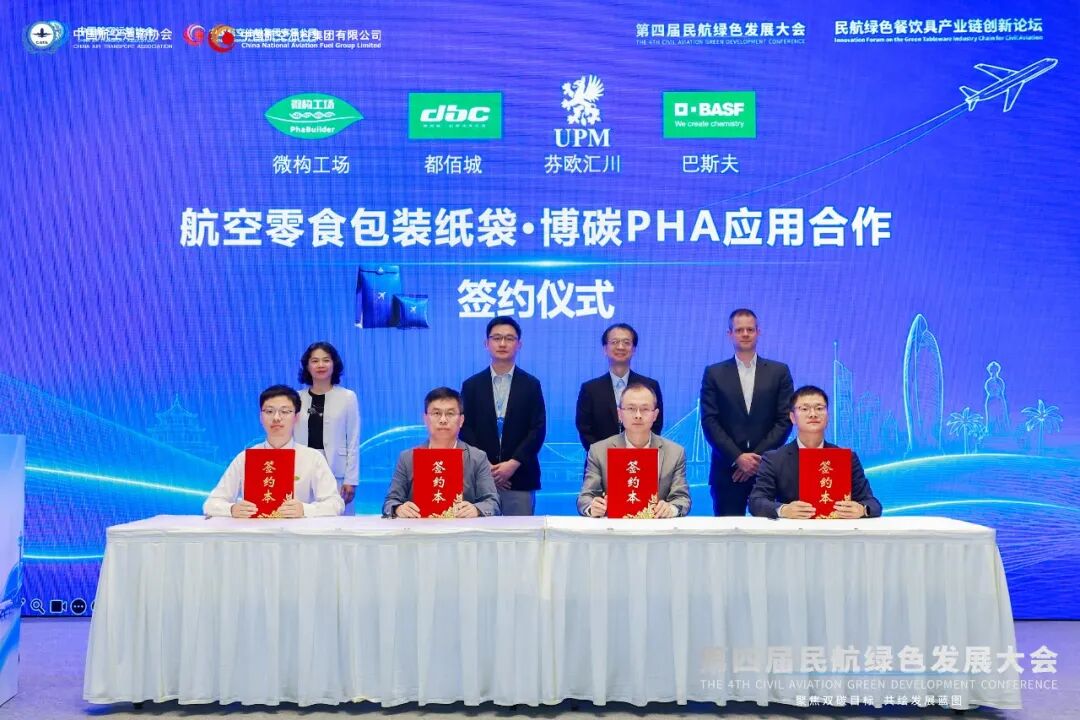
UPM 芬欧汇川(中国)有限公司包装纸业务发展和销售经理夏晓辉现场参与“航空零食包装纸袋”场景协同启动。UPM 作为全球纸基材料与包装纸领域的重要企业,为该场景提供优质包装纸材料支撑,并与产业链伙伴共同推动博碳 PHA 纸基水性阻隔涂层在航空零食包装中的防潮、阻氧、印刷加工、成袋适配、食品接触安全和应用场景验证。
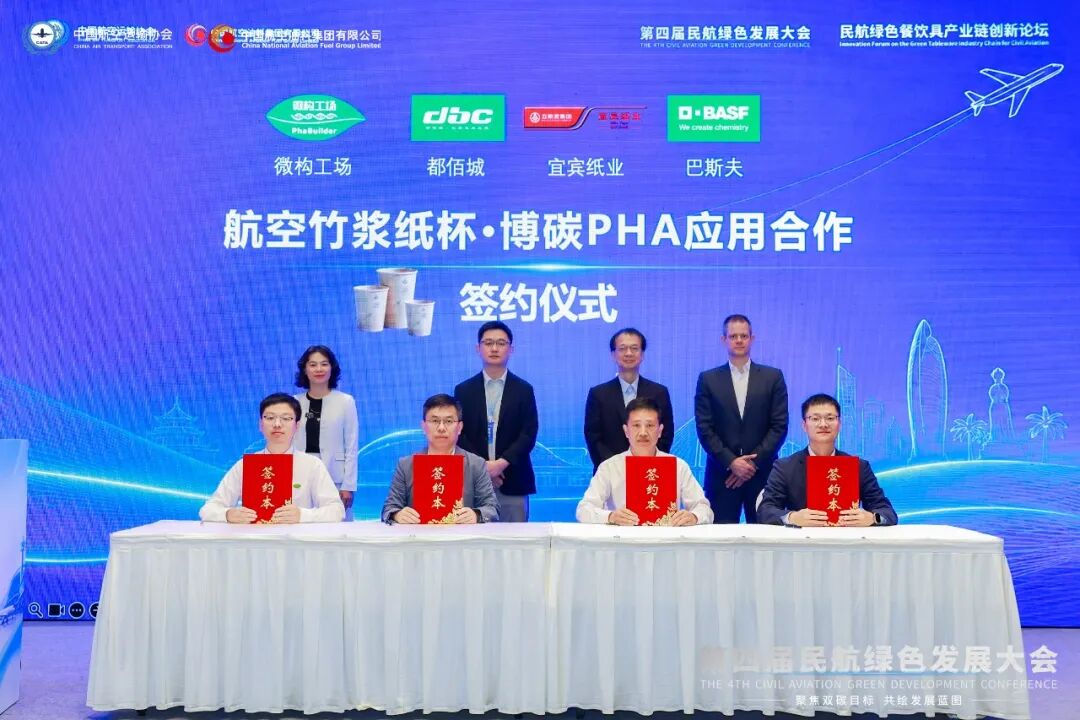
宜宾纸业股份有限公司营销副总监曾祥彬现场参与“航空竹浆纸杯”场景协同启动。宜宾纸业为该场景提供优质竹浆纸,并与产业链伙伴共同推动博碳 PHA 纸基水性阻隔涂层在航空竹浆纸杯中的防水、防渗、热饮适配、印刷加工、成杯成型、食品接触安全和应用场景验证,也为航空纸杯提供了更多元的纸基材料选择。
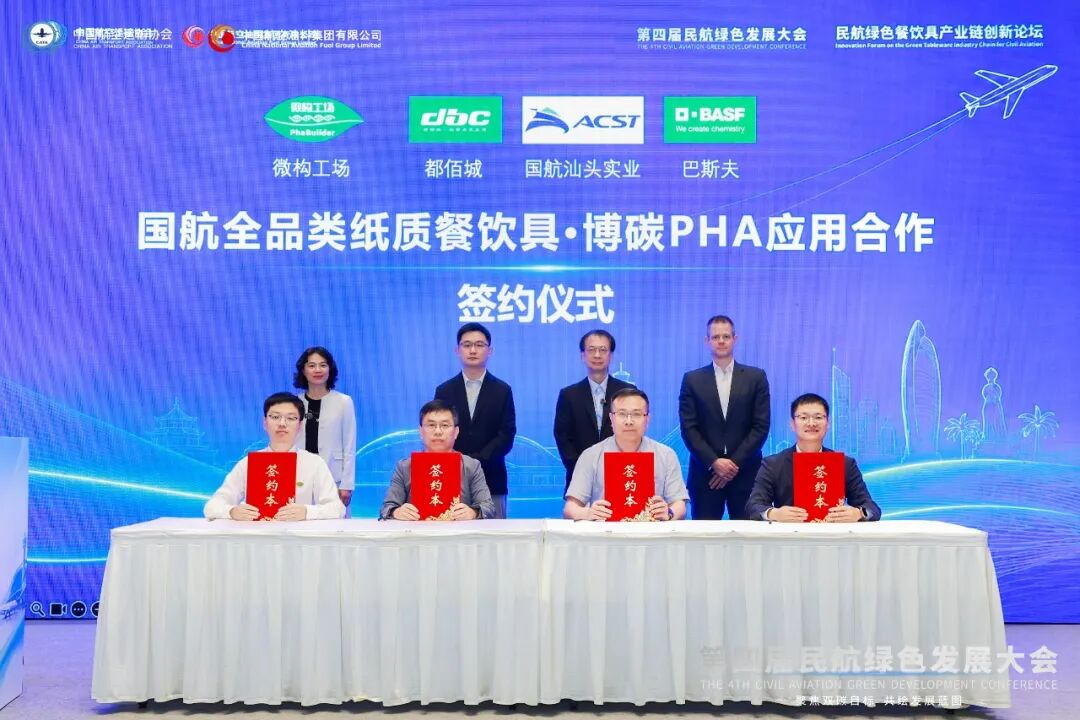
中国国际航空汕头实业发展公司总经理助理侯晓铮现场参与“国航全品类纸质餐饮具”场景协同启动。作为连接航空服务场景、航食供应链与纸质餐饮具应用需求的重要场景方,国航汕头实业以民航服务场景的高要求、高标准、高规范,为博碳 PHA 纸基水性阻隔涂层进入航空餐盒、纸杯、纸碗、食品包装等全品类纸质餐饮具应用提供真实运行需求与场景验证支撑,并与产业链伙伴共同推动材料性能、使用体验、食品接触安全、供应适配和使用后路径的协同验证。
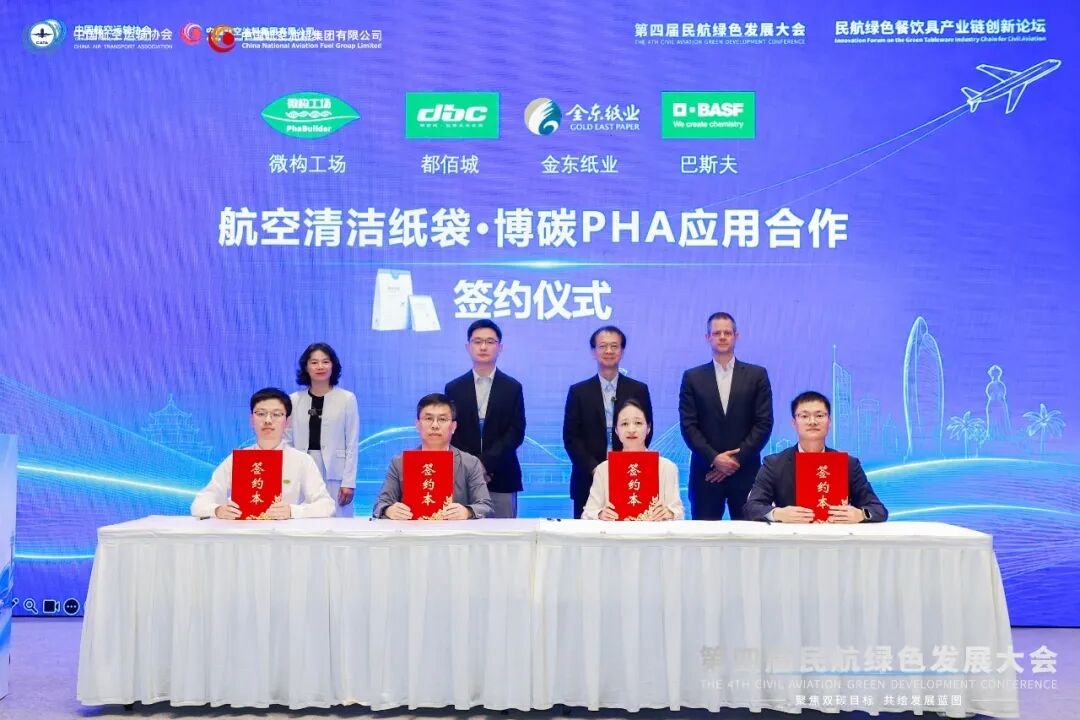
金东纸业(江苏)股份有限公司技术总监李娟现场参与“航空清洁纸袋”场景协同启动。金东纸业作为国内高端文化用纸和特种纸领域的重要企业,为该场景提供优质纸基材料支撑,并与产业链伙伴共同推动博碳 PHA 纸基水性阻隔涂层在航空清洁纸袋中的强度表现、阻水、阻油、印刷加工、成袋适配、使用体验、回收利用友好和堆肥降解的应用场景验证。
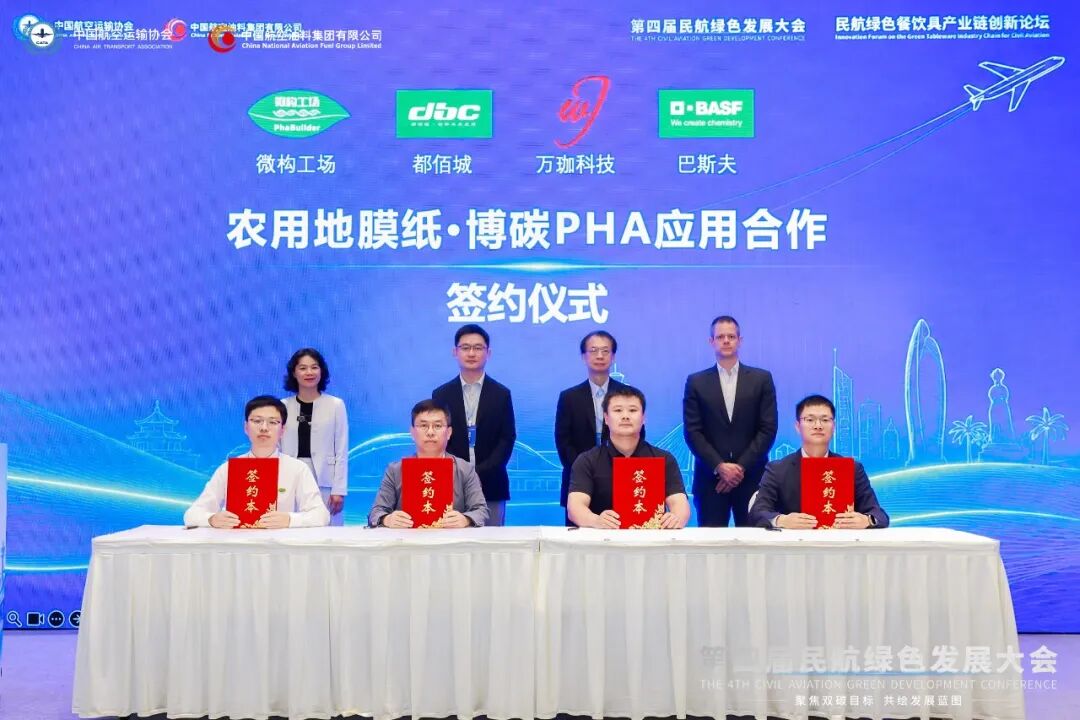
从航空餐饮具到农用地膜纸,博碳 PHA 生物基水性阻隔工程正在打开更宽的纸基应用边界。无锡市万珈科技有限公司董事长万若愚现场参与“农用地膜纸·博碳 PHA 应用合作”特别签约,围绕博碳 PHA 生物基水性阻隔涂层在农用地膜纸上的可堆肥、可降解系统应用开展开发与验证,并率先面向烟草种植等高环保要求市场推进应用探索。
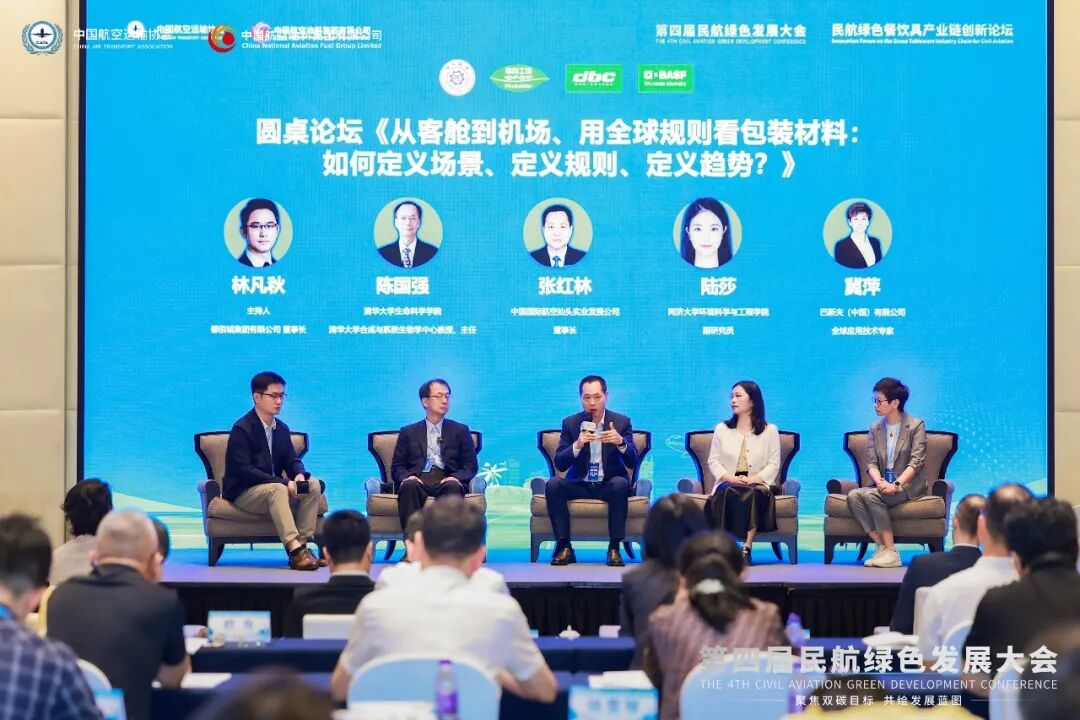
作为本次论坛的最后一个环节,圆桌会议承担了从主题分享走向产业共识的收束作用。都佰城集团有限公司董事长林凡秋担任主持人,围绕“从客舱到机场、用全球规则看包装材料:如何定义场景、定义规则、定义趋势?”这一主题,引导嘉宾从民航应用、机场商业、全球规则和材料趋势等维度展开交流。
这场圆桌的价值,不在于重复前序观点,而在于把论坛前半程关于PHA材料科学、全球合规规则、纸基阻隔工程、民航标准宣贯、原料供给、涂布加工、制品交付和场景协同的内容,重新组织成一个更核心的产业问题:绿色餐饮具的下一程,究竟由什么定义?
答案不是单一材料,也不是单一标准,而是由真实场景、全球规则、工程能力和使用后路径共同定义。
首先,是由真实场景定义。
中国国际航空汕头实业发展公司董事长张红林从航空服务场景出发,分享纸质餐饮具进入航食供应和航空服务体系时面对的真实需求、运行标准和应用关注点。作为长期服务航空餐饮具应用场景的一线产业方,他关注的不是材料名称本身,而是一个纸杯、餐盒或食品包装袋,能否真正适应配餐、储运、发放、旅客使用、食品接触安全和供应保障等完整运行流程。
他的分享让圆桌回到一个非常现实的问题:航空场景不是实验室,也不是单一产品展示场。一个绿色餐饮具方案,只有进入高标准、高要求、高规范的民航服务体系,才能真正验证其专业性、稳定性和可复制性。
张红林也特别关注到,博碳PHA生物基水性阻隔系统的价值,不只是满足“可降解”这一单一方向,而是在真实民航场景中同时打开了回收再浆友好性与适用条件下堆肥降解兜底路径。对于机场和航空服务体系而言,客流、餐饮消费和废弃物收集具有较强的组织性和可管理性。如果能够把使用后的纸基餐饮具进行分类回收、高值化再浆利用,再以堆肥降解作为污染或不可回收部分的兜底路径,就比单纯强调“降解”更具操作性和样板意义。
这也回应了圆桌中的关键判断:客舱定义使用标准,机场定义回收路径。
客舱关注食品安全、旅客体验和运行安全;机场关注分类收集、回收再浆、数据追踪和闭环管理。民航场景的价值正在于,它不是最大的一次性餐饮具消费场景,却可能是最适合率先跑通高质量绿色餐饮具闭环的样板场景。
其次,是由机场商业和公共服务场景定义。
巴斯夫(中国)有限公司全球应用技术专家冀萍结合其与虹桥机场等机场场景方的多轮交流,分享了对机场商业和绿色包装趋势的观察。机场不只是高客流消费场景,更是高标准、高可见度、强组织性的公共服务场景。咖啡、快餐、零售、航食、候机服务中的纸基包装,如果能够在机场形成稳定应用、分类收集、回收再浆和数据反馈路径,就有机会成为城市级绿色消费场景的重要样板。
从全球材料企业的视角看,绿色包装的趋势已经不只是“换一种材料”,而是要把材料功能、加工适配、客户验收、回收路径和低碳表达放在同一套系统中验证。冀萍的分享进一步说明,机场商业是绿色包装从产品应用走向场景闭环的重要入口。它既能检验纸基包装的使用性能,也能检验回收路径、客户接受度和可复制价值。
第三,是由全球规则定义。
陆莎研究员从全球规则角度回应“如何定义规则”。她的观点把圆桌讨论从“产品能不能用”,进一步推进到“证据能不能被认可”。
EUDR、PPWR、SUPD、EPR、PFAS、FDA/GB等全球规则虽然来自不同市场和监管体系,但共同指向一个趋势:绿色包装的审查重点,正在从材料标签转向最终制品证据。
未来绿色餐饮具不能只讲“纸基、生物基、可降解、无氟、可回收”,而必须回答原料来源是否可追溯,食品接触是否安全,涂层和助剂是否可解释,产品结构是否影响回收再浆,绿色声明是否有检测和文件支撑,使用后路径到底进入回收体系、工业堆肥体系,还是仍停留在理论层面。
也就是说,行业正在从“禁什么”,走向“凭什么”。
客户不会只问是不是绿色材料,而会问:凭什么合规?凭什么验收?用后去哪里?
陆莎研究员的分享进一步强化了圆桌共识:绿色餐饮具的下一阶段,不是材料标签竞争,而是最终制品证据链竞争。谁能把原料、材料、阻隔结构、食品接触安全、回收再浆、客户验收和使用后路径组织成一套可审查、可交付、可复核的证据体系,谁就更有机会进入高标准市场。
第四,是由材料趋势和技术迭代定义。
陈国强教授从PHA材料科学与生物制造长期趋势出发,回应“如何定义趋势”。在前序讨论中,嘉宾已经从全球规则、民航场景、机场商业和纸基阻隔工程等维度,讨论了博碳PHA生物基水性阻隔系统在最终制品证据链中的价值。林凡秋在圆桌中进一步把问题反向交给陈国强教授:当PHA已经具备产业化生产基础,并开始进入纸基包装阻隔工程场景之后,这条技术路线未来还能如何迭代?它是否具备持续降本、持续升级、持续支撑全球绿色包装趋势的底层能力?
陈国强教授的回应,为“定义趋势”提供了更深层的技术信心。PHA的价值,不只是其生物基和可降解属性,也不只是当前已经实现的产业化生产能力,更在于它背后的生物制造技术仍在持续进化。随着更高效的发酵技术、更多元的碳源利用路径、菌种与工艺优化能力不断推进,PHA未来仍具备进一步提升效率、降低成本和扩展应用边界的空间;从更长期的技术想象看,也有机会进一步探索以二氧化碳等更低碳来源作为碳源的可能性。
这也让博碳PHA的产业趋势更加清晰:它不是一个静态材料方案,而是一条可以伴随生物制造技术进步持续升级的纸基包装阻隔工程路线。
对纸基包装而言,趋势不是简单从一种材料换成另一种材料,而是从“材料替代”走向“工程可控、证据可查、场景可复制”。
在每一轮讨论中,林凡秋都将嘉宾观点拉回到产业链共同面对的核心命题:民航绿色餐饮具不是一个材料替代另一个材料的问题,而是一个行业如何用真实场景,把规则、工程和证据链跑通的问题。
这场圆桌原定时长有限,最终延续至下午1点。现场来宾和产业链观众始终保持高度关注,也说明“从客舱到机场”的议题已经引发材料、纸企、涂布、制品、航食、机场商业和终端客户之间的共鸣。
它真正触及的,不只是绿色餐饮具换代,而是中国纸基包装产业链如何在全球绿色规则重塑中,建立自己的工程能力、证据能力和场景定义能力。
圆桌形成的产业共识是:绿色餐饮具的竞争,正在从“产品替代”进入“证据链竞争”。谁能把材料来源、阻隔性能、食品接触安全、民航运行规范、供应链交付、回收再浆和适用条件下堆肥降解路径,组织成一套可验证、可交付、可协同的系统能力,谁就更有机会定义民航绿色餐饮具的下一程。
更重要的是,圆桌讨论并没有停留在理念层面,而是进一步指向行动路径:以真实场景为牵引,尽快形成样品、场景、指标和参与方;围绕阻隔、热封、食品接触和再浆初评形成数据;最终在客舱与机场商业场景中跑通应用与回收路径。这也呼应了圆桌所强调的行动节奏:30天形成方案,90天形成数据,180天形成样板。
也正是在这个意义上,博碳PHA生物基水性阻隔系统所回应的,不只是某一项材料应用,而是全球纸基包装市场正在形成的新趋势:
从概念绿色走向证据绿色,从材料替代走向系统验证,从单点产品走向全链条协同。
这场圆桌最后留下的判断非常清晰:
工程可控,证据可查,场景可复制。
当一只航空纸杯能够同时回答“能不能用、能不能收、能不能证、能不能复制”,它就不再只是一个产品,而是一条绿色供应链是否真正成立的验证入口。
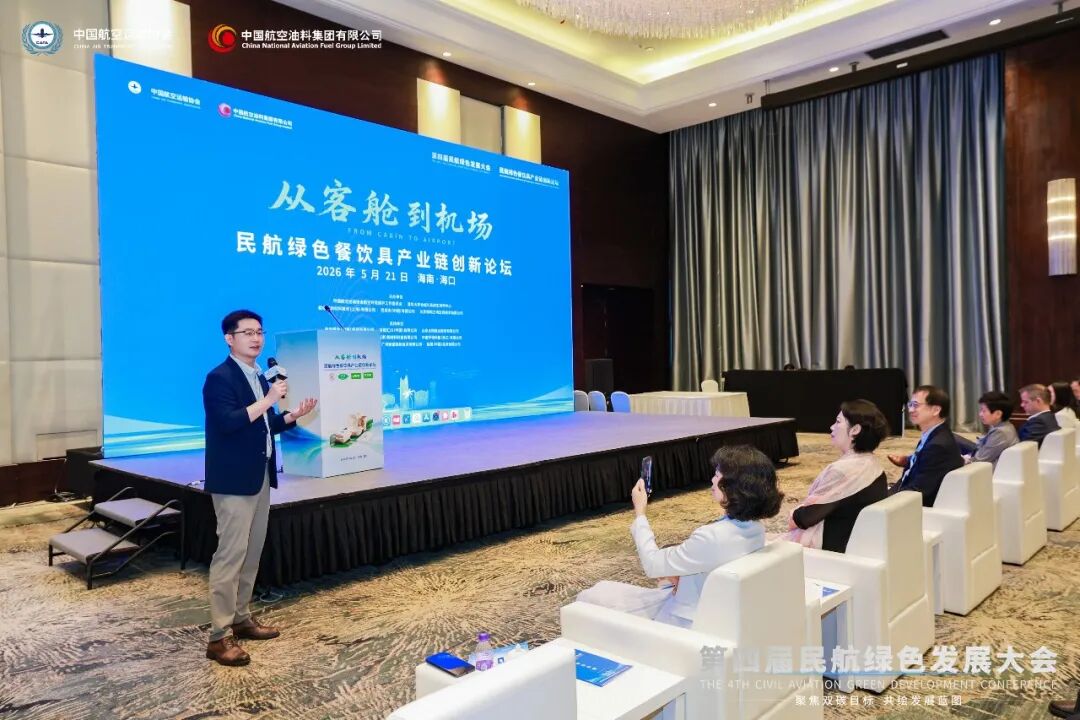
论坛最后,林凡秋对本次讨论作出总结。他表示,今天的议题看似专业,甚至有些技术门槛,但越是这样,越需要把在场的产业链伙伴看作共同开发者,而不是产业之外的旁观者。
从材料科学、全球规则、民航场景、机场商业、涂布加工到制品交付,今天每一位嘉宾的分享都指向一个共同判断:绿色餐饮具的下一阶段,不能再停留在口号、标签和路线争论中,而要回到科学事实、工程验证和最终制品证据链。
过去行业里有很多不同声音,也有很多关于材料路线的误解和争论。但在规则越来越清晰、客户审核越来越严格、技术信息越来越透明的今天,制品成型企业真正需要判断的,不是谁的声音更大,而是谁能够把几个关键问题讲清楚:凭什么合规,凭什么通过验收,产品使用之后又将去向何处。
这也是Bioten生物基水性阻隔系统希望解决的问题。它并非简单地用一种材料替代另一种材料,而是希望将 PHA 的生物基属性、多种适用环境下的降解潜力,与纸基包装所需要的防水、防油、热封、食品接触安全适配、回收再浆友好性,以及适用条件下的堆肥降解兜底路径结合起来,形成一套真正面向最终制品的阻隔工程解决方案。
中国纸基包装产业链真正需要看到的,不仅仅是当下的几万吨水涂纸市场,而是放眼全球餐饮具和食品包装及各类包装正在发生的数以千万吨计的纸基替代塑料趋势。谁能够率先将材料、阻隔工程、制品加工、场景验证、回收再浆以及使用后路径组织成完整的证据链,谁就更有机会参与定义下一代全球纸基包装市场。
今天,真正重要的,也不仅仅是证明一只航空纸杯能够改变什么,而是通过这样一个具体产品,通过一只人人可触摸到的低碳环保小纸杯,重新理解一条绿色供应链究竟怎样才能真正建立起来。
水涂纸要做好做出规模来,需要一把手工程,需要工程师思维,需要产品经理视角。只有这样,企业才能真正跑起来,跟上这轮全球确定性政策趋势带来的产业发展窗口。
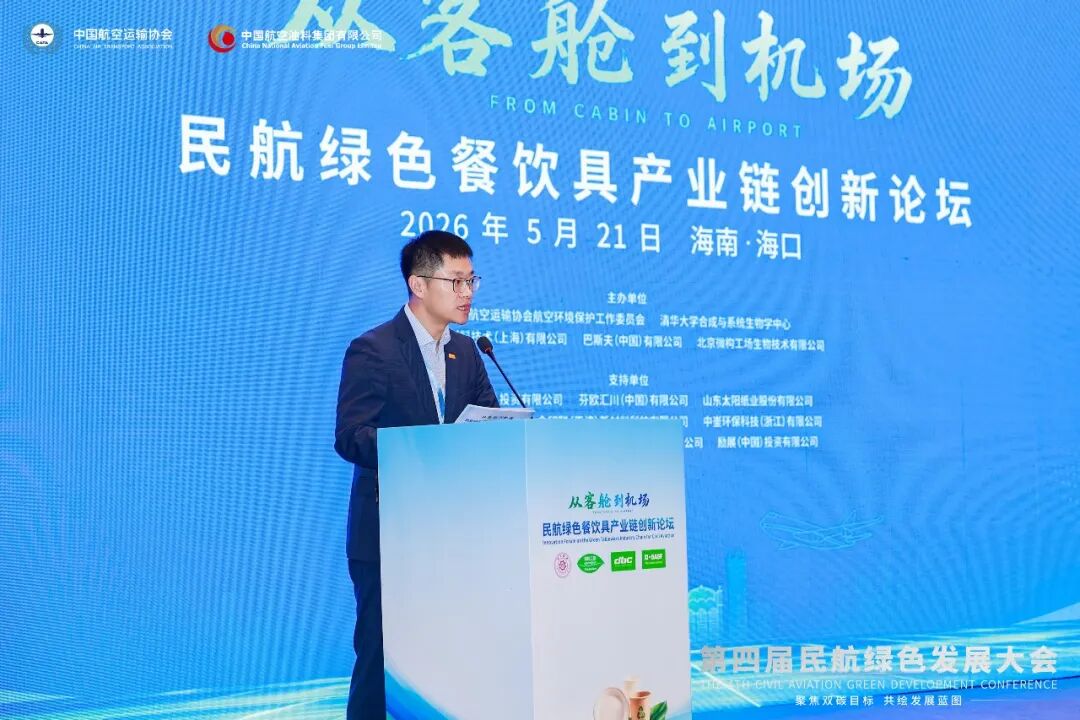
论坛大会主持人巴斯夫 张玺
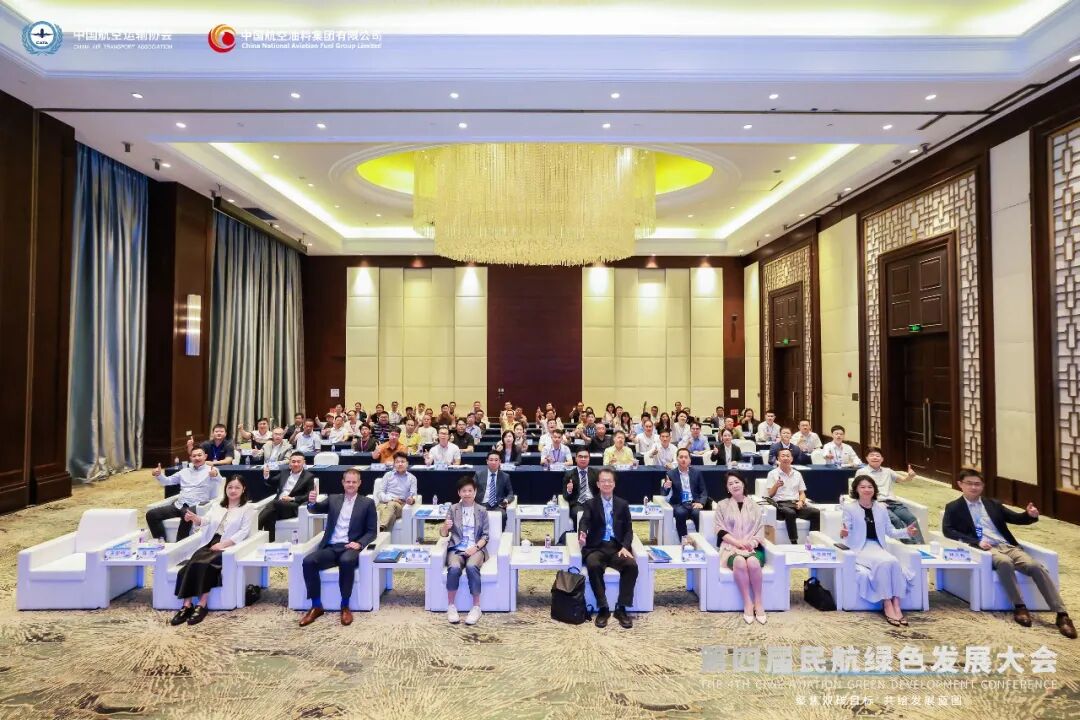
最后再放两张图,来肯定和感谢参会人员的专注与坚持:早上8:30会议正式开始,13:00宣布结束,大家一直都在!谢谢!!
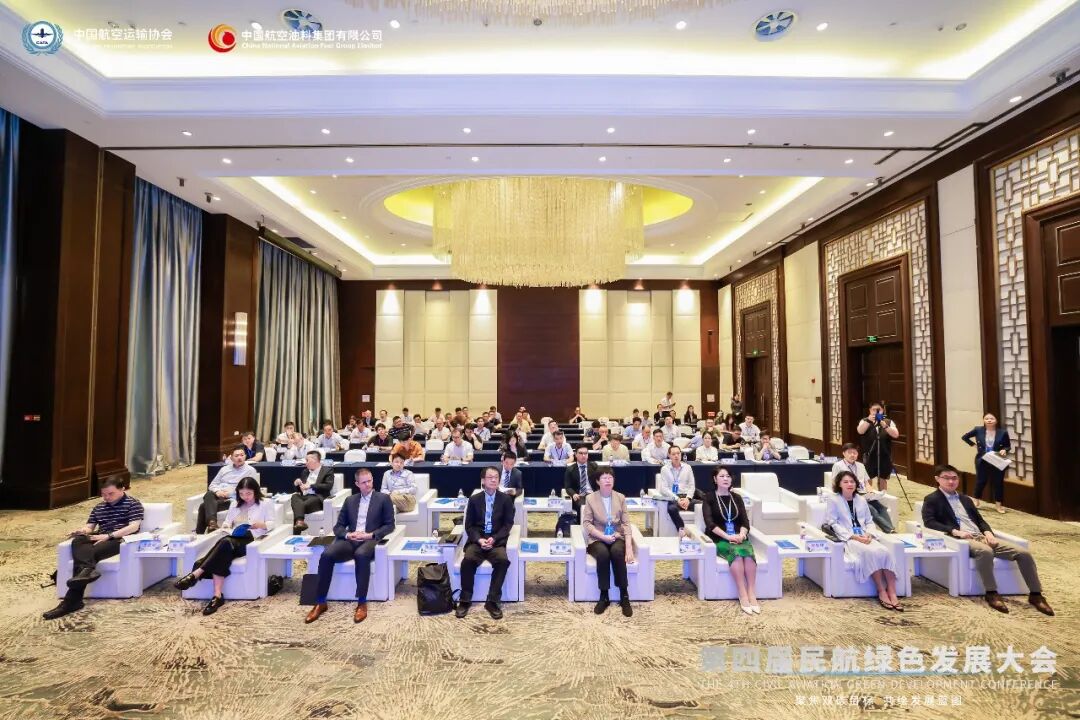
↑8:30
↑13:00
本次论坛的顺利举办,离不开各方的支持与协同。清华大学合成与系统生物学中心、都佰城、巴斯夫、微构工场谨联合致谢:
特别感谢中国航空运输协会、中国航空运输协会航空环境保护工作委员会、中国航空运输协会航空食品分会,以及国航、东航、南航及其关联单位的鼎力支持,感谢纸基包装产业链从业者的真诚支持,我们还会继续创新有利于产业高水平可持续发展的专题活动。
同时,感谢以下支持单位为本次论坛提供的重要支持:
金光纸业(中国)投资有限公司
芬欧汇川(中国)有限公司
山东太阳纸业股份有限公司
宜宾纸业股份有限公司
金印联(天津)新材料科技有限公司
中崟环保科技(浙江)有限公司
湖南立乐环保科技有限责任公司
广州丽诺高新技术有限公司
励展(中国)投资有限公司
从客舱到机场,从材料创新到场景验证,从单品替代到系统协同,民航绿色餐饮具的下一程,离不开产业链各方的共同参与、共同验证与共同推动。
Sharing of full-process observations and conference records from the Civil Aviation Green Tableware Industry Chain Innovation Forum at the 4th Civil Aviation Green Development Conference.
Why a Single Aviation Paper Cup Requires a Complete Evidence Chain
Civil aviation service scenarios possess systematic advantages of high standards, strong organization, traceability, and closed-loop management. Once an aviation paper cup enters the cabin or airport environment, it is no longer just a cup, but a systematic product jointly validated by material sourcing, barrier performance, food-contact compliance assessment, civil aviation operational standards, supply chain collaboration, recycling, and composting pathway assessment under applicable conditions.
This is also why paper-based packaging barrier engineering is entering an "evidence chain competition": future green tableware must answer not only "whether it is plastic-free, recyclable, or degradable," but also "on what basis it is compliant, on what basis it is procured, on what basis it is recycled, and on what basis it degrades."
Industry Collaboration from Materials to Civil Aviation Scenarios
Centered on BIOTEN's PHA bio-based aqueous barrier engineering system, DBC, Bluepha, and BASF, together with six industry chain partners—BPI, Air China Shantou Industry, Yibin Paper, Jindong Paper, UPM, and Sun Paper—have launched industry chain collaborative validation for paper-based tableware and food packaging across six specific civil aviation application scenarios: aviation paper food containers, Air China's full-category paper tableware, aviation bamboo-pulp paper cups, aviation cleaning paper bags, aviation snack packaging paper bags, and aviation food-specific paper bags.
The significance of this group of signings and collaborative launches lies in connecting raw materials, barrier engineering, paper, coating, products, and aviation applications into a continuous chain, bringing technical evaluation into application scenarios, and upgrading single-product substitution into multi-dimensional supply capabilities oriented toward civil aviation services.
Huang Peng, Deputy Director of the Hainan Provincial Development and Reform Commission, attended the forum and delivered a speech. The forum unfolded at the intersection of Hainan's green and low-carbon development and the green transformation of civil aviation, providing a more practically significant regional development perspective for innovation in the civil aviation green tableware industry chain.
For the green materials and paper-based packaging industries, Hainan is not only the conference host location but also a crucial window for observing the implementation of green consumption, low-carbon services, and sustainable industry scenarios. The connection between civil aviation, airports, urban consumption, and free trade port application scenarios provides a more organized and demonstrative practical foundation for green tableware to move from product display to systematic validation.
PHA Technical Foundation and Global Standards
Driven by long-term research and promotion from scientific forces represented by Professor Chen Guoqiang, Director of the Center for Synthetic and Systems Biology at Tsinghua University, PHA, a bio-based polymer material synthesized by microorganisms, is becoming one of the important technical routes for green packaging material innovation due to its degradation potential and post-use pathway advantages in various applicable environments. BIOTEN's PHA bio-based aqueous barrier coating system further translates these material advantages into the waterproofing, oil resistance, heat sealing, food-contact compliance assessment adaptation, and recycling repulping validation required for paper-based packaging, providing a candidate engineering pathway for systematic validation and industry collaboration of green tableware.
The Environmental Protection Committee of the Civil Aviation Administration of China, as one of the forum organizers, provided important support for venue organization and service guarantees. Ms. Wang Man, Assistant to the Chairman of the Civil Aviation Administration of China and Director of the Aviation Food Branch, participated throughout the forum agenda, focusing on the application feasibility of paper-based tableware in aviation food services, civil aviation operational standards, supply chain guarantees, and post-use recycling. Director Wang Man's participation connects industry organizations with aviation application scenarios, also indicating that the implementation of green tableware cannot focus solely on single-product substitution, but must form verifiable and comparable scenario solutions within aviation food processes, standard construction, supply guarantees, and closed-loop management.
Professor Chen Guoqiang, Director of the Center for Synthetic and Systems Biology at Tsinghua University, delivered a keynote presentation on "Degradation Boundaries and Green Packaging Applications of PHA, a Natural Polymer Material," establishing a materials science foundation for the forum.
Professor Chen elaborated on the scientific properties, degradation boundaries, safety, and green packaging applications of PHA. He emphasized that PHA is not merely a "biodegradable" label, but a natural polyester polymer synthesized by microorganisms. Its industrial value must be understood systematically within the context of bio-based sourcing, scalable production, application boundaries, usage safety, and end-of-life pathways.
Building on this materials science foundation, Bluepha is advancing the industrial production of PHA, while DBC is focusing on the engineered application of PHA in paper-based packaging. DBC has developed BIOTEN PHA dispersion emulsions and paper-based barrier coating systems, shifting PHA applications from film/lamination approaches to water-based barrier engineering routes better suited for paper coating processing, recycling, and composting pathway assessments under applicable conditions. The company is further conducting project validation and industrial collaboration targeting paper-based tableware and food packaging scenarios.
For paper-based packaging, the significance of PHA extends beyond providing a new bio-based material option. It lies in the ability to address functional shortcomings in water resistance, oil resistance, heat sealing, coating processing, and food packaging compatibility through water-based barrier engineering, while simultaneously accommodating paper recycling and repulping validation. This approach integrates material performance, user experience, recycling validation, and composting pathway assessments under applicable conditions into a single verifiable evidence chain.
Lu Sha, Associate Researcher at the College of Environmental Science and Engineering, Tongji University, delivered a keynote presentation titled "Global Rules Reshaping the Paper-Based Packaging Industry Chain: Constraints or Directions? Examining Compliance Passports and Industrial Opportunities for Green Tableware from EUDR, PPWR, SUPD, EPR, PFAS to FDA/GB Standards." Her presentation advanced the forum's discussion from materials science to global regulations, compliance boundaries, and industrial evidence.
Lu Sha's presentation went beyond a simple regulatory interpretation, establishing a forward-looking judgment framework for the paper-based packaging industry chain. Previously, companies often expressed green value through terms such as "paper-based," "bio-based," "biodegradable," "fluorine-free," and "recyclable." However, under the new regulatory environment, what is truly scrutinized is not the concept itself, but whether a paper cup, food container, or paper bag can provide clear, complete, and verifiable evidence regarding its target market, intended use, and actual disposal conditions.
Within this framework, global regulations converge on a common industrial proposition: whether raw material sources are traceable, how food contact compliance is assessed, whether coatings and additives involve substances of concern, whether product structures impact recycling and repulping, whether green claims are supported by testing and documentation, and how end-of-life reuse is practically implemented.
She specifically cautioned that recyclable base paper does not necessarily mean the finished paper cup is recyclable, nor does biodegradable material guarantee that formed tableware will be accepted in all scenarios. Water-based coatings, bio-based materials, and low-carbon claims must all be scrutinized within the context of the final product structure, testing subjects, usage conditions, and customer audit documentation. Within this regulatory framework, the value of BIOTEN PHA should not be understood merely as a material or coating, but as part of a verifiable evidence system that includes bio-based attribute verification, water-based coating, formulation design without intentional addition of PFAS and related testing boundaries, food contact compliance assessment, recycling and repulping validation, and composting pathway assessments under applicable conditions.
Lu Sha further pointed out that those who can organize materials, coatings, base paper, finished products, testing, customer access, and end-of-life reuse into a complete evidence package will be better positioned to take the initiative in the next round of green packaging competition.
Carsten Höhne, Senior Vice President of Global Resins and Additives at BASF, delivered a keynote presentation on BASF's sustainability strategy, low-carbon product portfolio, and circular economy pathways, providing industrial insights from a global materials company for the forum.
BASF's global practices indicate that the sustainable transformation of packaging has moved from single-material substitution to an engineering collaboration stage. Product carbon footprints, alternative raw materials, utilization of renewable and recycled resources, coating functionality, performance, and circular pathways must all align. This industrial perspective also explains the value of the collaboration between BASF and DBC on BIOTEN PHA dispersion emulsions and paper-based barrier coating systems: leveraging the technology and methodology of a global materials company to support engineered implementation in local application scenarios.
Lin Fanqiu, Chairman of DBC Group Co., Ltd., delivered a keynote presentation titled "From Cabin to Airport: BIOTEN Barrier Engineering System and Synergy with Global Green Regulations." His remarks built upon the preceding discussions on materials R&D innovation and global regulations, further directing the conversation toward industry, manufacturing, and product applications.
Addressing industry partners, Lin Fanqiu deconstructed an aviation paper cup from a product manager's perspective: it is not merely a material substitution issue, but a complete product engineering system comprising material systems, barrier mechanisms, heat sealing principles, coating processing, forming compatibility, user experience, food contact compliance assessment, recycling, and composting pathway assessments under applicable conditions.
He emphasized that for BIOTEN PHA to achieve commercial recognition, it cannot remain at the conceptual level. It requires industry partners across paper manufacturing, coating, cup forming, equipment, testing, airline catering, and airports to engage in the development process. Issues must be understood, boundaries confirmed, and products improved through sample development, testing and evaluation, production line adaptation, finished product acceptance, and end-of-life reuse data.
In Lin Fanqiu's view, DBC is advancing not just a coating product, but a green supply chain model. Using the high standards, strict regulations, and organized service scenarios of civil aviation as a window, DBC is exploring a pathway from cabin usage to airport recycling, and from product R&D to scenario replication.
Peng Yikang, Head of Environmental Affairs at the Strategic Planning and Investment Department of China Southern Airlines Company Limited, presented and provided key interpretations of the T/CATAGS 78-2024 standard, 'Specifications for the Substitution of Single-Use Non-Degradable Plastic Products on Domestic Passenger Flights,' bringing the forum's discussion back to civil aviation green standards and operational practices.
His presentation focused on the development of plastic restrictions in civil aviation, the content of group standards, and suggestions for addressing practical issues. He emphasized that substituting single-use non-degradable plastic products must comply with civil aviation food safety and operational safety standards, while also considering actual civil aviation operations, product functionality, and market supply capabilities.
For paper-based tableware and food packaging, this means that substitute products must not only be 'greener in material' but also withstand multiple tests, including flight service, food contact, storage and distribution, passenger use, supply assurance, and post-use recycling.
Xu Xuanming, Chairman of Bluepha Co., Ltd., delivered a keynote presentation on 'The Industrialization and Commercialization of Green Biomaterials.' He outlined the key pathways for green biomaterials to transition from scientific research to industrial and commercial applications, covering upstream PHA biomanufacturing, material family development, industrial base construction, and application ecosystem building.
Xu Xuanming's presentation further illustrated that the value of PHA lies not only in its inherent characteristics as a bio-based and biodegradable material, but also in its ability to enable multi-scenario applications. For BIOTEN's PHA paper-based barrier system, upstream PHA industrialization capabilities serve as a crucial foundation for subsequent engineering applications, scenario implementation, and commercial advancement.
From Bluepha's PHA industrial production capabilities to DBC's PHA aqueous dispersion and paper-based barrier engineering development technologies, and further to the collaborative advancement involving paper manufacturers, product fabricators, and civil aviation service scenarios, green biomaterials are moving toward an industrial ecosystem supported by 'raw material supply, engineering conversion, scenario application, and commercial implementation.'
Coating, Product Fabrication, and Supply Chain Validation
Wang Jizhou, Chairman of Jin Yinlian (Tianjin) New Materials Technology Co., Ltd., delivered a keynote presentation on 'Safe, Stable, and Efficient PHA Aqueous Coated Paper Supply Chain Solutions,' advancing the forum's discussion to the aqueous coated paper supply chain and large-scale delivery stages.
As one of the coating enterprises to pioneer the commercial application of BIOTEN's PHA bio-based aqueous barrier coatings, Jin Yinlian provided crucial industrial support for this technical route to transition from material solutions to mass coating and market delivery. Regarding BIOTEN's PHA bio-based aqueous barrier coating system, Jin Yinlian established a complete supply chain system capable of achieving stable coating, mass production, quality control, customer acceptance, and continuous delivery for BIOTEN's various product specifications.
Wang Jizhou's presentation further indicated that over the past few months, with collaborative support from DBC and BASF, the Jin Yinlian team has gradually developed mass coating and delivery capabilities for BIOTEN PHA bio-based aqueous barrier coated paper, oriented toward commercial applications. As a key supply-side link connecting the barrier coating system with downstream tableware fabrication and forming enterprises, Jin Yinlian is equipped with a relatively complete coating equipment and self-inspection laboratory system, providing robust supply assurance to meet the growing market demand for PHA aqueous-coated paper.
Li Xiang, Chairman of Guangzhou Linuo High-Tech Co., Ltd., delivered a keynote presentation on 'Tableware Process Adaptation, Performance Balance, and Export Market Demand,' further advancing the forum's discussion to product fabrication, quality control, brand delivery, and global market application stages.
As a representative of a frontline enterprise with long-term expertise in paper-based tableware manufacturing, Li Xiang's presentation not only discussed 'what customers need' but also emphasized how China's paper-based packaging industry chain should proactively define sustainable product capabilities. China possesses a globally complete, mature, and rapidly responsive paper-based packaging manufacturing system; it should not merely focus on fulfilling orders and passively adapting to customer standards, but should leverage engineering thinking, quality systems, and brand awareness to provide the global market with more stable, credible, and sustainable paper-based tableware solutions.
For BIOTEN's PHA bio-based aqueous barrier engineering, the product fabrication stage is not merely a processing step, but a critical validation ground for whether the technical route can translate into customer and brand value. Whether a paper cup, food container, or paper bowl can truly enter the market depends on its comprehensive performance across forming, heat sealing, stacking, transportation, filling, user experience, food contact compliance assessment, post-use pathways, and customer acceptance.
Li Xiang's presentation further indicated that the next phase for paper-based tableware is not just about 'turning green materials into products,' but about organizing materials, processes, quality, brands, and sustainability evidence into a deliverable system solution. If China's manufacturing sector can systematize this capability, it will not only serve global customer needs but also participate in defining new global standards for green paper-based packaging.
Zhu Chengfeng, Chairman of Zhongyin Environmental Protection Technology (Zhejiang) Co., Ltd., delivered a keynote presentation on "Highlights of PHA Bio-Based Waterborne Coated Paper in Market Promotion," further advancing the forum's discussion to the stages of market promotion, customer awareness, and application conversion for waterborne coated paper.
As one of the coating enterprises to pioneer the use of BIOTEN's PHA bio-based waterborne barrier coating, Zhongyin Environmental Protection has provided crucial industrial support for this technical route to transition from material solutions to market validation and customer promotion.
From a frontline market perspective, Zhu's presentation highlighted that customers are primarily concerned not with the material name itself, but with whether the product can provide clear answers regarding the balance between performance, cost, processing, compliance, and sustainable value. Compared to some waterborne barrier routes represented by acrylics and EAA, the differentiated value of BIOTEN's PHA lies not only in its waterborne coating and barrier performance, but also in specific differentiated aspects that require item-by-item verification. These include bio-based attributes, the boundary of formula design regarding the intentional addition of PFAS, recycling and repulping, composting pathways under applicable conditions, and carbon impact assessment. These aspects are not mutually substitutable and each requires independent evidentiary support.
For BIOTEN's PHA bio-based waterborne barrier engineering, market promotion is not merely about stacking labels such as "bio-based," "biodegradable," and "waterborne coating." Instead, it involves translating material highlights into application value that customers can perceive, test, compare, and repurchase. Zhu's presentation further clarified that effective market promotion is essentially a process of organizing an evidence chain: whether BIOTEN's PHA can transition from technical highlights to market consensus depends on whether the product can meet food contact and performance requirements, align with customers' existing production and supply systems, and establish clear value across cost, performance, compliance, recycling, and end-of-life pathways.
Zhang Taojie, Chairman of Hunan Lile Environmental Protection Technology Co., Ltd., delivered a keynote presentation on "Sharing of Domestic and International Markets for Waterborne Coated Paper Tableware." As one of the product manufacturers to early collaborate with industry chain partners such as BASF, DBC, and APP Golden Agri-Resources to promote the application of waterborne coated paper, Hunan Lile has long specialized in waterborne coated paper-based tableware. The company has accumulated solid frontline experience in the forming, printing, stacking, cup separation, heat resistance, and customer delivery of products such as paper cups and bowls. Over the past five years, it has also received continuous validation and recognition from global markets and diverse brand customers for its high-quality water-coated paper cups.
Drawing from real-world production practices, Zhang's presentation offered a critical industry assessment: the waterborne coating route is currently being discussed and evaluated across multiple markets. Projects cannot rely solely on material parameters; they must also verify cup forming, printing, stacking, shipping, and customer usage conditions on actual production lines. Hunan Lile takes pride not only in producing water-coated paper cups, but in successfully driving waterborne coated paper-based products toward branded, scaled, and market-ready delivery under the higher demands of global customers.
At the event, Zhang showcased a BIOTEN PHA bio-based waterborne barrier paper cup that had just been sampled by Hunan Lile engineers prior to the forum. He specifically noted that he instructed the technical team to use full-coverage black printing to test common pain points of waterborne coated paper cups. Full-coverage dark printing imposes higher demands on ink adhesion, anti-set-off, anti-smudging, and stacking stability. This BIOTEN PHA paper cup withstood the test, demonstrating good printing adaptability and anti-smudging performance.
In Zhang's view, the BIOTEN PHA bio-based waterborne barrier paper cup is not a simple repetition of existing water-coated products, but an upgrade addressing evolving customer needs. While retaining the processing and delivery advantages of waterborne coated paper cups, it further incorporates bio-based attributes, sustainable value, and a more comprehensive evidence chain space, offering global customers more options. This on-site detail indicates that the value of BIOTEN PHA needs to be further confirmed through product-line validation at the manufacturing end, customer audits, and actual usage conditions.
Ouyang Pengfei, Director and Vice President of Bluepha Co., Ltd., delivered a keynote presentation on "Industrialized Supply Capabilities for PHA Bio-Based Raw Materials via Biological Manufacturing," bringing the forum's discussion back to the upstream raw material foundation of BIOTEN's PHA paper-based barrier engineering.
Ouyang's presentation covered halophilic bacteria biological manufacturing, carbon source conversion efficiency, non-grain carbon source utilization, fermentation space-time yield, and cost reduction through scale-up. He explained that for PHA to truly enter the paper-based tableware and food packaging markets, it cannot remain merely at the level of material science and application imagination; it must possess stable, sustainable, cost-reducing project supply and production line synergy capabilities. For BIOTEN's PHA bio-based waterborne barrier engineering, Bluepha's upstream industrialization capabilities serve as an important foundation for DBC's development of PHA dispersion emulsions and high-performance paper-based barrier coating systems. They also provide the underlying support for this technical route to transition from sample evaluation to project validation, production line integration, customer qualification, and commercial delivery.
Wang Junming, Technical Director of Shandong Bohui Paper Co., Ltd., participated on-site in the collaborative launch of the "Aviation Paper Food Container" scenario. Bohui Paper provides high-quality aviation food container paper for this scenario and collaborates with industry chain partners to jointly advance the collaborative validation of BIOTEN PHA paper-based waterborne barrier coatings in aspects such as oil resistance, water resistance, stiffness, forming, food contact compliance assessment, and adaptation to airline catering distribution.
Pan Tianyi, Marketing Director of Shandong Sun Paper Co., Ltd., participated on-site in the collaborative launch of the "Aviation Food Dedicated Paper Bag" scenario. Sun Paper provides high-quality paper-based material support for this scenario and collaborates with industry chain partners to jointly advance the collaborative validation of BIOTEN PHA paper-based waterborne barrier coatings in food packaging adaptation, moisture barrier, printing and processing, bag forming, food contact compliance assessment, and civil aviation food supply scenarios.
Xia Xiaohui, Sales Manager for Packaging Paper Business Development at UPM (China) Co., Ltd., participated on-site in the collaborative launch of the "aviation snack packaging paper bag" scenario. As a key player in global paper-based materials and packaging paper, UPM provides high-quality packaging paper material support for this scenario and collaborates with industry chain partners to advance the moisture-proof, oxygen-barrier, printability, bag-forming adaptability, food-contact compliance assessment, and application scenario validation of BIOTEN's PHA paper-based waterborne barrier coating in aviation snack packaging.
Zeng Xiangbin, Deputy Marketing Director of Yibin Paper Co., Ltd., participated on-site in the collaborative launch of the "aviation bamboo pulp paper cup" scenario. Yibin Paper provides high-quality bamboo pulp paper for this scenario and collaborates with industry chain partners to advance the waterproof, leak-proof, hot-beverage adaptability, printability, cup-forming, food-contact compliance assessment, and application scenario validation of BIOTEN's PHA paper-based waterborne barrier coating in aviation bamboo pulp paper cups, offering more diverse paper-based material options for aviation paper cups.
Hou Xiaozheng, Assistant General Manager of Air China Shantou Industrial Development Co., Ltd., participated on-site in the collaborative launch of the "Air China full-category paper tableware" scenario. As a key scenario provider connecting aviation service environments, in-flight catering supply chains, and paper tableware application needs, Air China Shantou Industrial leverages the high requirements, standards, and regulations of civil aviation service scenarios to provide real operational needs and scenario validation support for BIOTEN's PHA paper-based waterborne barrier coating entering applications across full-category paper tableware such as aviation meal boxes, paper cups, paper bowls, and food packaging. It collaborates with industry chain partners to jointly validate material performance, user experience, food-contact compliance assessment, supply adaptability, and post-use pathways.
Li Juan, Technical Director of Jindong Paper (Jiangsu) Co., Ltd., participated on-site in the collaborative launch of the "aviation cleaning paper bag" scenario. As a key player in China's high-end cultural paper and specialty paper sectors, Jindong Paper provides high-quality paper-based material support for this scenario and collaborates with industry chain partners to advance the application scenario validation of BIOTEN's PHA paper-based waterborne barrier coating in aviation cleaning paper bags, focusing on strength performance, water resistance, oil resistance, printability, bag-forming adaptability, user experience, recycling friendliness, and compostable degradation.
From aviation tableware to agricultural mulch paper, BIOTEN's PHA bio-based waterborne barrier engineering is expanding the boundaries of paper-based applications. Wan Ruoyu, Chairman of Wuxi Wanjia Technology Co., Ltd., participated on-site in the special signing ceremony for the "Agricultural Mulch Paper · BIOTEN PHA Application Cooperation." The collaboration focuses on developing and validating the compostable and degradable system applications of BIOTEN's PHA bio-based waterborne barrier coating on agricultural mulch paper, and will pioneer application exploration in high-environmental-standard markets such as tobacco cultivation.
As the final segment of the forum, the roundtable discussion served to consolidate the transition from thematic presentations to industry consensus. Lin Fanqiu, Chairman of DBC Group Co., Ltd., moderated the session around the theme "From Cabin to Airport, Viewing Packaging Materials through Global Standards: How to Define Scenarios, Rules, and Trends?" guiding guests to exchange views across dimensions including civil aviation applications, airport commerce, global standards, and material trends.
The value of this roundtable lies not in reiterating previous points, but in reorganizing the forum's earlier content on PHA material science, global compliance standards, paper-based barrier engineering, civil aviation standard promotion, raw material supply, coating processing, product delivery, and scenario collaboration into a more core industry question: What will define the next phase of green tableware?
The answer is not a single material, nor a single standard, but is jointly defined by real-world scenarios, global standards, engineering capabilities, and post-use pathways.
First, it is defined by real-world scenarios.
Zhang Honglin, Chairman of Air China Shantou Industrial Development Co., Ltd., shared real-world needs, operational standards, and application focus points that paper tableware faces when entering in-flight catering supply and aviation service systems, starting from the perspective of aviation service scenarios. As a frontline industry player with long-term service in aviation tableware application scenarios, his focus is not on the material name itself, but on whether a paper cup, meal box, or food packaging bag can truly adapt to the complete operational process of meal preparation, storage and transportation, distribution, passenger use, food-contact compliance assessment, and supply assurance.
His sharing brought the roundtable back to a very practical question: The aviation scenario is neither a laboratory nor a single-product showcase. A green tableware solution can only truly validate its professionalism, stability, and replicability by entering the civil aviation service system with its high standards, strict requirements, and rigorous regulations.
Zhang Honglin also specifically noted that the value of BIOTEN's PHA bio-based waterborne barrier system lies not only in meeting the single direction of "degradability," but also in simultaneously opening up validation for recycling and repulping and assessment of composting pathways under applicable conditions in real civil aviation scenarios. For airport and aviation service systems, passenger flow, catering consumption, and waste collection are highly organized and manageable. If post-use paper-based tableware can be sorted for recycling and high-value repulping, with compostable degradation serving as a fallback pathway for contaminated or non-recyclable portions, this approach is more operational and exemplary than simply emphasizing "degradation."
This also responds to a key judgment in the roundtable: The cabin defines usage standards, while the airport defines recycling pathways.
Cabin operations focus on food safety, passenger experience, and operational safety; airports focus on sorted collection, recycling and repulping, data tracking, and closed-loop management. The value of the civil aviation scenario lies in the fact that, while it is not the largest consumption scenario for disposable tableware, it may be the most suitable model scenario for pioneering a high-quality closed loop for green tableware.
Second, it is defined by airport commercial and public service scenarios.
Ji Ping, Global Application Technology Expert at BASF (China) Co., Ltd., shared observations on airport commercial operations and green packaging trends, drawing on multiple rounds of exchanges with airport stakeholders such as Hongqiao Airport. Airports are not just high-footfall consumption scenarios; they are also public service scenarios characterized by high standards, high visibility, and strong organization. If paper-based packaging in coffee, fast food, retail, airline catering, and lounge services can achieve stable application, sorted collection, recycling and repulping, and data feedback pathways at airports, it has the potential to become an important model for city-level green consumption scenarios.
From the perspective of global materials companies, the trend in green packaging is no longer just about "switching to a different material," but about validating material functionality, processing adaptability, customer acceptance, recycling pathways, and low-carbon claims within a single integrated system. Ji Ping's sharing further illustrates that airport commercial operations are a critical entry point for green packaging to transition from product application to scenario-based closed loops. This environment can test the performance of paper-based packaging, as well as the viability of recycling pathways, customer acceptance, and replicable value.
Third, it is defined by global regulations.
Researcher Lu Sha addressed "how to define regulations" from a global regulatory perspective. Her insights advanced the roundtable discussion from "whether the product can be used" to "whether the evidence can be recognized."
Global regulations such as EUDR, PPWR, SUPD, EPR, PFAS restrictions, and FDA/GB standards, although originating from different markets and regulatory systems, collectively point to a trend: the focus of green packaging scrutiny is shifting from material labels to evidence regarding the final product.
In the future, green tableware cannot simply claim to be "paper-based, bio-based, biodegradable, fluorine-free, or recyclable." It must also answer whether raw material sources are traceable, how food-contact compliance is assessed, whether coatings and additives are explainable, whether the product structure affects recycling and repulping, whether green claims are supported by testing and documentation, and whether the post-use pathway actually enters a recycling system or an industrial composting system, or remains merely theoretical.
In other words, the industry is moving from "what is banned" to "on what basis."
Customers will not only ask whether it is a green material, but will ask: on what basis is it compliant? On what basis is it accepted? Where does it go after use?
Researcher Lu Sha's sharing further reinforced the roundtable consensus: the next phase for green tableware is not a competition of material labels, but a competition of evidence chains for the final product. Whoever can organize raw materials, materials, barrier structures, food-contact compliance assessments, recycling and repulping, customer acceptance, and post-use pathways into a verifiable, deliverable, and auditable evidence system will have a better opportunity to enter high-standard markets.
Fourth, it is defined by material trends and technological iteration.
Professor Chen Guoqiang addressed "how to define trends" from the perspective of PHA materials science and the long-term trends in biomanufacturing. In previous discussions, panelists had already discussed the value of BIOTEN's PHA bio-based aqueous barrier system in the final product evidence chain from the dimensions of global regulations, civil aviation scenarios, airport commercial operations, and paper-based barrier engineering. Lin Fanqiu further turned the question back to Professor Chen Guoqiang during the roundtable: now that PHA has an industrial production foundation and is beginning to enter paper-based packaging barrier engineering scenarios, how can this technological route continue to iterate in the future? Does it possess the underlying capabilities to continuously reduce costs, continuously upgrade, and continuously support global green packaging trends?
Professor Chen Guoqiang's response provided deeper technological confidence for "defining trends." The value of PHA lies not only in its bio-based and biodegradable attributes, nor only in its currently realized industrial production capacity, but more importantly in the continuous evolution of the biomanufacturing technology behind it. With the ongoing advancement of more efficient fermentation technologies, more diverse carbon source utilization pathways, and the optimization of strains and processes, PHA still has room in the future to further improve efficiency, reduce costs, and expand application boundaries; from a longer-term technological perspective, there is also the potential to further explore the possibility of using lower-carbon sources such as carbon dioxide as carbon feedstocks.
This also makes the industrial trend of BIOTEN's PHA clearer: it is not a static material solution, but a paper-based packaging barrier engineering route that can continuously upgrade alongside advancements in biomanufacturing technology.
For paper-based packaging, the trend is not simply switching from one material to another, but moving from "material substitution" to "engineerably controllable, evidence-verifiable, and scenario-replicable."
In each round of discussion, Lin Fanqiu brought the panelists' viewpoints back to the core proposition facing the entire industry chain: green tableware for civil aviation is not a matter of one material replacing another, but a matter of how an industry uses real-world scenarios to validate regulations, engineering, and evidence chains.
The roundtable, originally time-limited, ultimately extended until 1:00 PM. The sustained high level of attention from on-site guests and industry chain viewers indicates that the topic of "from cabin to airport" has already resonated among materials companies, paper manufacturers, coating producers, product manufacturers, airline caterers, airport commercial operators, and end customers.
What it truly touches is not just the replacement of green tableware, but how China's paper-based packaging industry chain can build its own engineering capabilities, evidence capabilities, and scenario definition capabilities amidst the global reshaping of green rules.
The industry consensus formed at the roundtable is that the competition for green tableware is moving from 'product substitution' to 'evidence chain competition'. Whoever can organize material sourcing, barrier performance, food-contact compliance assessment, civil aviation operational standards, supply chain delivery, recycling and repulping, and compostable degradation pathways under applicable conditions into a verifiable, deliverable, and collaborative system capability will have a better chance of defining the next phase of green tableware for civil aviation.
More importantly, the roundtable discussion did not stop at the conceptual level but further pointed to an action path: driven by real-world scenarios, quickly form samples, scenarios, metrics, and participants; generate data around barrier properties, heat sealing, food contact, and initial repulping assessments; and ultimately validate application and recycling pathways in cabin and airport commercial scenarios. This also echoes the action rhythm emphasized by the roundtable: form a plan in 30 days, generate data in 90 days, and create a pilot model in 180 days.
It is in this sense that the BIOTEN PHA bio-based aqueous barrier system responds not just to a single material application, but to a new trend emerging in the global paper-based packaging market:
Moving from conceptual green to evidence-based green, from material substitution to system validation, and from single-point products to full-chain collaboration.
The final judgment left by this roundtable is very clear:
Engineering is controllable, evidence is traceable, and scenarios are replicable.
When an aviation paper cup can simultaneously answer 'can it be used, can it be collected, can it be verified, and can it be replicated', it is no longer just a product, but a validation entry point for whether a green supply chain is truly established.
From Forum Discussion to Action Path
At the end of the forum, Lin Fanqiu summarized the discussion. He stated that although today's topics seem professional and even have some technical barriers, this makes it all the more necessary to view the industry chain partners present as co-developers rather than bystanders outside the industry.
From material science, global rules, civil aviation scenarios, airport commerce, coating processing to product delivery, every guest's sharing today points to a common judgment: the next phase of green tableware can no longer remain at the level of slogans, labels, and route debates, but must return to scientific facts, engineering validation, and the final product evidence chain.
In the past, the industry had many different voices, as well as misunderstandings and debates about material routes. But today, with rules becoming clearer, customer audits becoming stricter, and technical information becoming more transparent, what product manufacturing enterprises truly need to judge is not whose voice is louder, but who can clearly explain several key questions: on what basis is it compliant, on what basis does it pass acceptance, and where will the product go after use.
This is also the problem that the Bioten bio-based aqueous barrier system hopes to solve. It does not simply replace one material with another, but aims to combine the bio-based attributes of PHA, its degradation potential under various applicable environments, with the water resistance, oil resistance, heat sealing, food-contact compliance assessment adaptation, recycling and repulping validation, and compostable pathway assessment under applicable conditions required by paper-based packaging, to form a barrier engineering solution truly oriented towards final products.
What China's paper-based packaging industry chain truly needs to see is not just the current market of tens of thousands of tons of aqueous-coated paper, but the expanding global market opportunity for paper-based substitution of plastics in tableware, food packaging, and various other packaging. Whoever can be the first to organize materials, barrier engineering, product processing, scenario validation, recycling and repulping, and post-use pathways into a complete evidence chain will have a better chance to participate in defining the next generation of the global paper-based packaging market.
Today, what is truly important is not just proving what a single aviation paper cup can change, but through such a specific product, through a low-carbon, eco-friendly small paper cup that everyone can touch, re-understanding how a green supply chain can truly be established.
To do aqueous-coated paper well and achieve scale requires a top-leader project, an engineer's mindset, and a product manager's perspective. Only in this way can enterprises truly get moving and keep up with the industrial development window brought by this round of certain global policy trends.
Forum moderator: Zhang Xi, BASF
Finally, two more photos to acknowledge and thank the attendees for their focus and dedication: The conference officially started at 8:30 AM and concluded at 1:00 PM, and everyone stayed throughout! Thank you!!
↑ 8:30
↑ 13:00
The successful hosting of this forum was made possible by the support and collaboration of all parties. The Center for Synthetic and Systems Biology at Tsinghua University, DBC, BASF, and Bluepha extend their joint gratitude:
Special thanks to the China Air Transport Association, the Aviation Environmental Protection Working Committee of the China Air Transport Association, the Aviation Food Branch of the China Air Transport Association, as well as Air China, China Eastern Airlines, China Southern Airlines and their affiliated entities for their strong support. We also thank the sincere support from practitioners in the paper-based packaging industry chain. We will continue to innovate and host thematic activities conducive to the high-quality sustainable development of the industry.
At the same time, we thank the following supporting organizations for their important contributions to this forum:
APP (China) Investment Co., Ltd. UPM (China) Co., Ltd. Shandong Sun Paper Co., Ltd. Yibin Paper Co., Ltd. Jin Yin Lian (Tianjin) New Material Technology Co., Ltd. Zhongyin Environmental Protection Technology (Zhejiang) Co., Ltd. Hunan Lile Environmental Protection Technology Co., Ltd. Guangzhou Lino High-Tech Co., Ltd. Reed Exhibitions (China) Investment Co., Ltd.
From the cabin to the airport, from material innovation to scenario validation, and from single-product substitution to system collaboration, the next phase of green catering tableware in civil aviation relies on the joint participation, validation, and promotion of all parties in the industry chain.