

造纸与包装一周热点事件快读丨透过数据看本质丨博碳观察第34周/2026
这一周,纸与包装的竞争开始重新分层
星巴克悬赏10万美元做冷杯、38万吨针叶浆停运、一份40亿元级盈利预告。三件看似分散的事,正在把纸与包装的竞争,从“谁能生产”推向“谁能兑现”。
材料与采购
01|星巴克悬赏10万美元:透明无塑冷杯,为什么难?
星巴克通过Innocentive发起全球冷杯创新挑战,奖金为10万美元,提交截止日为9月14日。它要找的不是一只“更环保的杯子”,而是一套能够进入真实供应链的杯体与杯盖方案。
按项目条件页列示,目标方案需要同时满足高透明度——雾度不高于5%、项目定义下的“无塑”、可堆肥、目标市场食品接触合规、无异味、短时耐热、装液24小时不漏、装冰水后1米跌落不破,以及每年至少数百吨级的制造潜力。
难点恰恰在于,这些要求彼此并不天然兼容。透明度通常依赖均一、致密的材料结构;阻隔、耐热和刚性往往需要更复杂的配方或结构;可堆肥、现有设备加工和规模成本又会进一步压缩选择空间。冷杯因此不再是一件普通包装,而是一道把材料、成型、食品接触、消费体验和末端处理同时放进来的综合题。
“无塑”也需要准确理解。这里是该挑战项目自己的筛选口径,比市场上常见的“生物基”或“可堆肥”表达更窄;它不能被外推为对PLA、PHA等材料路线的普遍否定。不同材料仍要回到不同场景、不同法规和不同末端条件中评价。
对中国材料与包装企业而言,品牌采购正在从“你是什么材料”,转成“你能否交出一套最终SKU证据”。食品接触合规、阻隔与耐热稳定性、设备兼容、单位成本、回收或处理路径,需要被放进同一份验证包。少一项,方案往往就停在样品或试点阶段,难以进入长期采购目录。从公开条件看,这项挑战把多项彼此牵制的要求集中到同一方案中,最终能否进入真实采购体系,仍取决于材料、制造、合规、成本与末端路径能否形成可验证的整体闭环。
准入焦点
食品接触、阻隔、设备、成本与末端路径,必须同时成立。
研究资料:Innocentive|Starbucks全球冷杯创新挑战;yet2|挑战详细条件。
供给与成本
02|38万吨暂停:不是拐点,却是成本曲线开始收缩
8月20日,Domtar宣布无限期停运加拿大Howe Sound浆厂及配套木片设施。公司称,这项决定将使约38万吨/年的北方漂白针叶硫酸盐浆(NBSK)不再进入市场供应;公司给出的背景是亚洲需求走弱、全球浆价长期低迷,以及当地可负担纤维资源减少。
这件事最有价值的读法,不是“38万吨少了,浆价马上反转”。一座浆厂选择无限期停运,首先说明现有价格不足以支撑这部分资产继续用现金换产量。它改变的是成本曲线边缘,而不是立刻改写全部商品浆的总供需。
对中国纸厂和贸易商,下一步不应只盯盘面或区域均价。更值得连续看四个变量:进口针叶浆到港与港口库存、可比进口报价与内盘价差、其他高成本北美产能是否跟进停机,以及Howe Sound未来是重启、出售,还是转为永久退出。配浆替代能否成立,仍要回到具体纸种、质量要求和客户使用场景。
观察焦点
高成本供给是否继续收缩,先看库存、价差与同类产能状态。
研究资料:Domtar|Howe Sound无限期停运公告。
利润与现金
03|40亿元利润:纸价在涨,不等于利润已经回来
玖龙纸业8月20日发布盈利预告:截至2026年6月30日止年度,集团预计盈利约39亿至41亿元,同比增长77.1%至86.2%。公司给出的原因很清楚:销量提升,同时产品售价的上涨幅度和速度高于原材料成本涨幅,毛利因此改善。
这比“利润增了多少”更有参考意义。一轮修复能否站住,不看报价单有没有上调,而看可比净价能否跑赢成本,并且没有以订单流失、账期拉长或现金沉淀为代价。纸价上涨、行业报价改善和企业利润增长,是三个相关、但不能相互替代的口径。
对纸板、纸箱与包装加工企业,最该建立的是四项周度复盘:涨后实际成交价格、下游订单变化、原纸与成品库存周转、应收账款和经营现金。前两项说明价格有没有被客户接受,后两项才说明利润有没有回到账上。
研究资料:玖龙纸业盈利预告信息。
系统竞争
04|纤维托盘与再生PET:系统竞争已经开始
Cirkla宣布在美国佐治亚州建设模塑纤维鲜肉包装工厂,计划于2027年一季度投产。其公开方案并不是用一层“裸纤维”去硬碰鲜肉气调包装,而是把纤维托盘、高阻隔内衬、热封和可分离设计组合起来。企业披露的减塑比例和货架期表现仍需在具体SKU、测试条件与当地回收路径下验证,但这条路线本身说明:纸基包装越进入高性能场景,越要按阻隔工程来做。
同一周,三得利、Indorama与岩谷宣布在泰国导入FtoP再生PET瓶坯项目,规划年产约4亿只再生PET瓶坯,并自2028年起供应三得利百事泰国。塑料包装并没有停在原地等待被替代;它也在用回收闭环、工艺缩短、品牌采购和规模制造降低自己的系统成本。
这给“纸代塑”讨论提供了一个更成熟的坐标:纸不该用在自己难以保障安全、阻隔和交付的场景,塑料也不能仅凭成熟性能忽略循环与合规压力。竞争不是材料阵营的对立,而是不同技术路线谁能以更低的系统代价完成同样的包装服务。
研究资料:Cirkla|美国模塑纤维鲜肉包装项目;三得利|泰国FtoP再生PET项目。
规则与出口
05|PPWR与加拿大立案:证据要跟着最终SKU走
欧盟《包装与包装废弃物法规》(PPWR)已于8月12日起一般适用,覆盖投放欧盟市场的所有包装,无论材料或来源。食品接触包装中PFAS超过规定阈值的限制已经进入适用节点;但这不代表2030年围绕可回收性、再生料、减量和复用的所有要求都已同时生效。
对纸基食品包装,客户接下来会问得更细:阻隔从哪里来?涂层、油墨和胶黏剂中有什么?最终包装单元能否提供成分、检测、供应链和结构证据?“纸基”“可降解”“无塑”都不再是单独的通行证。
加拿大边境服务局8月17日启动对来自中国的纸板杯及容器的反倾销、反补贴调查,也把同样的逻辑推到出口端。调查立案不是最终征税,但出口企业应该先核对产品定义、涂布纸板结构、成型坯片与文件链,再研究税率情景。产品范围和资料质量,通常比结果公告更早决定应对质量。
文件焦点
成分、涂层、油墨、胶黏剂、检测和文件链,都要绑定到最终SKU。
研究资料:欧盟委员会|PPWR包装废弃物规则;欧盟委员会|PPWR常见问题;CBSA|纸板杯及容器立案通知;CBSA|调查时间表。
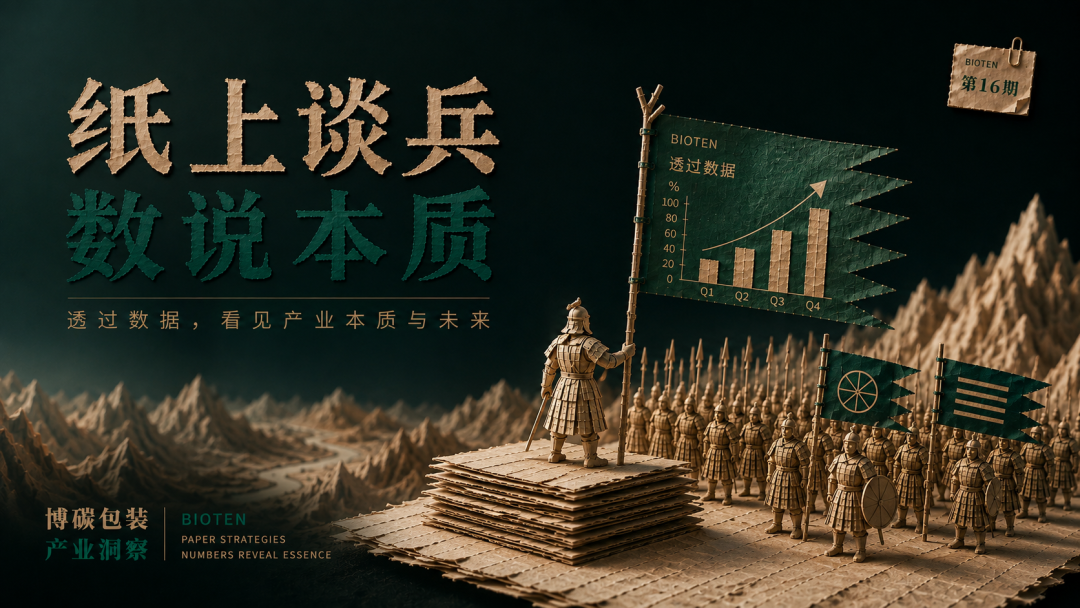
纸上谈兵丨数说本质:给产业链留下的四本账
38万吨不是浆价反转的结论,40亿元也不是行业利润表;星巴克5%雾度冷杯、24小时不漏和4亿只再生PET瓶坯共同说明:下一轮竞争比的不是单一材料,而是谁能把资源、价格、性能与证据同时兑现。
本周最值得带走的,不是“行业正在全面变好”,而是四本账的优先级已经变了:
资源账:不只看当前价格,更看纤维是否长期可得、可替代、可稳定交付。
价格账:不只看涨价函,更看净价、订单、回款和现金。
性能账:不只看材料参数,更看最终SKU在安全、加工、体验与末端条件下能否稳定成立。
证据账:不只看一份声明,更看成分、检测、结构、供应链与市场规则能否逐项对应。
谁先把这四本账做成一条从原料到末端的反馈链,谁就更有机会在下一轮价格波动、客户筛选和规则收紧中拿到稳定订单。纸、塑料和生物基材料都还有各自擅长的场景;产业进步不是消灭某一种材料,而是让每一种材料被用在真正能持续兑现价值的位置。
博碳包装·产业洞察·研究说明
本文基于企业公告、监管与贸易救济机构资料、品牌开放创新页面和项目公开资料,由博碳包装独立研究整理。本文仅供造纸及包装产业链研究学习,不构成投资、采购、通关、贸易救济应诉或交易依据。如对内容、数据或权益有意见,可留言提出修改、说明或删除要求,我们将在收到后24小时内核查处理。
博碳观察数据与核验来源
Domtar|Howe Sound无限期停运公告
玖龙纸业|盈利预告信息
Innocentive|Starbucks全球冷杯创新挑战
yet2|Starbucks挑战详细条件
Cirkla|美国模塑纤维鲜肉包装项目
三得利|泰国FtoP再生PET项目
欧盟委员会|PPWR包装废弃物规则
欧盟委员会|PPWR常见问题
加拿大边境服务局|纸板杯及容器立案通知
加拿大边境服务局|纸板杯及容器调查时间表
Paper & Packaging Weekly Roundup: Week 34 of 2026
This Week, Competition in Paper and Packaging Entered a New Phase
Starbucks is offering US$100,000 for a cold-cup solution, 380,000 tonnes of softwood pulp capacity has been idled, and one paper producer has issued an RMB 4 billion profit outlook. These seemingly separate developments are moving competition in paper and packaging from “who can produce” to “who can deliver proven outcomes.”
Materials and Sourcing
01 | Starbucks Offers US$100,000 for a Transparent, Plastic-Free Cold Cup: Why Is It So Difficult?
Starbucks has launched a global cold-cup innovation challenge through InnoCentive, with a US$100,000 award and a submission deadline of 14 September. It is not looking merely for a “more sustainable cup”, but for an integrated cup-and-lid solution that can enter a real-world supply chain.
According to the project criteria, a target solution must simultaneously provide high transparency—with haze of no more than 5%—meet the challenge’s definition of “plastic-free”, be compostable, comply with food-contact requirements in the target markets, have no odour, withstand short-term heat exposure, remain leak-free after holding liquid for 24 hours, survive a one-metre drop when filled with ice water, and demonstrate manufacturing potential at a scale of at least several hundred tonnes per year.
The difficulty is that these requirements are not naturally compatible. Transparency generally relies on a uniform, dense material structure; barrier performance, heat resistance and rigidity often require more complex formulations or structures; and compostability, compatibility with existing equipment and cost at scale further narrow the available options. A cold cup is therefore no longer an ordinary packaging item, but an integrated engineering challenge spanning materials, forming, food contact, consumer experience and end-of-life treatment.
“Plastic-free” also requires precise interpretation. Here it is a screening criterion defined specifically for this challenge and is narrower than common market claims such as “bio-based” or “compostable”. It should not be extrapolated into a blanket rejection of material routes such as PLA or PHA. Each material still needs to be evaluated against its intended use, applicable regulations and available end-of-life conditions.
For Chinese materials and packaging companies, brand procurement is shifting from “What material is it?” to “Can you provide a complete evidence package for the final SKU?” Food-contact compliance, stable barrier and heat-resistance performance, equipment compatibility, unit cost, and recycling or treatment pathways must all be addressed in one validation package. If any element is missing, a solution will often remain at the sample or pilot stage and struggle to enter a long-term procurement catalogue. The published criteria combine several requirements that constrain one another; whether a solution can enter an actual procurement system will therefore depend on materials, manufacturing, compliance, cost and end-of-life pathways forming a verifiable, integrated loop.
Key Qualification Requirement
Food contact, barrier performance, equipment compatibility, cost and end-of-life pathways must all work at the same time.
Research sources:InnoCentive | Starbucks Global Cold Cup Innovation Challenge; yet2 | Detailed challenge criteria.
Supply and Cost
02 | 380,000 Tonnes Idled: Not a Turning Point, but a Contraction at the Margin of the Cost Curve
On 20 August, Domtar announced the indefinite idling of its Howe Sound pulp mill in Canada and the associated chip facility. The company said the decision would remove approximately 380,000 tonnes per year of northern bleached softwood kraft (NBSK) pulp from market supply, citing weaker demand in Asia, persistently poor global pulp pricing and reduced availability of affordable fibre in the region.
The most useful interpretation is not that “380,000 tonnes have disappeared, so pulp prices will reverse immediately”. The indefinite idling of a mill first indicates that current prices are insufficient to justify continuing to exchange cash for output at that asset. It changes the margin of the cost curve rather than instantly rewriting the global supply-demand balance for market pulp.
For Chinese paper mills and traders, the next step should not be to watch only futures screens or regional averages. Four variables deserve continuous monitoring: arrivals of imported softwood pulp and port inventories; the spread between comparable import offers and domestic prices; whether other high-cost North American assets follow with downtime; and whether Howe Sound is ultimately restarted, sold or permanently closed. Whether furnish substitution is viable must still be assessed against the specific grade, quality requirements and end-use application.
What to Watch
Whether high-cost supply continues to contract—starting with inventories, price spreads and the status of comparable capacity.
Research sources:Domtar | Announcement of the indefinite idling of Howe Sound.
Profit and Cash
03 | RMB 4 Billion in Profit: Rising Paper Prices Do Not Mean Profits Have Fully Returned
Nine Dragons Paper issued a positive profit alert on 20 August. For the year ended 30 June 2026, the group expects profit of approximately RMB 3.9–4.1 billion, an increase of 77.1%–86.2% year on year. The company’s explanation is straightforward: sales volume increased, while product selling prices rose faster and by more than raw-material costs, improving gross profit.
That explanation is more informative than the headline profit increase. A recovery is sustainable only when comparable net selling prices outpace costs without sacrificing orders, extending payment terms or tying up more cash. Higher paper prices, improving industry quotations and company profit growth are related measures, but none can substitute for the others.
For board, carton and other packaging converters, the most useful discipline is a weekly review of four indicators: realised transaction prices after increases, changes in downstream orders, inventory turnover for both base paper and finished goods, and accounts receivable together with operating cash flow. The first two show whether customers have accepted the higher prices; the latter two show whether profit has actually returned to the balance sheet and cash account.
Research sources:Nine Dragons Paper | Positive profit alert.
System-Level Competition
04 | Fibre Trays and Recycled PET: System-Level Competition Has Begun
Cirkla has announced plans to build a moulded-fibre fresh-meat packaging plant in Georgia, United States, with production scheduled to begin in the first quarter of 2027. Its published concept does not pit an uncoated “bare fibre” tray against modified-atmosphere packaging for fresh meat. Instead, it combines a fibre tray, a high-barrier liner, heat sealing and a design that allows the components to be separated. The company’s claims regarding plastic reduction and shelf life still need to be validated for specific SKUs, test conditions and local recycling pathways, but the route itself makes one point clear: the further paper-based packaging moves into high-performance applications, the more it must be engineered as a barrier system.
In the same week, Suntory, Indorama Ventures and Iwatani announced a bottle-to-preform recycled-PET project in Thailand. The planned facility will have annual capacity equivalent to approximately 400 million recycled-PET preforms and is expected to supply Suntory PepsiCo Beverage Thailand from 2028. Plastic packaging is not standing still while it waits to be replaced; it is also using closed-loop recycling, shorter processing routes, brand procurement and scale manufacturing to reduce system costs.
This provides a more mature frame for the “paper replacing plastic” debate. Paper should not be forced into applications where it cannot reliably deliver safety, barrier performance or supply; plastics should not use mature performance as a reason to ignore circularity and compliance pressures. The competition is not between material camps, but between technology routes seeking to deliver the same packaging service at the lowest total system cost.
Research sources:Cirkla | U.S. moulded-fibre fresh-meat packaging project; Suntory | Thailand bottle-to-preform recycled-PET project.
Rules and Exports
05 | PPWR and Canada’s New Investigations: Evidence Must Follow the Final SKU
The EU Packaging and Packaging Waste Regulation (PPWR) has been generally applicable since 12 August and covers all packaging placed on the EU market, regardless of material or origin. Restrictions on PFAS above specified thresholds in food-contact packaging have also reached their application date; this does not mean that every requirement scheduled for 2030—covering recyclability, recycled content, minimisation and reuse—has taken effect at the same time.
For paper-based food packaging, customers will ask increasingly specific questions: Where does the barrier performance come from? What is present in the coating, inks and adhesives? Can the final packaging unit be supported by evidence on composition, testing, supply chain and structure? “Paper-based”, “biodegradable” and “plastic-free” are no longer stand-alone passports to market.
On 17 August, the Canada Border Services Agency initiated dumping and subsidy investigations into certain paperboard cups and containers from China, extending the same evidence logic to exports. Initiation does not mean that duties have been imposed, but exporters should first verify the product definition, coated-paperboard structure, formed blanks and documentation chain before modelling possible duty scenarios. Product scope and documentation quality often shape the quality of a response well before a final determination is announced.
Documentation Focus
Composition, coatings, inks, adhesives, testing and the documentation chain must all be tied to the final SKU.
Research sources:European Commission | PPWR packaging-waste rules; European Commission | PPWR frequently asked questions; CBSA | Notice of initiation for paperboard cups and containers; CBSA | Investigation schedule.
Paper Talk | Reading the Data: Four Ledgers the Value Chain Must Now Keep
An idling of 380,000 tonnes is not, by itself, proof of a pulp-price reversal, and RMB 4 billion is not the profit statement of an entire industry. Starbucks’ 5%-haze cold cup, the requirement to remain leak-free for 24 hours, and capacity for 400 million recycled-PET preforms all point to the same conclusion: the next round of competition will not be decided by a single material, but by who can deliver resources, pricing, performance and evidence together.
The most useful takeaway this week is not that “the industry is improving across the board”, but that the priority of four business ledgers has changed:
Resource ledger:Do not look only at today’s price; assess whether fibre will remain available, substitutable and reliably deliverable over time.
Price ledger:Do not look only at price-increase letters; assess net realised price, orders, collections and cash.
Performance ledger:Do not look only at material specifications; determine whether the final SKU can consistently satisfy safety, processing, user-experience and end-of-life requirements.
Evidence ledger:Do not rely on a single declaration; map composition, testing, structure, supply chain and market rules item by item.
The companies that first turn these four ledgers into a feedback loop from raw materials to end of life will be better positioned to win stable orders through the next cycle of price volatility, customer screening and tightening rules. Paper, plastics and bio-based materials each retain applications in which they perform best. Industrial progress is not about eliminating one material, but about using every material where it can deliver sustainable value.
BIOTEN Packaging | Industry Insights | Research Note
This article was independently researched and compiled by BIOTEN Packaging from company announcements, regulatory and trade-remedy materials, brand open-innovation pages and publicly available project information. It is intended solely for research and learning across the paper and packaging value chain and does not constitute investment, procurement, customs, trade-remedy or transaction advice. If you have comments concerning the content, data or rights involved, please leave a message requesting a correction, clarification or removal. We will review the request within 24 hours of receipt.
BIOTEN Observer Data and Verification Sources
Domtar | Announcement of the indefinite idling of Howe Sound
Nine Dragons Paper | Positive profit alert
InnoCentive | Starbucks Global Cold Cup Innovation Challenge
yet2 | Detailed criteria for the Starbucks challenge
Cirkla | U.S. moulded-fibre fresh-meat packaging project
Suntory | Thailand bottle-to-preform recycled-PET project
European Commission | PPWR packaging-waste rules
European Commission | PPWR frequently asked questions
Canada Border Services Agency | Notice of initiation for paperboard cups and containers
Canada Border Services Agency | Investigation schedule for paperboard cups and containers