
北京大学全球大学生创新创业中心于10月9号在北京大学百年大讲堂正式成立。北京市副市长、中关村管委会书记隋振江,北京大学校长林建华参加活动并致辞。常务副校长吴志攀,经济学泰斗光华学院名誉院长厉以宁,北京大学校友会、创业训练营成员,北京大学企业家俱乐部理事成员,新东方集团董事长俞敏洪、中坤集团董事长黄怒波、李宁集团董事长李宁、招商局金融集团总经理苏敏、腾讯集团副总裁马斌、北科建集团董事长郭莹辉、都佰城集团董事长林凡秋等企业家代表,北京大学大学生创业代表等参会,当天会议上共计2000多名政商界知名代表参加。
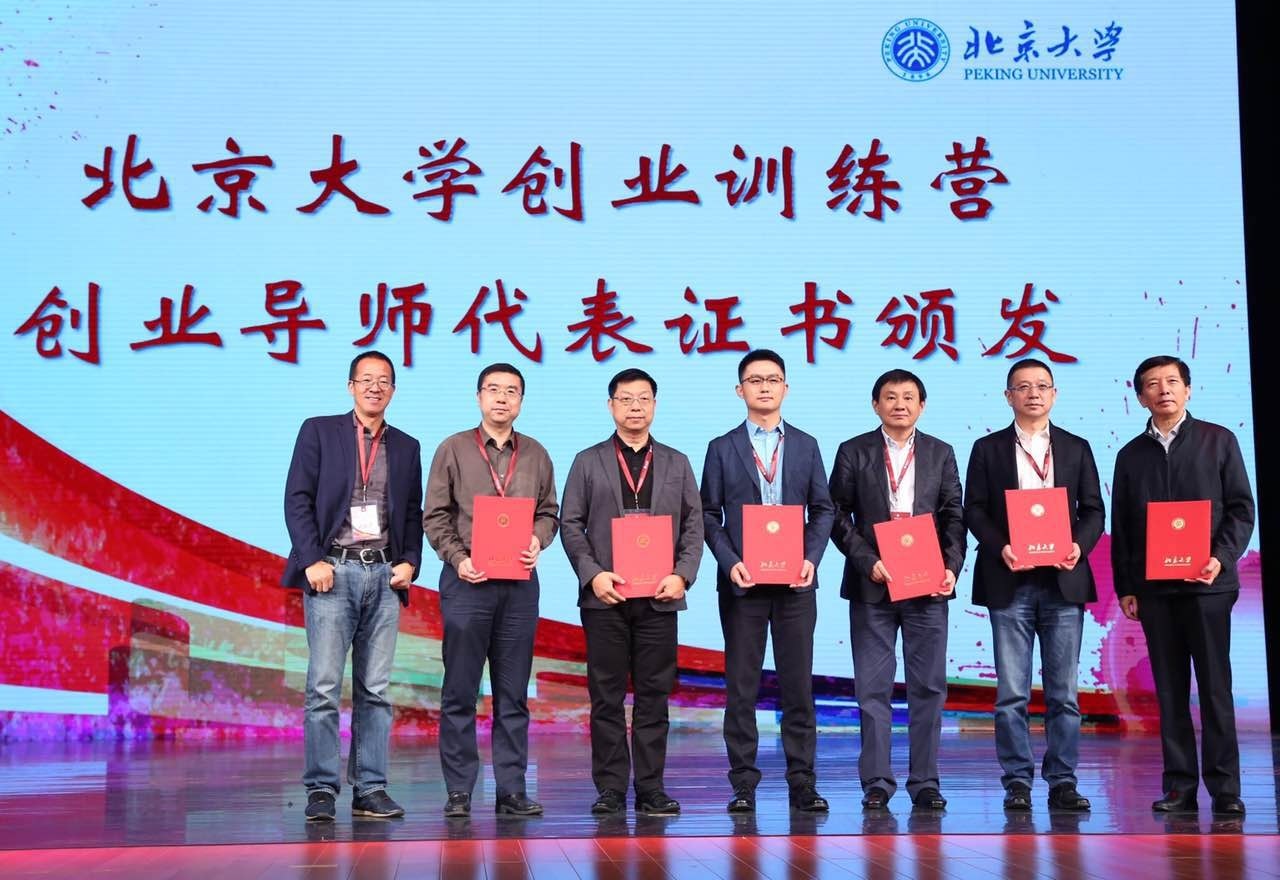
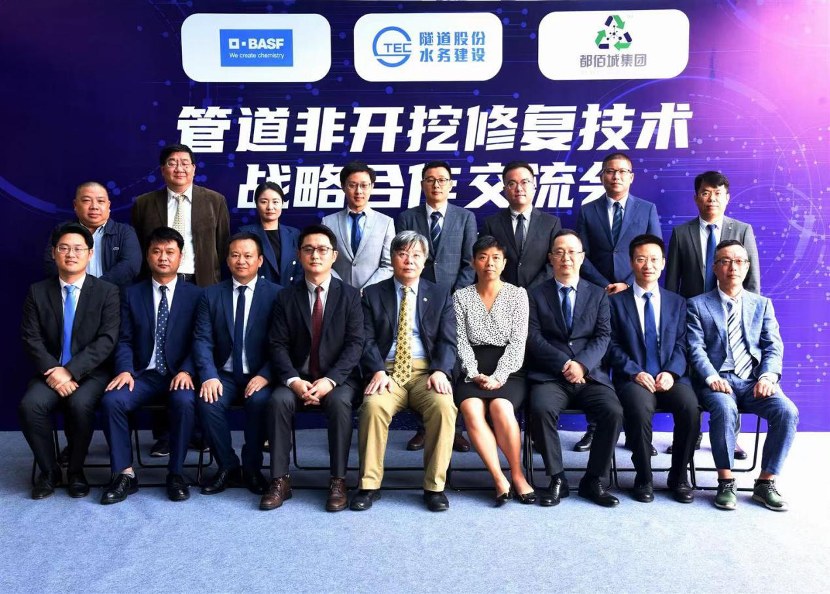
图为受聘导师代表
全球大学生创新创业中心,作为北大创新创业教育实践基地,其落成既是北大服务创新创业国家战略的关键举措,更是探索全方位构建大学生创新创业生态系统,培育学生创新精神、优化校园创业氛围的有益尝试。
当天,来自上海的企业家林凡秋上台领取了北京大学全球大学生创新创业导师特聘证书。从林凡秋的外表上看,这位导师很年轻也十分帅气。他出现在大讲台时给众多嘉宾耳目一新的感觉,大家都很想知道这位年轻的导师会给即将探索世界的大学生们带来怎样的教导。笔者正想着怎样“搭讪”之时,林老师突然间“消失”了,随后和几个老师找了许久也未见到林凡秋本人。
笔者费尽几番周折才设法要到这位导师的电话,也就在昨天终于联络上了他。电话中的林凡秋很有老师的感觉。他是孔孟之乡山东济宁人,在北京生活过,在上海创业多年,说话谦虚谨慎,低调且彬彬有礼,很像当天留给我的印象。
让我深感意外的是,林凡秋竟扎根于传统和实体行业,跟我想象中的差距很大。一位年轻的上海企业家怎么会热衷于实体行业的创新,而不是高科技行业?甚至跟互联网都没有关系!这更让我好奇了。在接下来与他的一番沟通中,我心中的一个个疑团被慢慢解开了。
“大多数创新只是一层窗户纸,一捅就破”
说到创业时,他一下子就上升了一个维度,认真、专业,对现在的创业群体有很多不同看法。他一再表明自己的身份,说自己也在创业,希望创业者能冷静地看清市场,认清自己,不要自信过头,不要局限自己的视野。说到这里,我感觉自己“逮“到了一位有独到见解、敢说话的年轻企业家。
林凡秋说,实业和传统行业的众多领域存在很大的创新空间,亟待更新。中国传统行业的经营思想还非常落后,中国自有材料还相对低端,我们日常生活中使用的产品、设施常常能看到进口品牌的身影,就算是手上拿着一个国货产品,其组成材料和核心技术大多也掌握在进口品牌商手里。“眼下疯狂竞争的各种互联网服务创新是大多数创业者的噩梦。一个相同的服务功能,在全国有近1000个团队在做,也就是说很多人在做同一件事,最终能活下来的少之又少。”
说到创新创业,林凡秋总是会时不时提醒我,创业者是需要有独立思考的能力,在保持纯净创新意识的同时,还是要真正走出去体验。他认为,很多自以为能改变世界的创新,其实很多小的创业团队已经在筹划各种上市的时间表,也有众多孵化器都在埋头苦干地努力着,还有些超级大企业伺机而动,等待小企业培养好用户习惯后再“饱餐一顿”。大多数创新只是一层窗户纸,很容易捅破。我们不能保证我们就是最快最优秀的,也不能笃定自己的创意就会吸引投资人给钱,更不能把自己的时间浪费在拼凑的梦想上。
“市场上从来也不缺少努力的人。而能否组建到有成功特质的团队,是否选对方向,是否能抵抗无知的力量,创新内核是否足够坚硬⋯⋯这些将是成功与否的关键因素。”
在越来越开放的市场氛围中,创业创新的声音不绝于耳,但现实却很残酷——创业容易成业难。创业企业的核心竞争力到底是什么?
林凡秋强调,从碎片化的竞争结构演变成系统化的竞争结构,这就是核心竞争力。当下大多的创新模式其实并不复杂,听两分钟就知道怎么做了,这也就是创业容易成业难的主要原因。深挖自己的创业方向后,大多数人就会发现自己很难说服自己,赶不上趋势的变化,也无法准确预测自己的业务模式。“我们都很努力,可在努力之后遭受的大多是现实的打击。”
“将一个行业做专、做深、做透、做大,再去跨界、颠覆”
虽然深耕于实业创新,对于风潮正旺的“互联网+”,林凡秋也有自己的看法。他说,“几年来大家齐头并进,砸下巨额资金搞互联网服务创新,一时间涌出无数的创业者去掠夺一个看似美味的蛋糕。拆东墙补西墙,好不容易有一个有技术含量的创业团队,很快就被资本侵蚀,走向了一个只顾创造市场价值的无底深渊。更可怕的是也有一大批实体行业的小企业家们,为了赶时髦去搞互联网创新和各种互联网金融投资等,勤勤恳恳经营数十年积累下来的财富很快就”灰飞烟灭”了。深挖这些群体所关注的创新模式基本上不具备任何竞争力,甚至很落后。可在一些实业家眼里,这些互联网服务却如此的有前景。试问,如今又有几个互联网创业团队真正成功了?活着的又在做什么?如果你的产品有很好的发展,又有多少人在做类似的创新呢?就算你的创新鲜有跟风、大有“钱”景,BATW(百度、阿里巴巴、腾讯、万达)一个模仿就能甩你一个世纪。”
“随着时代的不断发展,我们花在实体行业上的时间越来越少,而拼凑一个梦想去追逐潮流也越来越容易了,跨界、颠覆成为这个时代最为响亮的声音。”
在林凡秋看来,先选一个明智的行业将其做专、做深、做透、做大,再去跨界、颠覆,实现所谓的初心并不晚。“就如刚刚获胜的美国45任总统唐纳德·特朗普,一个年迈的企业家不是也当上了美国总统了吗?试问,他最大的政治业绩是什么?我相信没人能查得到,因为他没有从政经验,但我们都知道他是一个地产商,一个非常成功的商人。可见,能够将本业做到一定的高度,那么在其它领域成功的可能性就更大了。因为越往上走,企业家的高度、眼界,以及可调用的资源就不是常人所能达到和触及的了。”
“材料的创新创业恰恰是这个时代最好的机会”
沟通接近尾声,侃侃而谈的林凡秋回到了他的本行,也表达了对年轻创业者的期许。
他预测基础材料时代的大革命不久就会发生,实体行业创新将成为一个更接地气的发展方向,也将成为全国乃至全球关注的新热点。因为城市需要具备功能性,基础设施需要更新,人类居住的环境将更为环保安全。”且不说现在材料行业是否有大机会,就说创业创新,无论什么样的产品都需要材料来实现,无论多好的想法都要实物来体现。材料应用的创新创业恰恰是这个时代最好的机会。新实业之路亟需一大批优秀的年轻人共同参与,提升行业整体创新意识,更新行业经营模式,激发中国材料行业的研发动力,让好产品开口说话。”
他说,从大概率上讲创业成不成功就看头几年,去人少的地方不会拥挤,竞争也没那么惨烈。创业需要理性思考,需要技术做支撑,需要学习,这些都需要时间来试错,也要有足够的时间来纠错。而当下大多数创新领域根本就不给你冷静思考的机会,唯快不破反而成了创业者的死循环。希望年轻的创业者们具备“自觉”的能力,有了“自觉”,就会“自动”。
能力是什么?林凡秋经常告诫自己,也会提醒一些好朋友,“能力的体现首先要有专业的知识,一定的经验和做事的方法,我们不能随便定义自己就是个有能力的人。成功靠勤奋,靠机遇,靠智慧,这都是不可或缺的。智慧不是天生的,但智慧是可以学习的。有智慧的人首先一定是诚信的,再来,他肯定很努力。想做成一个伟大的企业我们一定要够勤奋,一定要努力做事,因为越努力就会越幸运,机遇也就会随之而来。”
“深入材料大行业我们可以发现很多细分领域,每个细分领域都蕴藏着巨大的财富,也给年轻人实现梦想预留了足够多的空间。”林凡秋更希望这个时代的年轻创业者自觉自动的能力能够“绽放”在实体行业的创新中来。让推动全球变革的互联网这把工具反哺实体经济,带动基础材料和新材料应用的全球化革命。
The Global Center for Innovation and Entrepreneurship at Peking University, serving as a practical base for the university’s innovation and entrepreneurship education, marks a significant step in supporting national strategies for innovation and entrepreneurship. It also represents an attempt to comprehensively build an ecosystem for student innovation and entrepreneurship, fostering innovative spirit and optimizing the entrepreneurial atmosphere on campus.
From Mentor Appointment to Entrepreneurial Interviews
On that day, entrepreneur Lin Fanqiu from Shanghai received a special appointment certificate as a mentor for the Global Center for Innovation and Entrepreneurship at Peking University. At first glance, this young and handsome mentor gave the audience a fresh impression when he stepped onto the stage. Everyone was curious about what kind of guidance this young mentor would offer to the soon-to-be explorers. As I pondered how to approach him, Lin suddenly disappeared, and it took some time for me to locate him with a few colleagues.
After several attempts, I finally managed to get in touch with him. On the phone, Lin Fanqiu sounded like a seasoned teacher. He is from Jining, Shandong, a region known for Confucianism and Mencius. He has lived in Beijing and has been running businesses in Shanghai for many years. His speech was humble, cautious, and polite, much like his impression on me.
What surprised me was that Lin Fanqiu is deeply rooted in traditional and physical industries, which is quite different from what I had imagined. How can a young entrepreneur from Shanghai be passionate about innovation in traditional industries rather than high-tech sectors or even the internet? This only piqued my curiosity further. During our subsequent conversation, many of my questions were gradually answered.
To my surprise, Lin Fanqiu has deeply rooted himself in traditional and physical industries, a stark contrast to what I had imagined. How can a young Shanghai entrepreneur be passionate about innovation in the physical sector rather than high-tech industries? Even more surprisingly, it has nothing to do with the internet! This only piqued my curiosity further. During our subsequent conversation, many of my doubts were gradually clarified.
Most innovations are just a layer of window film that can be easily broken.
On Innovation and Core Competitiveness
When discussing entrepreneurship, he immediately elevates the conversation to a higher level, demonstrating seriousness and professionalism. He has many different perspectives on today's entrepreneurial community. He repeatedly emphasizes his own entrepreneurial status, hoping that entrepreneurs can remain calm and clearly understand the market and themselves, avoiding overconfidence and limiting their vision. At this point, I feel like I have caught a young entrepreneur with unique insights who dares to speak.
Lin Fanqiu points out that there is significant innovation potential in many sectors of the real economy and traditional industries, which urgently need to be updated. The business philosophy of traditional Chinese industries is still very backward, and Chinese proprietary materials are relatively low-end. Products and facilities we use in our daily lives often feature imported brands, even when holding a domestic product, its core materials and technologies are mostly controlled by foreign brand owners. 'The fierce competition in various internet services is a nightmare for most entrepreneurs. With nearly 1,000 teams working on the same service function across the country, only a few can survive.'
Discussing entrepreneurship and innovation, Lin Fanqiu always reminds me that entrepreneurs need to have independent thinking abilities while maintaining pure innovative awareness. He believes that many innovations believed to change the world are actually being planned by small entrepreneurial teams for various IPO schedules, with numerous incubators working hard, and some large companies waiting in the wings to capitalize on the user habits of small businesses. Most innovations are just a layer of window film, easily broken. We cannot guarantee that we are the fastest or best, nor can we be certain that our ideas will attract investors' funding. We should not waste our time piecing together dreams.
'The market is never short of hardworking individuals. The key to success lies in forming a team with successful traits, choosing the right direction, resisting the force of ignorance, and ensuring that the core of innovation is strong enough... These factors will determine success or failure.'
In the increasingly open market environment, voices of entrepreneurship and innovation are constant, but reality is harsh—entrepreneurship is easy, but becoming established is difficult. What is the core competitiveness of entrepreneurial enterprises?
Lin Fanqiu stresses that evolving from fragmented competitive structures to systemic ones is what defines core competitiveness. Most current innovative models are not complex; one can understand how to do it in just two minutes, which is why entrepreneurship is easy but becoming established is difficult. After deeply exploring their entrepreneurial direction, most people find it hard to convince themselves, struggle to keep up with changing trends, and cannot accurately predict their business models. 'We all work hard, but the reality often hits us hard afterward.'
'Specialize, deepen, and thoroughly understand an industry before crossing over and disrupting it.'
From Deepening in the Real Economy to Material Innovation
Despite his deep involvement in industrial innovation, Lin Fanqiu also has insights on the booming 'Internet+' trend. He says, 'Over the past few years, everyone has been pouring huge amounts of capital into internet service innovation, leading to a surge in entrepreneurs vying for what seemed like a lucrative market. This has created a cycle where resources are constantly reallocated, and soon after a technically sound startup emerges, it is often eroded by capital, leading to a bottomless pursuit of market value. Even more alarming is the large number of small business owners in traditional industries who, in an attempt to keep up with the trend, have squandered decades of accumulated wealth on internet innovation and various internet financial investments.' The innovative models that these groups focus on are generally not competitive and even outdated. However, in the eyes of some industrialists, these internet services hold great promise. How many internet startups have truly succeeded? What are they doing now? If your product has good development potential, how many people are engaging in similar innovations? Even if your innovation is not easily replicated and has a promising future, a copycat from BATW (Baidu, Alibaba, Tencent, Wanda) can outshine you by a century.
As the times continue to evolve, we spend less time on traditional industries, and it becomes increasingly easy to chase after trends. Cross-industry disruption has become the loudest voice of this era.
In Lin Fanqiu's view, it is not too late to focus on a particular industry, deepen its expertise, and then venture into cross-industry disruption to achieve one's original aspirations. For instance, just like the recently victorious 45th US President, Donald Trump, an elderly businessman, managed to become the president. What was his greatest political achievement? No one can verify it because he lacked political experience, but we know that he was a successful real estate developer. This shows that excelling in one's core business increases the likelihood of success in other areas. As one ascends, the height, perspective, and resources available to an entrepreneur are far beyond those of ordinary people.
Innovation and entrepreneurship in materials science present the best opportunities of this era.
As our conversation drew to a close, Lin Fanqiu returned to his core expertise and expressed hopes for young entrepreneurs.
He predicted that a major revolution in the era of basic materials is imminent, with industrial innovation becoming a more grounded development direction and a new focal point of national and global interest. Cities need functionality, infrastructure needs updating, and human living environments will become more environmentally friendly and secure. Even if there are no significant opportunities in the current materials industry, innovation and entrepreneurship require materials to bring ideas to life. The application of materials in innovation and entrepreneurship is the best opportunity of this era. The new path of industrial revitalization urgently requires a large number of outstanding young people to participate, enhancing overall innovation awareness, updating business models, stimulating research and development in China's materials industry, and making good products speak for themselves.
He noted that the success or failure of startups is largely determined within the first few years. Going where there are fewer people avoids congestion and less intense competition. Entrepreneurship requires rational thinking, technological support, and learning, all of which require time to test and correct. Most current innovation fields do not provide the opportunity for calm reflection, and the pressure to be fast-paced has become a dead end for entrepreneurs. He hopes that young entrepreneurs develop a sense of self-awareness, as this will lead to automatic actions.
What is capability? Lin Fanqiu often reminds himself and his friends that 'capability' is not just about having professional knowledge, experience, and methods. We cannot casually define ourselves as capable individuals. Success comes from diligence, opportunity, and wisdom, all of which are indispensable. Wisdom is not innate but can be learned. A wise person is first honest, and then they work hard. To build a great enterprise, we must be diligent and work hard because the more effort we put in, the luckier we become, and opportunities will follow.
By delving into the materials industry, we can discover many niche areas, each of which holds immense potential and provides ample space for young people to realize their dreams. Lin Fanqiu hopes that the self-aware and automatic capabilities of this era's young entrepreneurs will flourish in industrial innovation. This will enable the tools of global change, such as the internet, to support real industries, driving a global revolution in basic materials and new material applications.