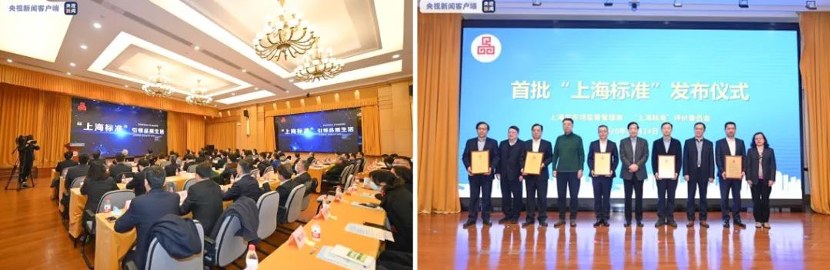

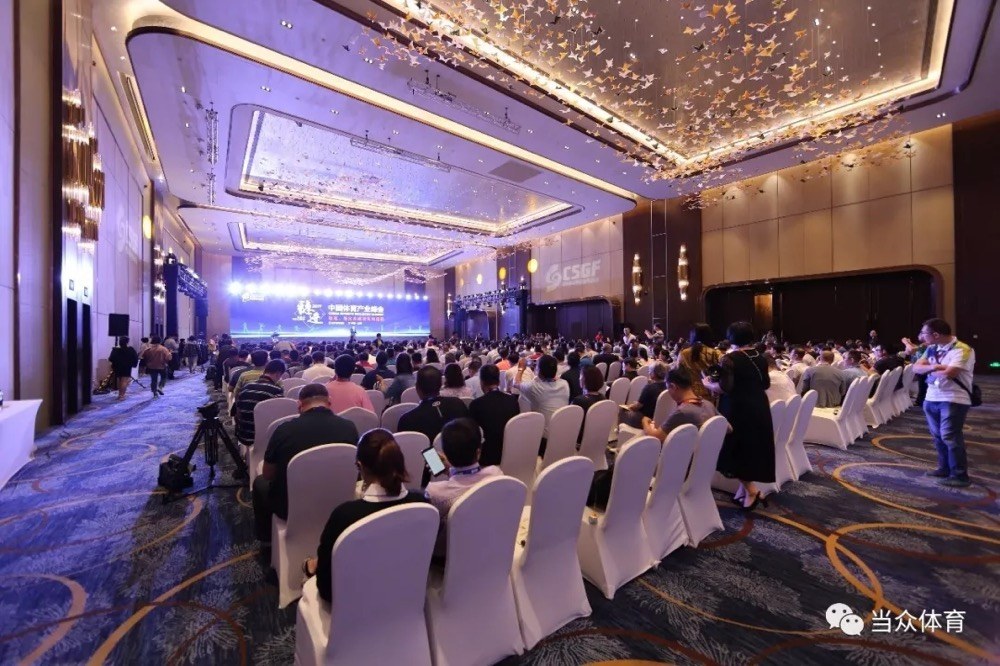
5月22日,中国国际体育用品博览会品牌级活动——中国体育产业峰会在上海虹桥绿地铂瑞酒店举行。国家体育总局副局长李颖川、全国人大常委、清华大学公共管理学院院长江小涓、国家体育总局经济司司长刘扶民、中国体育用品业联合会主席李桦、上海市体育局局长徐彬及行业专家学者、从业者等六百多人汇聚一堂,共襄体育产业盛事。
研发更多新材料、新技术、新装备
作为国民经济的新增长点,体育产业在社会效益、经济效益、生态效益等方面的综合发展效应突出。自2014年国务院发布46号文以来,体育产业借助政策激励与资源集聚,迅速成为新经济风口,五年间展现了非常强劲的发展势头。国家体育总局副局长李颖川表示,“中国体育产业潜力很大、前景广阔,正处于历史上最好的发展时期,体育用品业也面临难得的发展机遇。”
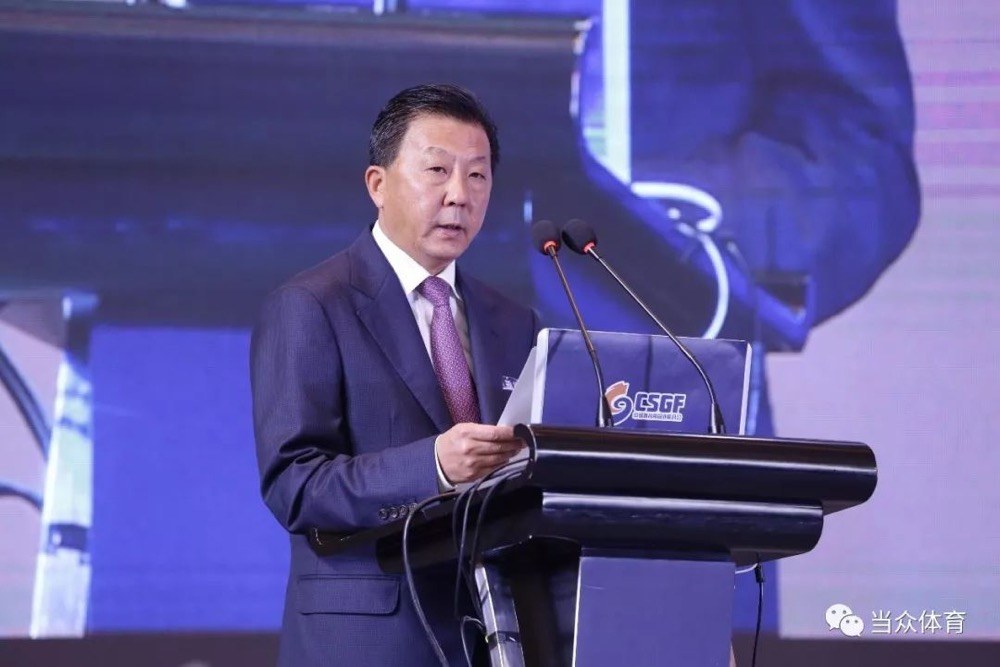
国家体育总局副局长李颖川
下一阶段,如何推动体育产业特别是体育用品业的高质量发展呢?
李颖川指出,“一是以创新为动力,推动体育用品业转型升级,抓住新一轮科技革命和产业革命带来的重大机遇;二是结合体育改革,拓展体育用品业发展空间。研发更多新材料、新技术、新装备,开发更多功能多元、使用方便的体育器材装备,特别是冰雪器材装备,满足健身需求;三是坚持市场导向,打造知名体育用品品牌。"
双倍动力就有双倍问题:发展和治理要“双手硬”
全国人大常委、清华大学公共管理学院院长江小涓在发言中,以一个微观的数据——健身房数量的变化为例来说明46号文对体育产业发展的重要促进作用。“在我们家附近,2015年的时候,600米半径内的健身房只有1家。到2018年7月份的时候健身房有了10家。”其他的社区也是一样,在同一个时点上600米半径的健身房都是8-10家。
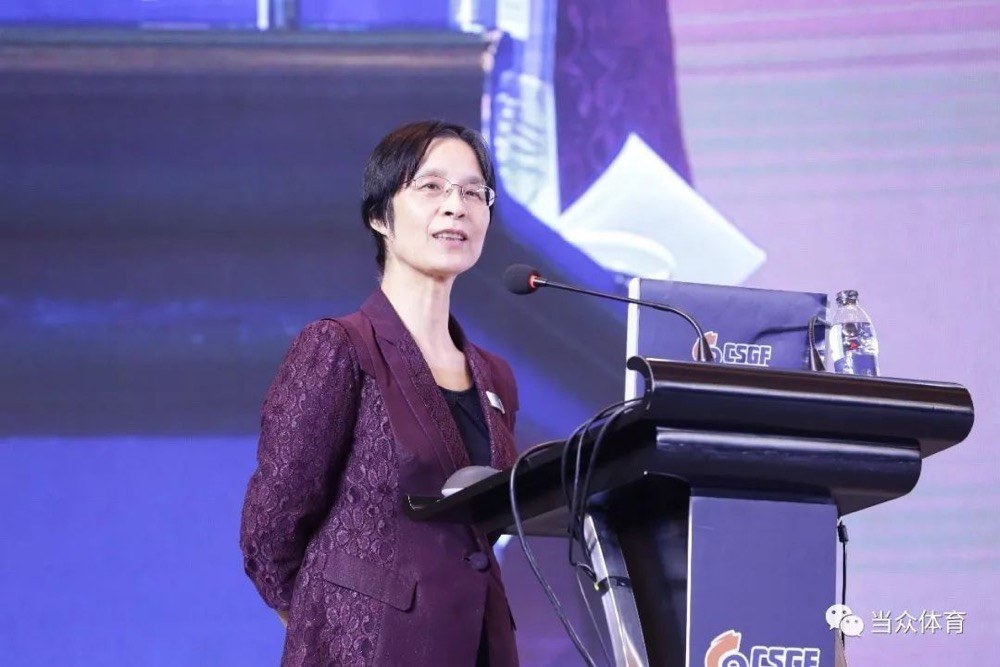
全国人大常委、清华大学公共管理学院院长江小涓
江小涓同时也说道,五年时间不算长,变化非常多,这些变化对体育产业的影响可能比整体经济的影响还要突出,它也带来了新的挑战。
江小涓坦言,中国体育产业的特点是政府和市场“两只手”都在强劲发力。两者并存,结果很可能是激励倍增和矛盾叠加,呈现出既快速又“混乱”的局面。因此,既要促进发展又要有效治理,“两手都要硬”的中国特色发展模式也将是中国体育产业发展的恰当选择。
稳步前行,坚定体育产业发展的信心与耐心
作为行业主管协会和产业峰会的主办方,中国体育用品业联合会一直致力于推动行业健康可持续发展。正如联合会主席李桦围绕"稳进"这一年度主题所展开的深度阐释,一方面是中国经济发展的新阶段稳字当头,体育产业"长周期"的特点更加鲜明地展示出来,需要各方以更加稳健的步伐,另一方面则是成为国民经济新的增长点的全新定位,对中国体育产业聚焦核心竞争力建设提出了更高的要求,对创新发展、担当支柱产业的主动前行提出了更高要求。
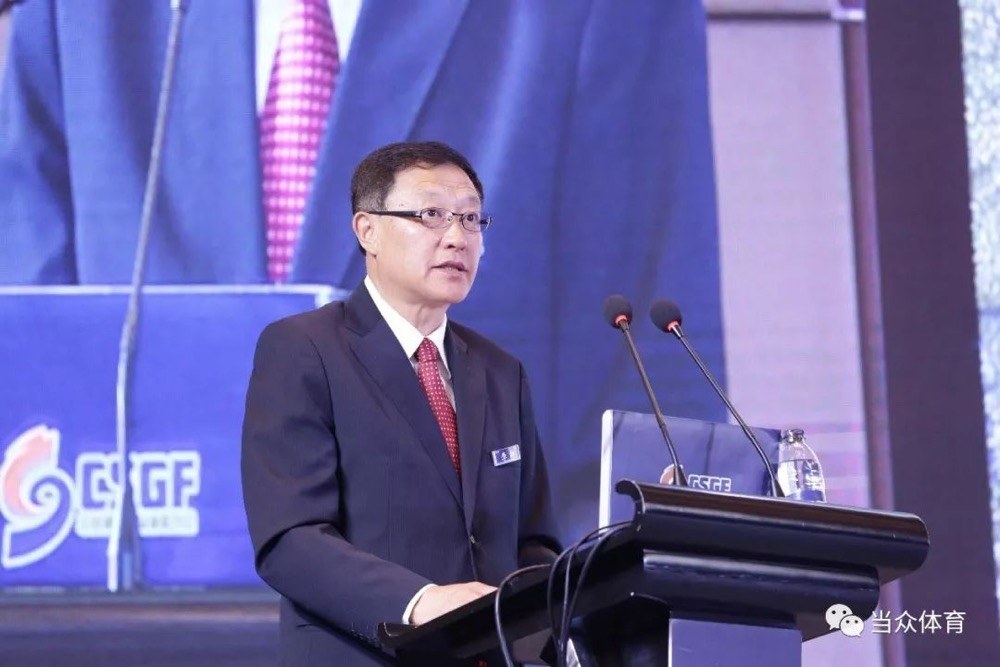
中国体育用品业联合会主席李桦
李桦也表达了对于体育产业发展的坚定信心,他认为:"'体育+'的跨界融合属性是让体育产业最需要、也最有可能用好新科技变革的浪潮。"为此,他向体育从业各方发出邀请,呼吁大家密切关注新科技、主动求变,真正将创新内化为核心竞争力。
坚持开放,坚守使命,体育市场就会越来越大
作为新时代体育产业发展的标杆,上海市在着力打造"国际赛事之都",在很多发展举措与创新实践方面有很多优秀成果。上海市体育局局长徐彬特别强调,只要我们勇于“放开”,善于“开放”,体育市场就会越来越大。
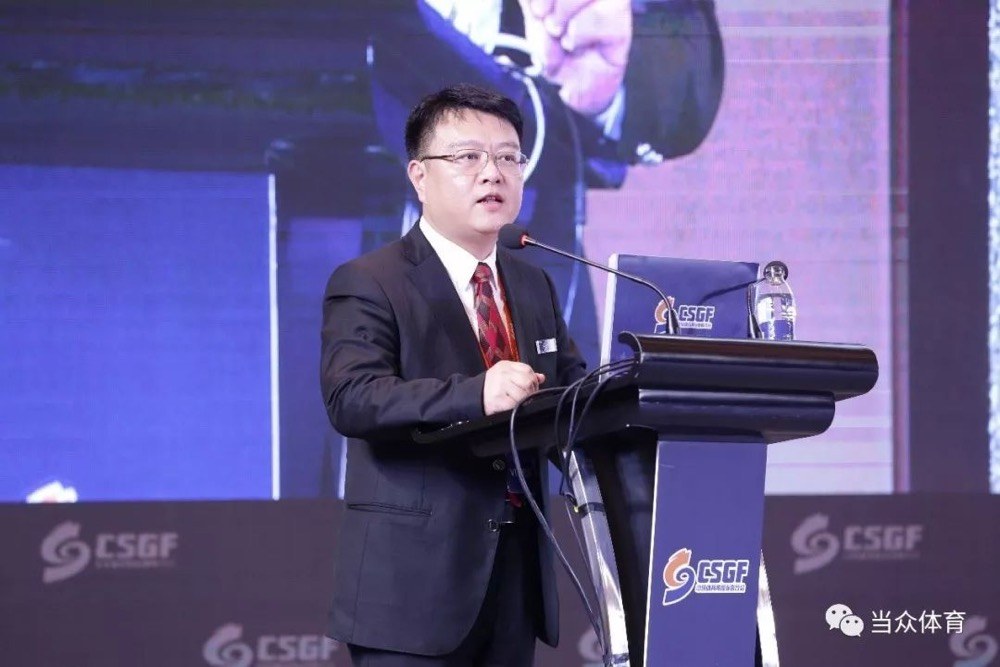
上海市体育局局长徐彬
徐彬表示,在经过为时一年的大调研的基础上,去年我们针对上海体育产业发展的痛点、难点和瓶颈问题,推动上海市政府出台了《关于加快本市体育产业创新发展的若干意见》,我们业内把它称之为“体育产业30条”,目标是构建体育产业的四大体系,第一个是以竞赛表演业和健身休闲业为引领的产业体系;第二个是以具有国际竞争力的体育企业为主体的市场体系,当然从政府的角度,我们既要服务好顶天立地的大企业,也要支持好铺天盖地的小企业;第三个是以重大的体育场馆设施和产业集聚区为载体的空间体系;第四个是打造以产业政策和营商环境为重点的支撑体系。
“目标是到2020年,本市的体育产业总规模达到2000亿左右,上海的体育产业发展水平走在全国前列,到2025年,我们的规模要达到4000亿,要晋升世界体育产业发达城市的行列,到2035年达到与上海的规划定位,也就是卓越的全球城市相适应的体育产业发展水平。”
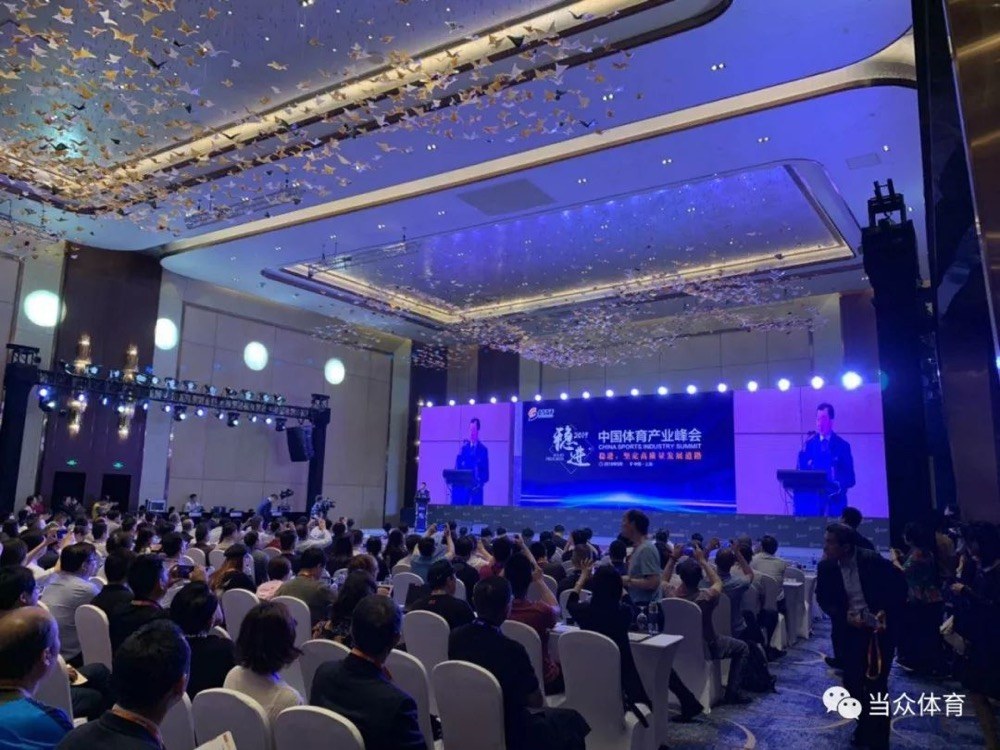
中国体育产业峰会由中国体育用品业联合会主办,国家体育总局支持,自2013年创办以来,坚守"行业思考引领者"定位,聚焦行业发展的关键问题与热点话题,持续为中国体育产业新时代注入智慧动能。2019年中国体育产业峰会以"稳进,坚定高质量发展道路"为主题,旨在梳理国务院46号文发布五年以来的稳健前行发展成果,深度探讨体育产业核心竞争力建设新思考、新实践,集聚智慧碰撞,助力体育产业高质提档,引领行业各方携手同心、戮力前行。
On May 22, the China Sports Industry Summit, a brand-level event of the International Sports Goods Expo, was held at the Grand Shangri-La Hotel in Shanghai. Deputy Director Li Yingchuan of the General Administration of Sport of China (GASC), Vice Chairman Jiang Xiaojun of the Standing Committee of the National People's Congress and Dean of the School of Public Policy and Management at Tsinghua University, Director Liu Fumin of the Economic Department of GASC, President Li Hua of the China Sports Goods Industry Association, Shanghai Sports Bureau Director Xu Bin, and over 600 industry experts and practitioners attended the summit.
Driving Innovation to Upgrade the Sports Goods Industry
As a new growth point in the national economy, the sports industry has shown significant effects in social, economic, and ecological development. Since the release of Document No. 46 by the State Council in 2014, the sports industry has rapidly become a new economic hotspot, thanks to policy incentives and resource aggregation. Deputy Director Li Yingchuan of the General Administration of Sport of China (GASC) stated,
Deputy Director Li Yingchuan of the General Administration of Sport of China
How can we promote the high-quality development of the sports industry, particularly in sports equipment, in the next phase?
Li Yingchuan noted, 'Firstly, we should drive the transformation and upgrading of the sports equipment industry through innovation, seizing major opportunities brought by the new round of technological and industrial revolutions. Secondly, we should integrate with sports reforms to expand the development space of the sports equipment industry. We will develop more new materials, technologies, and equipment, and create a wider range of user-friendly sports equipment, especially for winter sports equipment, to meet fitness needs. Lastly, we should adhere to market orientation to build well-known sports equipment brands.'
Promoting Development and Governance in Tandem
At the China Sports Industry Summit, Jiang Xiaojun, a member of the Standing Committee of the National People's Congress and Dean of the School of Public Policy and Management at Tsinghua University, illustrated the significant promotion of the sports industry by Document No. 46 through a micro-data example—the change in the number of gyms. 'In our neighborhood, there was only one gym within a 600-meter radius in 2015. By July 2018, there were ten gyms,' she said. The same pattern was observed in other communities, with 8-10 gyms within the same radius at the same point in time.
Jiang Xiaojun, a member of the Standing Committee of the National People's Congress and Dean of the School of Public Policy and Management at Tsinghua University
Jiang Xiaojun also noted that five years is not a long time, but significant changes have occurred. These changes may have a more pronounced impact on the sports industry than on the overall economy, bringing new challenges.
Jiang Xiaojun acknowledged that China's sports industry is characterized by the strong engagement of both government and market forces. The coexistence of these two forces could lead to a situation where incentives are multiplied but contradictions are also intensified, resulting in a rapid yet 'chaotic' development. Therefore, while promoting development, effective governance is also essential. This dual approach, which emphasizes both development and governance, is an appropriate model for the development of China's sports industry.
Steady Progress and Open Development
As the industry association and organizer of the summit, the China Sports Equipment Industry Association has been committed to promoting the healthy and sustainable development of the industry. Following the theme of 'stability' for the year, President Li Hua of the association delved into the depth of this concept. On one hand, the new phase of China's economic development emphasizes stability, making the long-term nature of the sports industry more evident. This requires all parties to take a more steady approach. On the other hand, the new positioning of the sports industry as a new growth point for the national economy places higher demands on focusing on core competitiveness and on proactive innovation and assuming the role of a pillar industry.
President Li Hua of the China Sports Equipment Industry Association
Li Hua also expressed firm confidence in the development of the sports industry, stating: 'The cross-sector integration attributes of
As a benchmark for the development of the sports industry in the new era, Shanghai is actively building itself into an 'International Sports Event Capital.' The city has achieved many outstanding results in various development initiatives and innovative practices. Shanghai's Sports Bureau Director Xu Bin particularly emphasized that by boldly 'opening up' and adeptly 'being open,' the sports market will continue to expand.
Shanghai Sports Bureau Director Xu Bin
Xu Bin stated that based on a year-long in-depth survey, last year we addressed the pain points, difficulties, and bottlenecks in the development of Shanghai's sports industry by pushing the Shanghai municipal government to issue the 'Several Opinions on Accelerating the Innovative Development of the Sports Industry in Our City,' which we refer to as the '30 Measures for Sports Industry.' The goal is to build four key systems: the first is a sector system led by competitive performance and fitness leisure industries; the second is a market system dominated by internationally competitive sports enterprises, while from a government perspective, we aim to serve both large and small businesses; the third is a spatial system centered on major sports venues and industrial clusters; and the fourth is a support system focused on industrial policies and business environment.
By 2020, the total scale of Shanghai's sports industry is expected to reach around RMB 200 billion. By 2025, we aim for it to grow to RMB 400 billion, positioning Shanghai as a world leader in the sports industry. By 2035, the development level of the sports industry should align with the city's strategic goals, that is, becoming a global city of excellence.
The China Sports Industry Summit is organized by the China Sports Goods Industry Association with support from the State General Administration of Sport. Since its inception in 2013, it has maintained its position as an 'industry thought leader,' focusing on key issues and hot topics in industry development. In 2019, the summit's theme was 'Steadfast Progress: Firmly Advancing High-Quality Development.' It aimed to review the steady progress of the sports industry over the past five years since the issuance of Document No. 46 from the State Council, delve into new thoughts and practices in building core competitiveness in the sports sector, and gather wisdom to drive high-quality development in the sports industry, guiding all parties involved to move forward together.