









Particle Scale & Dispersion Stability
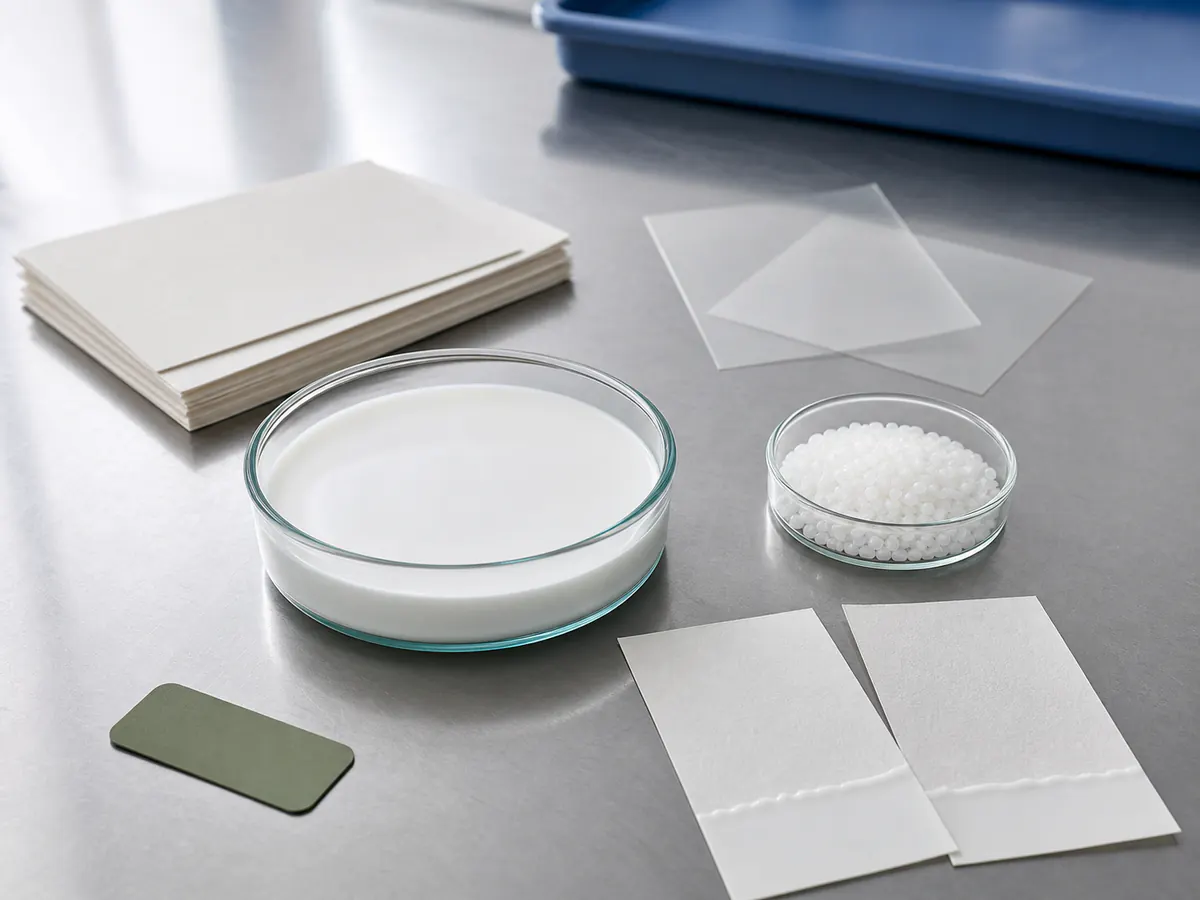
Relate particle-size distribution, surface charge, solids, rheology and storage conditions to aggregation, settling and viscosity-drift risks.


MATERIAL TECHNOLOGY CHAIN
BIOTEN | PHA-based waterborne functional emulsions
Using PHA-based waterborne emulsions as its material platform, BIOTEN focuses on aqueous dispersion, interface control and continuous film formation. It connects material design, formulation engineering, process adaptation and article validation so PHA can move from polymer form into processable, verifiable industrial systems.
MATERIAL SCIENCE & R&D
R&D progresses from material state through dispersion stability, formulation and interfaces, continuous film formation and finished articles. Each cycle retains the material batch, critical variables, representative samples, test methods, operating conditions and stage decisions in one governed version.
R&D & VALIDATION METHOD FRAMEWORK
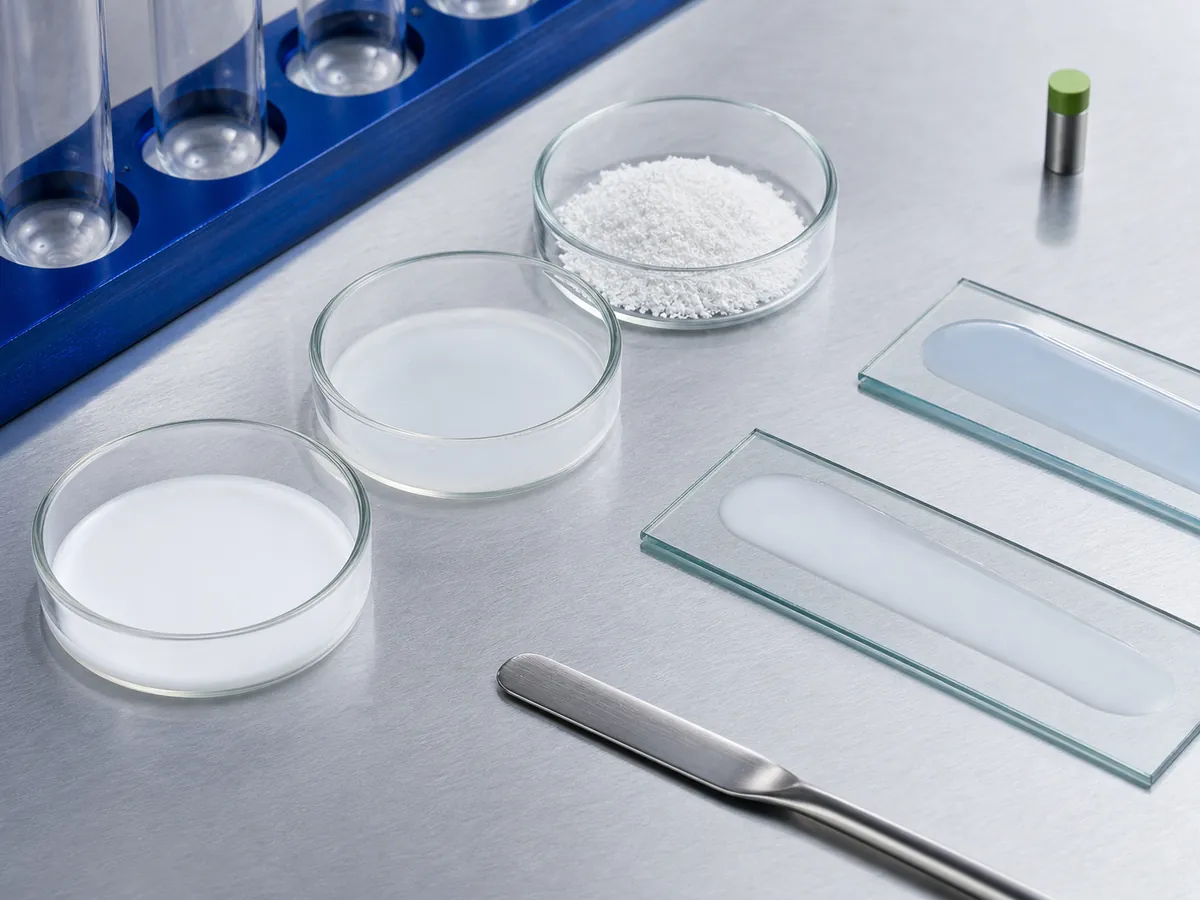
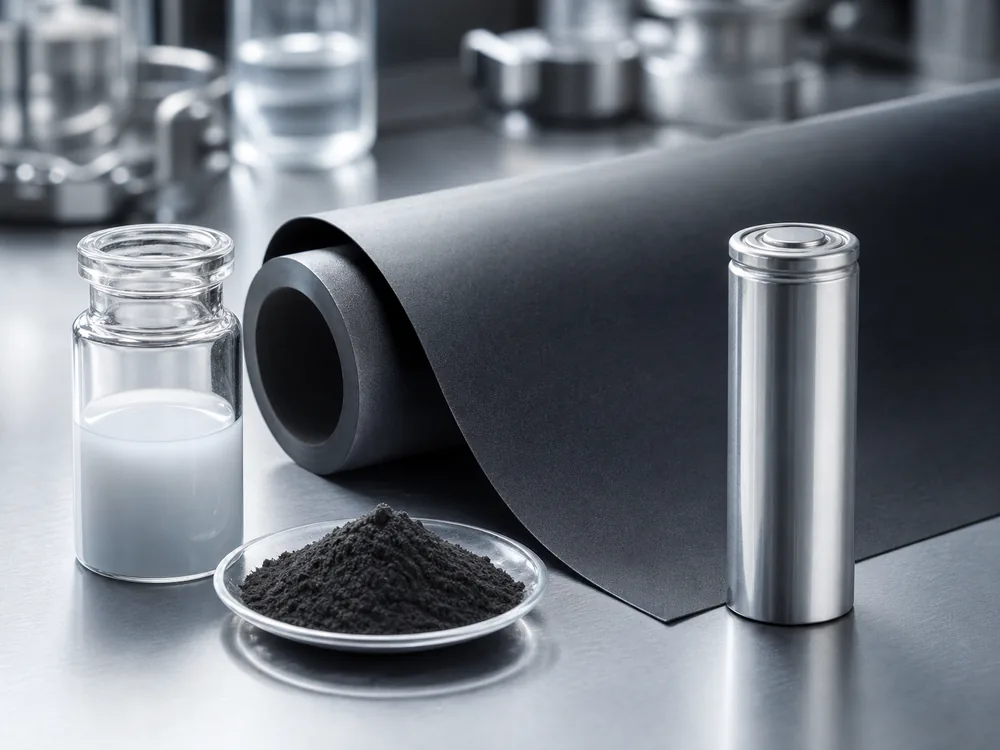
Identify polymer characteristics, thermal behavior, initial morphology, and their relationship with target systems.
Study particle-size distribution, interfacial charge, solids content, rheology and storage-stability windows.
Identify coupling among pH, ionic conditions, additives, pigments, fillers and active ingredients.
Study water migration, particle contact, film-formation windows, film continuity and defects.
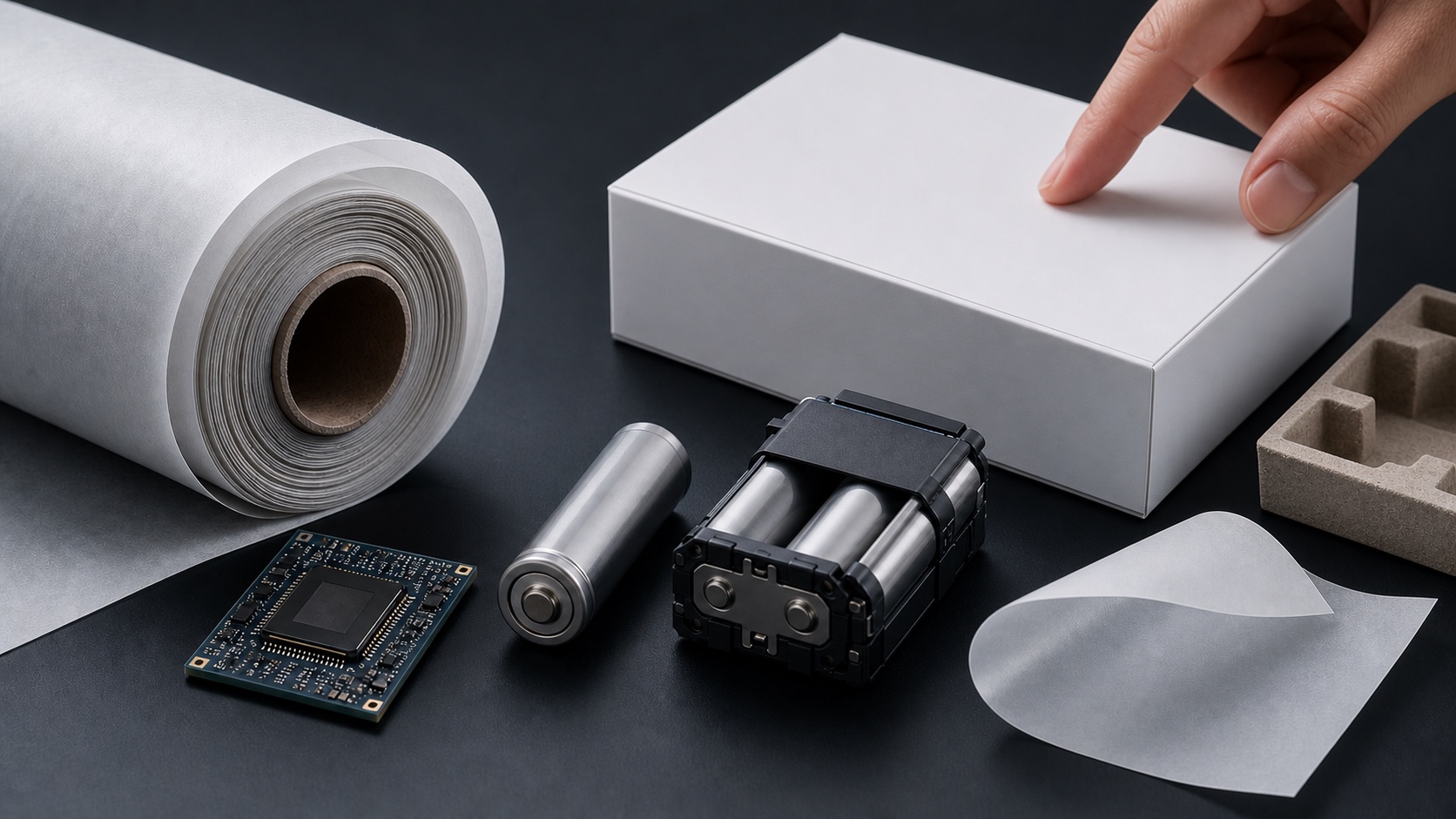
Place materials in representative formulations, substrates, equipment, and complete articles to form stage judgments.
R&D CONTROL DIMENSIONS
Relate particle-size distribution, surface charge, solids, rheology and storage conditions to aggregation, settling and viscosity-drift risks.
Study substrate wetting–penetration balance, particle concentration and coalescence, drying conditions, film continuity, adhesion and defects.
Map interactions among pH, ionic environment, additives, pigments/fillers or actives, substrates and shear–coating–drying conditions.
Keep material batch, formulation, process, representative samples, test conditions, failures and stage decisions within one traceable version.
APPLICATION PATHS
BIOTEN Packaging advances priority industrial applications through fiber-based barrier-system engineering. Agriculture, personal care and bio-based coatings progress through joint development and staged validation under defined formulation, substrate-interface and process conditions.
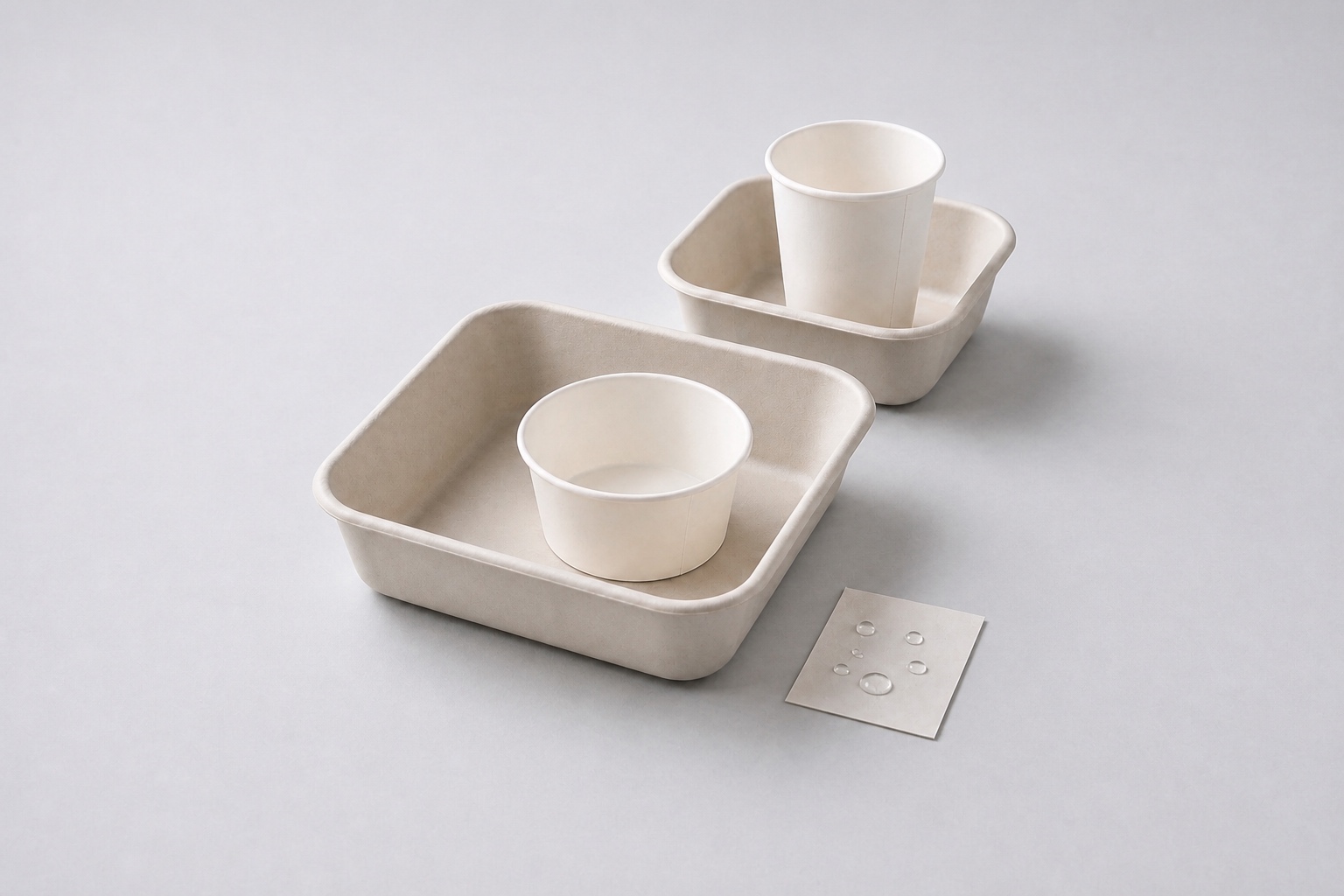
PRIORITY BUSINESS · SYSTEM ENGINEERING
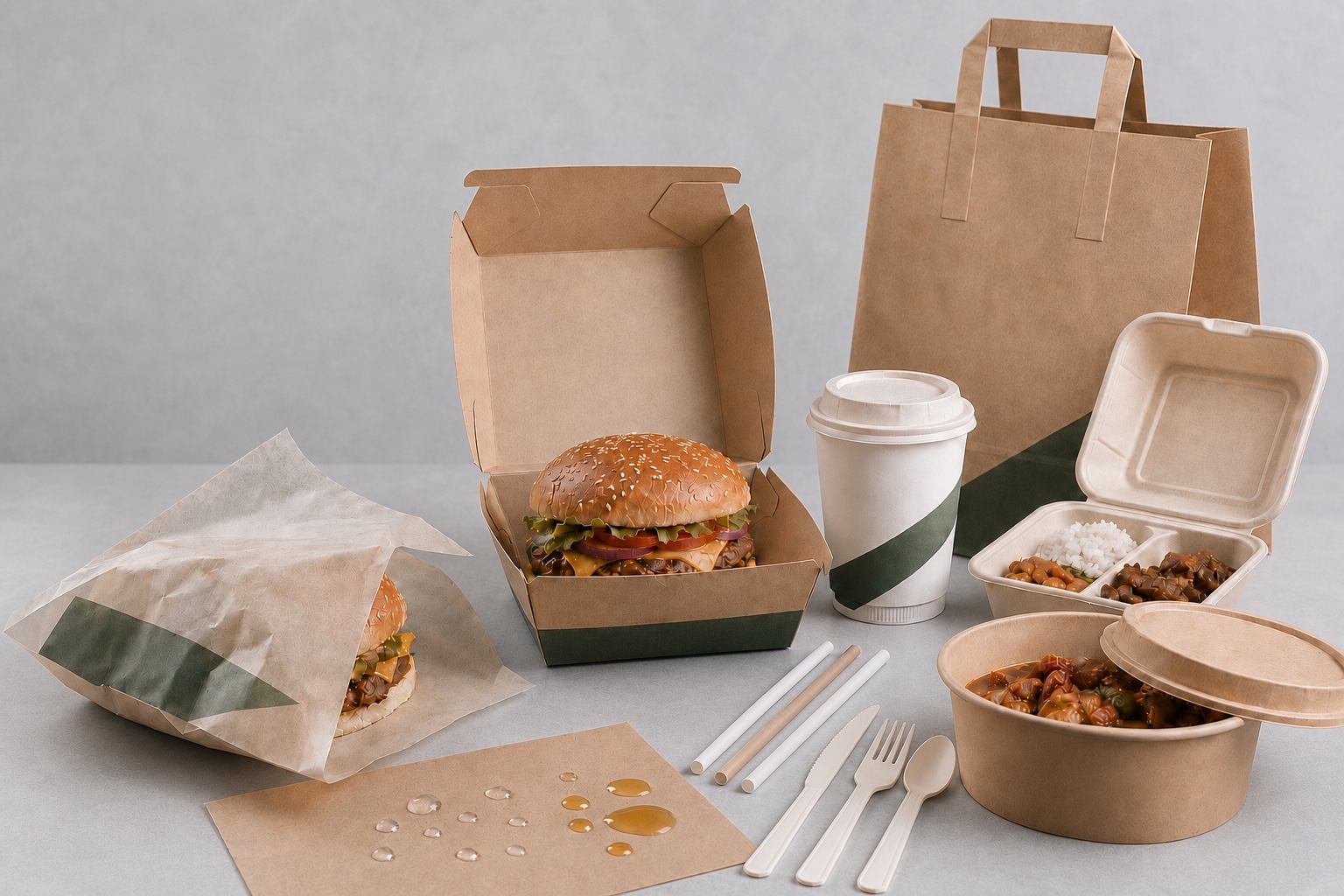
Fiber-based Packaging Barrier Engineering
Connecting paper wetting, barrier properties, heat sealing, continuous film formation, and downstream processing via PHA waterborne emulsion, bridging base paper, coating, forming, and article validation.

JOINT DEVELOPMENT · STAGED VALIDATION
Seed Coating & Agrochemical Controlled Release Materials
Studying the adhesion, film strength, abrasion resistance, permeability, and release behavior of waterborne carriers, and adapting formulations based on active ingredients, coating processes, and target scenarios.

JOINT DEVELOPMENT · STAGED VALIDATION
Bath, Facial Cleansing & Detergent Formulation Materials
Studying emulsion compatibility, deposition, and film formation in surfactant, electrolyte, pH, and oil-phase systems, defining application windows through formulation screening.

JOINT DEVELOPMENT · STAGED VALIDATION
Latex Paint, Wood Finish & Functional Carrier Materials
Studying blending, wetting, adhesion, and film formation synergy between emulsions, resins, pigments/fillers, additives, and substrates, defining application windows through test panels and operating condition validation.
EVIDENCE BOUNDARIES
BIOTEN does not treat a material attribute as a finished-product conclusion. Each project defines the material role, formulation structure, processing conditions, target performance and applicable end-of-life route, then forms staged conclusions from corresponding validation.
INFORMATION ACCESS
Platform principles, method notes, application boundaries and materials approved for public release.
Sample conditions, validation plans, applicable scope and authorized stage materials.
Formulation details, complete reports, failure data, production-line information and customer information.