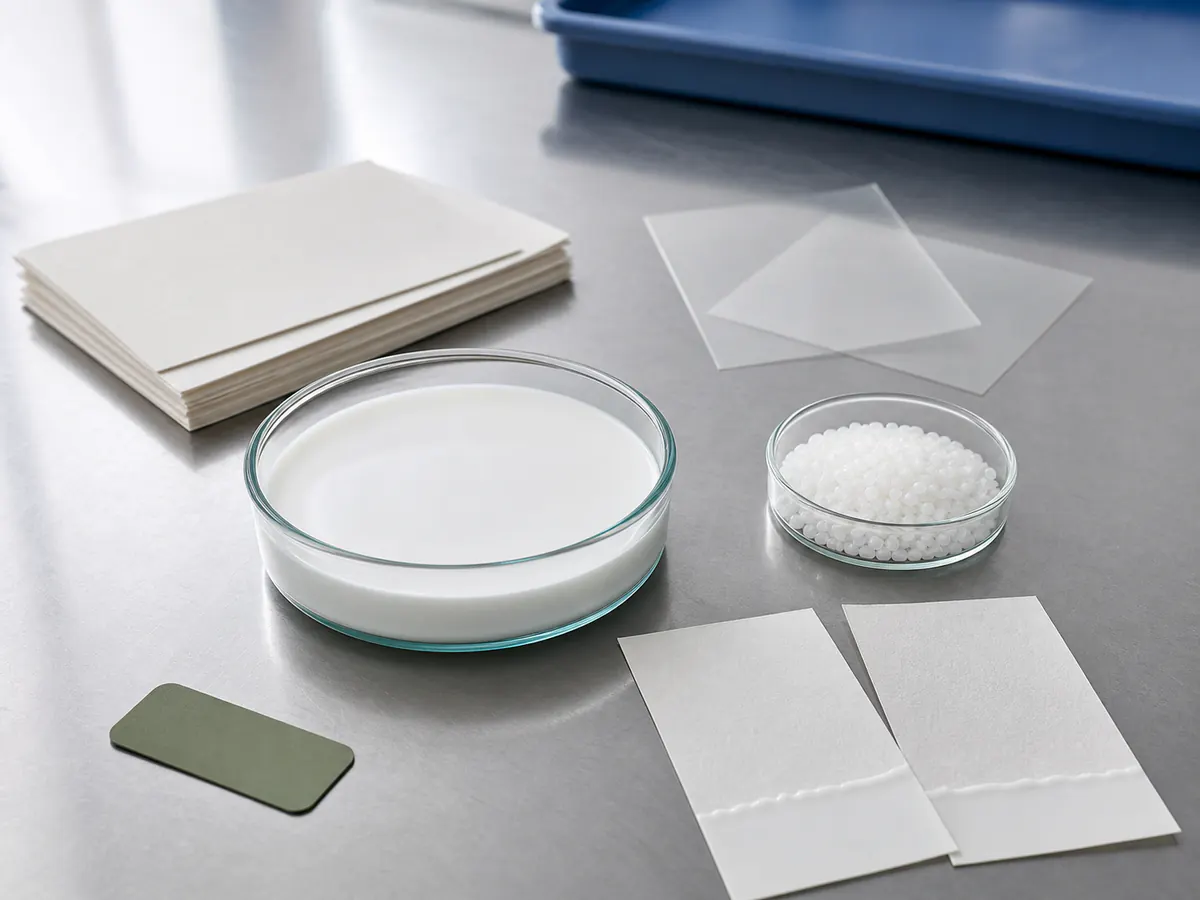
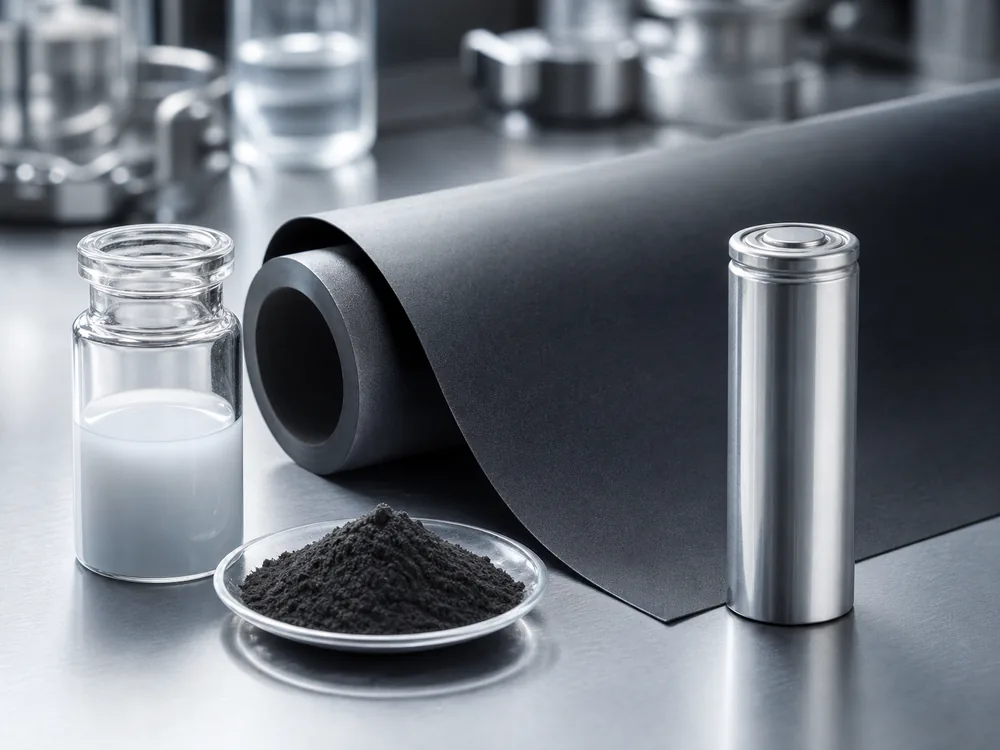
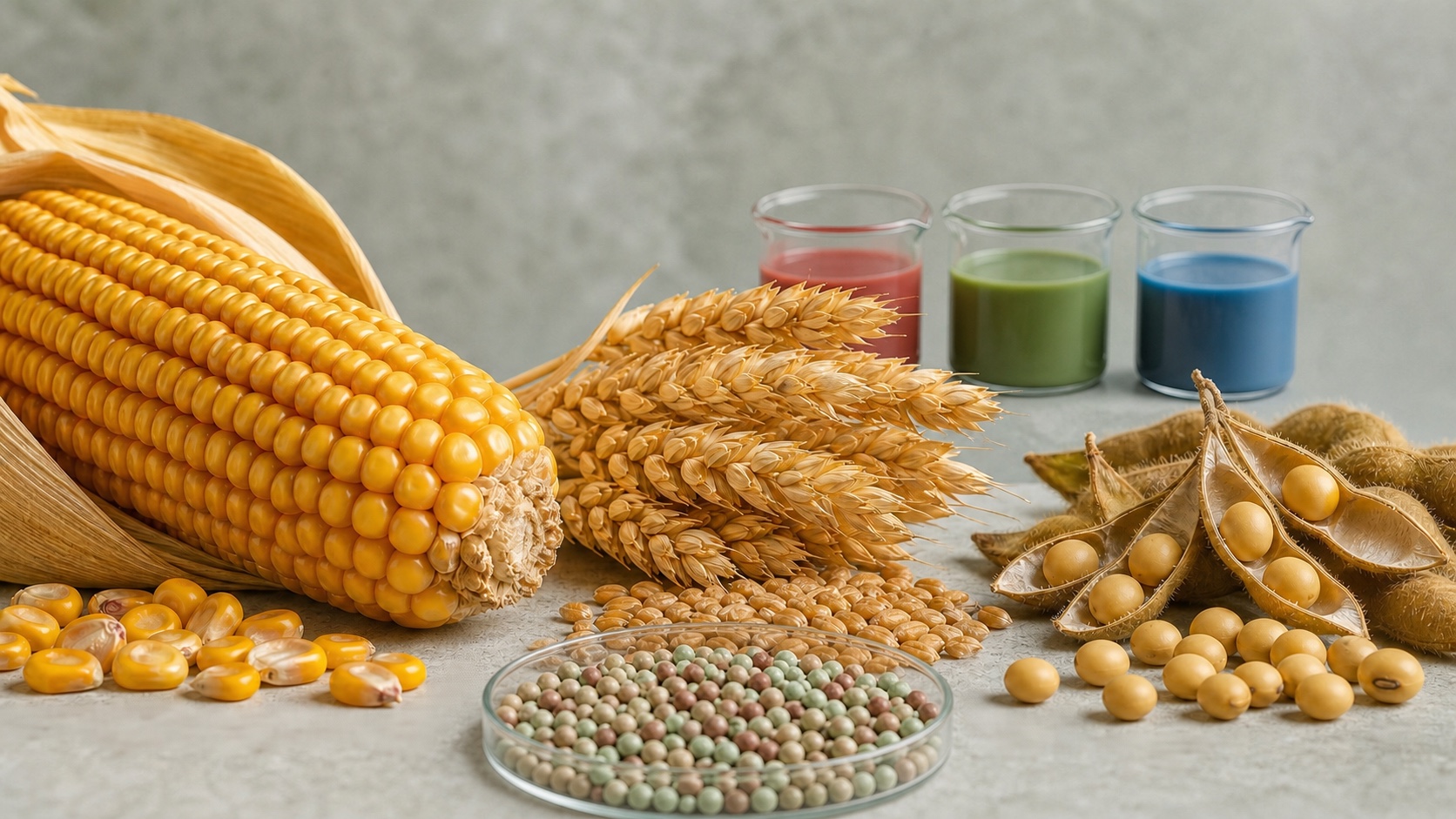
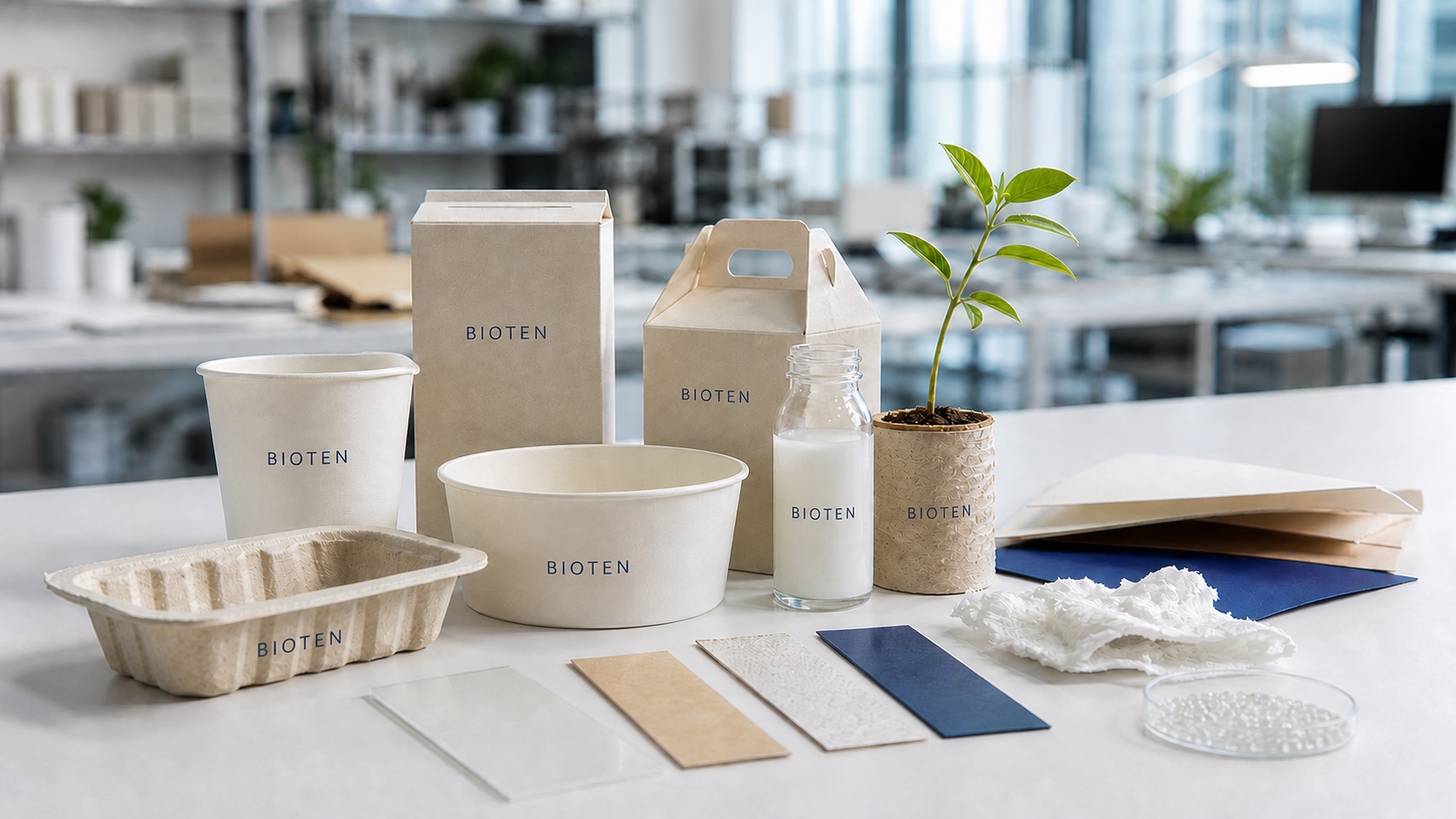
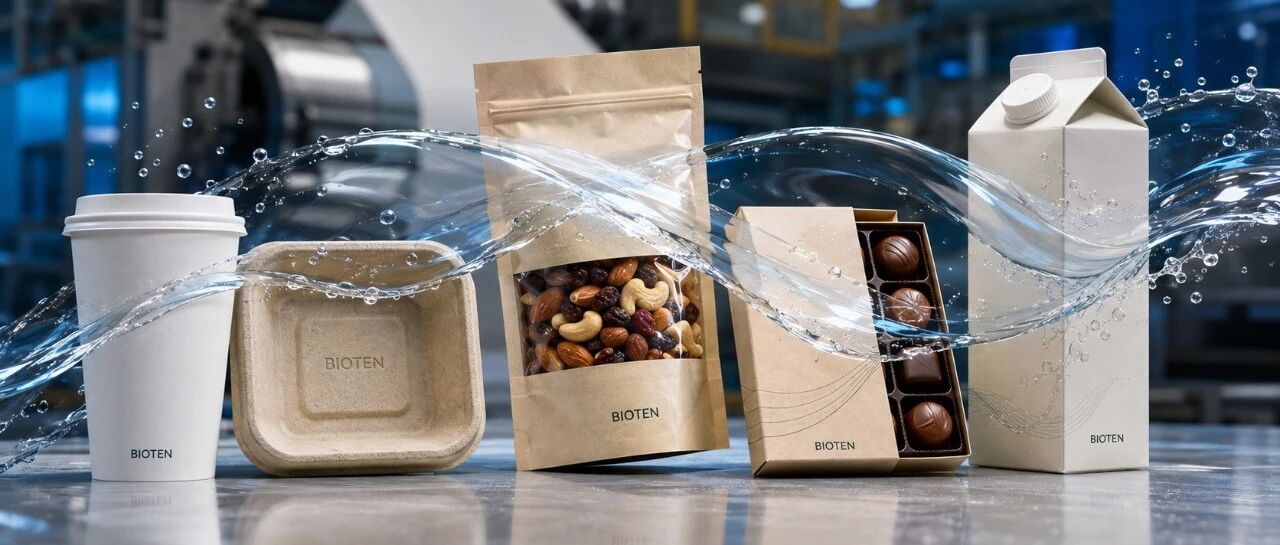
Built on PHA bio-based waterborne emulsions, BIOTEN Packaging integrates barrier, heat sealing, film formation, process fit and article validation across multiple circular pathways.
DBC organizes material screening, formulation engineering, process validation and industry collaboration around real applications—from technical assessment to scale-up.
A PHA platform for waterborne dispersion, interface control and functional film formation across paper packaging, agricultural coatings, personal care and waterborne coatings.
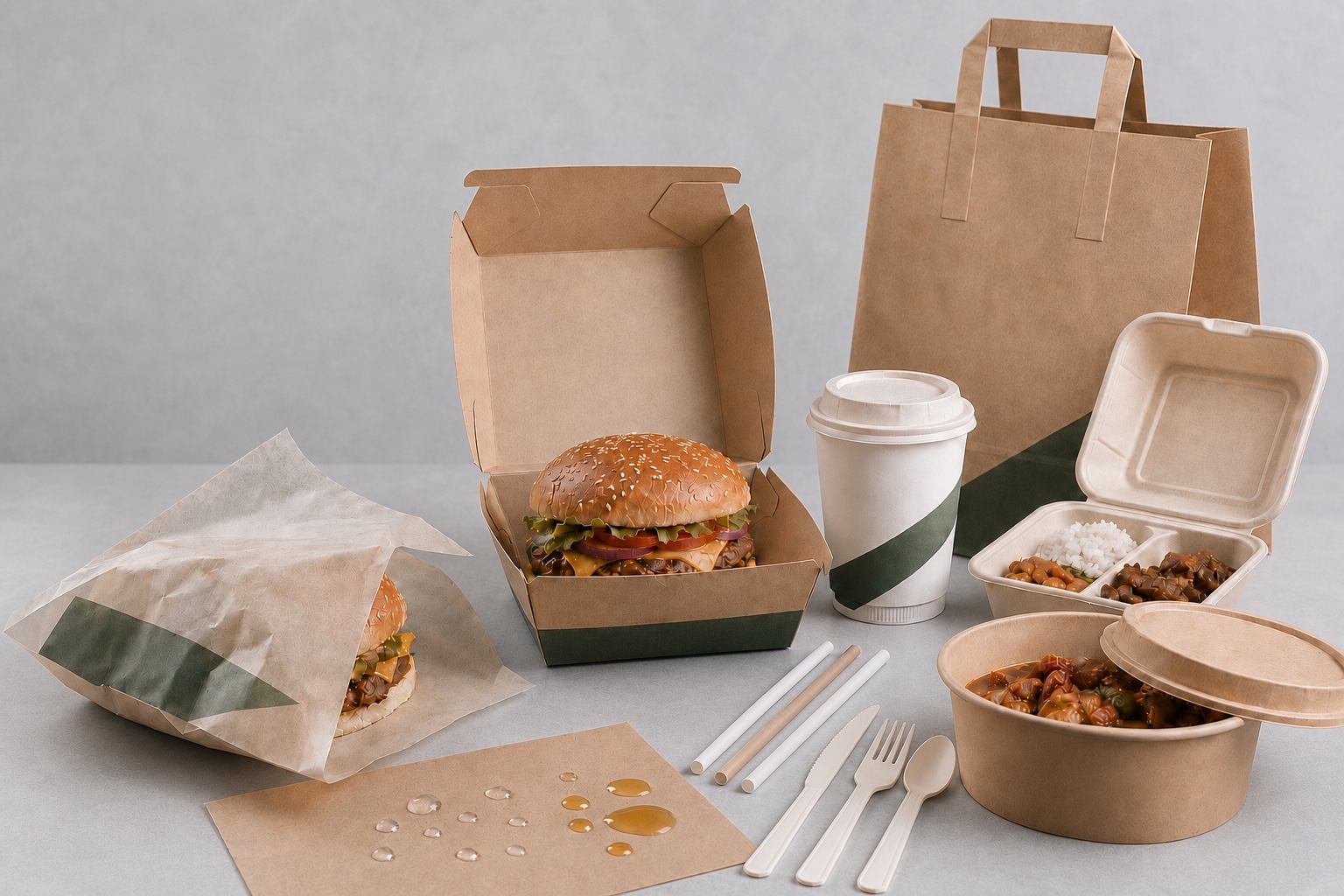
Built on PHA bio-based waterborne emulsions, BIOTEN Packaging coordinates paper, coating, converting, testing and evidence delivery for food and beverage, beauty and personal care, pharmaceutical and medical paper outer and secondary packaging, and specialty packaging.
A PHA developer platform that turns material concepts, formulation targets, process conditions and validation needs into executable joint-development routes.
As China’s paper packaging industry expands globally, it should bring more than production capacity: products customers choose repeatedly, and the ability to keep solving new problems.
From manufacturing networks and local service to materials development, we examine how paper companies turn expertise and capacity into products customers need—and measure their investments against business results.
From PE extrusion coatings to water-based barriers, lasting value comes from turning material reduction, manufacturing, compliance and end-of-life options into products customers keep choosing.
From regulatory changes and the scale of the greaseproof paper industry to hot-food wraps, chilled-food packaging and food interleaving, we explore opportunities to move China's paper value chain upmarket.
Explore 101 specific opportunities for innovation in paper-based applications, from foodservice packaging to modern agriculture, and work with BIOTEN to identify high-value products that build on your strengths.
Beijing's recommended local standard DB11/T 2510-2026 took effect on 1 September 2026, helping food delivery merchants choose green packaging according to the food, temperature and risk of leakage.
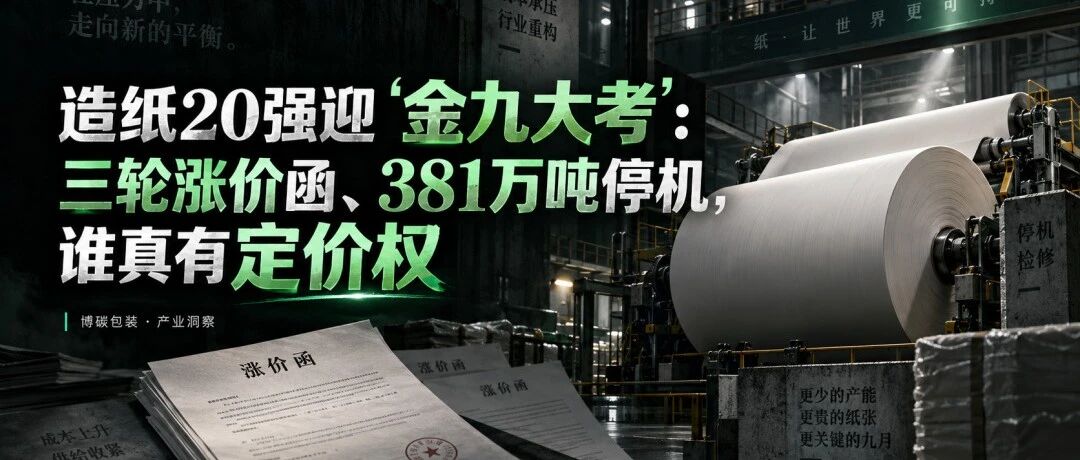
Tomorrow, 10 September, Nine Dragons Paper's announced price increase for corrugating medium at its Dongguan and Taicang mills takes effect, adding RMB 50 per tonne.
From a sheet of base paper to a delivered takeaway order, this article examines total order cost, coordination across converting operations, and the application opportunities emerging from Beijing's guideline and Shanghai's association standard initiative.
A restart is viable only if feedstock can reach the mill economically, customers will commit to the new product mix, and legacy assets can generate positive operating cash flow.
From inner-tray protection and barrier performance to continuous packaging, this analysis examines how papermakers, coaters, converters and equipment suppliers can work together to meet a food brand's packaging-upgrade requirements.
Getting the barrier layer right in campus paper packaging means keeping drinks secure, delivering hot meals reliably, and ensuring smooth converting on the factory floor.
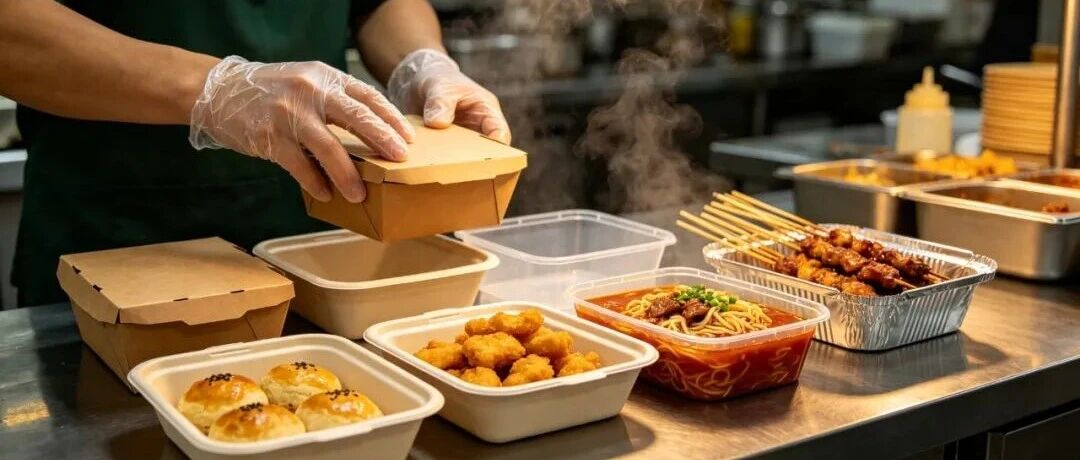
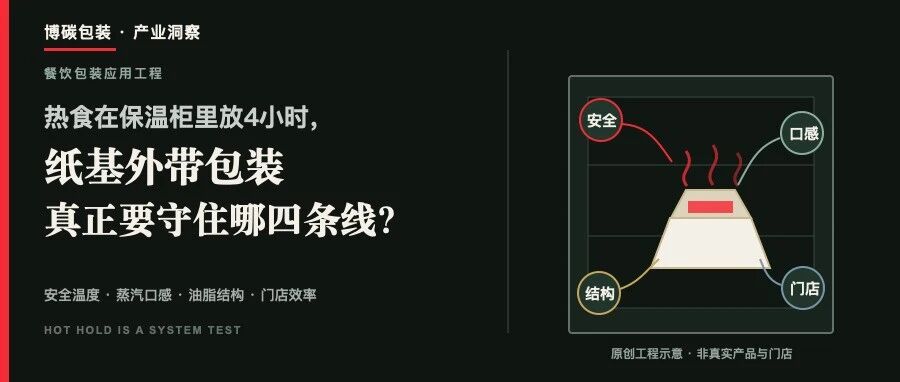
Four hours is not merely a heat-retention claim; it is a joint test of food, packaging and store operations. Only after the time basis is defined can the packaging solution be assessed.
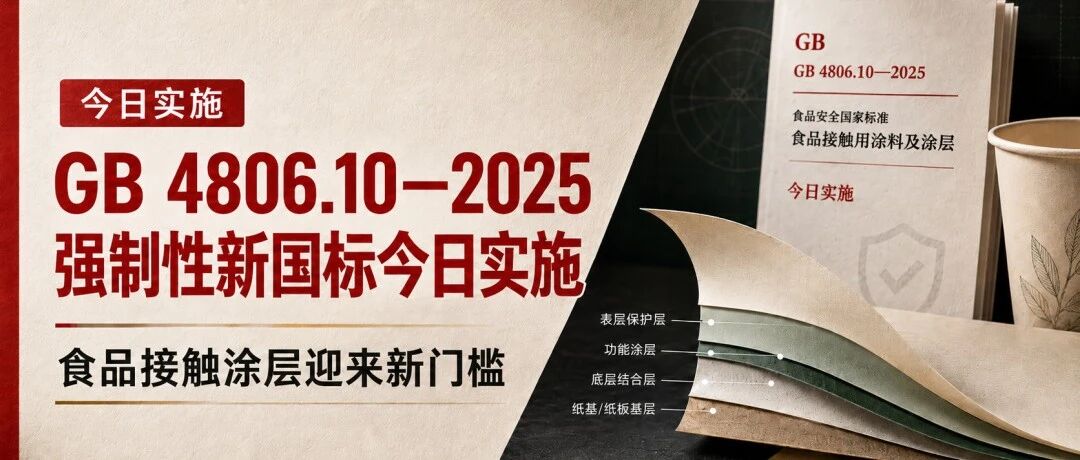
GB 4806.10—2025, National Food Safety Standard—Coatings and Coating Layers for Food-Contact Materials and Articles, takes effect on 2 September 2026, expanding the permitted base-material list while tightening testing and supply-chain evidence requirements.
Paper-machine restarts, higher sales and growth in corrugated-paper orders can all raise revenue, but costs flow into quotations, inventory and production lines at different speeds.
Looking beyond Guming’s scale, this article examines how its 24-warehouse network and five supplier capabilities shape requirements for paper cups, paperboard, paper bags, barrier-coated paper, grease-resistant paper, and molded fiber.
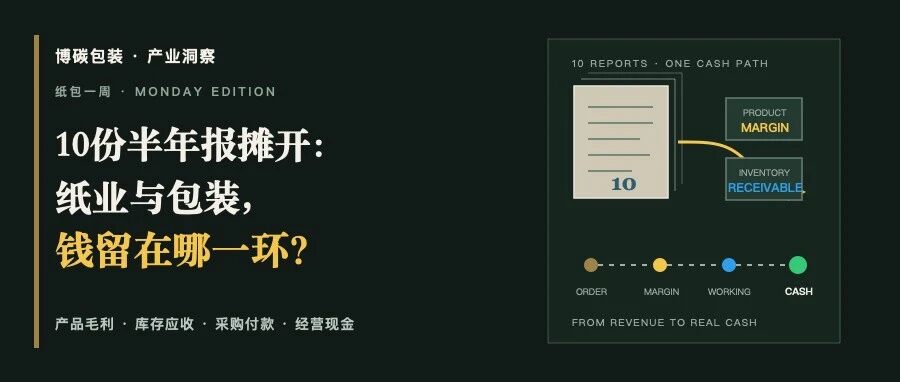
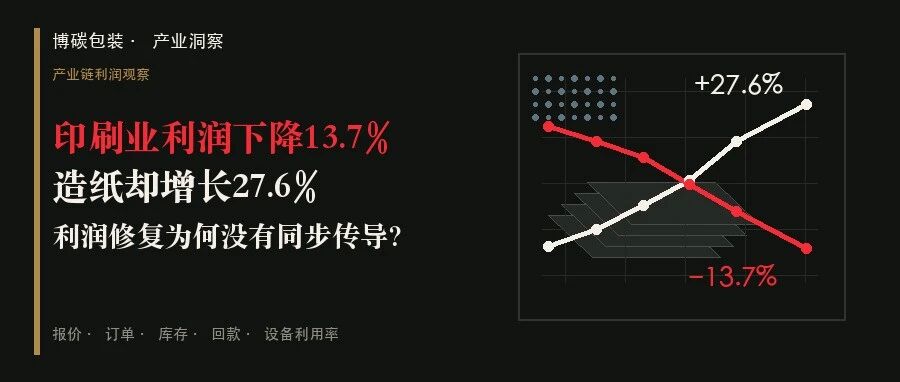
Value-Chain Profit Watch: This analysis helps identify whether profit is being constrained by quotations, order economics, inventory, collections or equipment utilisation.
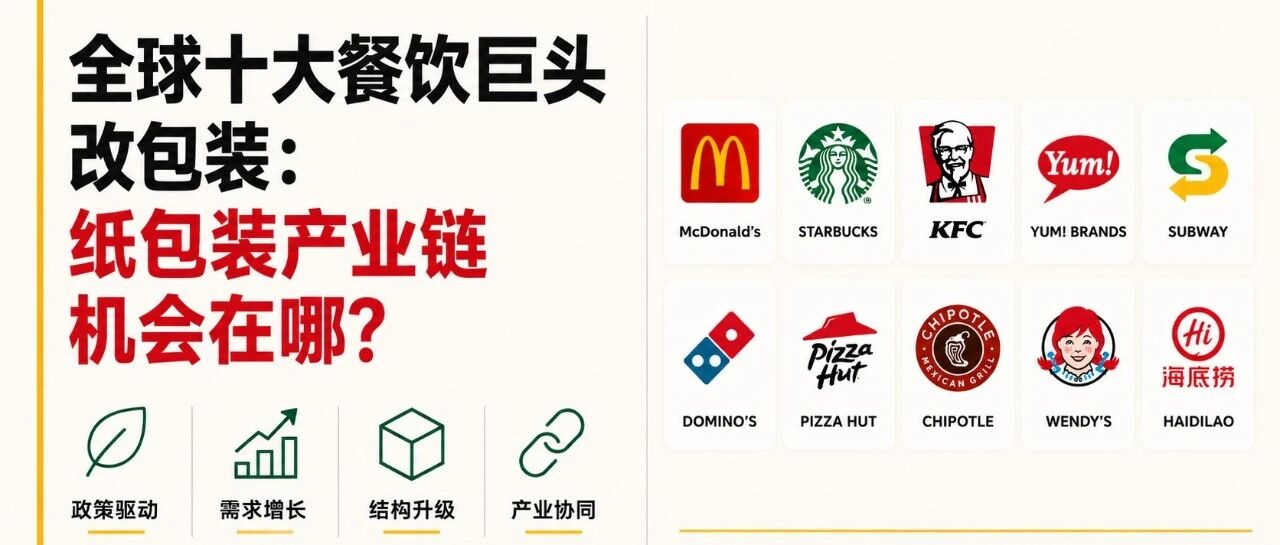
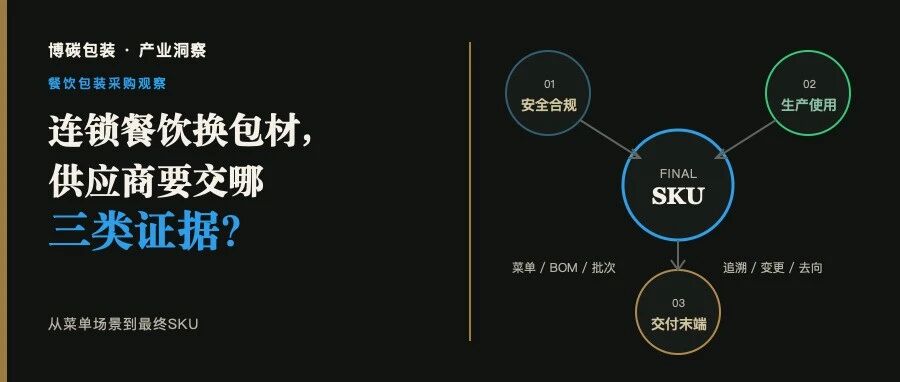
When restaurant chains switch packaging, procurement is not buying a greener material label. It is buying an evidence package for the final SKU that remains valid across menu items, stores, delivery conditions and target municipalities.
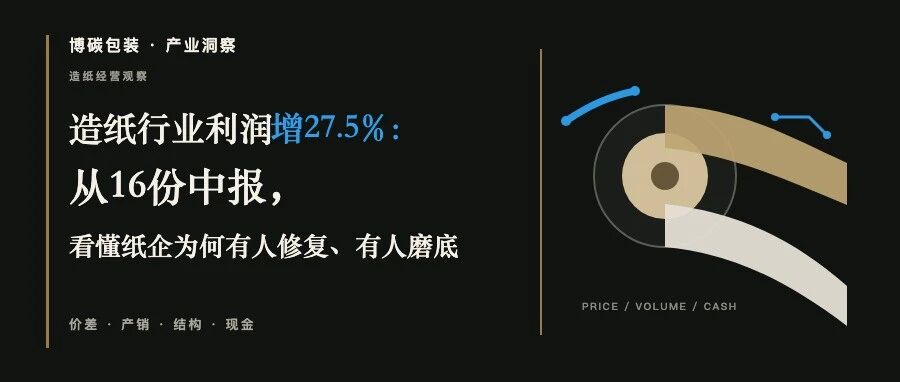
Papermaking operations review · H1 2026: Aggregate profits are recovering, but a 16-company interim-report sample shows sharply different trajectories.
Beyond its more than 60 grades, No. 17 Xianhe is strengthening its manufacturing base. This article examines how two new production bases are creating a more stable, integrated specialty-paper system.
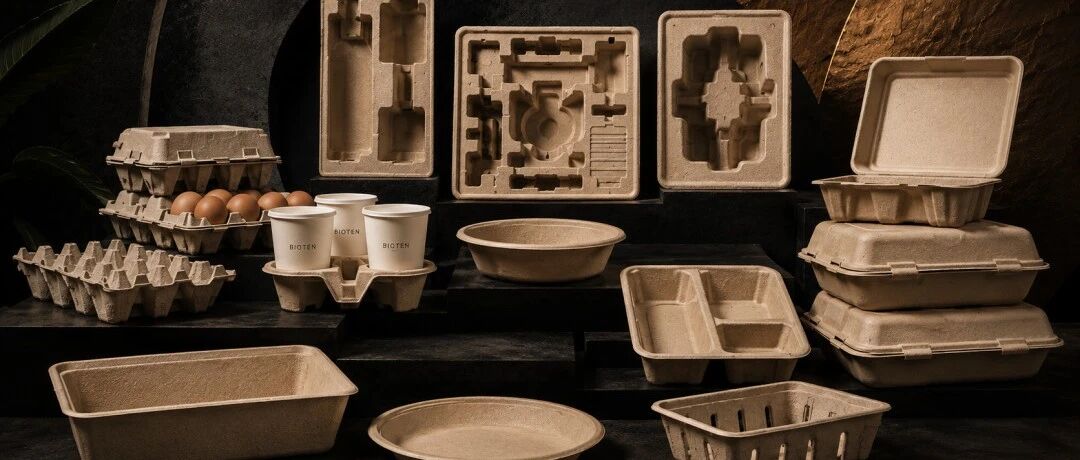
Molded fiber capacity is expanding, but higher output does not automatically create more value. Nearly 79% of manufacturers participating in IMFA’s global benchmarking survey expect production to increase in 2026.
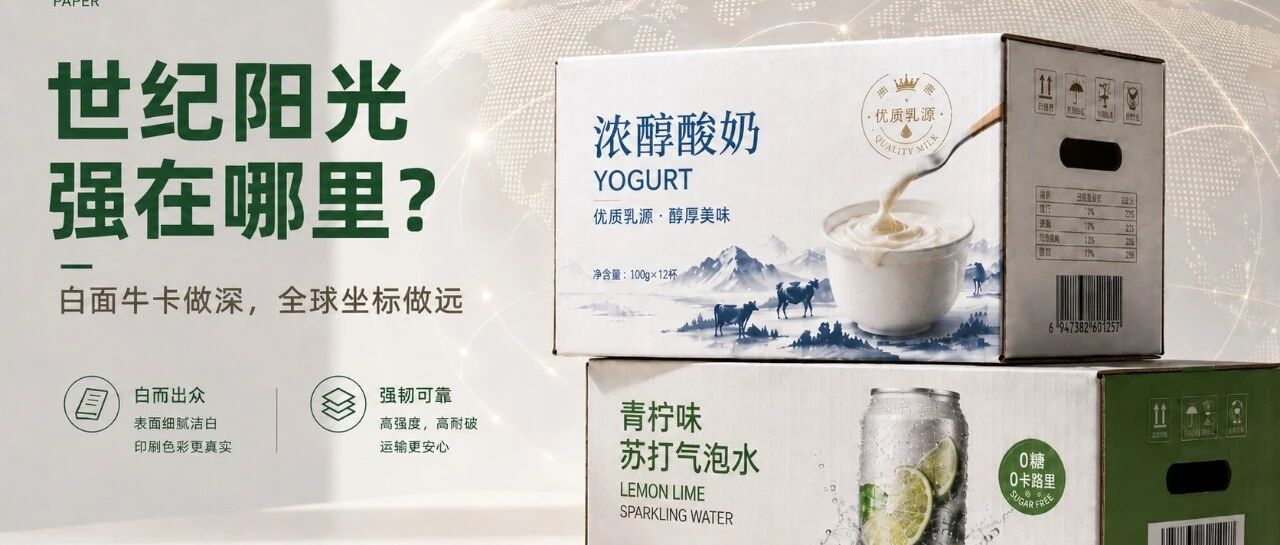
Century Sunshine’s value begins with white-top linerboard and is extending to a broader industrial platform: deeper technical capabilities, closer customer integration, wider global markets, and a new Rizhao base designed to replicate its operating system at scale.
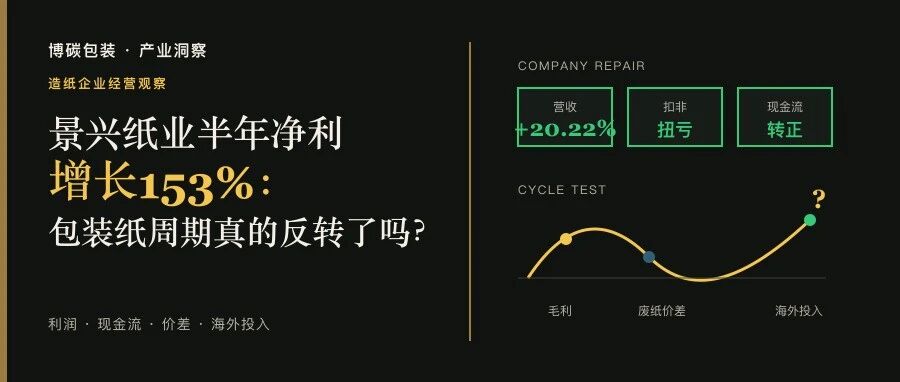
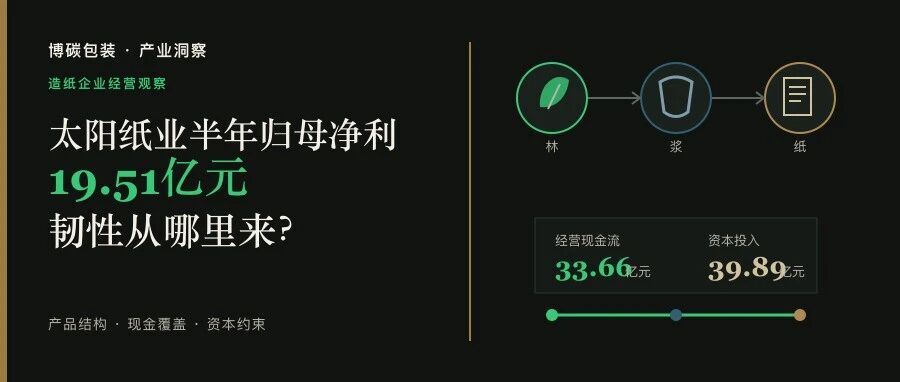
Operating cash flow turned positive in the first half of 2026, while the company’s expertise in food packaging paper is extending into a wider range of specialty-paper applications.
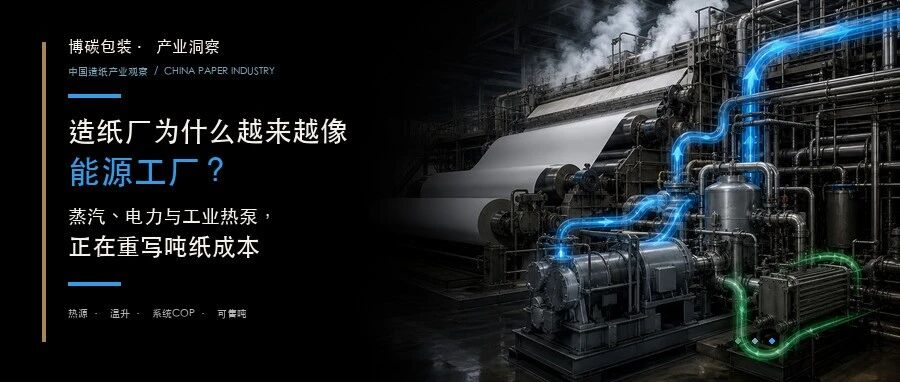
The paper machine sets the production ceiling; the thermal system protects the profit floor. Steam, power and industrial heat pumps are reshaping energy cost per saleable tonne.
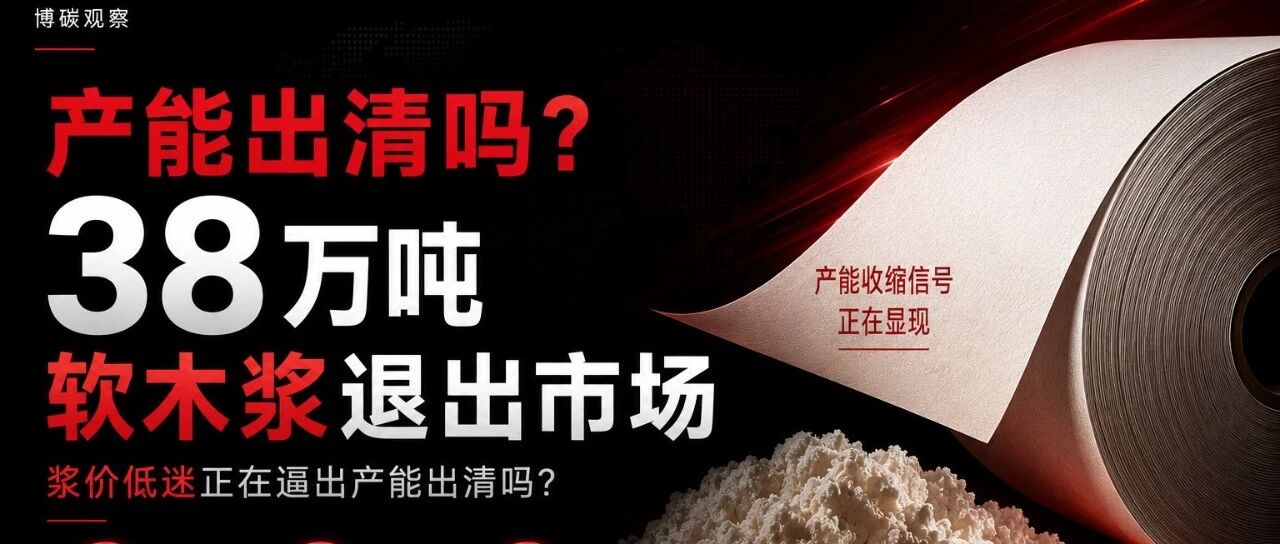
Pulp prices have not yet turned, but higher-cost capacity has already begun to contract. This analysis examines whether the indefinite idling of 380,000 tonnes per year of NBSK marks an isolated event or an early cost-curve adjustment.
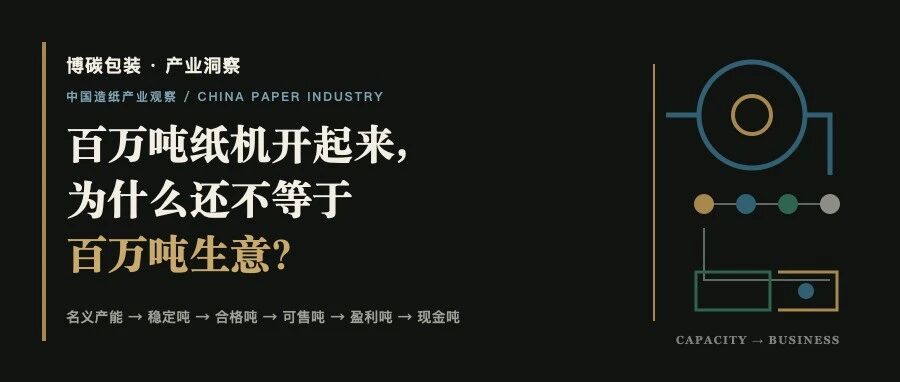
Paper machines determine nominal capacity; operating stability, quality and orders determine saleable capacity; contribution per tonne and cash collection determine whether that capacity becomes a viable business.
Gold East Paper’s real operating base is an integrated manufacturing system spanning paper machines, product platforms, port logistics and digital intelligence.
Golden Phoenix Paper’s technical challenge is not simply to make paper lighter, but to deliver strength, stability and reliable supply across different basis-weight ranges.
Jiangsu Longchen Greentech's core strength lies in integrating recovered fiber, industrial paper and regional corrugated-box delivery into a single operating system.
As resource efficiency, product competitiveness and returns on assets continue to improve across its member companies, the strengths of China Paper's platform will become increasingly evident.
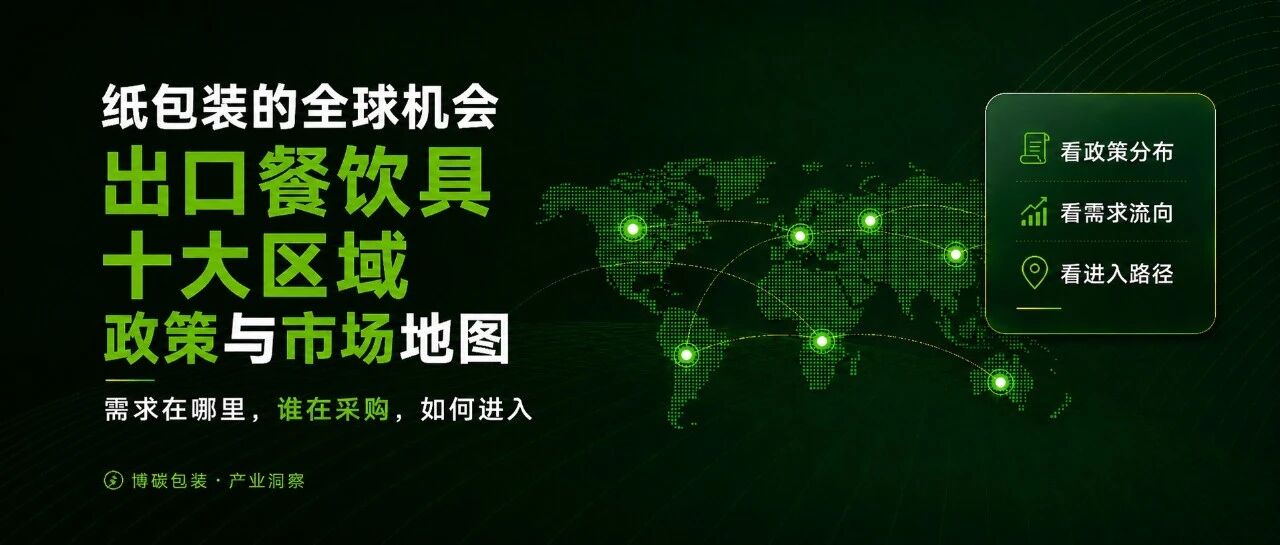
Australia is not a single, uniform market, but a collection of state-level markets in which orders are shaped by state regulations, final-product certification and local end-of-life systems.
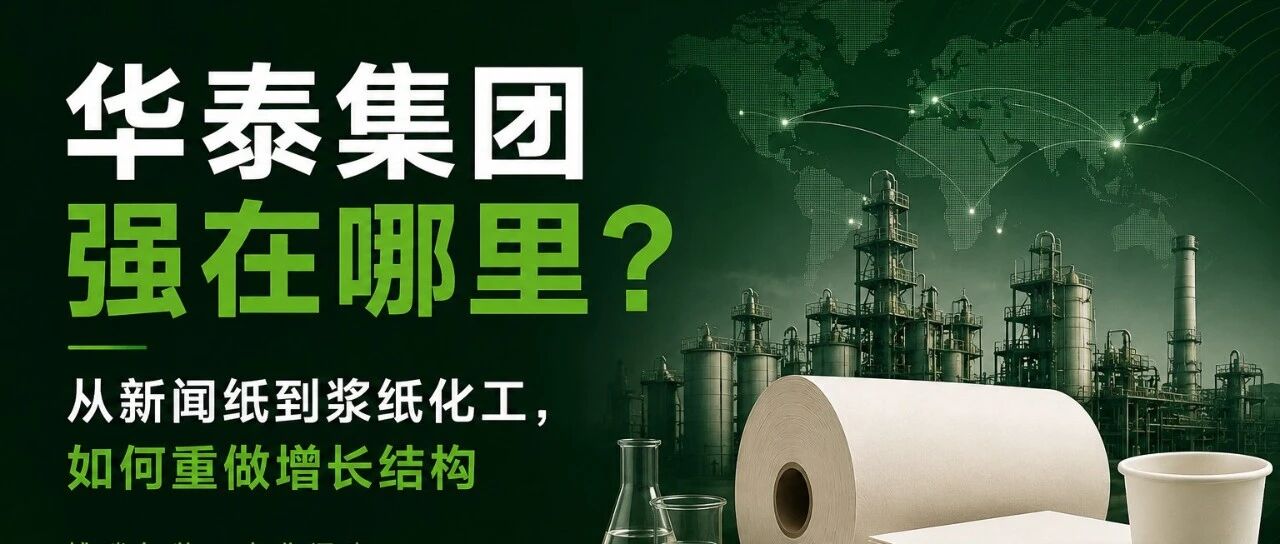
Understanding Huatai requires looking beyond its output of 3.1027 million tonnes to examine how the industrial capabilities built during the newsprint era are being redeployed.
The next stage is not about one material replacing another, but about putting each material in the right application and continuing to increase customer value.
Volume recovery is only the starting point. The quality of the recovery depends on whether improved profitability can withstand pressures from costs, capacity and inventories and ultimately translate into cash flow.
Germany puts responsible parties on a public register; France brings reuse into restaurants; Spain splits annual reporting by date; Austria uses a €0.25 deposit to bring bottles and cans back; and Denmark translates packaging design into a cost per kilogram.
What is truly difficult to replicate is not 4.8777 million tonnes of output, but Bohui Paper's ability to integrate furnish preparation, coating, grade changes, customer qualification and global distribution into a product system capable of continuous iteration.
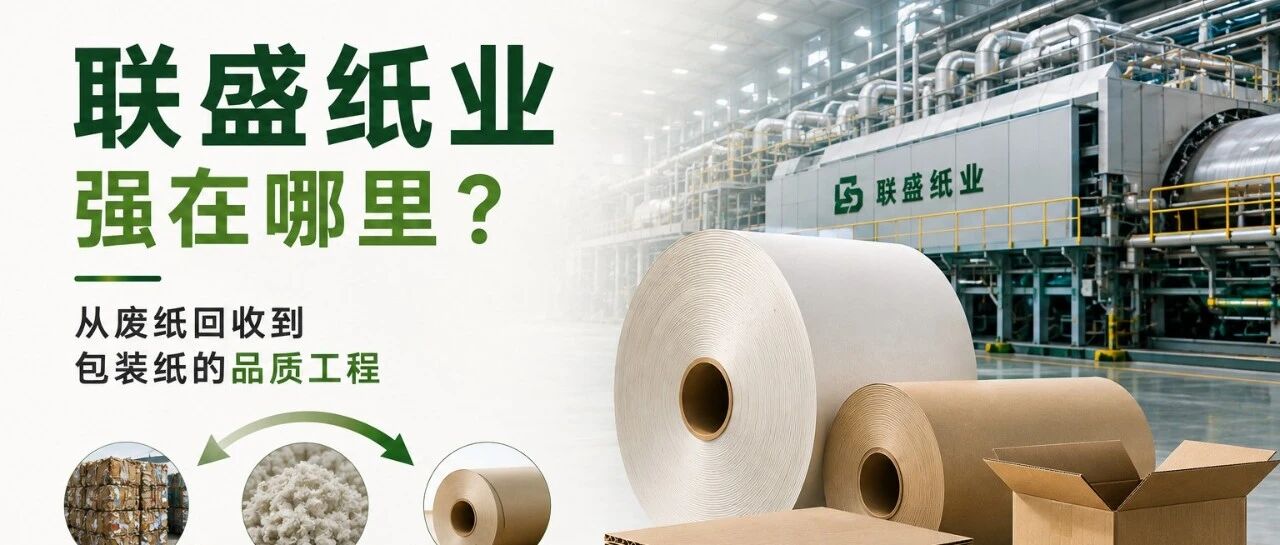
Beyond output rankings, this analysis examines the resources, costs, products, and value-chain capabilities of leading paper companies—and why size alone does not equal strength.
Beyond its No. 1 output ranking, this analysis examines how Nine Dragons Paper converts exceptional scale into raw-material optionality, broad product coverage, and operating resilience.
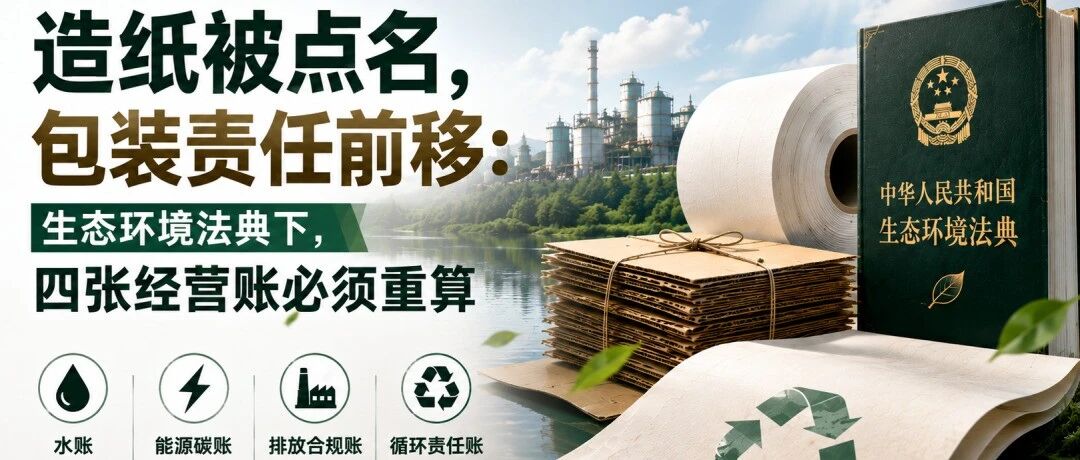
When China’s Ecological and Environmental Code takes effect on August 15, the real change for the paper and packaging industries will not be one more test, but a new accounting of pollution, resources, packaging, recycling, and carbon data.
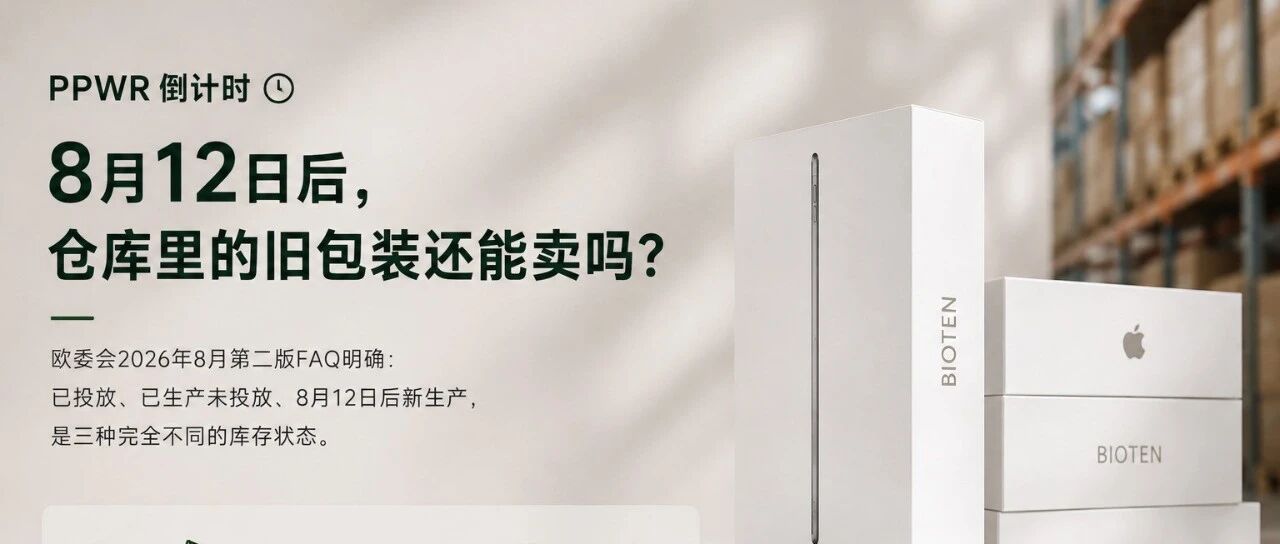
The European Commission’s second FAQ update of August 2026 distinguishes three very different inventory statuses: packaging already placed on the market, packaging manufactured but not yet placed on the market, and packaging newly manufactured after August 12.
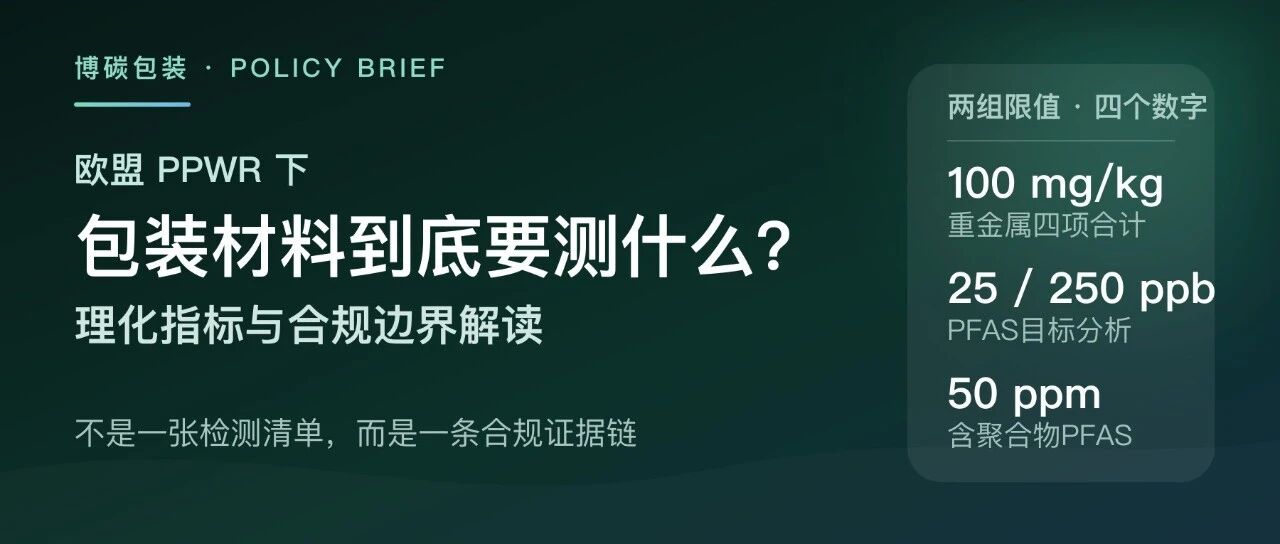
The latest European Commission FAQ confirms that PFAS limits apply to the whole packaging unit, including inks, varnishes and adhesives, without distinguishing between intentional addition and unintentional presence.
All packaging or packing components, showing that the combined concentrations of lead, cadmium, mercury and hexavalent chromium are not greater than four100 mg/kg(a) The following:
It is easy to judge a project, but what endures is usually the work of those who keep refining products, solving problems, and serving users—BIOTEN Barrier Systems.
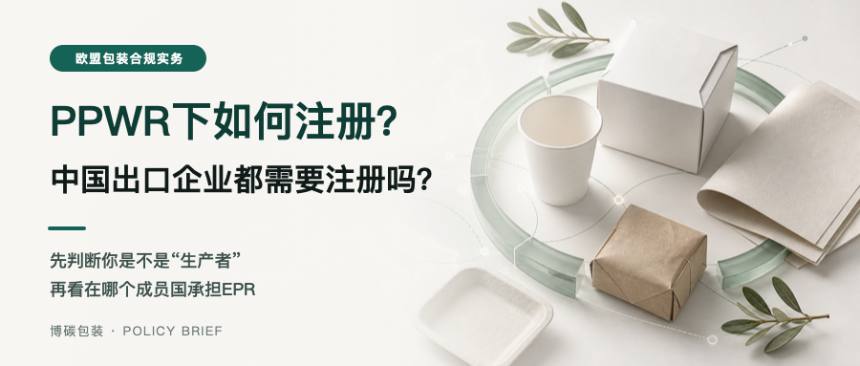
Clarifying four points makes it possible to determine who must register, where registration is required, whether a PRO or authorised representative is needed, and what product-compliance evidence must be prepared.
Plastic substitution has become a global policy and industry consensus. What matters is that the material system is moving closer to technical and commercial viability.