










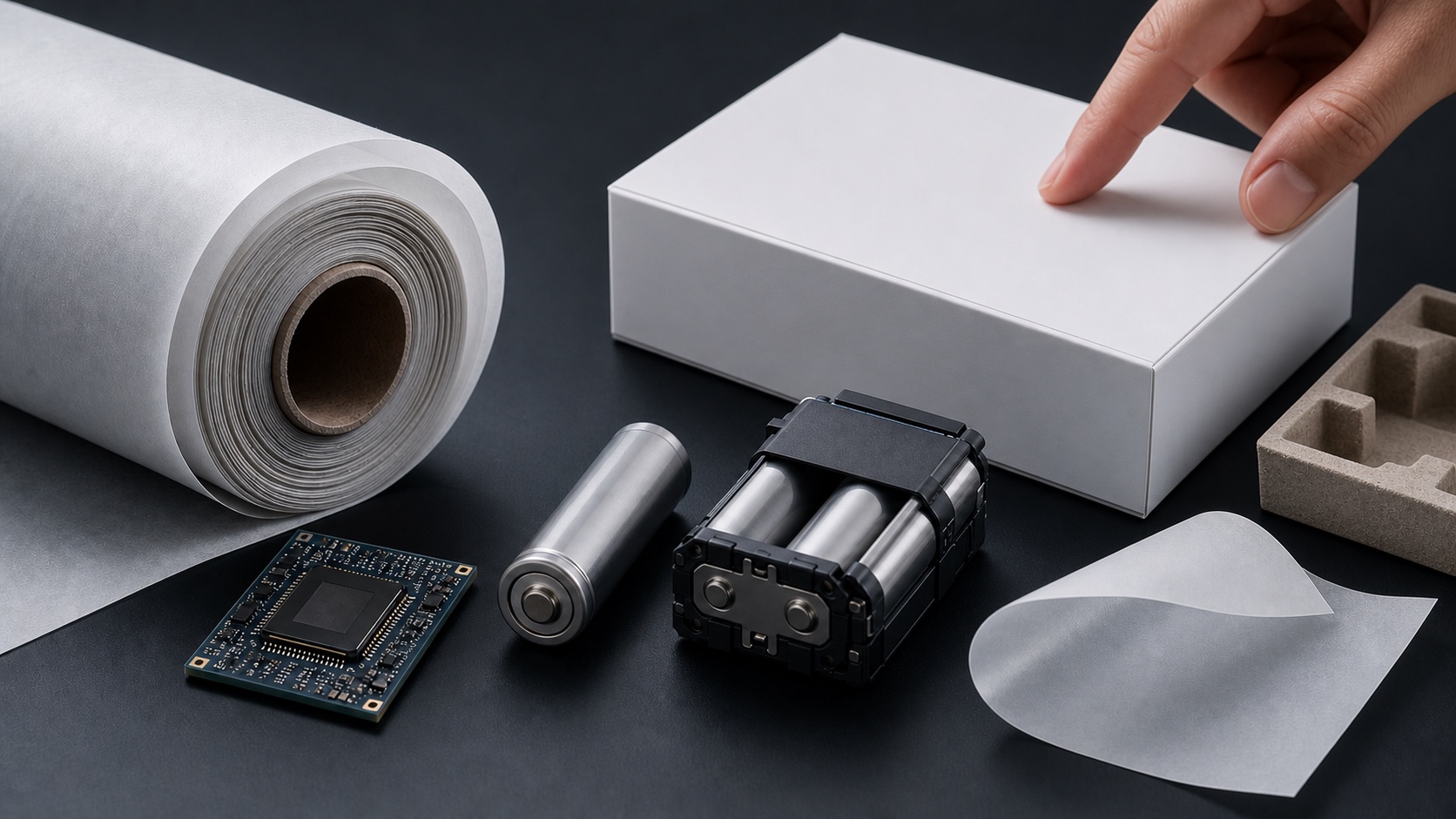




HIGH-END CHEMICALS
High-end chemicals
Organize key raw materials, functional additives and high-quality supply resources to serve material development, quality control, stable supply and application adaptation.


CASU China Science and Technology Alliance | Advanced Materials Platform
CASU focuses on high-end chemicals, special adhesives, battery materials and low-carbon recycling materials, from material interfaces, formula design, processing adaptation to application evaluation and industrialization introduction organization projects.
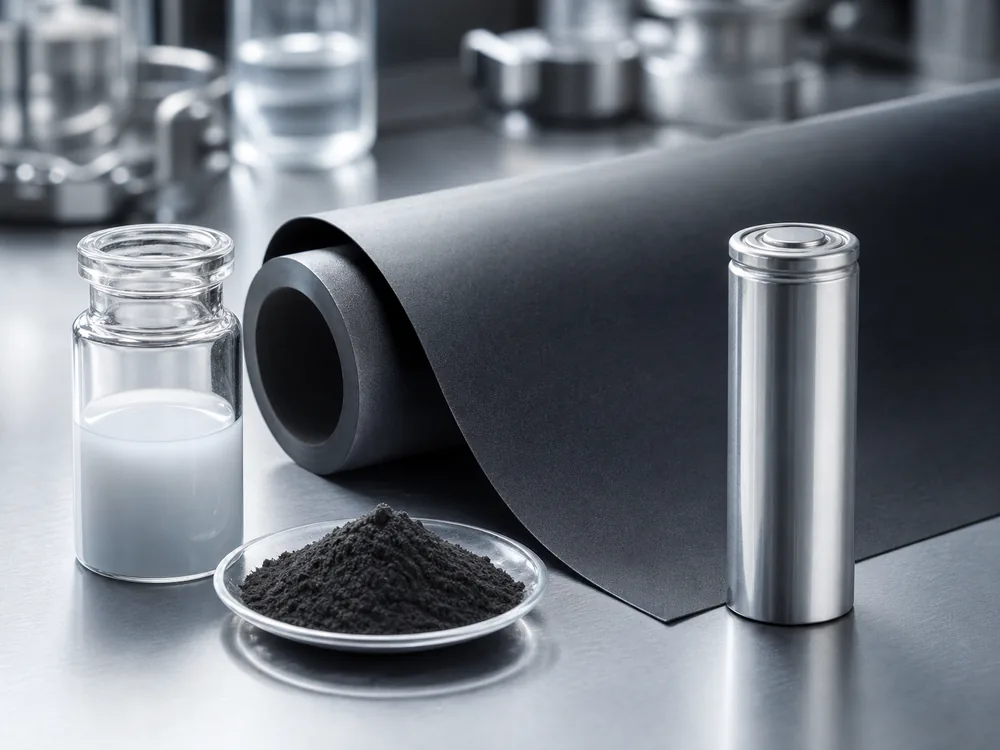
Advanced material layout
CASU's business is not to sell a single raw material, but to put material characteristics, formula system, equipment technology, quality control and end use into the same project to promote technology from the research and development end to the manufacturing end.
Organize key raw materials, functional additives and high-quality supply resources to serve material development, quality control, stable supply and application adaptation.

Around water-based bonding, composite interfaces and industrial coatings, synergistic bond strength, film formation, water and heat resistance and processing windows.

For positive and negative electrode water-based bonding systems, separators and interface materials, connecting slurries, coating, drying, rolling and electrochemical evaluation.
Focusing on water-based systems, bio-based and recycled materials, and low-emission functional coatings, we balance environmental value, processing efficiency, and performance.
Water-based battery bonding system
Starting from the interface between polymer structure and active materials, CASU connects dispersion, rheology, coating, drying, rolling, peeling and electrochemical evaluation in series to avoid using single point data to replace complete process performance.
Material development path
CASU establishes project paths with real materials, real recipes and real equipment conditions, so that laboratory results can be understood, reproduced and continuously optimized by the manufacturing end.
Identify material objects, existing processes, failure phenomena, performance targets, cost and supply constraints.
Establish hypotheses about interface, dispersion, film formation, adhesion and durability to form candidate materials and control systems.
Convert solid content, viscosity, shear, temperature, coating, drying and post-processing into controllable process parameters.
Review performance in target substrates, devices, or cell routes and document material and process versions.
Synchronize quality specifications, batch stability, production rhythm, procurement conditions and change management to support industrial introduction.
Application transformation capabilities
The competitiveness of advanced materials not only comes from molecular structure, but also from application understanding, process adaptation, batch stability and industrial chain organization. CASU uses project mechanisms to connect these links.
Organize joint research and technology assessments around applied chemistry, materials science and engineering issues.
The terminal performance is used to infer the material structure, formula combination, key variables and failure mechanism.
Verify materials by entering into actual processing processes such as coating, film forming, lamination, drying, and rolling.
Collaborate with upstream raw materials, manufacturing and end customers to organize specifications, quality, supply and project changes.
Technology and Industry Progress
From waterborne bonding systems to industrial collaborations, CASU connects public technology advances with project portals, allowing customers to move from known issues to more specific materials discussions.
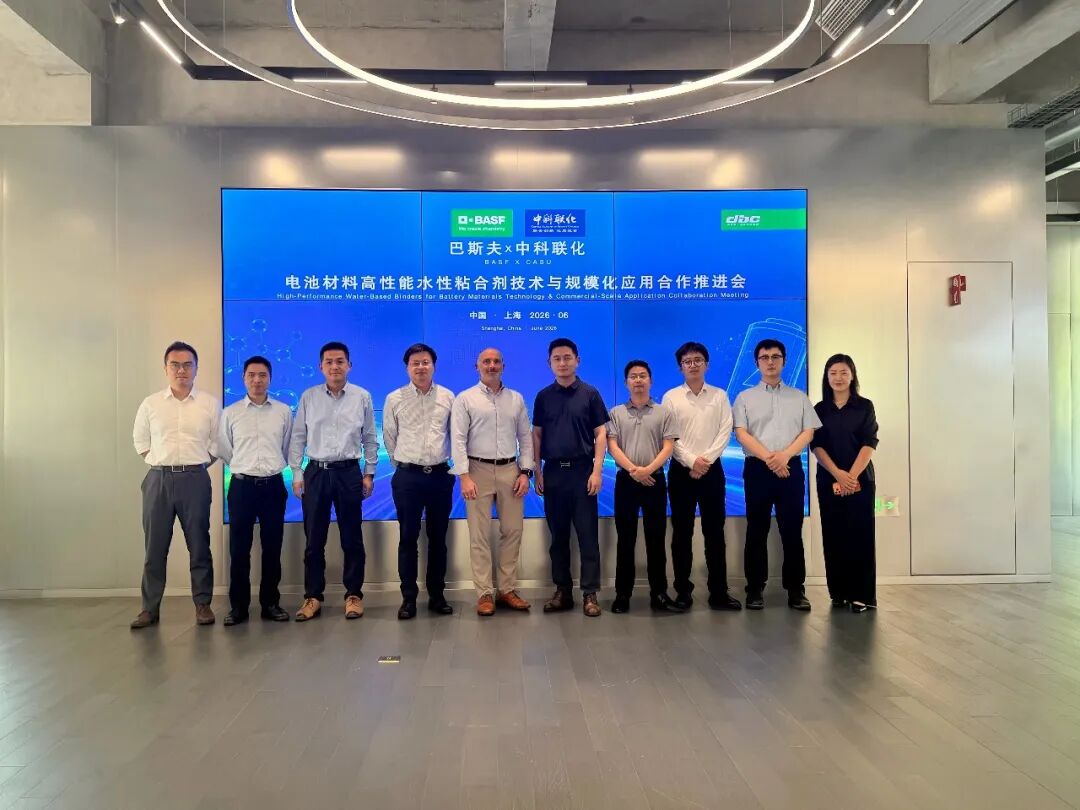
Establish public cooperation records around material routing, slurry and pole piece processing to connect technical resources and manufacturing scenarios.
Read the technical note →Submit existing materials, processes, target performance and failure phenomena to establish an executable assessment scope.
Enter the project entrance →The advanced materials platform forms cross-business synergies with bio-based materials, functional coatings and low-carbon applications.
View business ecosystem →Explain the material link, existing formulations, equipment processes, current issues and expected results, and let the CASU team determine the path for technical evaluation, samples and joint development.
Partnerships, supply capabilities, product performance, and large-scale introduction all have object, time, subject, and authorization boundaries. This page describes CASU's business methods; quantitative production capacity, customer applications and third-party cooperation status are subject to the current official information.