








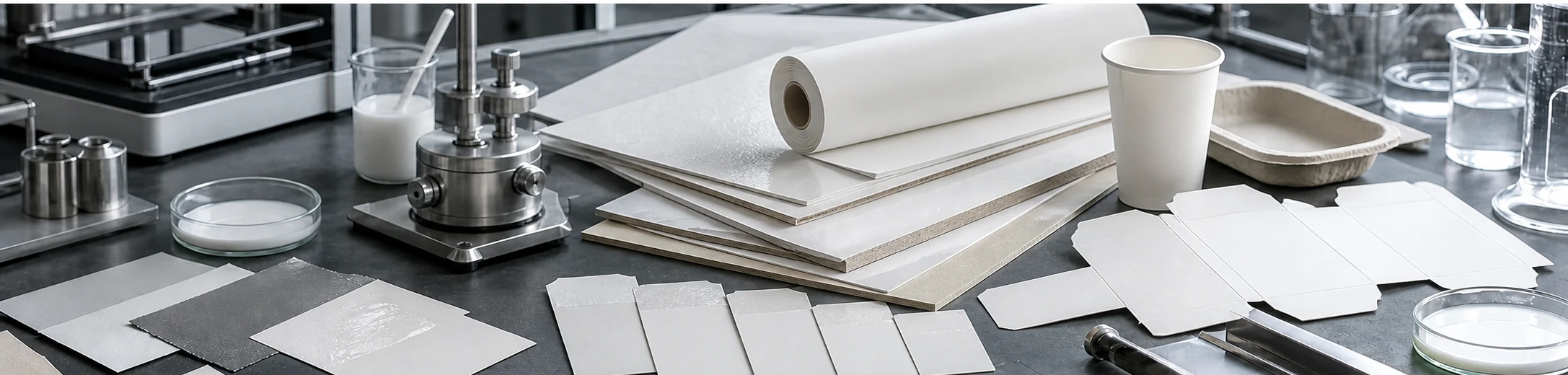
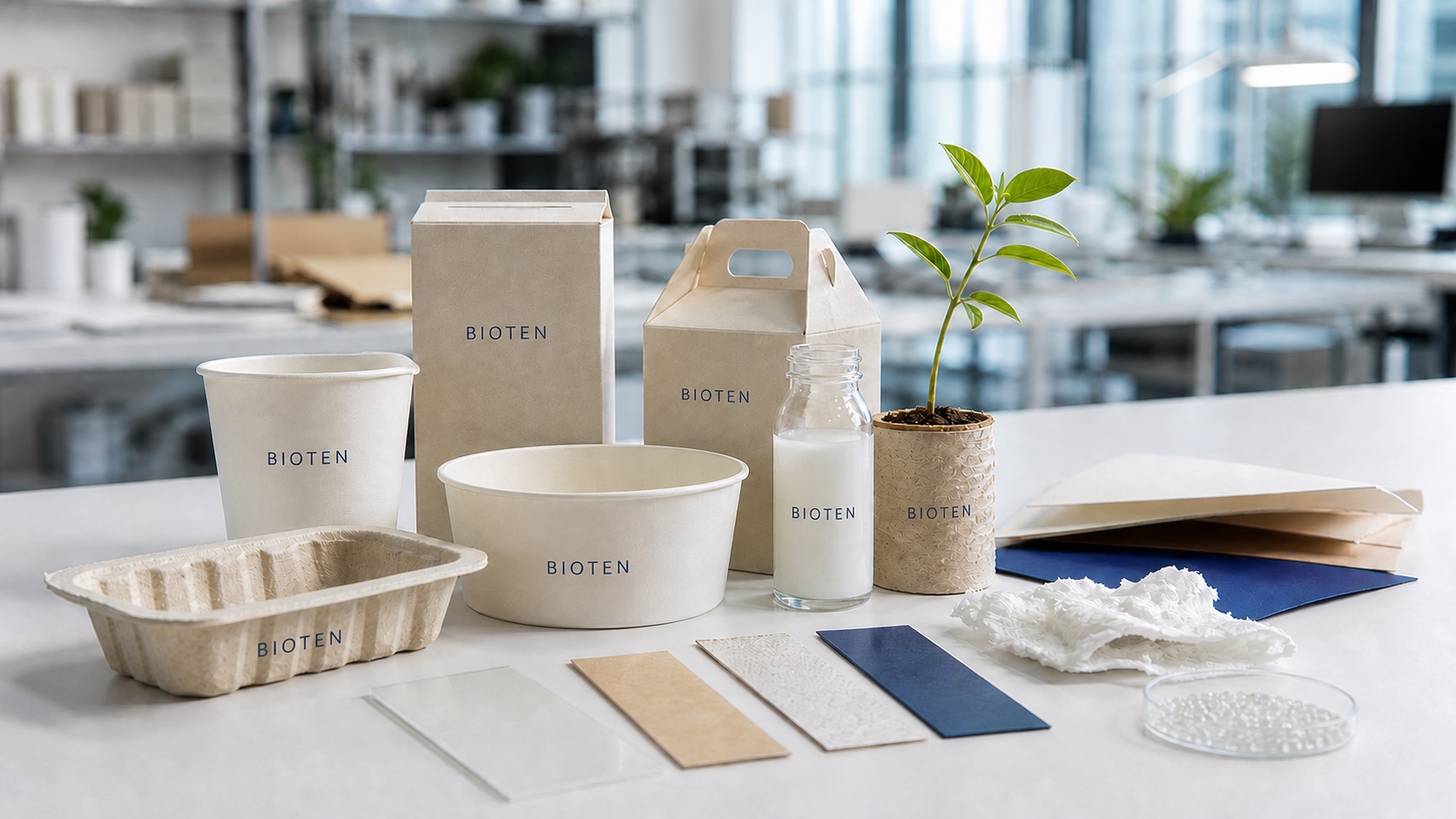

Foodserviceware engineering system
Put contents, components, paper, coating, converting and claim boundaries into one task.
Open the system →

FIELD 01 · FOOD & BEVERAGE
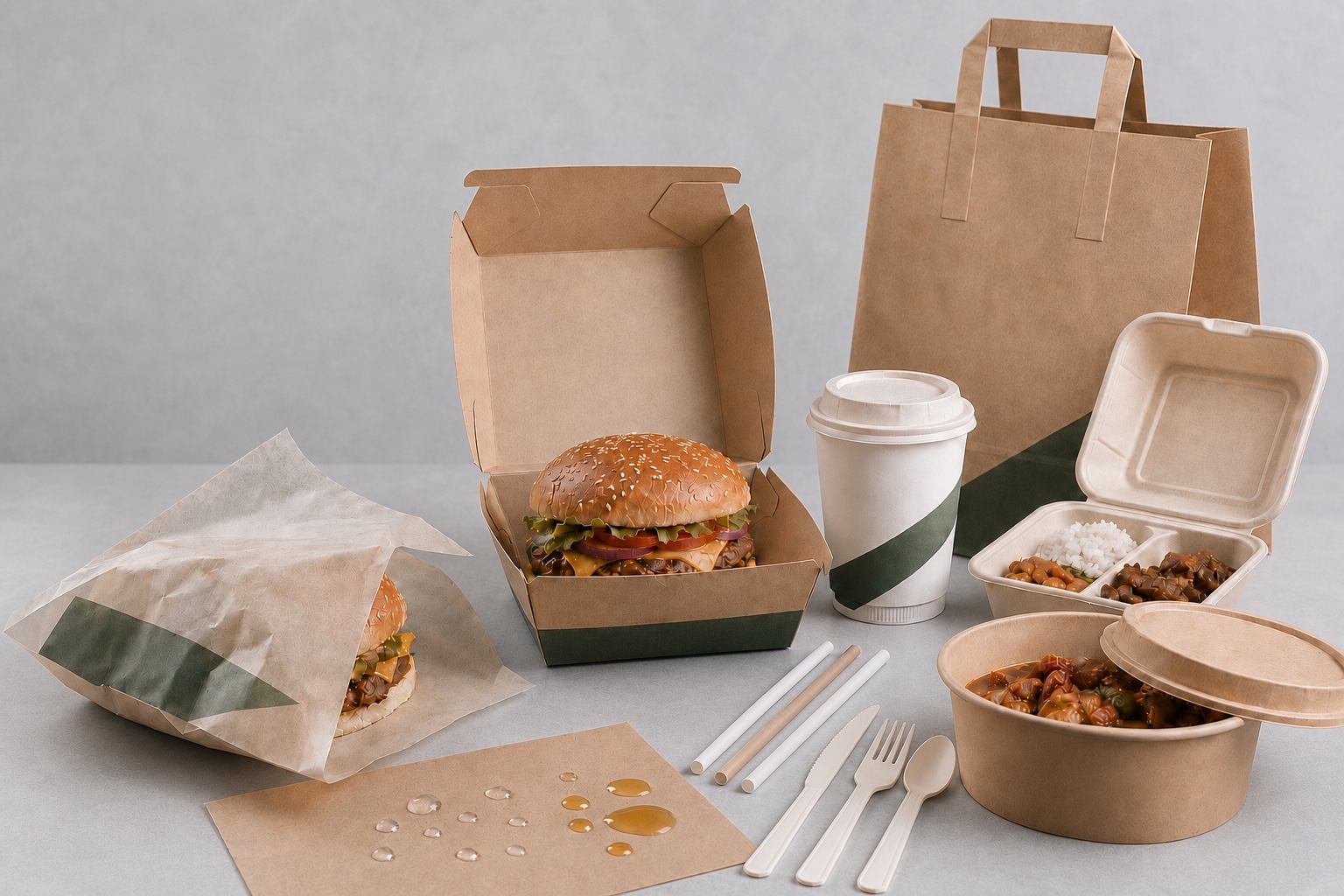
Starting with hot and cold beverages, fats, sugars, salts, acidic media and steam exposure, we connect base paper, PHA bio-based waterborne functional emulsions, coating structures, heat-seal windows and converting—and validate water uptake, grease resistance, moisture and oxygen barrier, seal integrity and shelf life under defined conditions.
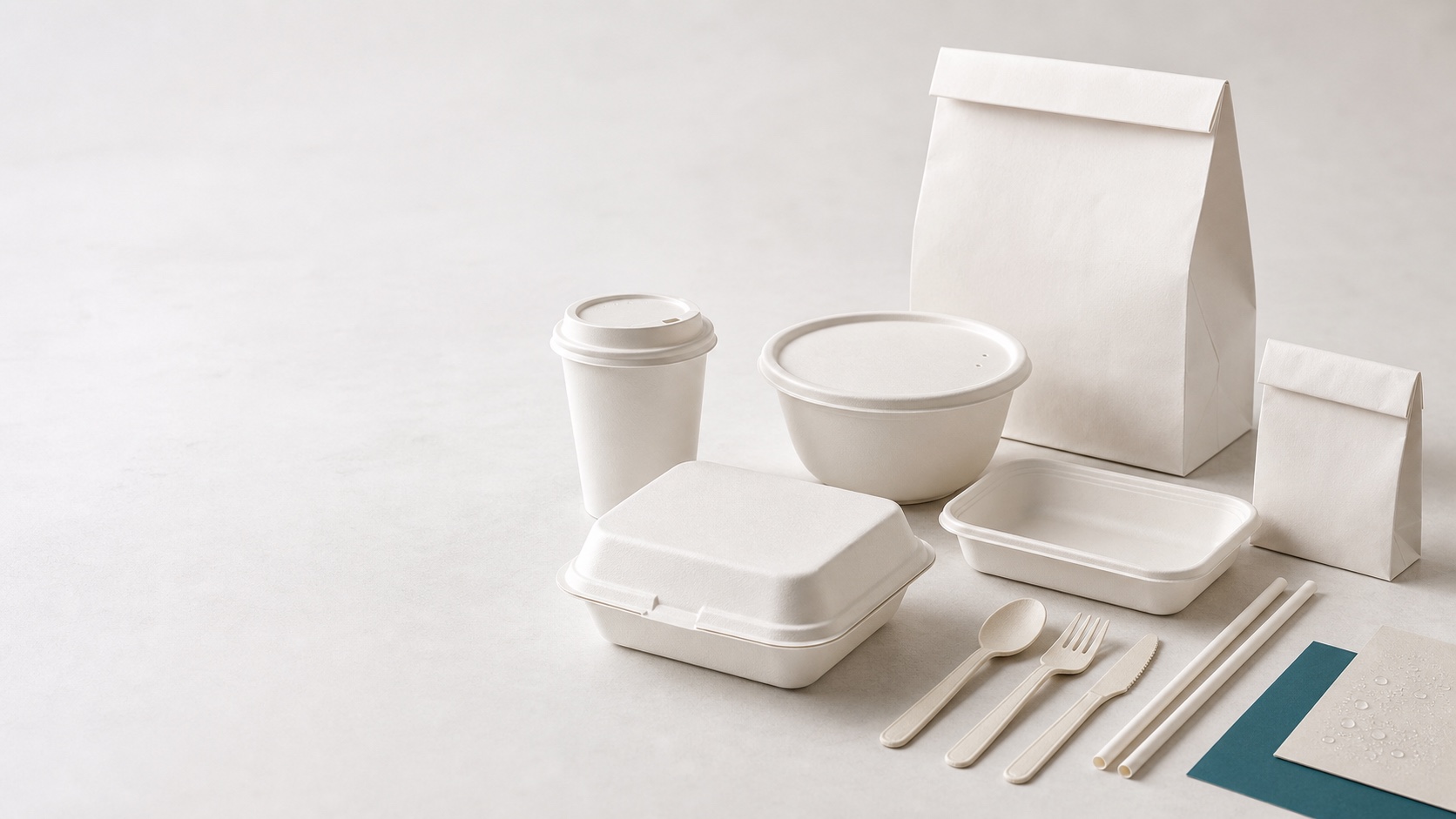
FOODSERVICEWARE ENGINEERING
Paper cups, bowls and food containers have different components, forming interfaces and failure locations. Each specialist page governs scenario, BOM, paper, coating, converting, failure and G0–G4 gates.
Put contents, components, paper, coating, converting and claim boundaries into one task.
Open the system →Govern sidewall, bottom stock, side seam, bottom seal, rim, lid and condensation separately.
Open paper cups →Build a path around hot soup, fats and salts, bottom ring, rim, nesting, lid fit and delivery heat.
Open paper bowls →Govern creases, corners, gluing, windows or films, compartments, closure, stacking and delivery.
Open paper containers →DEFINE THE PROBLEM
Define contents, temperature, contact time, pack level, shelf life, distribution and line speed before selecting a material structure or test method.
Water, fats, sugars, salts, acidity, aroma and temperature interact; real contents and targeted simulant systems establish the media load.
Cobb characterizes surface water absorptiveness of paper and board, while WVTR characterizes water-vapor transmission under specified conditions and structures; together they build a liquid- and moisture-barrier profile.
Snack packs and liquid containers require OTR, crease integrity, seal strength and leakage risk to be assessed within one shelf-life framework.
Coating, drying, winding, creasing, die cutting, heat sealing and forming stabilize together, advancing from laboratory films to complete-pack validation.
ENGINEERING CHAIN
Each step sets inputs, acceptance gates and fallback criteria, preserving clear engineering interpretation as material data enters the real pack.
Media, temperature, contact, shelf life
Absorption, adhesion, porosity, crease
Coat weight, film, barrier, seal
Drying, cutting, forming, sealing
Performance, shelf life, compliance, end-of-life
VALIDATION FRAMEWORK
These are planned data fields and candidate validation metrics. Methods, thresholds and conclusions depend on project samples, target markets and the complete package structure.
Cobb characterizes surface water uptake and KIT screens grease resistance; WVTR, migration and complete-pack validation then close application fitness together.
Record temperature, humidity, thickness, substrate, direction and conditioning; reassess the complete structure after creasing and forming.
Build a temperature–time–pressure window and verify seal strength, contaminated sealing, drop, stacking and post-distribution integrity.
Use complete packs and real-time or justified accelerated conditions to link sensory, moisture, oxidation, sealing, appearance, mechanical performance and barrier values into a shelf-life model.
RELATED RELEASES
Technology releases record research questions, validation frameworks and evidence status; product routes convert them into candidate solutions ready for project validation.

Separates Cobb, KIT, WVTR, OTR and heat sealing, defines specimens, conditions and uses, then closes evidence at complete-pack level.
View methods and evidence →
Use a process–structure–performance relationship to understand pinholes, creases and barrier variation.
Explore the mechanism →
Plus supports general candidates, Pro custom engineering, and Ultra liquid packaging and high-demand structure validation.
View product routes →We decompose the project into material route, coating and seal windows, finished-pack validation, compliance documentation and end-of-life pathway, with evidence status and next gates clearly marked.