



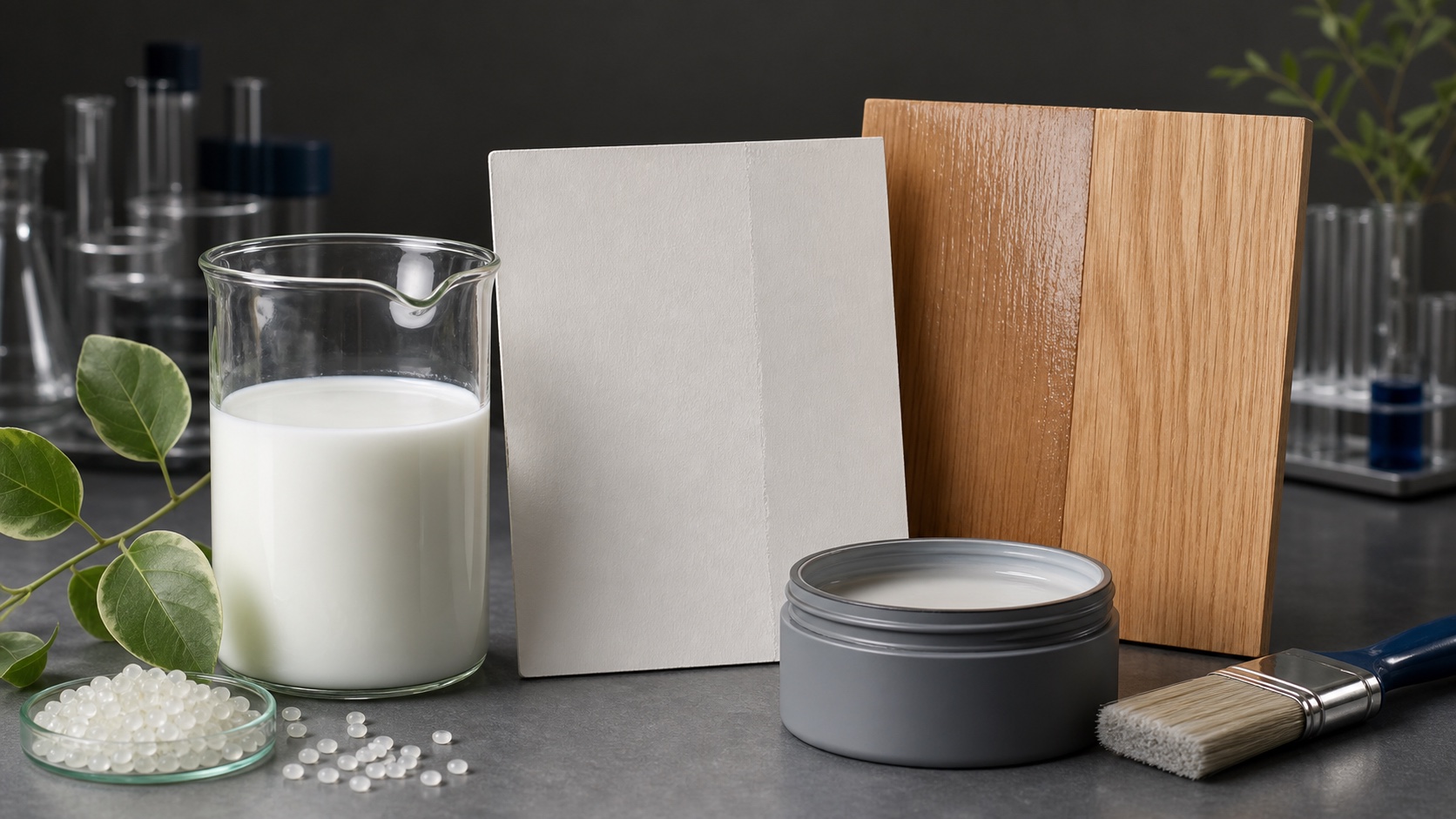
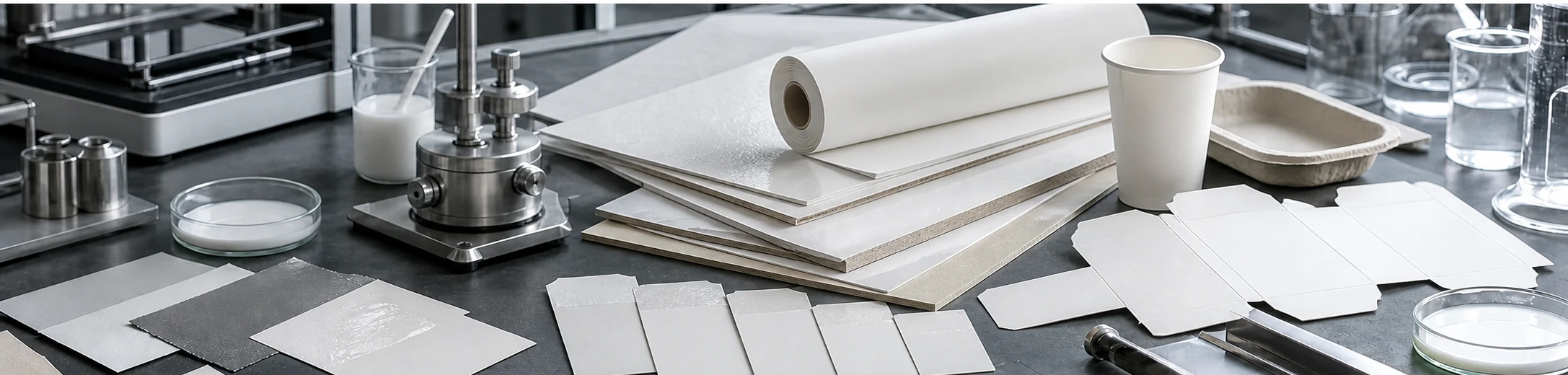
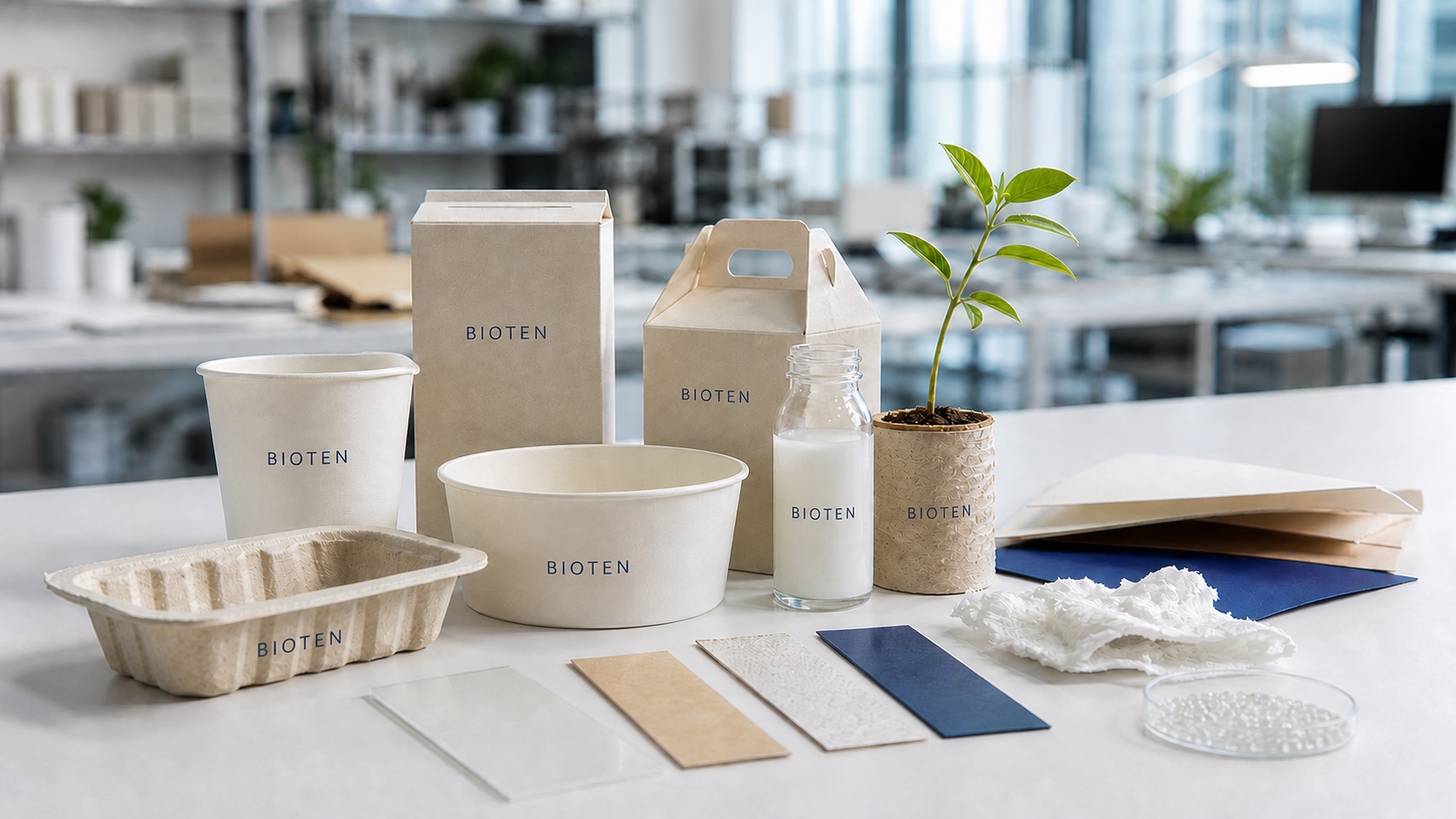

Emulsions, pigments and fillers, dispersants, thickeners, defoaming and functional additives.
BIOTEN Developer | Bio-based coatings
Put emulsion, pigments and fillers into the same test as the real base material.
For coating companies, formulation teams and application engineers, emulsions, pigments and fillers, additives, substrate conditions, construction tools, drying environments and surface targets are organized into executable formulation and film-forming development tasks.
Bio-based coatings
First lock in the common baseline of resin, pigments, fillers, base materials and construction environment.
The development brief needs to include the complete formulation, solid content and rheology, substrate treatment, application method, coating amount, temperature and humidity, drying window and current film layer failure.
Absorption, cleaning and surface treatment of walls, putty, wood or composite substrates.
Roller coating, brushing, spraying, coating amount, ambient temperature, humidity and drying.
Adhesion, coverage, touch, resistance to stains, water, abrasion and maintenance cycles.
Verify dispersion, rheology, interface and film formation issues in layers.
Use real substrates to reproduce the baseline and only change key emulsions, additives, pigment-base ratios or drying conditions to distinguish the boundaries of responsibility for system compatibility, construction behavior and film performance.
Replicating failure with real substrates is more valuable than continuing to add additives.
The development task starts with dual baselines of formula and substrate, and gradually observes dispersion, rheology, construction, drying and film layer performance to avoid misdiagnosing interface problems as single emulsion problems.
decentralized interfacePigments and fillers · Additives · Emulsions
Rheological constructionCutting · Leveling · Anti-sag
Dry filmTemperature and humidity · Thickness · Time
Coating resultsAdhesion · Covering · Touch · Durability
From small trial formula to actual substrate construction, the film forming window is gradually locked.
The dispersion state, rheology curve, construction parameters, drying conditions and film layer results enter the same version chain, and then decide whether to enter pilot testing or system matching.
Formula and base material
Dispersion and compatibility
Tools and Environment
Performance and appearance
Substrate, primer, topcoat and maintenance
Precipitate formula, construction and film failure into reproducible engineering records.
Project deliverables clarify available windows, substrate boundaries, environmental sensitivities, failure maps and next round of pilot validation conditions.
Coating Development Kit
Formula, substrate, construction, film layer and environmental conditions enter the same version record.
Construction window
Understand the effects of application volume, tooling, drying and environmental changes on surface results.
Invalid map
Connect cracking, blooming, insufficient adhesion or reduced stain resistance to possible variables.
Start with the coupling issues of resin, pigments, substrates and drying windows.
Submit the existing system, solid content and rheology, construction methods, substrate surface, drying conditions and failure modes, and accordingly identify the minimum tasks for co-film formation, dispersion stability, adhesion and durability verification.
SCOPE & EVIDENCE
Development tasks answer recipe questions and do not preset finished product conclusions.
Development pages are used to organize emulsions, pigments, fillers, auxiliaries, substrates and construction variables. Stage results only support judgment based on corresponding samples and methods, and cannot be applied across formulas, substrates, or usage environments.
- Document controls, failure patterns, and repeatable windows.
- Finished product performance, regulations and external claims are independently confirmed after complete system verification.