





MECHANISM ANALYSIS · RESEARCH BRIEF · CF-001
From wetting and pore sealing to continuous film formation:
how do paper, coating, and process shape barrier performance?
Performance of the same emulsion across different papers is shaped by paper absorption and porosity, formulation wetting and rheology, coat weight, drying and coalescence, creasing and sealing. Controlled batches build a process–structure–performance chain that converts film-formation mechanisms into a stable engineering window.
01 · ENGINEERING QUESTION
The same formulation can form different effective coatings.
After an emulsion reaches paper, it may spread, penetrate, retract around fiber topography, or develop pinholes, cracks, and local thin zones during drying. Even at the same total dry coat weight, effective surface coverage, thickness distribution, and defect density may differ substantially.
Engineering judgement should move from what the formulation contains, to what structure forms on paper, and then to how that structure performs in the specified article and conditions.
02 · RELATIONSHIP CHAIN
Build a process–structure–performance relationship chain, then validate causality step by step.
Start with paper and formulation from controlled batches, record coating and drying windows, observe wetting, pore sealing, coalescence and defects, then test flat sheets, post-fold and post-seal states and content-contact conditions. Controlled variables, replicates and statistical judgment advance performance relationships into reproducible causal evidence.
- Process inputs: paper condition, formulation version, coat weight, line speed, temperature zones, airflow, and residual moisture.
- Structural observations: penetration depth, surface coverage, pore closure, thickness distribution, pinholes, cracks, and interlayer adhesion.
- Performance responses: liquid-water absorptiveness, grease resistance, water-vapor and oxygen transmission, heat sealing, post-fold retention, and finished-article stability.
03 · METRIC BOUNDARIES
Cobb, KIT, WVTR, and OTR answer different questions.
Cobb characterizes liquid-water uptake at the paper or board surface under specified conditions; WVTR characterizes water-vapor transmission at a defined temperature, relative-humidity gradient and method, together building a liquid- and moisture-barrier profile. KIT screens or rates grease resistance and connects to complete-pack validation with real food, contact time, temperature and crease conditions.
OTR reports temperature, humidity, test gas, sample area and structural state. For liquid-food paper containers or snack shelf life, oxygen barrier is evaluated together with light barrier, seals, folds, cut edges, contents and filling or sterilization conditions.
04 · RESEARCH MATRIX
Record appearance, structure, and macroscopic performance within one version.
| Variable layer | Planned fields | Structural observation | Proposed response |
|---|---|---|---|
| Base paper | Basis weight, thickness, porosity, roughness, absorption, and sizing | Fiber topography, coating penetration, and effective surface coverage | Liquid-water absorptiveness, edge wicking, and coating uniformity |
| Formulation | Solids, particle size, viscosity, surface tension, pH, and stability | Wetting, dewetting, leveling, coalescence, and interlayer adhesion | Continuity, liquid resistance, flexibility, and blocking resistance |
| Coating & drying | Wet/dry coat weight, line speed, temperature zones, airflow, and residual moisture | Skin formation, pinholes, cracks, thickness distribution, and curl | Cobb, KIT, WVTR, OTR, and rewinding stability |
| Conversion & article | Creasing, folding, heat sealing, cut edge, contents, and humid conditions | Fold cracking, whitening, delamination, seal, and edge failure | Leakage, shelf-life-related barrier, and finished-article stability |
05 · EVIDENCE BOUNDARY
Mechanisms guide experiments; product and finished-article data complete validation.
Published literature supports engineering hypotheses on wetting, film formation, paper surfaces and defects; BIOTEN product conclusions are built from proprietary data for the corresponding polymer, formulation, paper, coat weight, equipment and conditions and are bound to specimen revision, method, raw record and owner.
- Cobb characterizes surface absorption of liquid water and WVTR characterizes water-vapor transmission; KIT screens grease resistance while complete-pack validation closes real-use performance.
- Controlled variables, replicates and statistical judgment advance performance relationships into causal evidence.
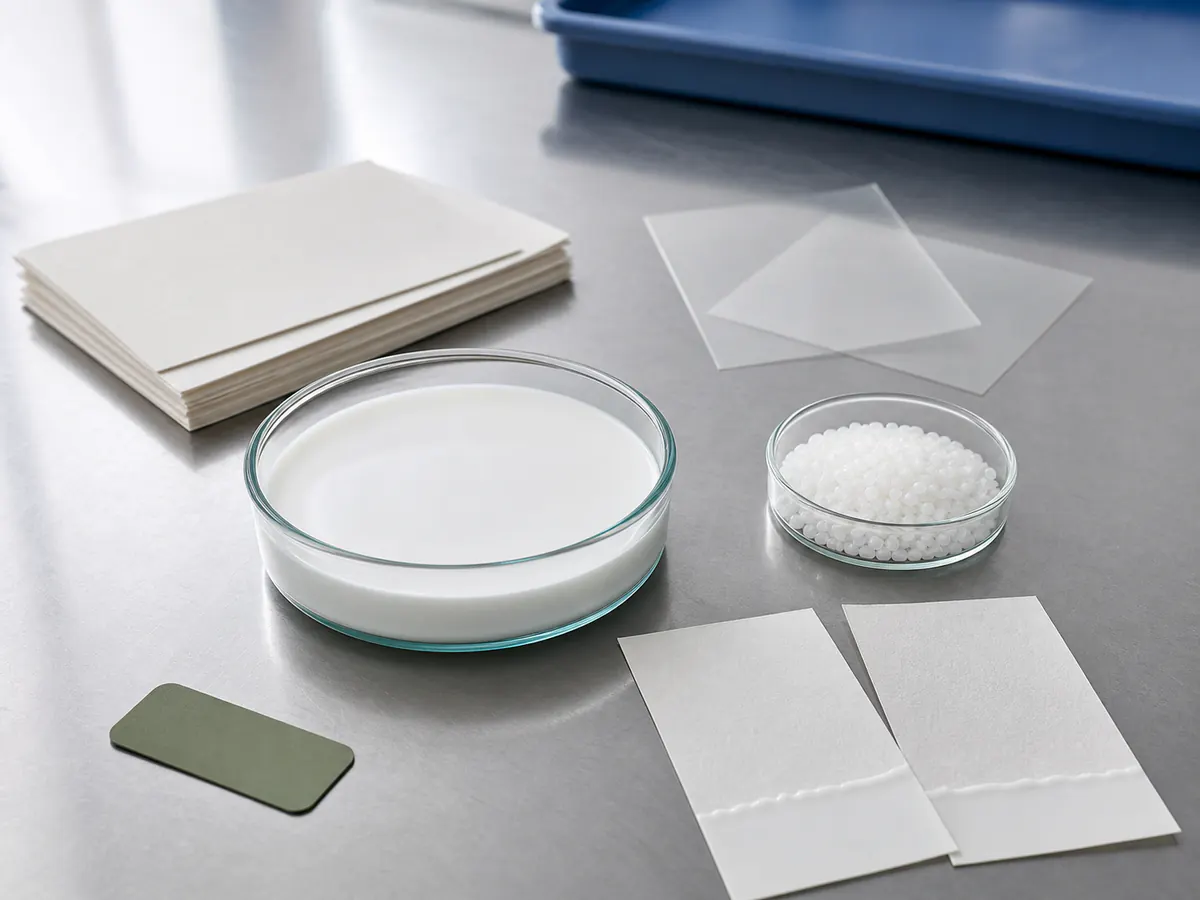
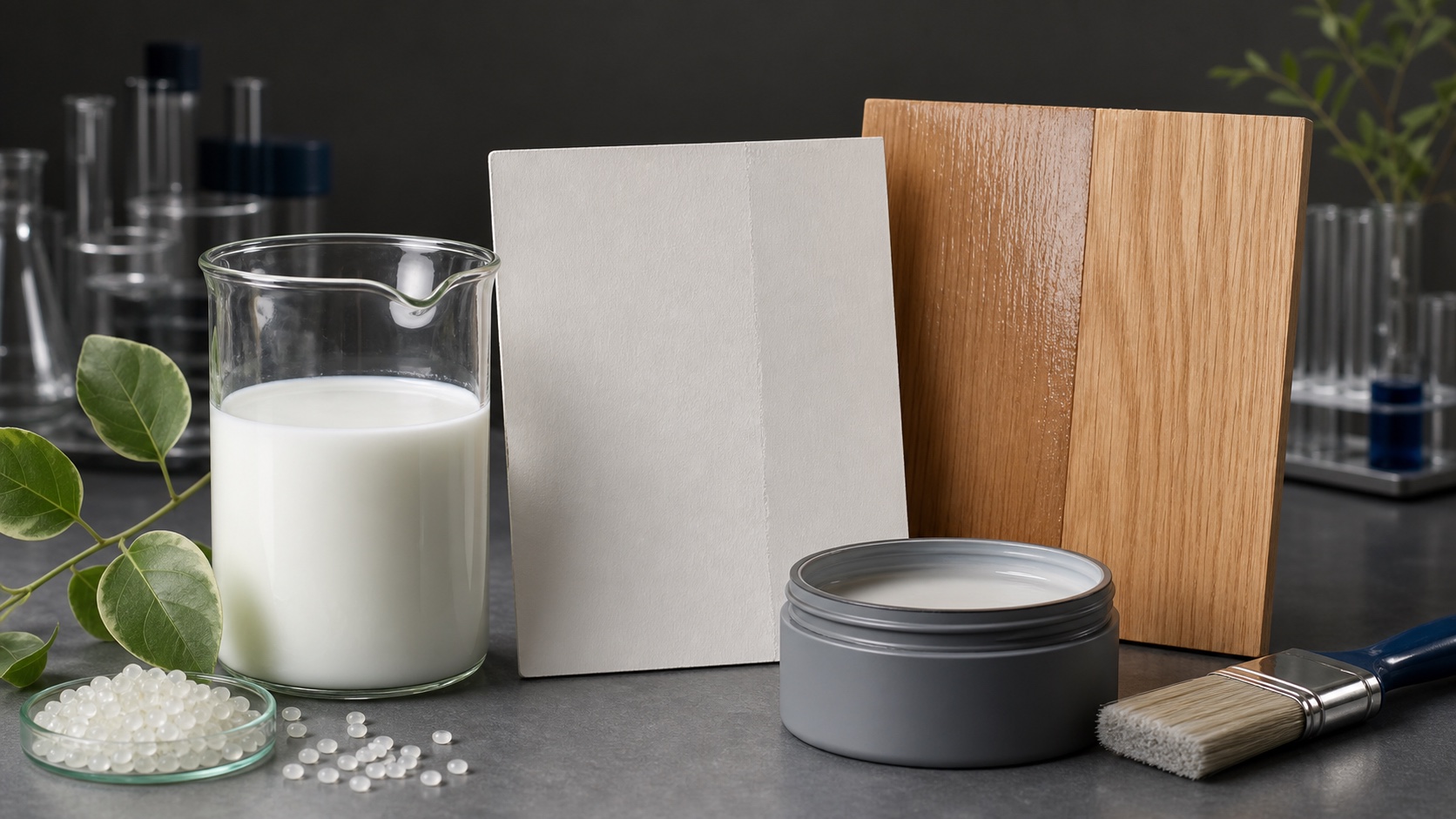
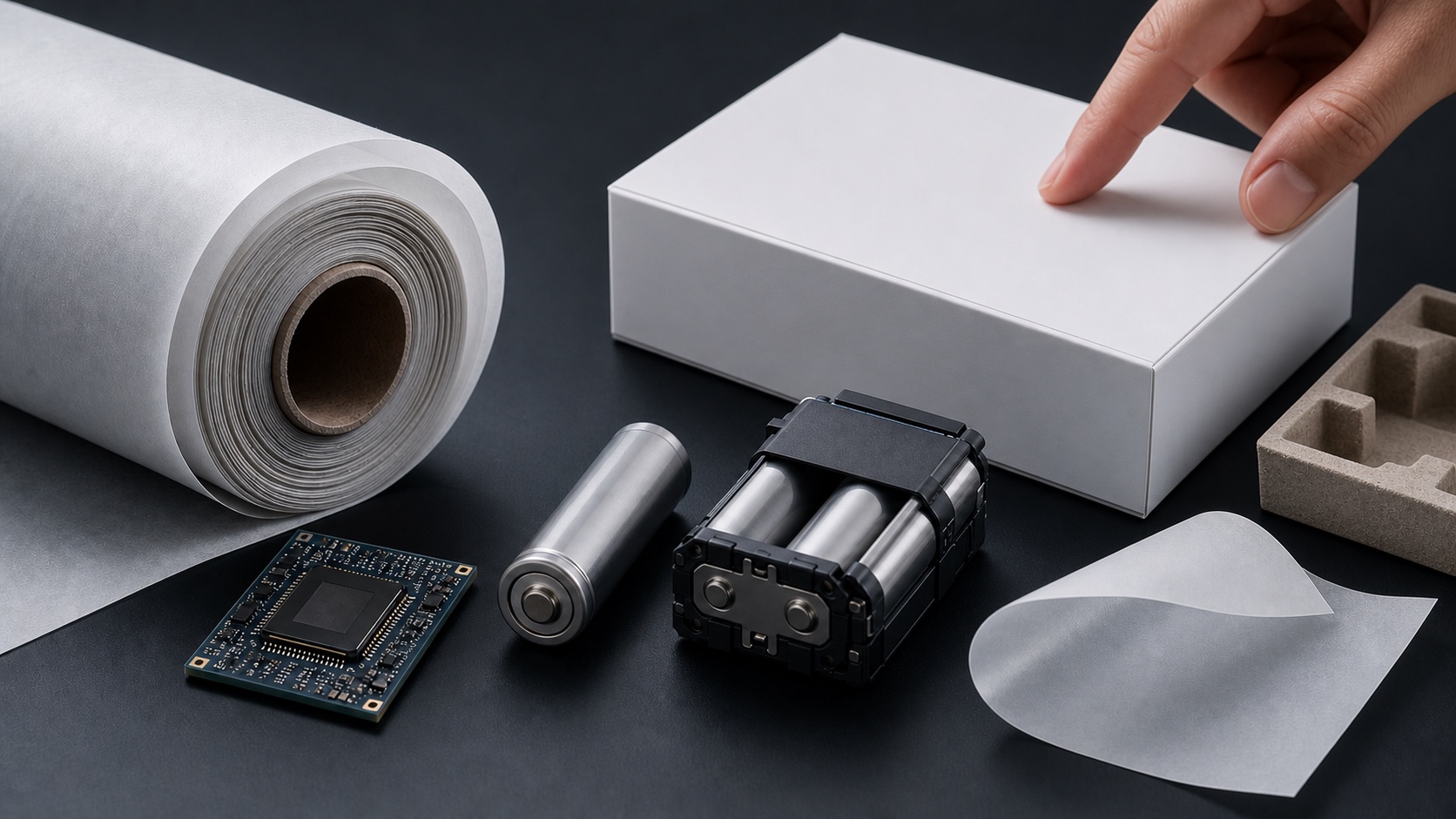
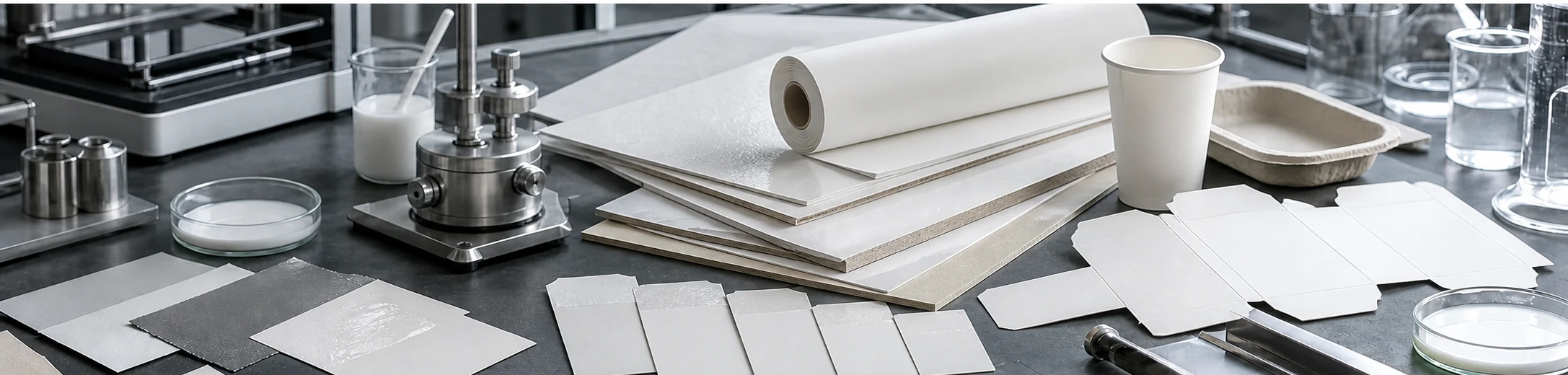
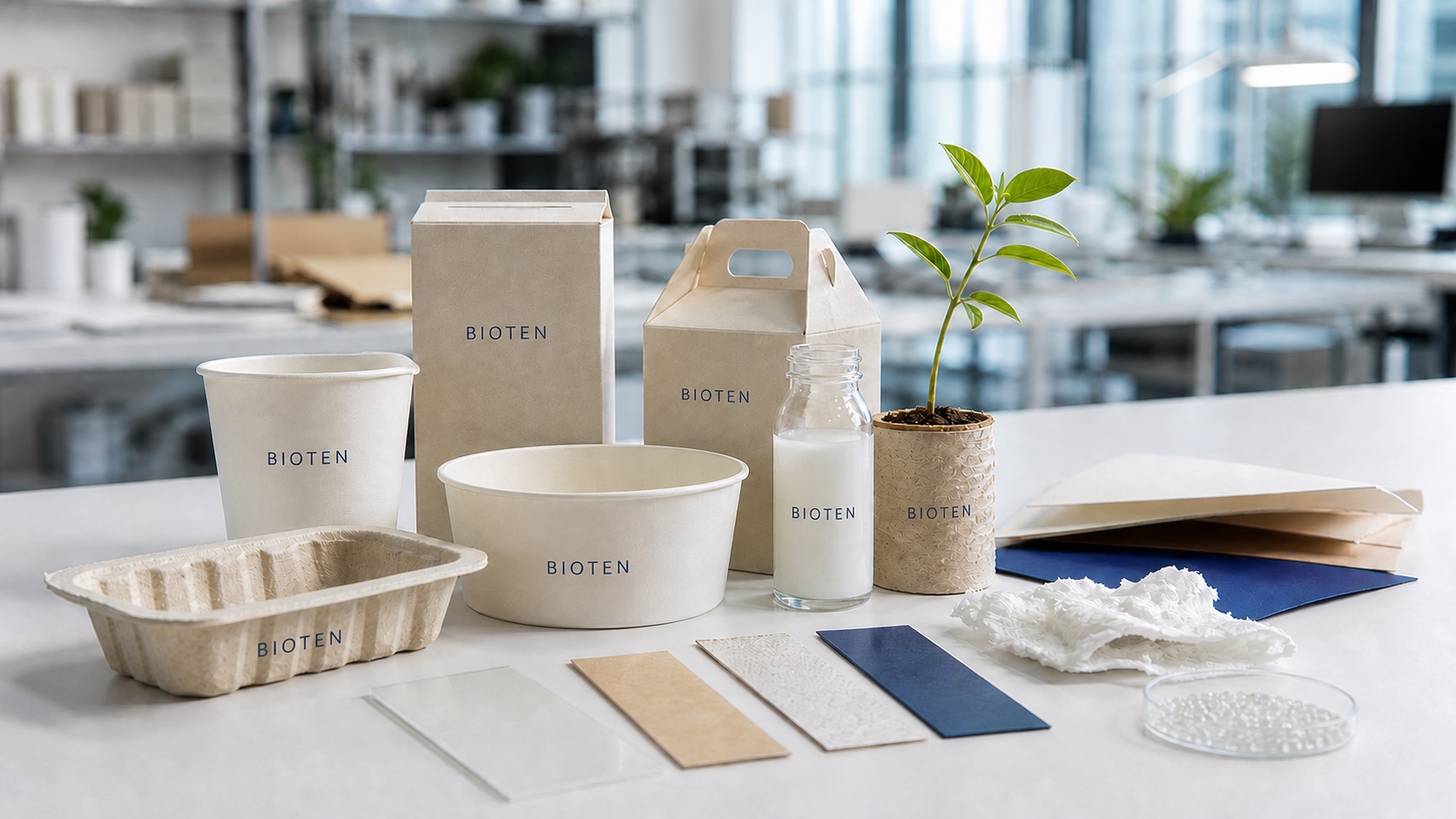
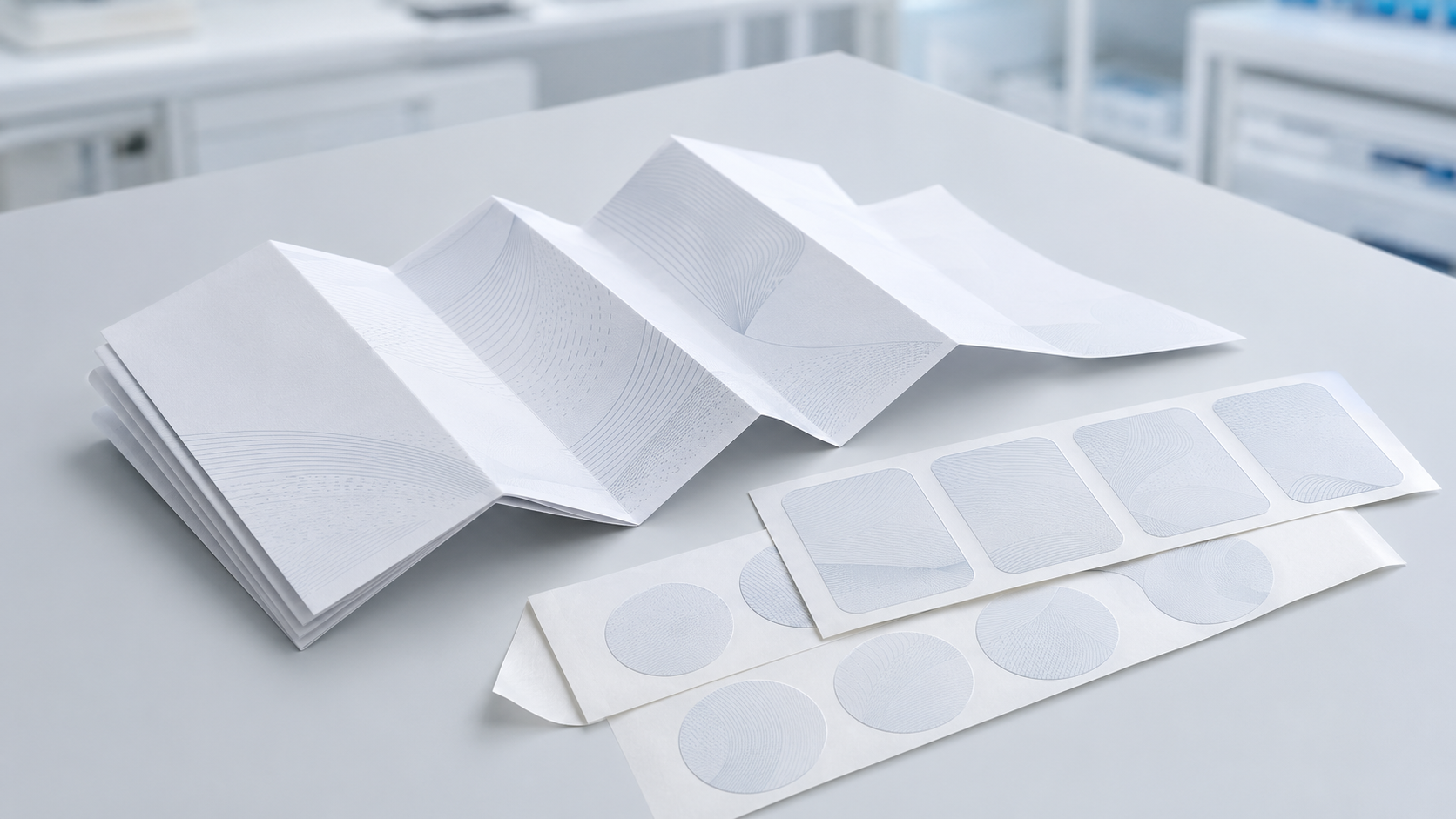
- The AI technical concept visual presents the engineering relationship among wetting, pore sealing, coalescence and continuous film formation.