


CHINA’S TOP 20 PAPER PRODUCERS · NO. 17
Xianhe Is Strengthening Its Manufacturing Foundation
The story of No. 17 Xianhe extends beyond its more than 60 grades: how two new production bases are building a more stable manufacturing system for specialty paper.
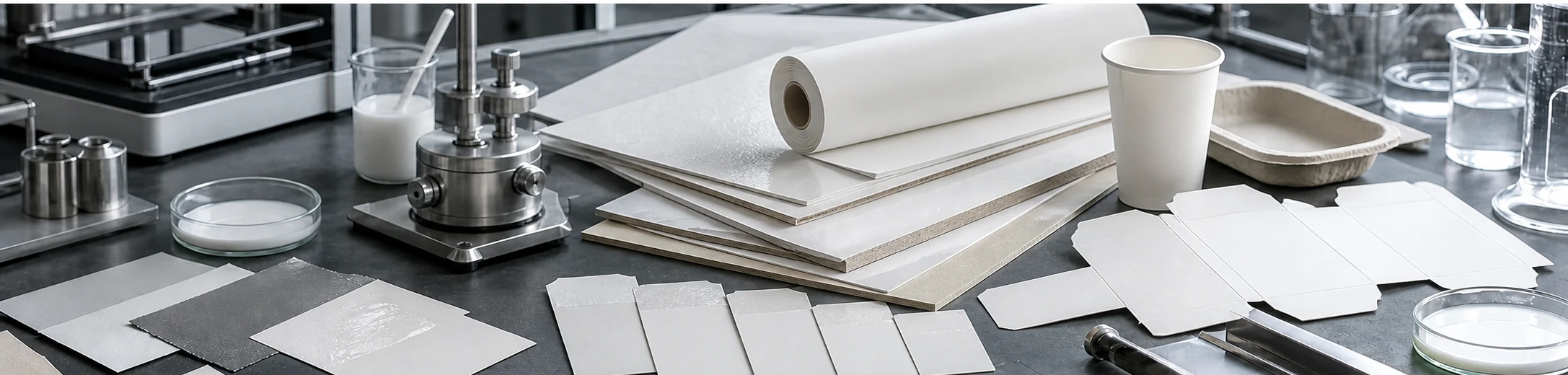
Xianhe’s strength lies in a manufacturing system that coordinates fiber, pulp, papermaking chemicals, paper machines, and customer specifications. The breadth of its specialty-paper portfolio provides demand anchors across multiple applications.
The 2025 annual report discloses actual output of pulp products and specialty paper at the Guangxi and Hubei bases; in Q1 2026, net cash generated from operating activities returned to positive territory. The question therefore moves from “how much capacity was added” to “whether the system can deliver consistently.”
The No. 17 ranking refers to output at the controlling-group level. Operating, product, and production-base data are reported on the listed company’s consolidated basis. Project plans, EIA design capacities, and actual output are identified separately.
COMPANY SNAPSHOT
1.989 million tonnes 2025 output of the controlling group in the association’s survey, ranking No. 17.
1.8057 million tonnes Xianhe Co., Ltd.’s 2025 sales volume of specialty pulp and paper, on the listed company’s consolidated basis.
RMB 302 million Net cash generated from operating activities in Q1 2026; the prior-year period recorded a net outflow.
Sources:China Paper Association annual report; Xianhe Co., Ltd. 2025 Annual Report; Q1 2026 Report.
01 · PRODUCTS AND DEMAND
The Value of a Broad Portfolio Lies in Reliable Delivery Across Diverse Requirements
The China Paper Association ranks Zhejiang Xianhe Holding Group No. 17, providing a scale benchmark. Looking deeper, the listed company’s 2025 annual report records machine-made paper output of 1.6374 million tonnes and specialty pulp and paper sales of 1.8057 million tonnes. The former reflects manufacturing output; the latter reflects market delivery. Neither should be added to the association’s group-level output, but together they show that Xianhe is organizing production and sales across a broader set of applications.
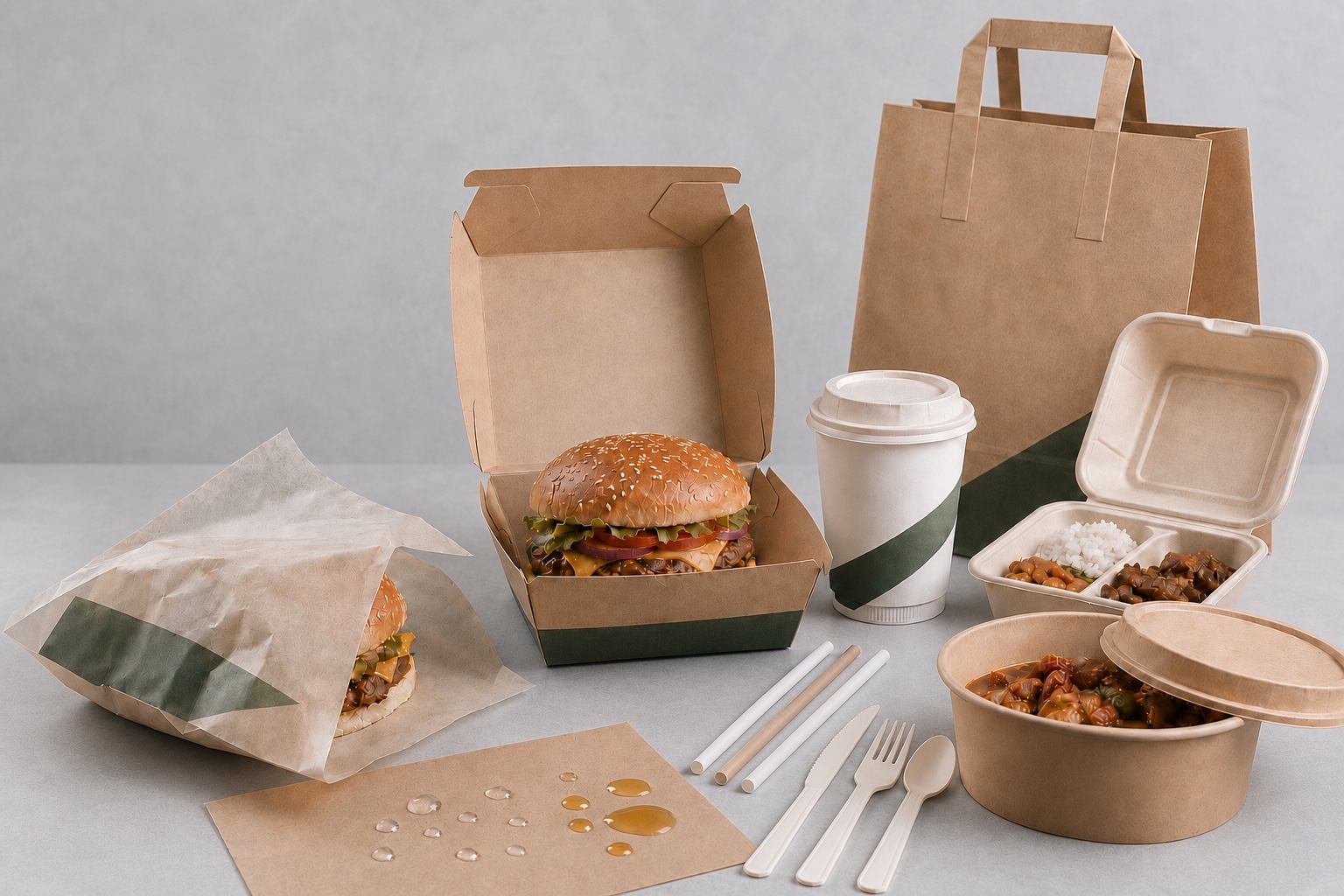
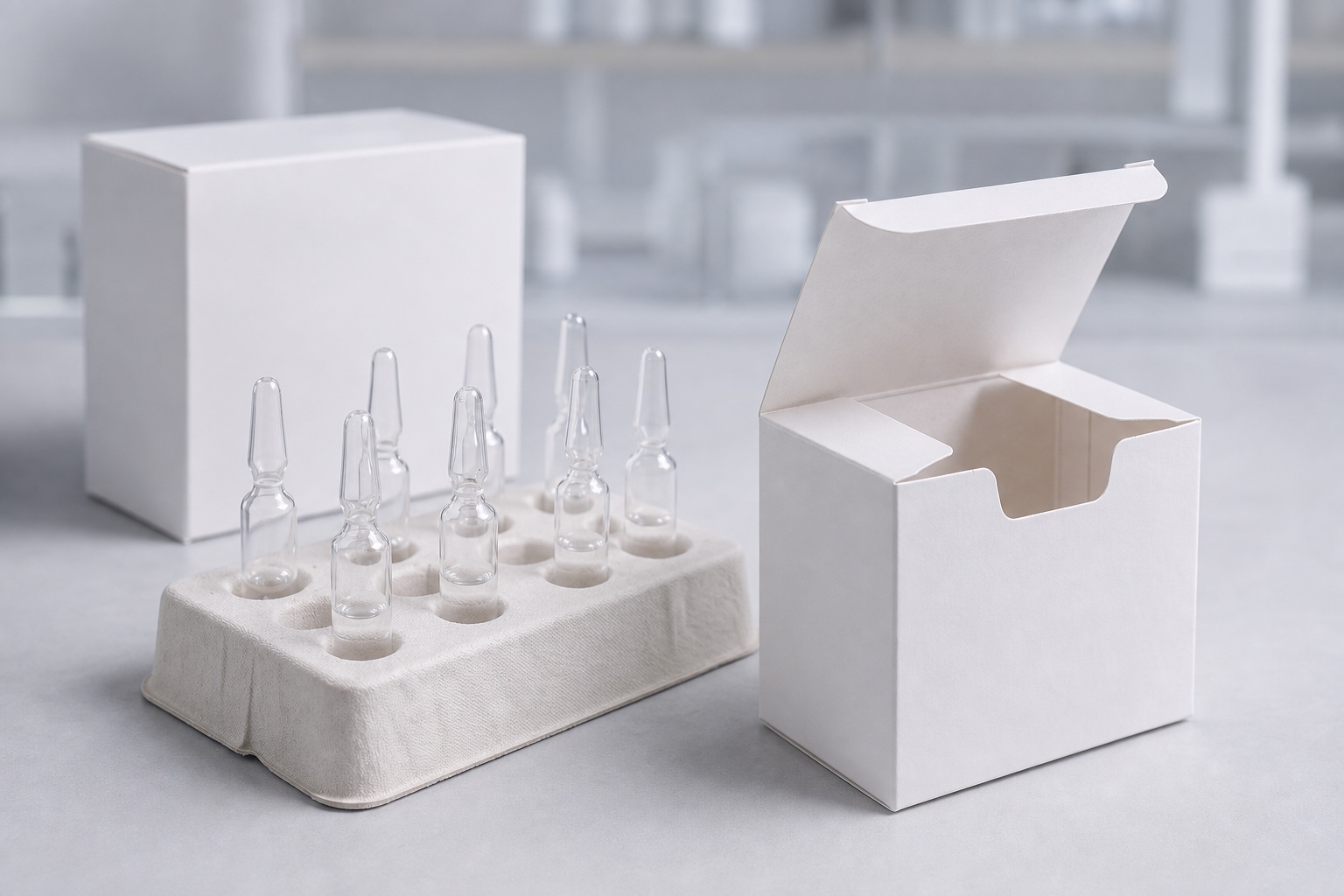
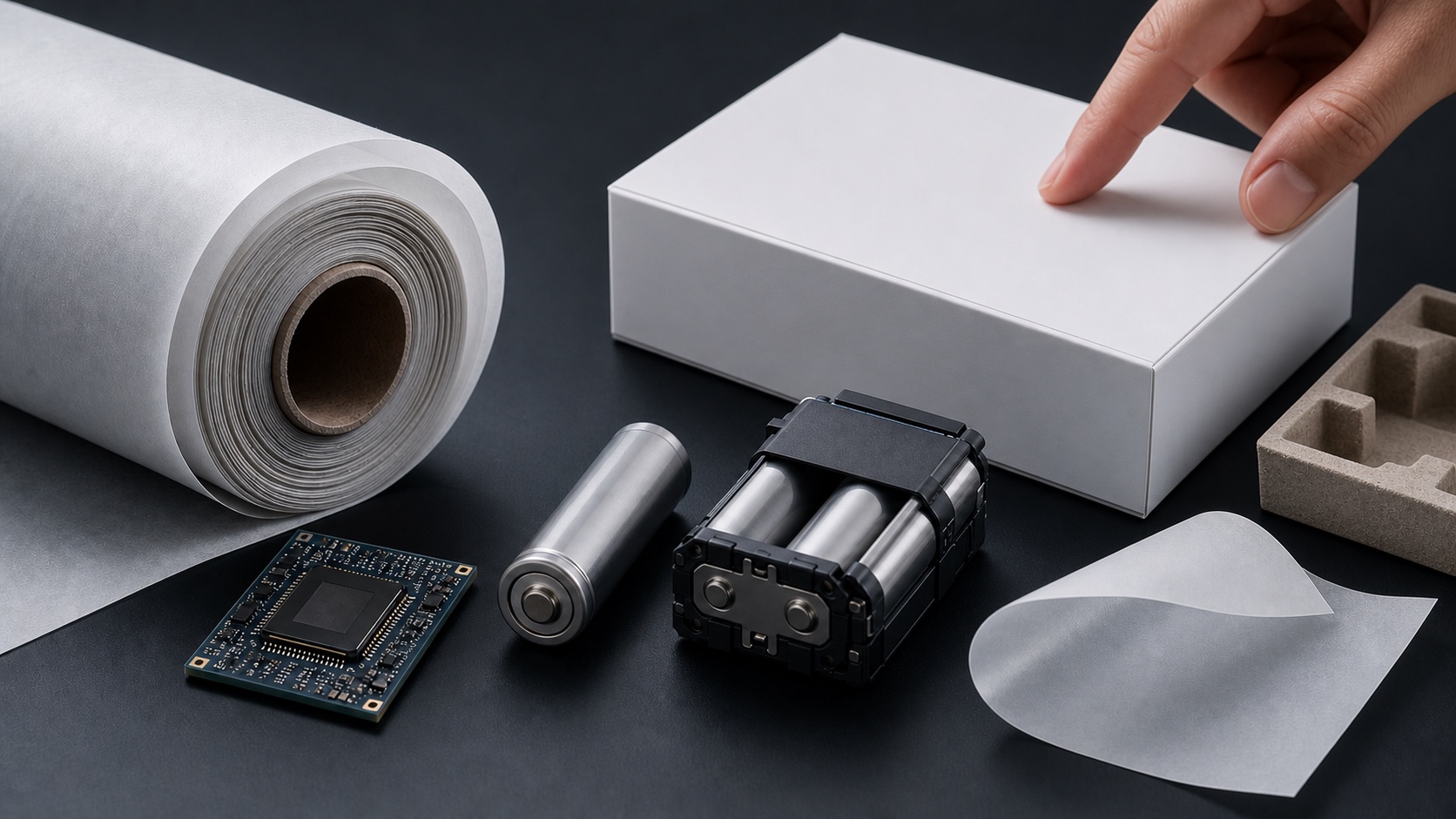
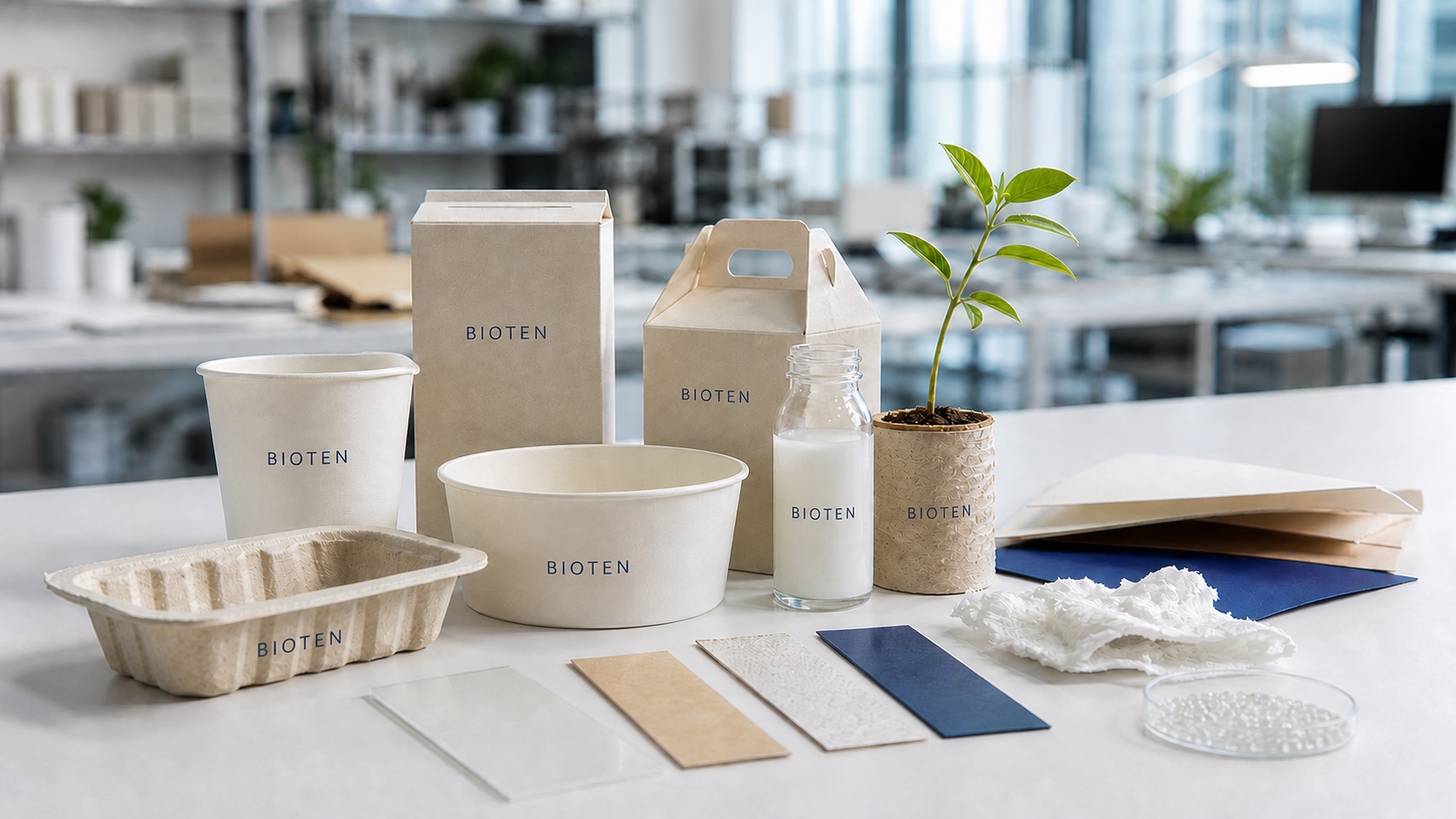
Xianhe groups its products into six major series: food and medical packaging materials; tobacco-industry materials; home décor materials; business communication, publishing, and printing materials; electrical and industrial paper; and consumer goods—more than 60 grades in total. Food and medical packaging applications demand cleanliness, converting compatibility, and supply stability; tobacco and décor materials require appearance quality, printability, and batch consistency; electrical and industrial papers require performance and reliability; and label, thermal, and transfer materials must keep pace with retail, logistics, and consumer manufacturing.
In 2025, sales of food and medical packaging materials reached 335,700 tonnes, up 34.36% year on year; sales of the consumer-goods series increased 37.22%; and sales of business communication and publishing and printing materials reached 149,400 tonnes, up 79.53%. These increases do not mean that every segment was equally strong, but they do show that multiple application chains are absorbing the new manufacturing capacity.
Each paper grade must perform in an application where strength, barrier properties, printability, hygiene, converting, and cost are properly aligned. Treating paper as the answer to every material-substitution question would instead obscure its real application boundaries.
Source:Xianhe Co., Ltd. 2025 Annual Report.
02 · RESOURCES AND MANUFACTURING
Two Production Bases Put Real Output Behind Forest–Pulp–Paper–Application Integration
The six product series answer “who buys the products and where they are used.” The Guangxi Laibin and Hubei Shishou bases answer “how they can be produced reliably.” The annual report states that in 2025 the Hubei base produced 188,500 tonnes of specialty paper and 223,700 tonnes of in-house specialty pulp, while the Guangxi base produced 323,800 tonnes of specialty paper and 465,500 tonnes of wood pulp. By year-end, the two bases had seven pulping lines and nine specialty-paper production lines in operation.
PROJECT METRICS MUST BE SEPARATED BY STAGE
2.5 million tonnes/year of pulp and paper The technical scope approved in the EIAs for Phases I and II of the Guangxi project: 1.2 million tonnes of pulp and 1.3 million tonnes of paper.
3.5 million tonnes The overall site plan cited in a 2023 government project overview. It must not be condensed into the claim that “3.5 million tonnes has been completed.”
The company reports that its in-house pulp from the two bases has, after internal use and market testing, broadly reached the standard required to replace comparable imported wood-pulp grades. This company disclosure does not substitute for independent third-party validation across every pulp grade and end use. The manufacturing principle it reveals is nevertheless clear: fiber sourcing, pulp quality, paper-machine operations, and customer requirements must be managed along one quality chain.
Sources:Xianhe Co., Ltd. 2025 Annual Report; EIA approval for the Guangxi project; Guangxi project overview.
03 · OPERATING DELIVERY
After Output Rises, Product Mix and Cash Are the Hard Tests
The start-up of new production bases initially increases output and revenue, but it does not automatically deliver profit growth at the same rate. In 2025, Xianhe recorded revenue of RMB 12.343 billion, up 20.14% year on year; net profit attributable to shareholders of the parent was RMB 1.013 billion, up 0.88%; and net cash generated from operating activities was RMB 789 million, up 96.26%. Revenue, profit, and cash improved at different rates, so incremental production and sales, price and cost movements, product mix, and capital expenditure must be assessed separately.
COST AND PRICE PASS-THROUGH VARIES BY PRODUCT
Food and Medical Packaging Materials Revenue increased 23.05% year on year; gross margin was 12.42%, up 2.14 percentage points from the previous year.
Consumer Goods Revenue increased 13.96% year on year; gross margin was 11.09%, down 5.41 percentage points from the previous year.
Cost and price pass-through differs across the product series, showing why a “specialty-paper platform” cannot be evaluated solely by total tonnage. Scale becomes operating quality only when incremental volume is directed into a more appropriate product mix.
By Q1 2026, Xianhe reported revenue of RMB 3.167 billion, up 5.88% year on year; net profit attributable to shareholders of the parent of RMB 251 million, up 6.20%; and net cash generated from operating activities of RMB 302 million, compared with a net outflow of RMB 196 million in the prior-year period. The next questions are whether pulp and paper quality remains stable, the product mix improves, customers reorder, and cash flow develops a healthier relationship with investment.
Sources:Xianhe Co., Ltd. 2025 Annual Report; Q1 2026 Report.
The real value of a new mill is not determined on the day it starts up, but by whether every batch of pulp, every sheet of paper, and every cash collection can be linked into a stable operating cycle.
04 · APPLICATION BOUNDARIES
Materials Create Value in the Applications They Are Best Suited For
Xianhe’s case offers a straightforward lesson for the paper-based packaging value chain: base paper, coatings or composite materials, the finished package, and the end-use environment are not the same layer. Purchasing food-grade paperboard does not mean that barrier performance, sealing, printing, food-contact safety, recycling, or end-of-life treatment has already been solved. Likewise, policy and materials trends will not remove plastic from every application.
In a more mature materials market, paper, plastic, and bio-based materials should each be used where they perform best. The advantages of paper-based materials must be delivered jointly through fiber design, surface treatment, forming and converting, and recycling pathways. A specialty-paper producer creates value by embedding these requirements upstream in its manufacturing system, then demonstrating its capability through customer validation and delivery performance.
This is also the industry significance of forest–pulp–paper–application integration: upstream resources and pulp stability, midstream process and quality control, and downstream application development and customer validation must reinforce one another within the same operating system. Only when this capability accumulates over time can more high-performance paper-based materials move into truly scalable and sustainable applications.
PAPER STRATEGY · THE FUNDAMENTALS IN THE DATA
Xianhe is bringing products, resources, and manufacturing onto the same operating chain. More than 60 grades provide horizontal flexibility across applications; the Guangxi and Hubei bases add vertical depth in resources and manufacturing; and revenue, gross margin, and cash flow test how steadily and how far the system can develop.
NEXT
Zhejiang Jingxing Paper Joint Stock Co., Ltd.
No. 18 in China’s Top 20 Paper Producers. The association reports 2025 output of 1.6926 million tonnes. The next article will examine the company through recycled containerboard and value-chain collaboration.
Source:China Paper Association annual report.
BIOTEN PACKAGING · INDUSTRY INSIGHT · RESEARCH NOTE
This article was independently researched and prepared by BIOTEN Packaging using statutory disclosures and public information from the China Paper Association, stock exchanges, companies, and government authorities. It is intended solely for research and learning across the paper, packaging, and materials value chain and does not constitute a basis for investment, procurement, product-compliance, or engineering decisions. To request a correction, clarification, or deletion, please provide verifiable supporting materials; BIOTEN Packaging will review and respond within 24 hours.
BIOTEN OBSERVER · DATA AND VERIFICATION SOURCES
01 | China Paper Association | 2025 Annual Report on China’s Paper Industry
02 | Xianhe Co., Ltd. | 2025 Annual Report
03 | Xianhe Co., Ltd. | Q1 2026 Report
04 | Department of Ecology and Environment of Guangxi Zhuang Autonomous Region | EIA Approval for the High-Performance Paper-Based New Materials Project in the Sanjiangkou New Area, Guangxi