






When a bouquet reaches the customer, its wrapping should complement the flowers and remain neat and clean. Residual water on stems, wet hands, folding and delivery all put that presentation to the test. For paper manufacturers, combining paper feel, moisture resistance and converting performance creates an opportunity to turn decorative paper into a product with a clearly defined purpose.
Bouquets offer a visible starting point. They connect the texture, surface functionality and converting capabilities of paper with specific needs in gifting, retail and product delivery.
From looking good to working well
Specialty paper producer Ahlstrom offers Cristal horticultural wrapping paper for bouquets, potted plants and herbs. Its stated features include moisture resistance, the distinctive feel of paper, and suitability for printing and gluing. It provides a commercial reference for developing paper feel and functionality together.
In a flower shop, a sheet needs to be picked up, folded and secured quickly, while retaining its appearance during carrying, transport and display. Beyond moisture resistance, ease of folding, reliable tape adhesion and resistance to colour bleeding when wet all influence whether a florist will keep using the material.
The base paper’s texture, stiffness and water absorption need to work with the surface treatment. Coating placement and drying conditions must also accommodate subsequent printing and bonding. When comparing treatments, keep the base paper, tape and wrapping method constant, then assess the complete bouquet after transport and display to identify where improvements are needed.
The functions also need to be clearly allocated. Where a continuous water supply is required, dedicated water-retaining bags or hydration devices should hold the water. The outer paper provides moisture resistance, shape and presentation. Placing each function where it belongs helps preserve both paper feel and practical performance.
Bouquet wrapping paper must look good at the counter and perform well all the way to the recipient.
The trade behind a bouquet
According to a transcript of a Yunnan provincial press conference published in May 2026, Yunnan produced 22.15 billion cut-flower stems in 2025, accounting for approximately 70% of China’s total.
In the Netherlands, flower trading platform Royal FloraHolland reported in its 2025 annual report that flowers and plants generated approximately €5.4 billion in product turnover. The same report states that the number of flowers and plants sold fell by 2% year on year, with turnover growth mainly driven by higher average unit prices.
These figures describe production scale and the value of product trading. They cannot be converted directly into demand for wrapping paper. The more useful question for paper manufacturers is where, along the journey from production through distribution to retail, these products need more suitable paper packaging.
Opportunities need not depend solely on growth in the number of products sold. Presentation, packing operations, protection during transport and reliable supply can all create new product requirements.
Market scale shows where to look for demand; specific products determine which part of the business a supplier can serve.
Three packaging opportunities beyond bouquets
Retail paper sleeves for potted plants and herbs
These sleeves contain living plants. Development must consider condensation caused by temperature changes, watering in stores, leaf protection, ventilation and barcode scanning. Experience in moisture-resistant surfaces, coating and printing can be reused, but sleeve shape, openings, paper grade and the way the sleeve is fitted and removed must be designed around the plant.
Paper bags for short-distance delivery of fresh fruit and wet vegetables
Billerud already offers paper materials and bag applications for fruit and vegetables. In product development, the emphasis shifts from bouquet appearance to the load-bearing performance of a wet bag base, handles, glue lines and puncture resistance. Food-contact suitability, ventilation and the condition of the produce must also be defined for the intended use.
Surface protection for retail cartons
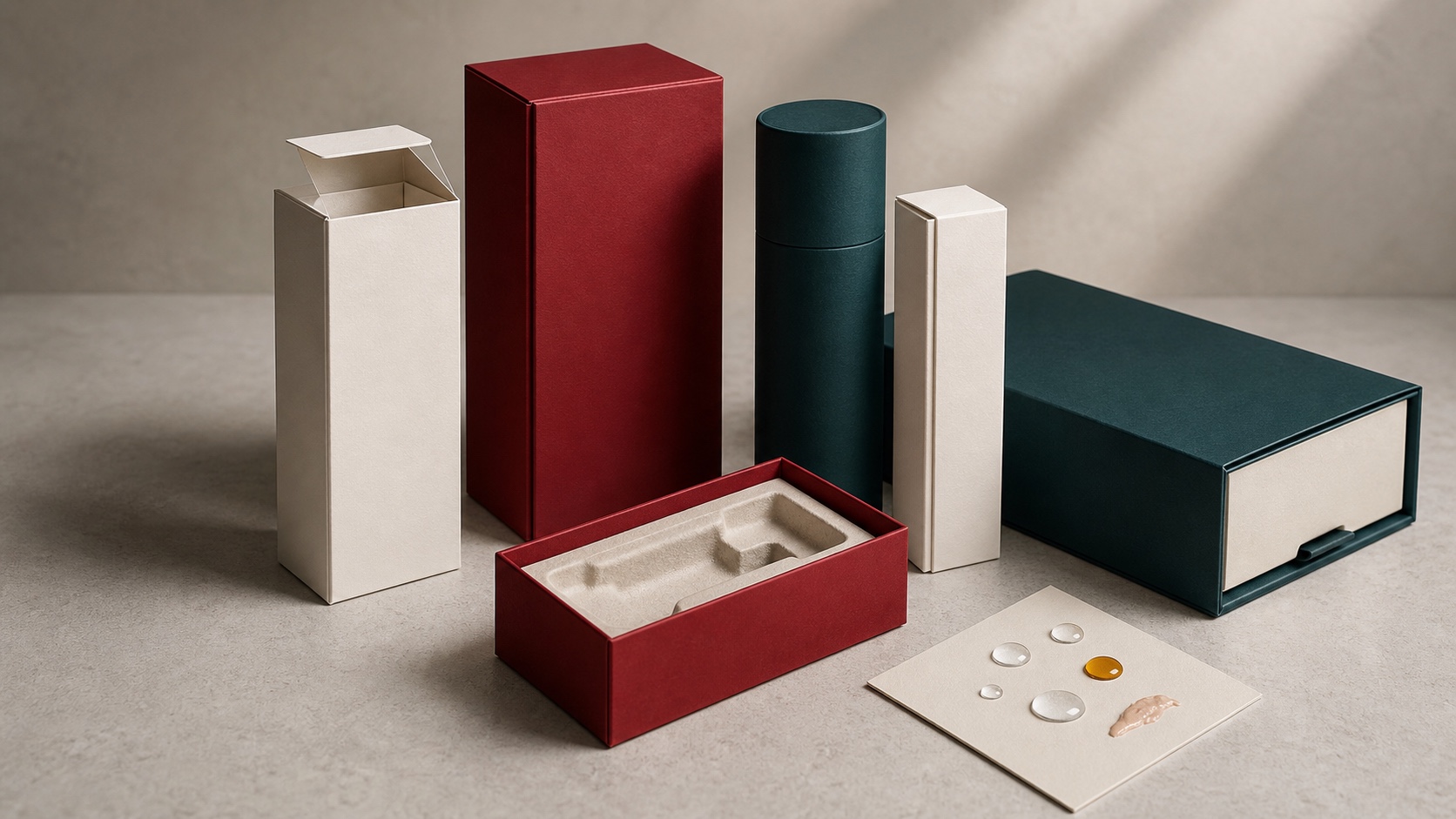
Carton surfaces must withstand wet hands, rubbing and display while preserving graphics and tactile quality and remaining suitable for creasing and gluing. ACTEGA’s paper and board business offers coatings, primers and inks. This application builds on surface-treatment expertise, with specifications established around the board, inks and carton-gluing conditions.
These applications serve florists, plant retailers, fresh-produce channels and consumer brands, giving base-paper producers, coaters and converters different routes into product development.
Development capabilities can be reused; product specifications must be established for each application.
Evaluate the business beyond the price per tonne
Paper manufacturers typically calculate material costs by the tonne. Customers also assess the cost of delivering each bouquet, potted plant or bag of produce. Connecting these two perspectives makes the value of the material easier to see.
Consider a hypothetical labour-time calculation: an extra 5 seconds per bouquet adds up to approximately 83 minutes for 1,000 bouquets. Operating time is part of the cost, alongside the unit price of paper.
For bouquet wrapping, compare the total packaging cost per 1,000 bouquets that meet requirements, including paper, coating and printing, slitting, wrapping, rewrapping and packaging-related returns. For plant sleeves, assess the cost per 1,000 potted plants ready for retail display; for produce bags, per 1,000 bags delivered intact; and for cartons, per 1,000 units meeting both appearance and bonding requirements.
Whether an additional treatment is worthwhile depends on whether it solves a problem with the existing solution and justifies its processing and delivery costs. Some applications need added surface functionality; others benefit more from a different paper grade, structure or handling method.
BIOTEN and its partners: turning one area of expertise into a product range
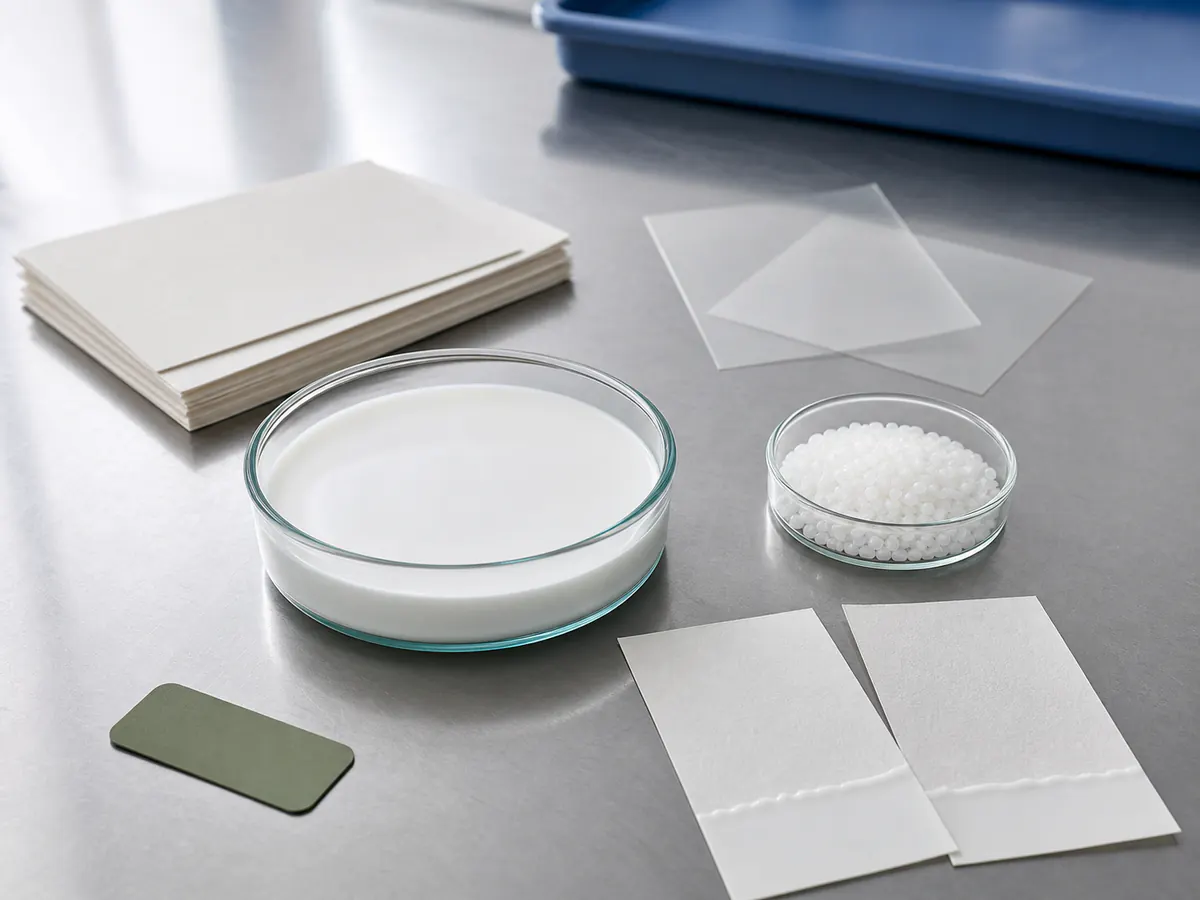
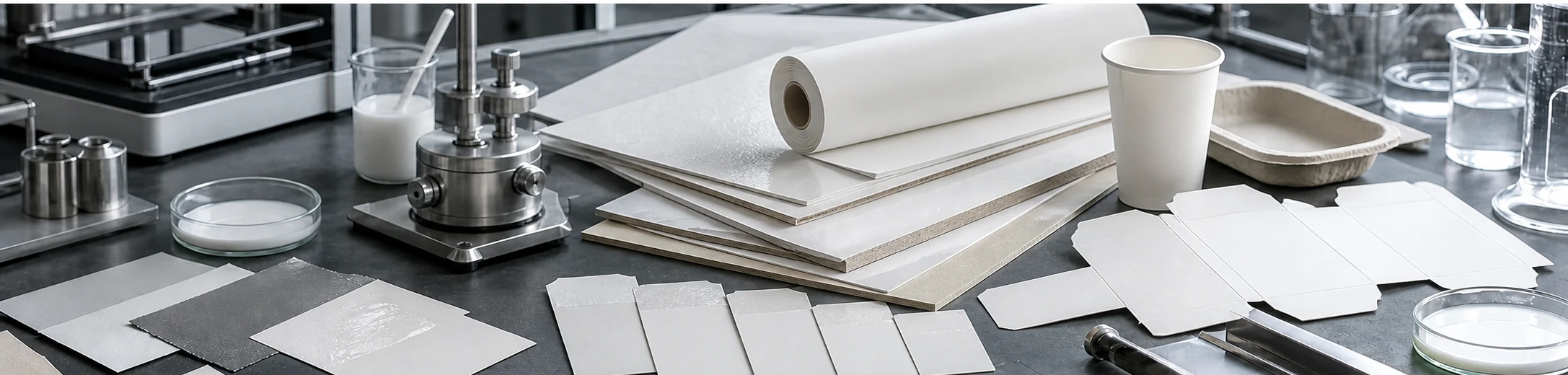
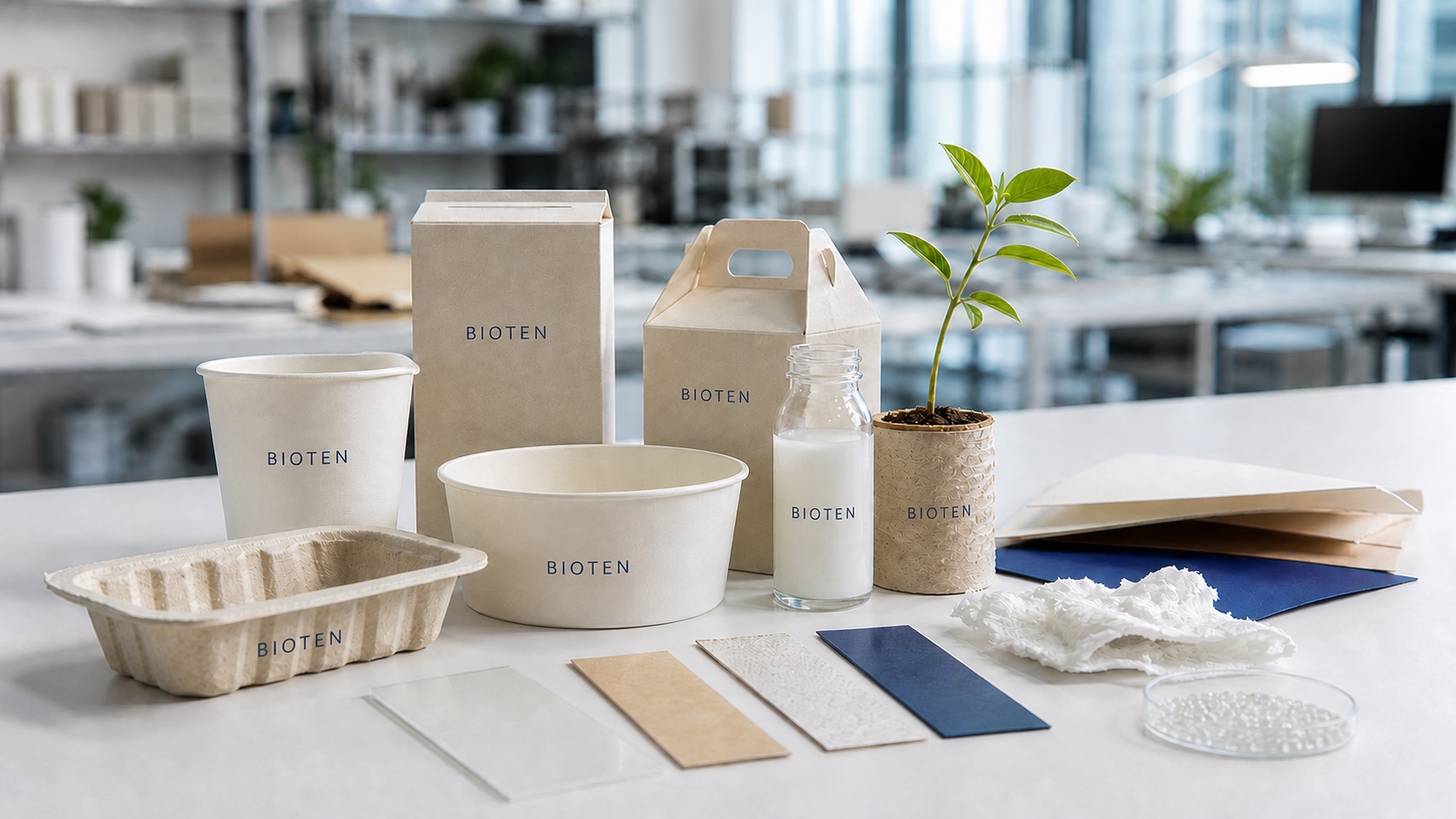
BIOTEN Packaging aims to work with papermaking, coating, printing and finished-product partners on PHA-based waterborne barrier solutions, jointly exploring paper-based products that balance paper feel, moisture resistance and converting performance.
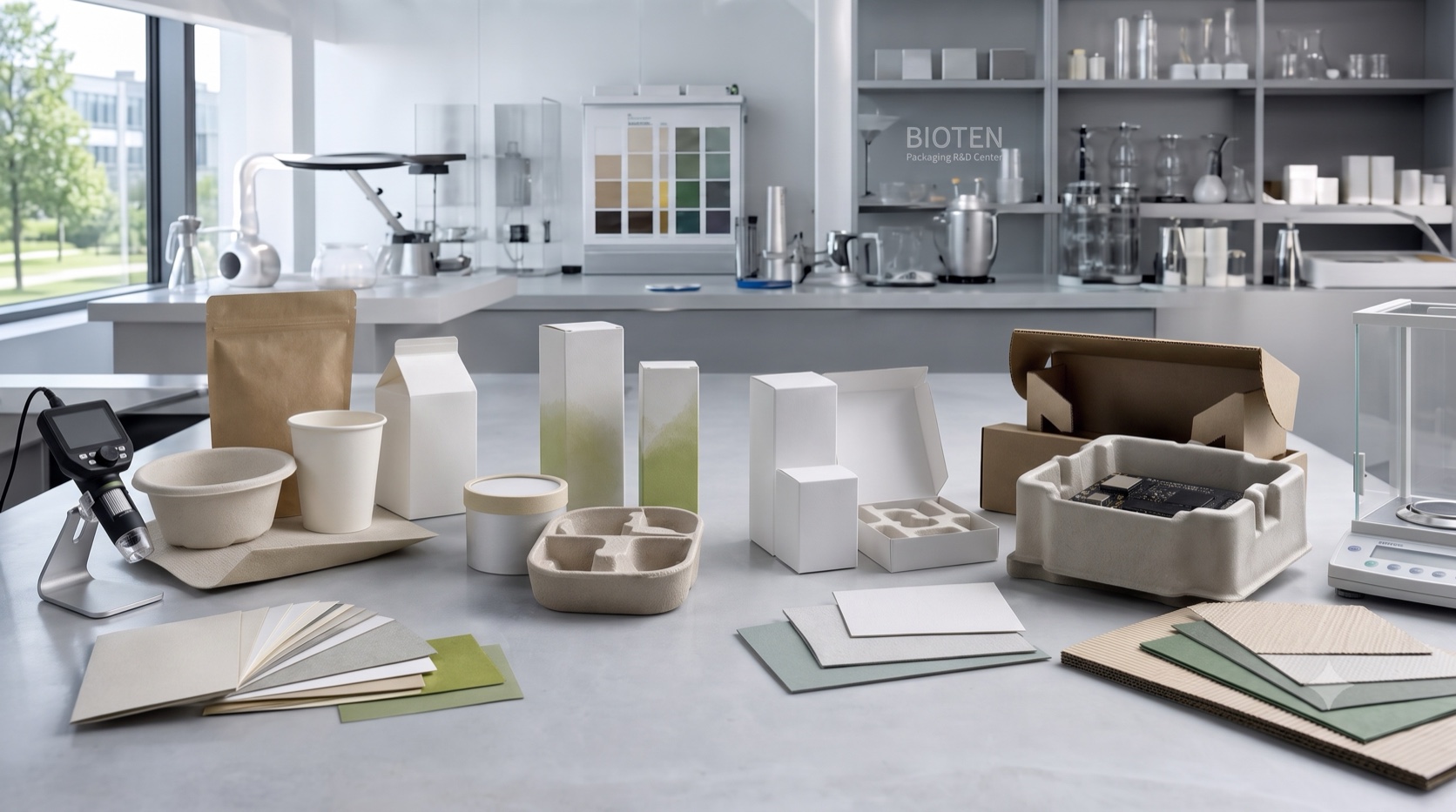
Paper manufacturers provide suitable grades, colours and batch consistency. Coating, printing and converting partners bring together surface properties, graphics, cutting, folding and bonding. End users define real operating conditions. BIOTEN contributes to defining applications, matching base papers with functional layers, and evaluating performance from paper samples through to complete packaging.
A company does not need to develop every product at once. It can start with a familiar paper grade, one customer and one application, establish sound specifications, batch consistency and performance in use, then assess which experience can be transferred to adjacent markets.
For China’s paper and paper-packaging supply chain, this approach can turn manufacturing strengths into the ability to develop products for different customers and markets.
Bouquets are a starting point. The deeper opportunity is to keep translating paper texture, functionality and converting capabilities into products customers need.
Use one packaging application to identify a wider set of needs, then turn one area of expertise into a range of products.
Research Note
This article was independently prepared by BIOTEN Packaging using public government information, company annual reports, product literature and existing application research. Information was checked as of 12 October 2026. It is intended for industry research and learning and does not constitute a procurement or performance guarantee. To request a correction, clarification or removal, please contact our WeChat official account. We will review and address the request within 24 hours of receipt.
BIOTEN Insights: Data and Verification Sources
Ahlstrom | Horticultural wrapping paper for bouquets, potted plants and herbs
Yunnan Provincial Department of Transport | Transcript of the Yunnan press conference
Royal FloraHolland | Annual Report 2025
Billerud | Paper materials and packaging applications for fruit and vegetables
ACTEGA | Coatings, primers and inks for paper and board
FloraLife | Bouquet hydration systems for transport and operating instructions
Chrysal | Hydration devices and water-retaining structures for bouquet delivery
BIOTEN Packaging
Original source access restricted