


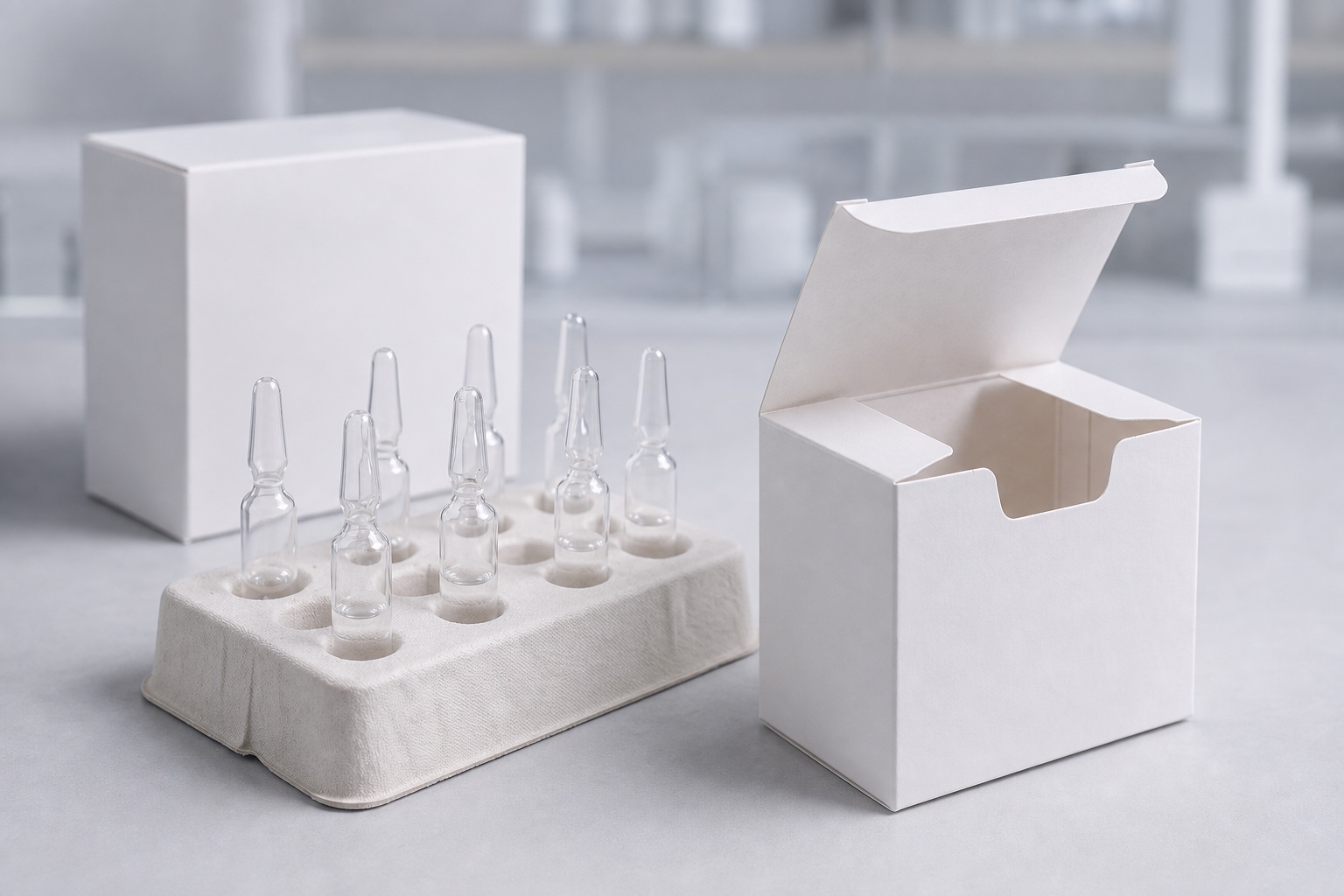
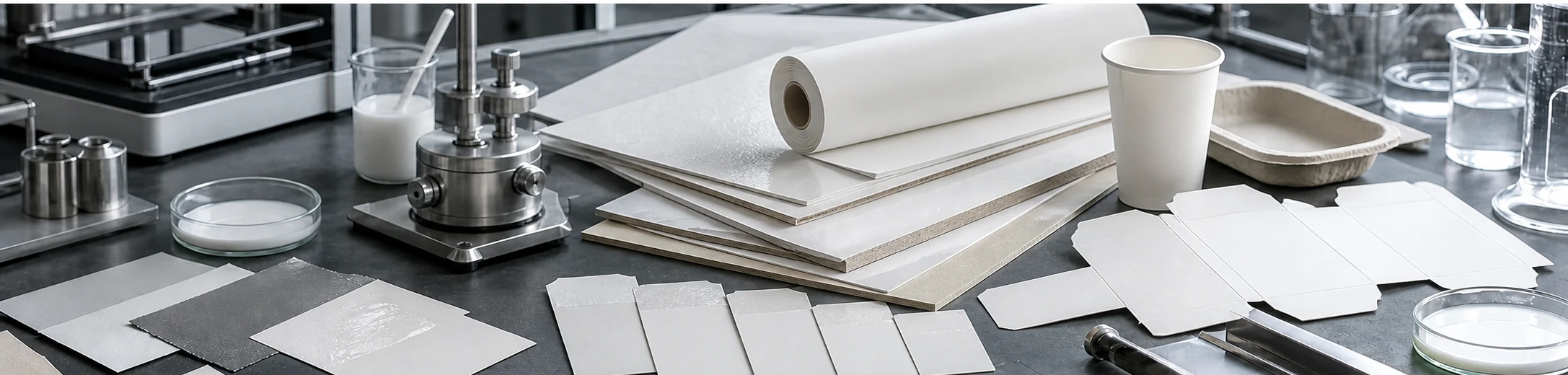
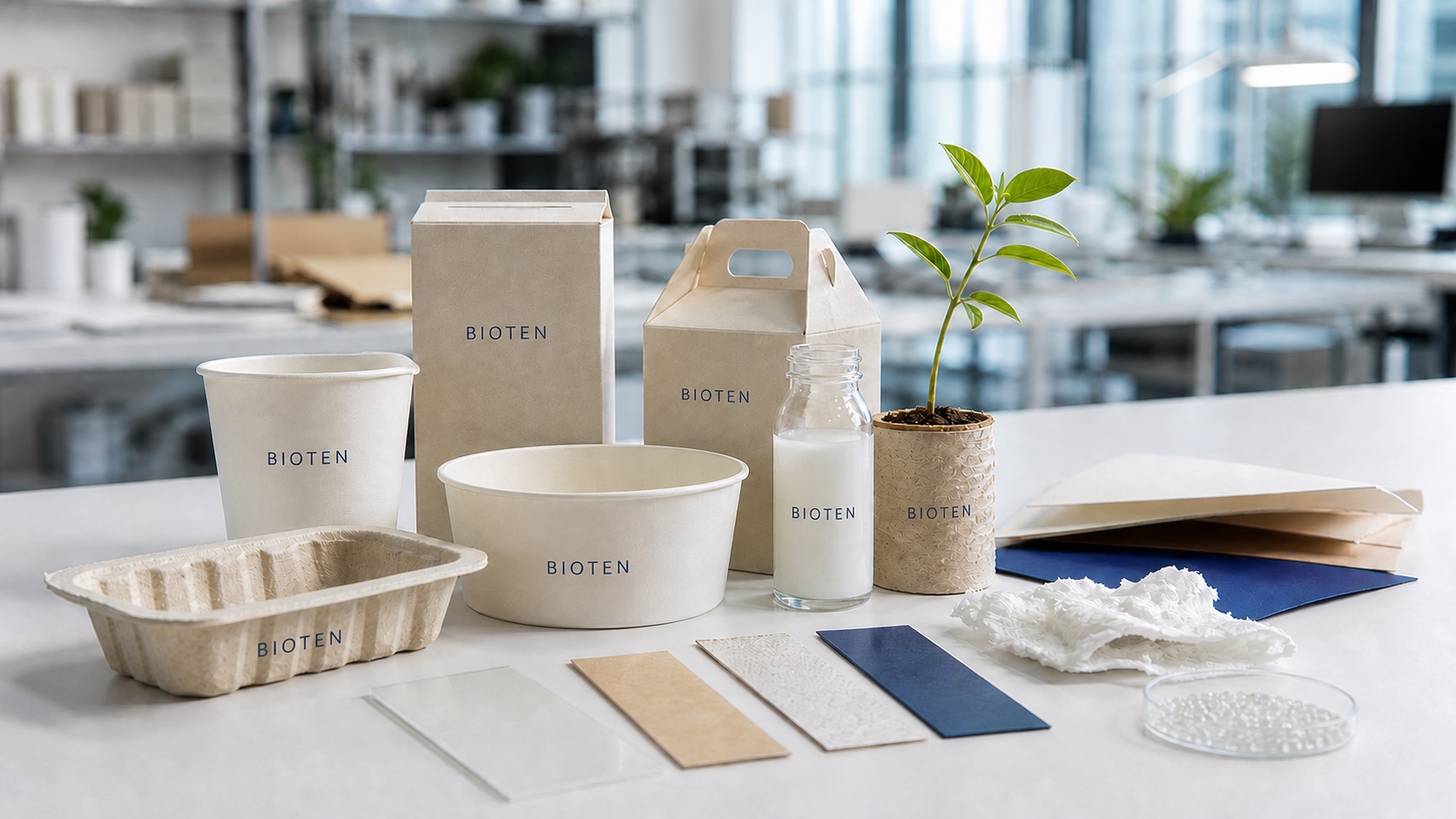
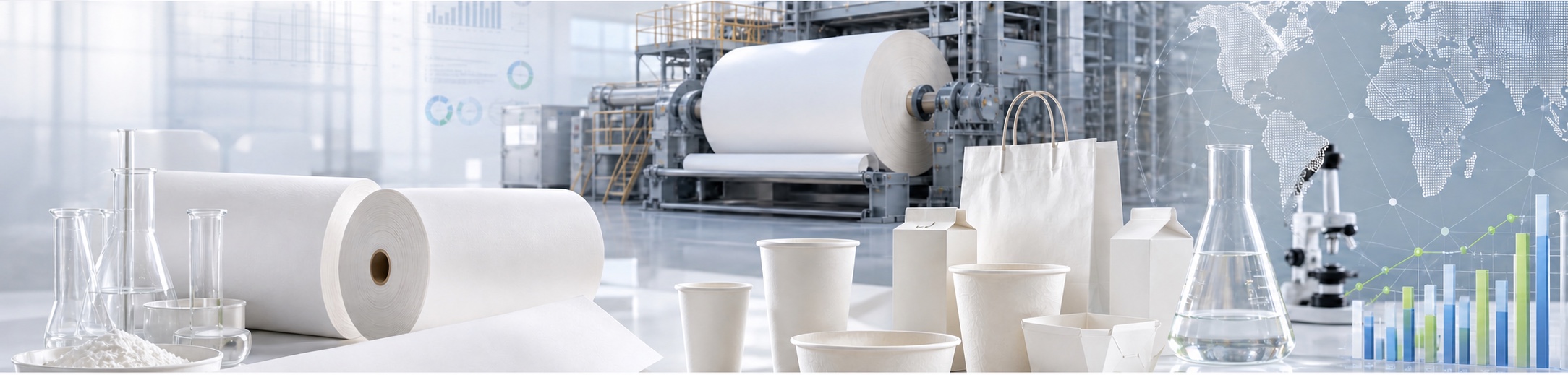

Starting with grease stains and the texture of croissants, we explore how base paper, coating and bag making can work together to create bakery bags tailored to customer needs.
A croissant is cooled according to the shop’s procedure, placed in a paper bag and handed to the customer. Staff want to prevent grease from seeping through; the customer expects the pastry to retain its flaky texture when the bag is opened. Both may seem to be questions of packaging quality, but they involve different technical challenges.
A bag without grease stains does not necessarily mean the bread is still crisp.
For papermakers, coaters and bag manufacturers, this is the opportunity: to develop grease-resistant paper into a packaging product suited to a specific food, converting process and set of use conditions.

Grease resistance and texture retention are separate tasks
Butter in contact with the bag wall can penetrate the pores and fibre channels of the paper, creating grease stains. The base-paper structure and surface functionality must work together to limit this penetration.
Moisture follows a different path. It migrates between the bread’s interior and crust, while the bread also exchanges moisture with the environment inside and outside the package. A bread study published in the Journal of Cereal Science links the moisture condition of the crust to its crispness and shows that the structure of the food itself also affects the outcome.
If the product is bagged while still warm, released water vapour can condense on cooler packaging surfaces and create additional moisture. Good grease resistance alone cannot resolve these issues.
In 2015, a master’s study at Lund University on croissant packaging compared 10 commercial packaging materials, examining moisture, texture and sensory performance. The study emphasised controlling moisture transfer between the food and its surroundings, rather than simply seeking the strongest possible barrier.
Flaky pastries therefore require appropriate heat and vapour release, while soft bread needs protection against excessive moisture loss. Bagging time, the way the bag is closed and the intended time of consumption should all form part of the product specification.
Good packaging limits unwanted grease penetration while allowing the moisture exchange the food needs.
Behind each paper bag is a recurring purchasing need
Billerud’s Basix range is offered for bread and pastry bags. Within the range, Basix Repel Pure has a grammage of 38–45 g/m² and is intended for grease-resistant bags and wrapping paper. This figure refers to the grammage of the supplied paper, not the coating weight. It provides a commercial reference for an application-specific product.
End users also have requirements at scale. UK bakery food retailer Greggs reported in its 2025 annual report that it had 2,739 shops trading at year-end. Shop numbers do not indicate paper-bag purchasing volumes, but they illustrate how packaging must perform across repeated bagging, display and delivery operations.
For suppliers, the goal should extend beyond a single sample trial: establish consistent specifications for a product category so that different paper batches and operations across different shops can meet agreed requirements.
From base paper to finished bags: the opportunity lies in coordination
Papermakers: match the base paper to the application
Fibre structure, grammage, stiffness, surface uniformity and inherent grease resistance affect printing, functional treatment and bag making. Established specialty base papers should be a starting point for development, rather than an overlooked benchmark.
Coaters: determine where functionality is needed and how much material to apply
The bag body, folded base and areas of concentrated grease contact perform different tasks. Full-surface versus localised treatment, material application rates and drying conditions should be compared using the actual food. More coating does not necessarily create more value.
Bag manufacturers: turn paper samples into finished products
Grease penetration at creases, glue-line adhesion, base strength and ease of opening and filling all affect the customer experience. Where a transparent window is included, its material and bonding must also be considered together.
Companies with expertise in lightweight food-packaging papers can add coating, printing and bag making, or work with partners for conversion. New opportunities need not begin with a major capacity expansion. Identifying a food product, a converting problem and a clear purchasing specification first makes it easier to decide which investment is worthwhile.
Start development with one croissant or a bread product containing fat. Use food from the same batch, with consistent cooling times and bagging methods, then compare grease staining, condensation, eating texture and bag-base performance before adjusting one factor at a time. This produces specifications that can guide volume production.
An advantage demonstrated on a paper sample becomes a product advantage only after converting and real-world use.
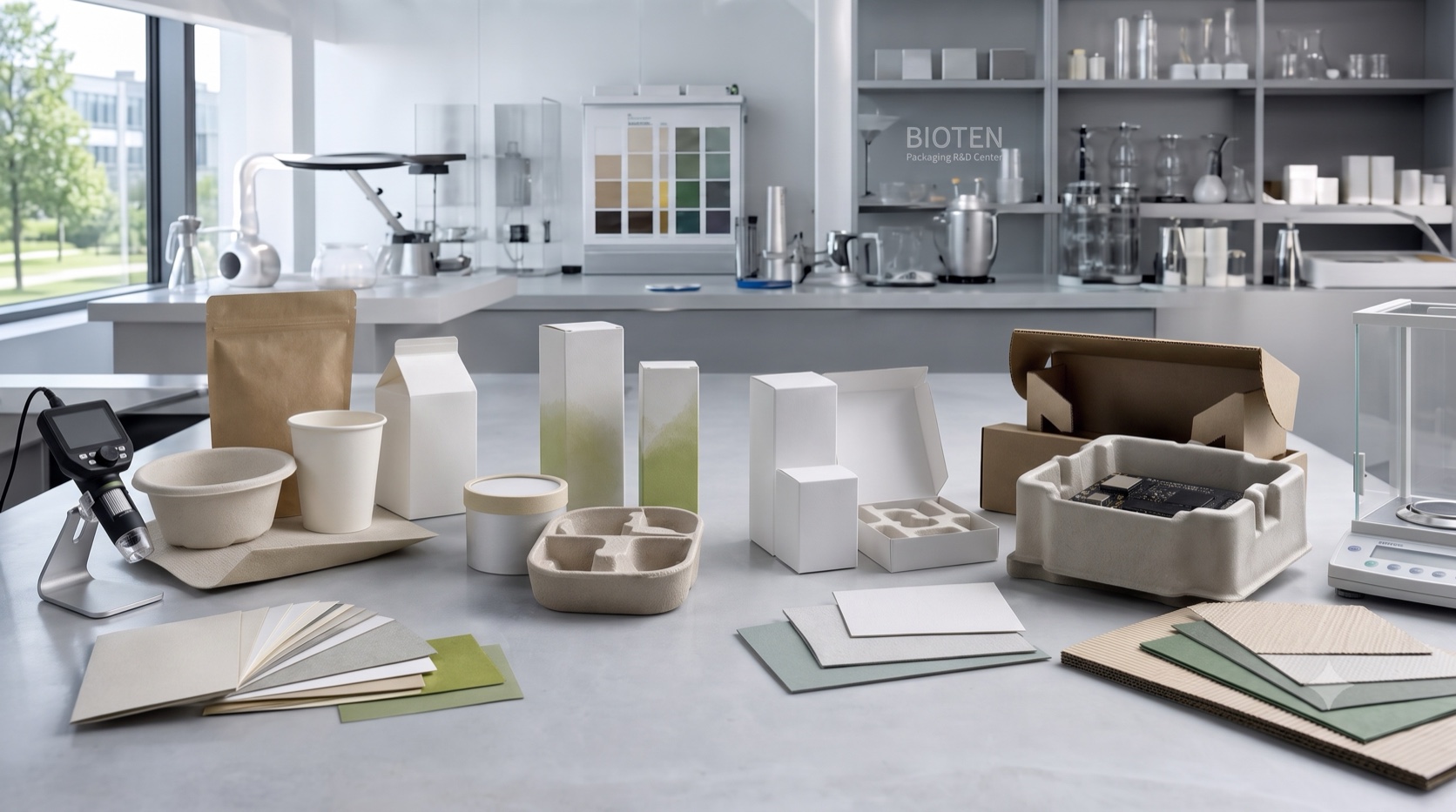
BIOTEN: connecting materials with commercial applications
BIOTEN Packaging’s work on PHA-based waterborne barrier solutions focuses on applications like these, where materials and converting processes must work together.
Our approach to joint development is to select suitable base paper with papermakers, study coating placement and application rates with coating partners, and coordinate folded bases, glue lines and filling with bag manufacturers. Bakery customers define the food and actual conditions of use.
Material use should address specific problems. Localised treatment, optimised application rates and coordinated structural design can help balance grease resistance, paper feel and eating texture, while giving material reduction at source a concrete engineering focus.
To decide whether a solution is worth purchasing, assess the total cost per 1,000 bags delivered to specification: paper, coating, printing, bag-making waste, in-store operations, and packaging-related rebagging and write-offs. The unit price of the material is only one component.
If grease staining decreases but bag-making rejects or in-store filling time increase, the process and structure need further adjustment. Measuring cost per conforming unit delivered makes it possible to see whether the functional treatment creates a real net benefit.
When performance in use, converting consistency and total cost all meet requirements, a collaboration has the potential to grow from a batch of paper samples into an ongoing product business.
Partners with bakery-bag paper or bag-making capabilities can start with an existing paper bag and a representative food product, and work with BIOTEN to define the next product iteration.
From freshly baked croissants to pastries rich in fats, China’s paper-packaging supply chain can use its expertise in paper grades, coating and converting to develop products for different markets.
The paper bag holds the bread; the supply chain must preserve the experience the brand delivers to its customer.
Research Note
This article was independently prepared by BIOTEN Packaging using company annual reports, public product literature, scientific papers and application research. Information was checked as of 12 October 2026. It is intended for industry research and learning and does not constitute a procurement or performance guarantee. To request a correction, clarification or removal, please contact our WeChat official account. We will review and address the request within 24 hours of receipt.
BIOTEN Insights: Data and Verification Sources
Billerud | Papers for bread, pastry and grease-resistant bags
Greggs | Annual Report 2025
TNO Repository | Research on bread-crust moisture and crispness
Lund University | Research on packaging and quality of freshly baked croissants
BIOTEN Packaging
Original source access restricted