








On 2 September 2026, China's mandatory GB 4806.10-2025, National Food Safety Standard: Coatings and Coating Layers for Food Contact Materials and Articles, came into effect. Today marks its first full week. Seen over a month rather than a single day, this is more than a routine revision: it is the latest in a series of regulatory developments affecting packaging.
The EU Packaging and Packaging Waste Regulation (PPWR) began to apply on 12 August; China's Ecological and Environmental Code took effect on 15 August; and the revised coatings standard followed on 2 September. Together, these developments sharpen the focus on safety, recycling and plastic reduction, although individual requirements have different implementation dates. They are drawing attention to the thin functional layer inside paper cups and food containers, and to paper with water-based coatings. This article examines the regulatory changes, the opportunities for water-based coated paper and the practical implications across the value chain.
01 The first week: a clearer standard for the inner coating
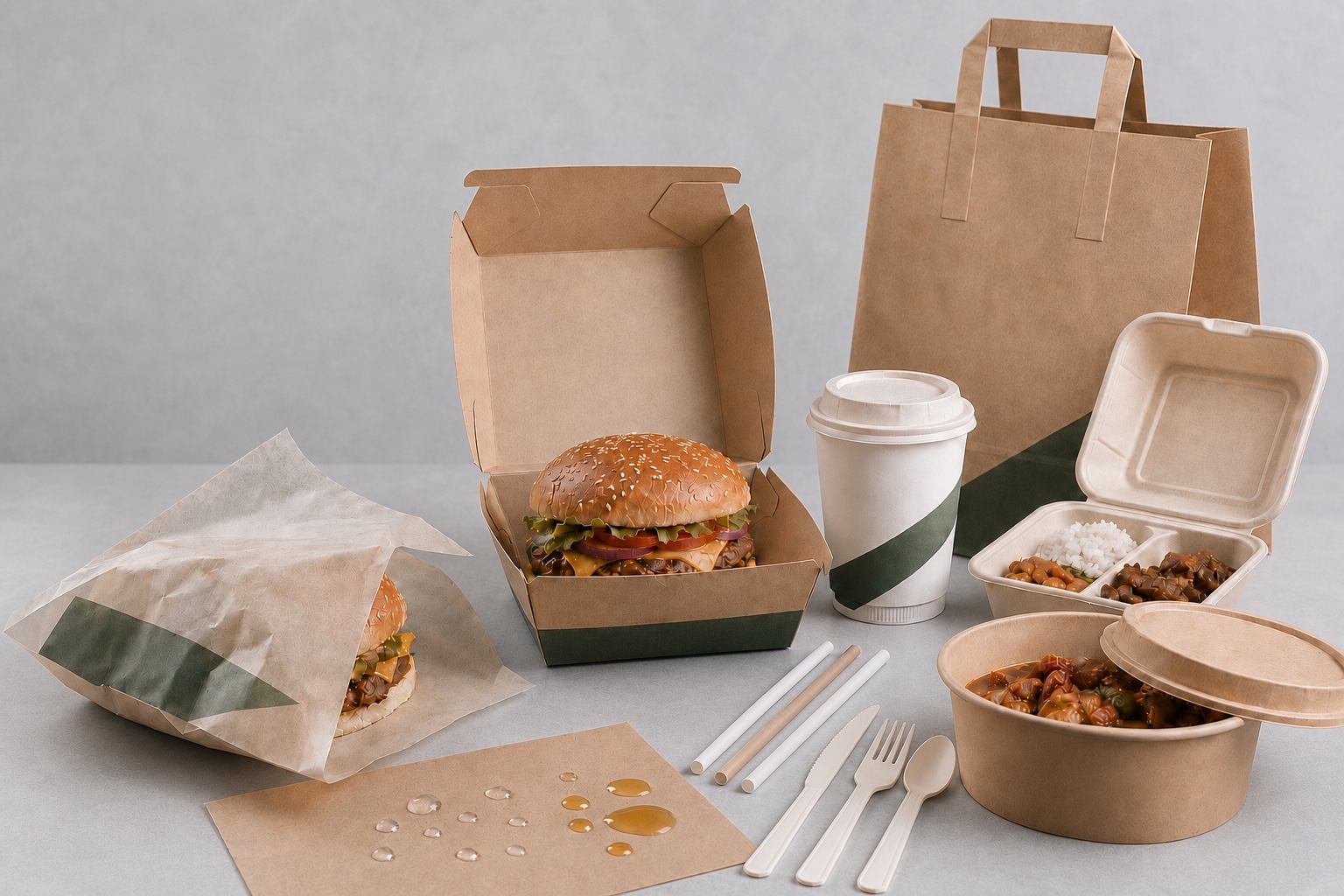
The previous framework left an important gap. The 2016 edition excluded coatings on paper, while the paper and board substrate was covered by GB 4806.8. In practice, some laboratories assessed the substrate against GB 4806.8 and applied the plastics standard GB 4806.7 to the coating, making the two sets of results difficult to reconcile. Inner cup coatings, grease-resistant layers on burger wrap and greaseproof paper, coatings inside moulded-fibre food containers and sealing materials all required a more clearly defined assessment of their function and applicable standards.
The revised scope removes the paper-coating exclusion. It covers coatings on food-contact materials and articles, including indirect-contact coatings whose constituents may transfer into food. For coated paper cups and moulded-fibre containers, the substrate and the coating must each be assessed under the relevant requirements, using representative finished articles and appropriate test conditions. Adhesives and plastic layers also require their own applicable standards. A layer only a few to a few dozen micrometres thick is therefore a market-access issue as well as a manufacturing and cost consideration.
02 Three regulatory developments in one month
The significance becomes clearer when the three developments are viewed together.
12 August: the PPWR begins to apply. Regulation (EU) 2025/40 replaces Directive 94/62/EC, subject to transitional provisions, and applies directly across Member States. Requirements are phased. Food-contact packaging must meet all PFAS limits: 25 ppb for any targeted PFAS, 250 ppb for their targeted sum, and 50 ppm including polymeric PFAS. Total fluorine below 50 mg/kg alone does not establish compliance. The combined lead, cadmium, mercury and hexavalent chromium limit is 100 mg/kg. Article 7 exempts plastic parts below 5% of total packaging-unit weight from specified recycled-content requirements; this is not a universal plastic-classification threshold. The 35% and 65% targets for 2030 and 2040 concern the 'other plastic packaging' category, not all food-contact packaging. Category-specific rules, exemptions and commencement provisions must be checked.
15 August 2026: China's Ecological and Environmental Code takes effect. Adopted on 12 March 2026 at the fourth session of the 14th National People's Congress, the Code has five books and 1,242 articles. It is China's second law titled a code, after the Civil Code, and consolidates a broad body of environmental legislation. The circular-economy chapter in Book Four, on green and low-carbon development, provides a long-term framework. Article 957 addresses standards for green design, green manufacturing, waste utilisation and household-waste recycling; Article 959 addresses extended producer responsibility; Article 996 encourages green packaging and packaging reduction; and Article 998 provides for lawful prohibitions and restrictions on certain non-degradable single-use plastic products and promotes reusable, easily recyclable, degradable and harmless alternatives.
2 September: GB 4806.10-2025 takes effect. Its focus is chemical safety, including migration from coatings. The PPWR addresses packaging circularity and restricted substances, the Chinese Code sets the broader domestic direction for resource circulation and plastic reduction, and the coatings standard defines food-contact safety requirements. Together, they require manufacturers to assess the inner surface of paper food packaging from several perspectives.
A further development is the proposed product standard for Water-Based Coated Paper and Board for Food Packaging. The source article reports that the relevant national technical committee has prepared a draft for approval, with Types I, II and III covering applications such as burger and pastry wraps, dried-fruit bags and disposable drinking vessels. A draft is not yet an implemented standard, but consistent terminology, classification and testing would support the category's development.
03 Five important changes in the coatings standard
For manufacturers, the revised coatings standard brings five immediate areas to review.
First: paper coatings enter the scope, including relevant indirect contact. Inner cup coatings, grease-resistant paper and coated moulded-fibre containers require assessment under the new scope. Sealing materials must be classified by function; an adhesive is not automatically a coating. Finished-article testing must reflect the construction and contact conditions.
Second: the expanded raw-material list requires traceable identification. The technical comparison cited in the source article puts the permitted base-material list at approximately 346 entries, up from about 105. Check CAS identities, maximum use levels, specific migration limits and other restrictions where specified. Base materials and additives follow different provisions: Annex A and relevant announcements for the former, and GB 9685 and relevant announcements for the latter. An unlisted ingredient cannot simply be justified by a generic 'food-grade' claim.
Third: a tighter specific migration limit for bisphenol A. The relevant limit falls from 0.6 to 0.05 mg/kg: one-twelfth of the previous value, or approximately a 92% reduction. Epoxy-based systems involving BPA must be assessed against the applicable entry and use restrictions; selecting a low-BPA grade alone is not proof of finished-product compliance.
Fourth: a total migration requirement for primary aromatic amines. For relevant coatings containing aromatic isocyanates, azo colourants or other potential sources of these amines, the total must be non-detectable at a detection limit of 0.01 mg/kg. Test the finished article after curing. Amines with their own limits in Annex A, GB 9685 or relevant announcements remain subject to those specific provisions.
Fifth: updated migration and physicochemical requirements. For direct-food-contact coatings, overall migration must not exceed 10 mg/dm², heavy metals expressed as lead must not exceed 1 mg/kg, and potassium permanganate consumption must not exceed 10 mg/kg under the prescribed conditions. For coatings on articles intended specifically for infants and young children, overall migration is converted using the actual surface-area-to-volume ratio and must not exceed 60 mg/kg. The indirect-contact test provisions differ and must be checked separately.
The coatings standard complements the substrate requirements. Paper and board remain subject to GB 4806.8-2022, coatings to GB 4806.10-2025 and additives to GB 9685 and relevant announcements. If the construction contains plastic layers, adhesives or inks, their applicable standards must also be checked. PE, PLA, fluorinated treatments and water-based systems all require an assessment appropriate to their chemistry and structure.
04 Comparing four barrier approaches: where water-based coatings fit
The main approaches to the inner surface of paper foodservice ware have different strengths and limitations when assessed for safety, circularity and production performance.
PE extrusion coating is the most established approach. Its mature water resistance, low cost and good processability make it common in hot-drink cups. However, a separate petroleum-based plastic layer can complicate fibre recovery, depending on the collection and recycling system. The source article uses a single-sided coating weight of 18 g/m² or more as an illustration, rather than a universal minimum. On 300 g/m² board, an 18 g/m² layer represents about 5.7% of the combined 318 g/m² sheet, not 6% of the finished packaging unit. This arithmetic does not determine legal classification. The structure still needs applicable food-contact testing. PE will not disappear immediately, but recovery requirements may encourage alternatives in some premium and export applications.
PLA extrusion coatings use a bio-based plastic. Suitable PLA products can be industrially compostable under specified conditions, but this requires product-level evidence and access to an appropriate treatment route. PLA still forms a plastic layer. Grease resistance, heat tolerance, recycling compatibility and cost depend on the grade and article design. It is therefore better suited to selected applications with a clearly defined collection and treatment system than presented as an automatic substitute in every use.
Fluorinated grease-resistant treatments face particular pressure in export and brand-led markets. Their strong grease resistance must now be weighed against PFAS restrictions and procurement policies. Research cited in the source article identifies moulded-fibre food packaging as one area of concern. The PPWR's food-contact PFAS limits are not confined to intentional addition, so removing intentionally added PFAS does not by itself demonstrate compliance. Exporters and brands need substance information and appropriate analytical evidence.
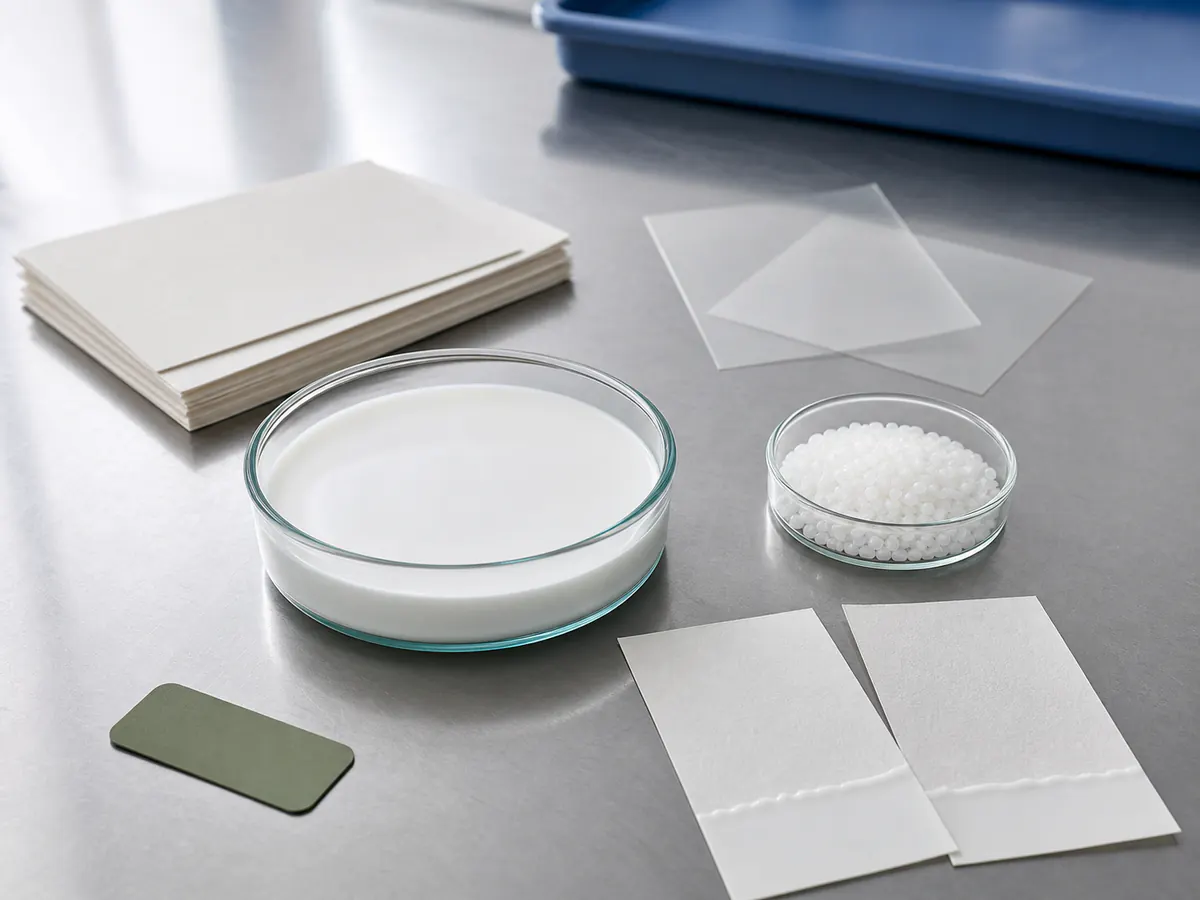
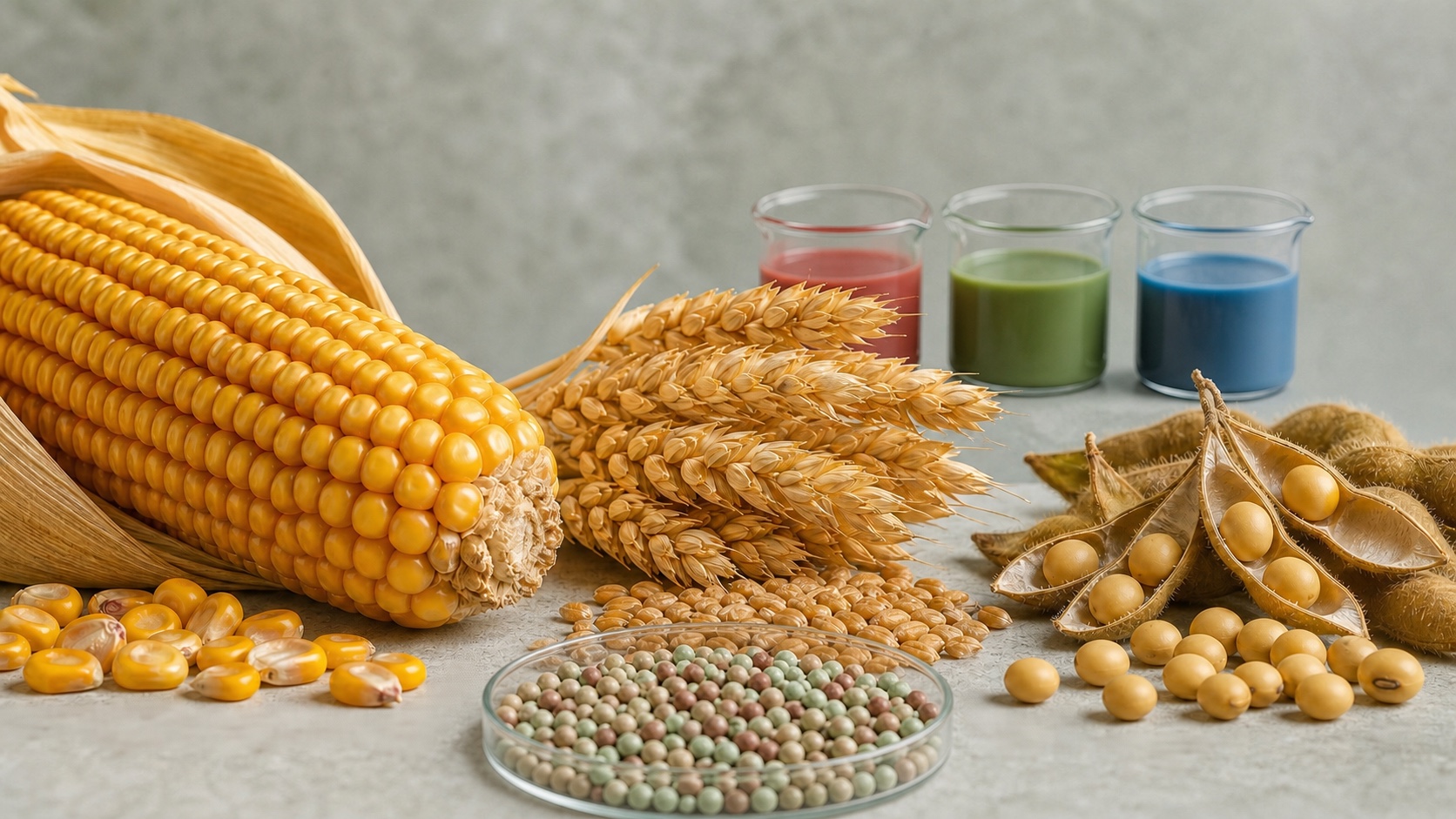
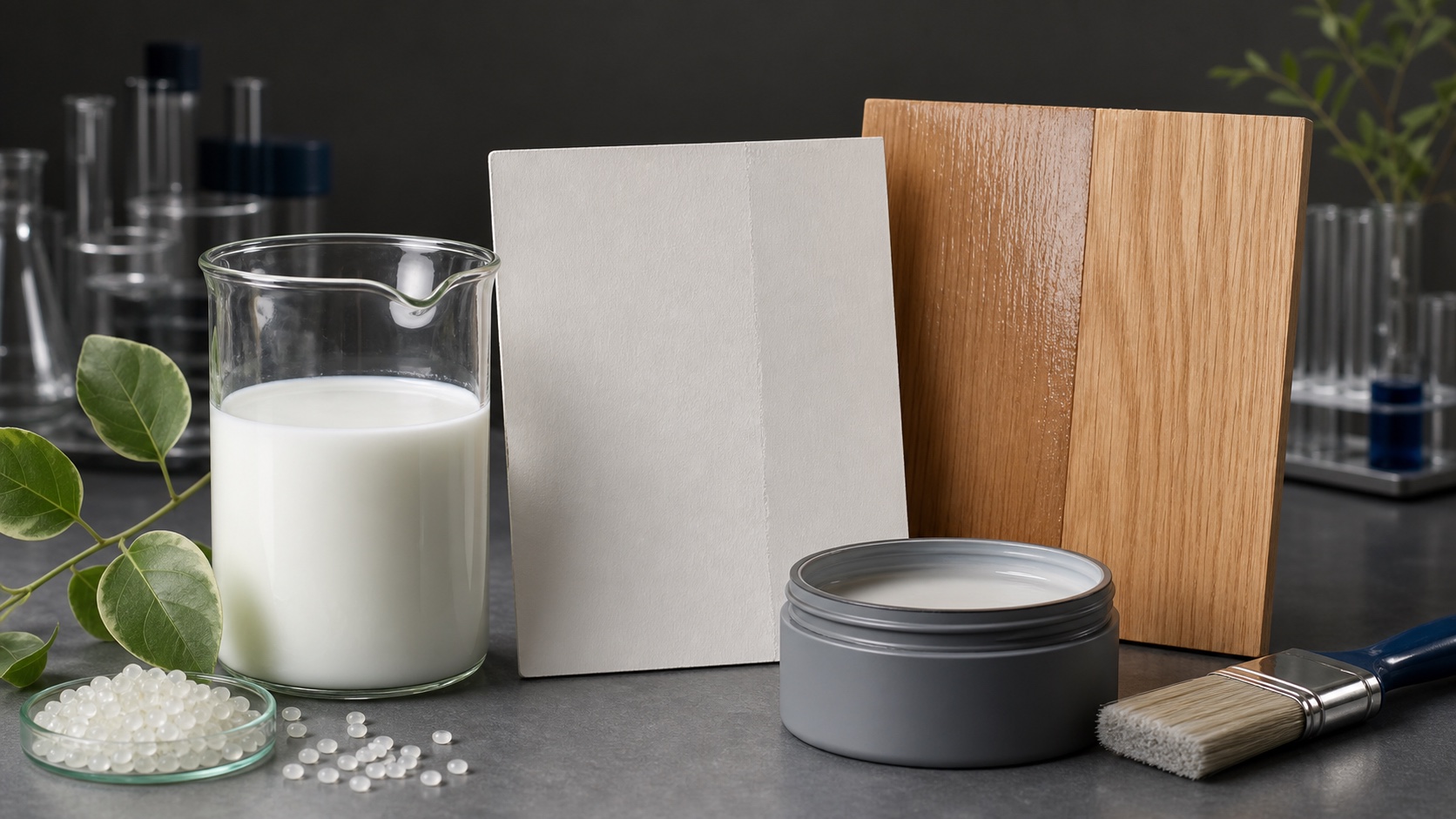
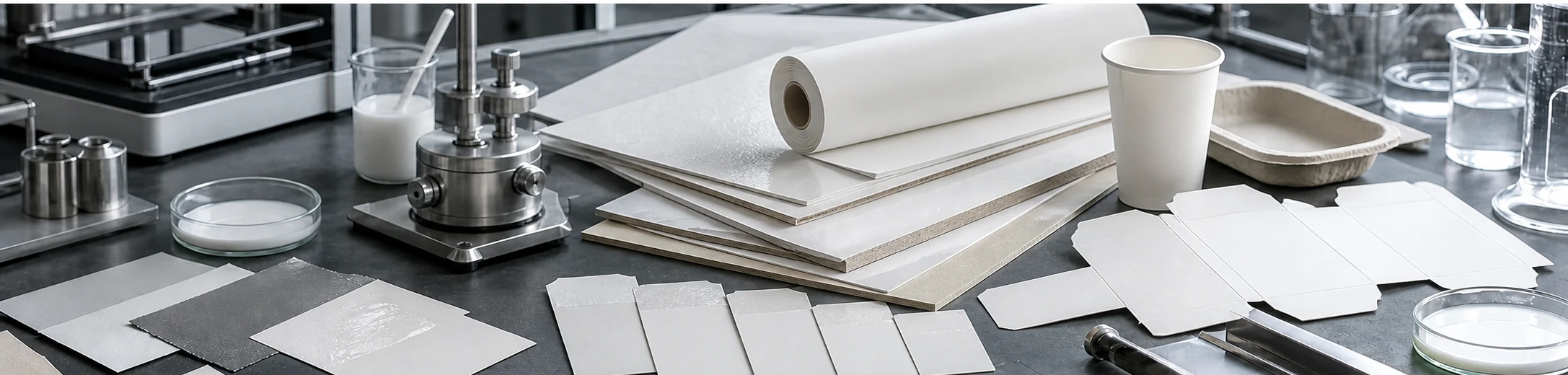
Water-based coated paper offers a promising option that can fit existing coating lines. These systems disperse functional polymers, including acrylic polymers or PHA, in water. After drying, the coating may penetrate the fibre network and form a barrier. Formulations can be designed without intentionally added fluorinated substances or BPA-based epoxy resins, but 'water-based' alone guarantees neither property. Food-contact safety, repulpability, recyclability and degradability must each be demonstrated for the finished structure. Nor does the absence of a separately extruded film automatically make a polymer coating legally plastic-free. Coating weight is nevertheless an important design variable. The source article cites emulsions with 20–40% solids and dry coat weights below 10 g/m². Wet application weight must be distinguished from the material left after drying. For 300 g/m² board, a 10 g/m² dry coating represents about 3.2% of the combined sheet, compared with about 5.7% for an 18 g/m² layer. Actual packaging-unit calculations must include the full construction, and regulatory exemptions require a separate assessment. Lower coat weight can support material efficiency when barrier performance and recovery compatibility are verified.
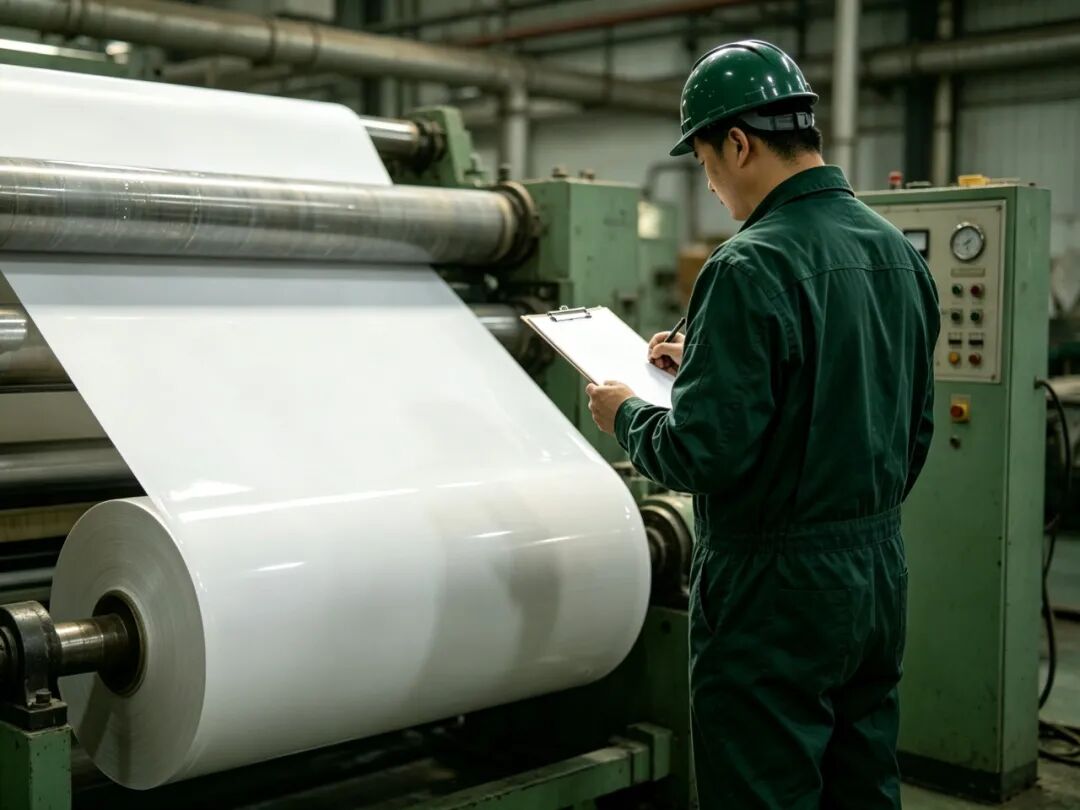
Water-based coating systems apply functional polymers from an aqueous dispersion. Barrier performance, coating weight and compatibility with fibre recovery must be verified for each finished construction.
The market estimates cited in the source article suggest growing interest. It reports a Chinese market for coated paper products marketed as 'plastic-free' of about RMB 4.86 billion in 2025, up approximately 12.3%. For comparison, it cites China Paper Association figures of roughly RMB 1.42 trillion in 2025 revenue for paper and paper-product manufacturing, down about 2.6%, with total profit down about 13.6%. The article also cites a 2026 estimate of RMB 2.16 billion for food-grade base paper marketed as having plastic-free coatings, up about 16.1%; a global water-based coated-paper market of approximately USD 16.31 billion by 2032, with a compound annual growth rate of about 14.25%; and an estimated 36% share for aqueous dispersion coatings in heat-sealable food paper in 2026. These figures cover different products, geographies and research providers and cannot be compared directly. The underlying market reports are not identified in the imported article, so these remain attributed estimates rather than independently verified market evidence. Growth also starts from a relatively small base. Commercial 'plastic-free' terminology does not establish regulatory classification, and all finished articles still require appropriate migration testing.
05 Four potential drivers and a practical checklist
The opportunity for water-based coated paper rests on four potential drivers, rather than on a guarantee that every product or supplier will benefit.
Demand: evidence-led material selection. Brands and foodservice-ware manufacturers need compliant constructions supported by evidence. Water-based barriers can become a routine option where they meet the intended-use requirements. The regulations do not require a blanket switch from every existing material.
Supply: developing standards and manufacturing capacity. The proposed product standard could bring greater consistency to naming, grading and testing. Domestic barrier-emulsion and coating capacity is also developing, with potential cost benefits as production scales.
Exports: documented compliance as a competitive advantage. Demonstrated PFAS compliance, reduced material use and validated recovery performance can strengthen an export offer. Suppliers should assess relevant recycled-content provisions separately, rather than use 5% as a general plastic-free or market-access threshold. Buyers are likely to favour suppliers with reliable evidence.
Processing: coat weight and production-line compatibility. Properly designed water-based coatings can reduce dry material use and work with existing coating, printing and forming operations. Potential advantages in repulping and changeover cost depend on the formulation, equipment and finished article.
Potential beneficiaries include raw-material suppliers that provide stable barrier emulsions and migration data, paper mills that validate substrate and coating together, converters that deliver complete compliance documentation, and brands that qualify materials early. The following actions can be started by three groups across the value chain.
Coaters and raw-material suppliers: review each formulation against the applicable base-material and additive provisions. Prioritise BPA, primary aromatic amines and relevant use limits. Provide material compliance information and actual migration results, rather than an unsupported 'food-grade' statement.
Paper mills and foodservice-ware converters: plan finished-article testing for the paper substrate and coating under the relevant standards. Include overall migration, heavy metals and other applicable parameters; assess formaldehyde, BPA and primary aromatic amines where the formulation triggers them. Select food simulants, temperature and duration to reflect uses such as hot drinks or baking. Update declarations of compliance and labelling.
Brands and procurement teams: establish whether the barrier is PE, PLA, fluorinated or water-based; request representative finished-article migration results under the applicable standards rather than a bare 'pass'; and obtain evidence for relevant PPWR substance and circularity requirements when exporting. Include these checks in supplier qualification.
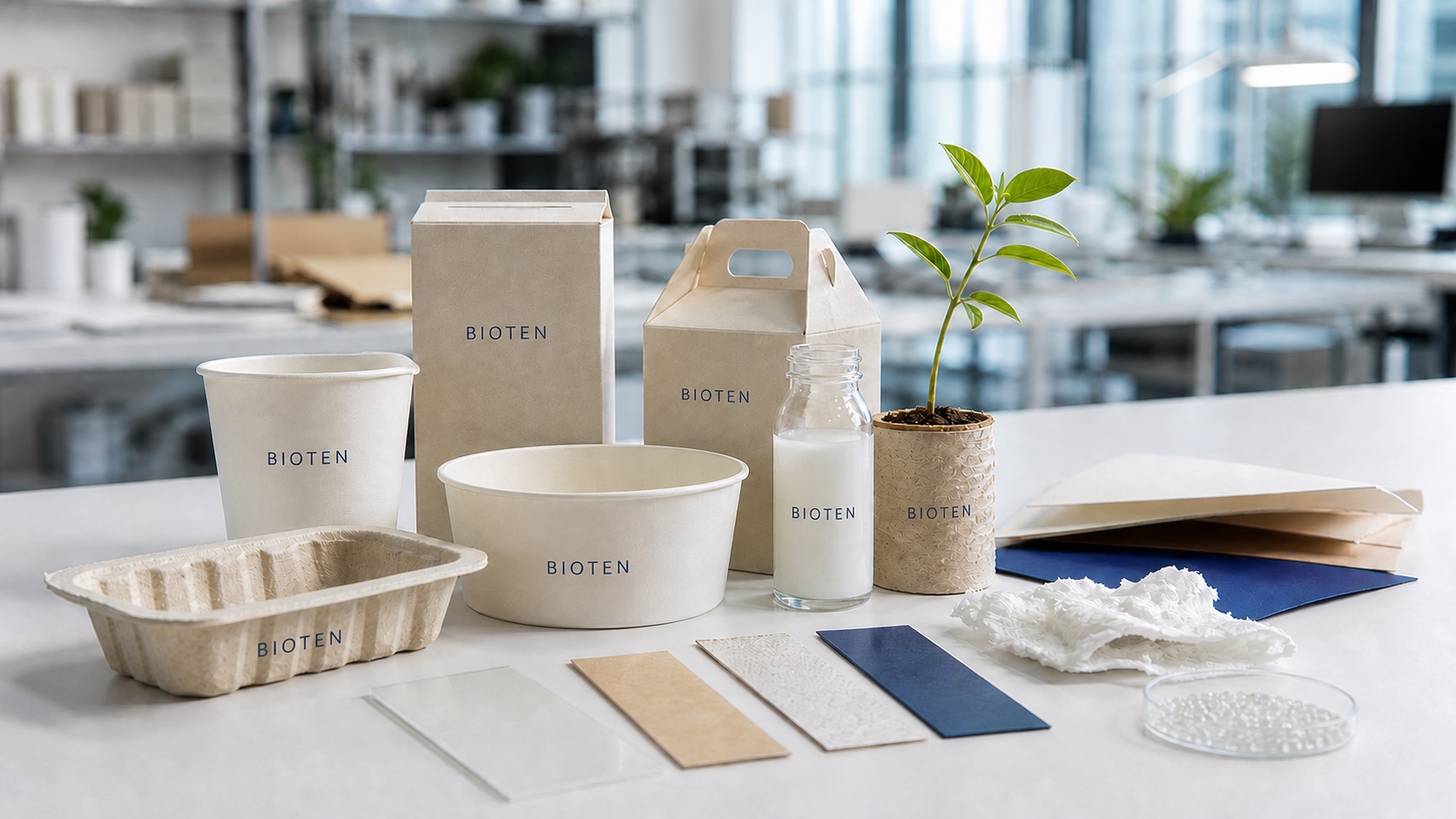
BIOTEN's PHA waterborne barrier emulsion follows the aqueous PHA approach. According to the company's disclosures cited in the source article, its PHA-based waterborne barrier coating was tested in January 2026 by the National Key Laboratory for Food Contact Materials Testing (Changzhou) against GB 4806.10-2025, with all tested items passing across four reports. The company also reports compostability certifications from ABA, BPI and DIN CERTCO, a BPI home-compostability certification for its PHA waterborne barrier coating in May 2026, and a portfolio of inventions relating to paper barriers. Certification scope, report conditions and applicability to a customer's finished article must be checked against the actual documents. The commercial opportunity is ultimately about orders moving towards suppliers that have prepared materials, testing and documentation. Benefits will not be distributed evenly, and this is not investment advice. The first week of the revised standard is also a time for buyers to reassess supplier readiness.
This article was compiled by BIOTEN Packaging from public materials, government and standards information, including China's Ecological and Environmental Code, GB 4806.10-2025 and related standards, official PPWR explanations, third-party market research, corporate disclosures and public laboratory reports, with an information cutoff of 9 September 2026. Market sizes and growth rates are attributed third-party estimates for industry research only. This article is for research and learning and does not constitute a procurement or performance guarantee. For corrections, clarification or removal requests, contact us through this WeChat official account; we will review requests within 24 hours of receipt.