









On 4 September, SIAL Guangzhou is hosting two themed matchmaking sessions: Supermarkets & New Retail and Snack Foods & Beverages. Before a new product can enter a chain-store network, it must answer five packaging questions covering real-use conditions, functional allocation, scalable delivery, final-SKU evidence and total-order profitability.
A booth determines whether a new product is seen; whether its packaging can be reproduced consistently determines whether it has a real chance of entering chain stores.
Today, the organiser is holding two themed matchmaking sessions—Supermarkets & New Retail and Snack Foods & Beverages. But for a product to reach retail, preserve margin and generate repeat purchases, it must also clear the packaging hurdle.
Exhibition scale and schedules follow the organiser’s disclosures. The five questions are BIOTEN Packaging’s procurement framework and do not indicate that any exhibitor’s product has been sold, mass-produced or validated.
10:00—12:00Supermarkets & New Retail · 14:00—16:00Snack Foods & Beverages · 4G058
TODAY · GUANGZHOU
Many Products, Limited Procurement Time
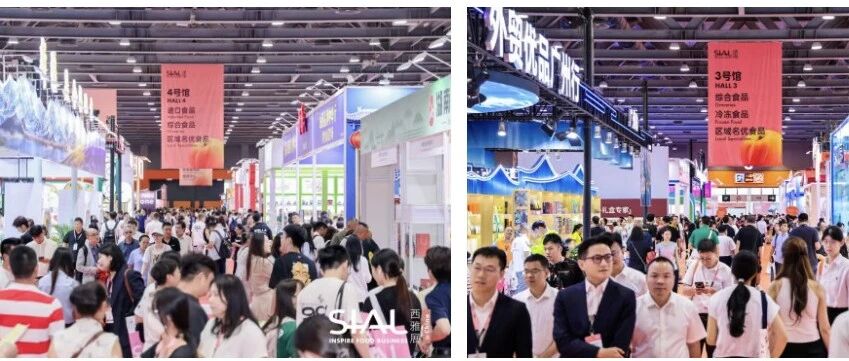
On 4 September, SIAL Guangzhou entered its second day. The official schedule lists the Supermarkets & New Retail session from 10:00 to 12:00 and the Snack Foods & Beverages session from 14:00 to 16:00, both at 4G058 in Hall 4.
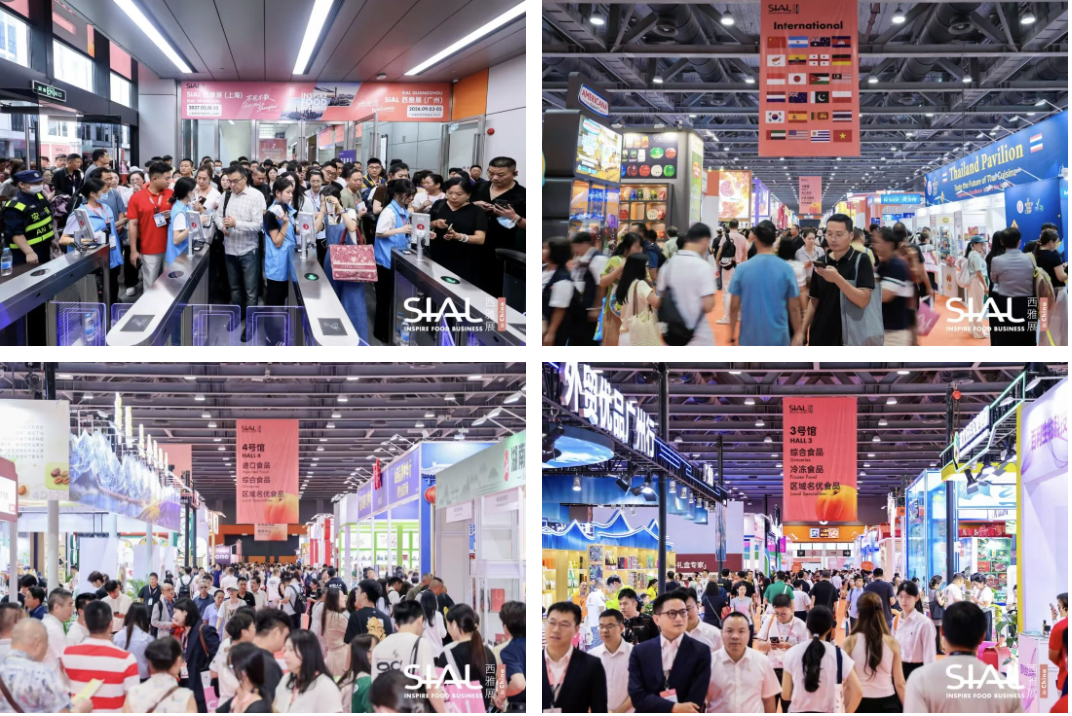
In its same-day review of Day 1, the organiser reported an exhibition area of approximately 60,000 square metres, more than 1,500 exhibitors and over 100,000 products. With so much on display, procurement teams do not simply need to see more new products; they need to identify which products are worth taking back for the next round of sampling and in-store trials.
The SIAL LIVE preview released by the organiser on 3 September highlighted packaging, consumption scenarios, price bands, gross margin, supply capability, retail sell-through and repeat-purchase logic. For chain restaurant operators, those commercial questions conceal an often underestimated threshold: packaging.
Mismatched lids, leaking sauces, loss of crispness in fried foods, or test reports that do not cover the final packaged article can all stop a “high-potential product” before the trial-sale stage.
Research sources:SIAL Guangzhou Day 1 Review; Match Me Schedule; SIAL LIVE Preview.
01 · REAL-USE CONDITIONS
What Will It Hold, at What Temperature, and for How Long?
Do not begin with “paper or plastic”. Begin by defining the actual conditions of use. Is the product hot food, a cold beverage, fried food or an oil-rich sauce? Will it be chilled and reheated? What is the filling temperature, and how long will the contents remain in contact with the packaging? Will consumers eat it in-store, take it away for half an hour, or consume it after delivery?
The same paper container presents two different engineering briefs when used for room-temperature bread versus hot, oily soup. Likewise, the same cup cannot be assessed simply as “food grade” when it holds cold-brew coffee, acidic juice or a dairy beverage. At a minimum, record the contents, filling temperature, contact time, delivery duration and reheating method.
On-site Sample 1 | Zhuangyuan Pasture
Turning Flavour Innovation into Portable Consumption
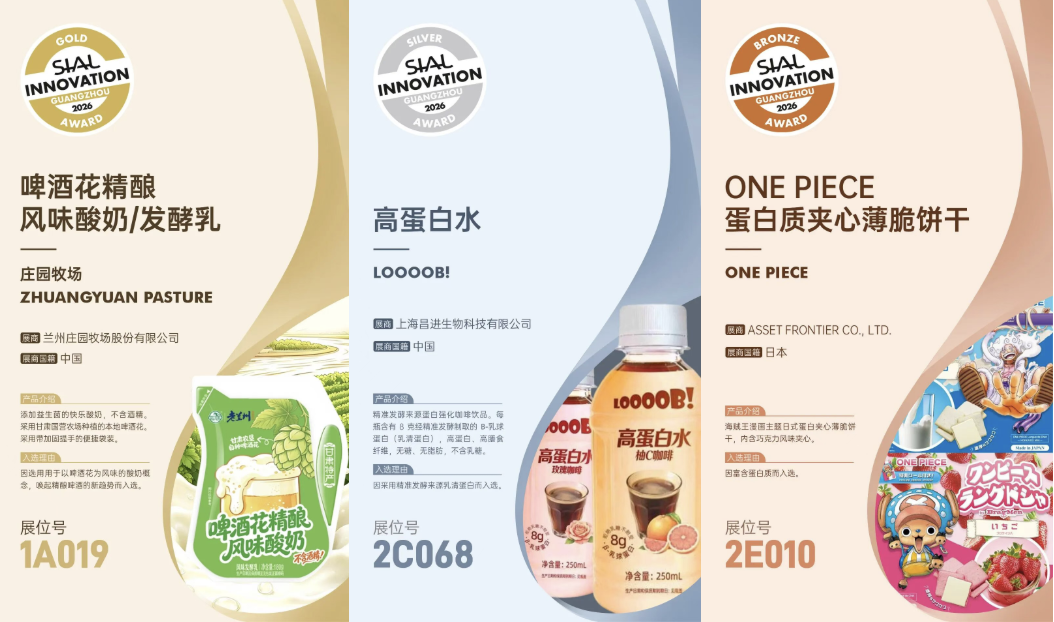
According to the organiser’s official award card, “Craft Hop-Flavoured Yogurt/Fermented Milk” from Lanzhou Zhuangyuan Pasture Co., Ltd. won a Gold Award. The craft-hop flavour gives the new product a distinctive identity; judging from the packaging shown, the screw-cap pouch is designed for portable consumption, creating a clear link between the product concept, pack recognition and consumption occasion.
Before entering chain channels, the product should also be checked for cold-chain temperature control, pouch and spout seal integrity, squeeze and drop resistance, flavour retention, portion size and merchandising format. An award does not constitute packaging certification or channel adoption.
02 · FUNCTION REALLOCATION
When One Layer Is Removed, What Takes Over Oil, Water, Heat and Load-Bearing Performance?
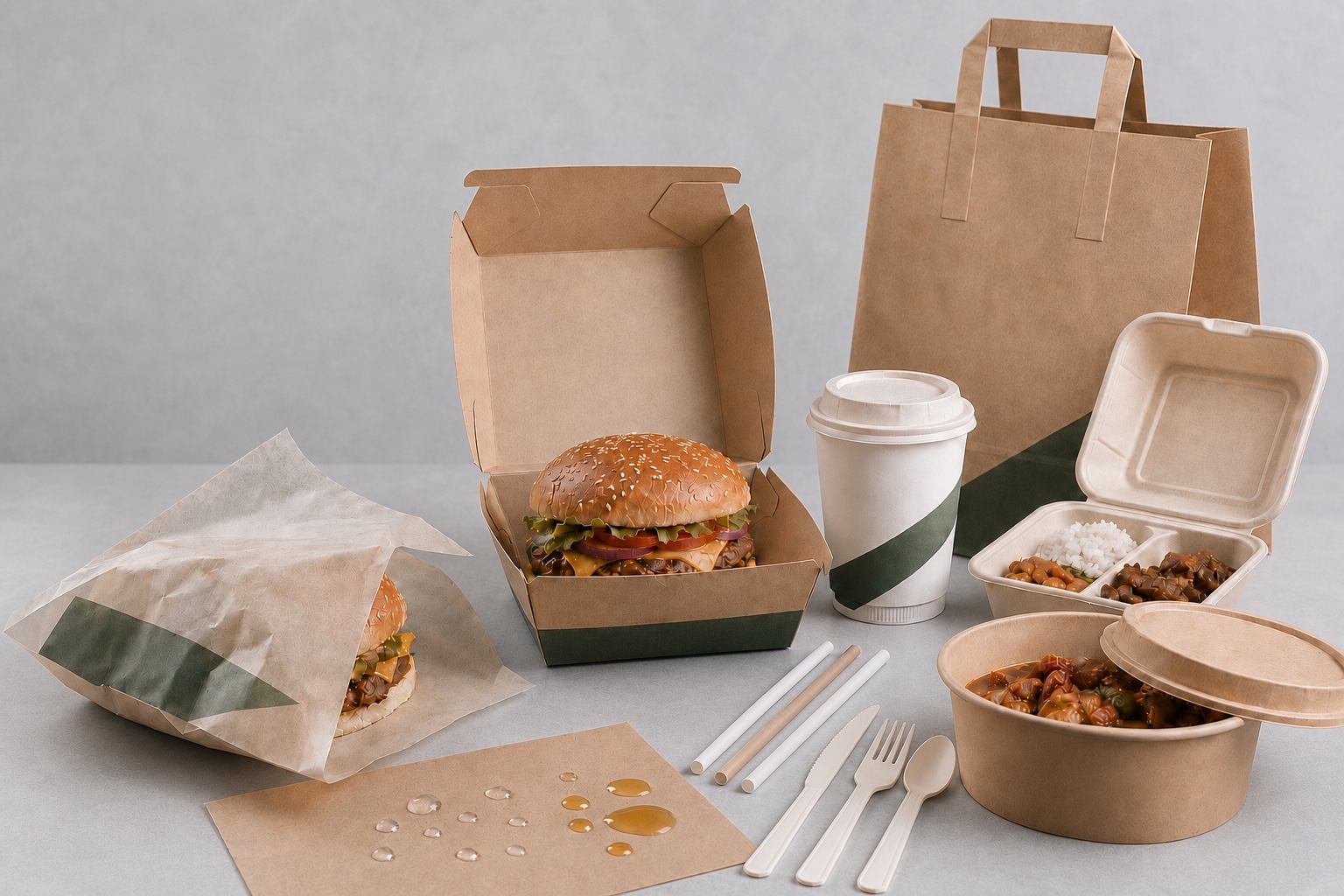
Food-service procurement rarely buys a box in isolation; it buys a complete delivery system. The box, lid, cup, sealing film, sauce cup, label, tamper-evident seal, cup carrier and outer bag work together to fulfil one order.
If a layer is removed for material reduction, the remaining structure must take over the spill resistance, load-bearing capacity, thermal performance and opening experience previously provided by that layer. Otherwise, the supposedly eliminated packaging may return in the form of leakage, an additional bag, customer complaints or even redelivery.
A waterborne coating may be considered as an engineering route for one or more objectives, including grease resistance, water resistance, moisture resistance, heat sealing or surface protection. Only after a specific formulation, paper, coating process and forming conditions have been validated can a film or laminate layer potentially be reduced.
On-site Sample 2 | ASSET FRONTIER
ONE PIECE Crispy Biscuits Make Their First Shelf Pitch
The official award card states that “ONE PIECE Protein-Filled Crispy Biscuits” won a Bronze Award. ONE PIECE character artwork creates the first layer of recognition on the front of the pack, while the words “protein”, “filled” and “crispy” communicate the product attributes. Packaging serves both as protection and as the new product’s first sales interface.
Crispy biscuits require moisture protection and resistance to breakage, while the filling also raises issues involving fats, flavour, seals and printed areas. If paper-based, waterborne or PHA-containing waterborne routes are being explored, the ability to maintain crispness, moisture and grease resistance, heat-seal performance and transport robustness must first be validated.
03 · SCALABLE DELIVERY
Can a Booth Sample Be Scaled into Consistent Bulk Orders?
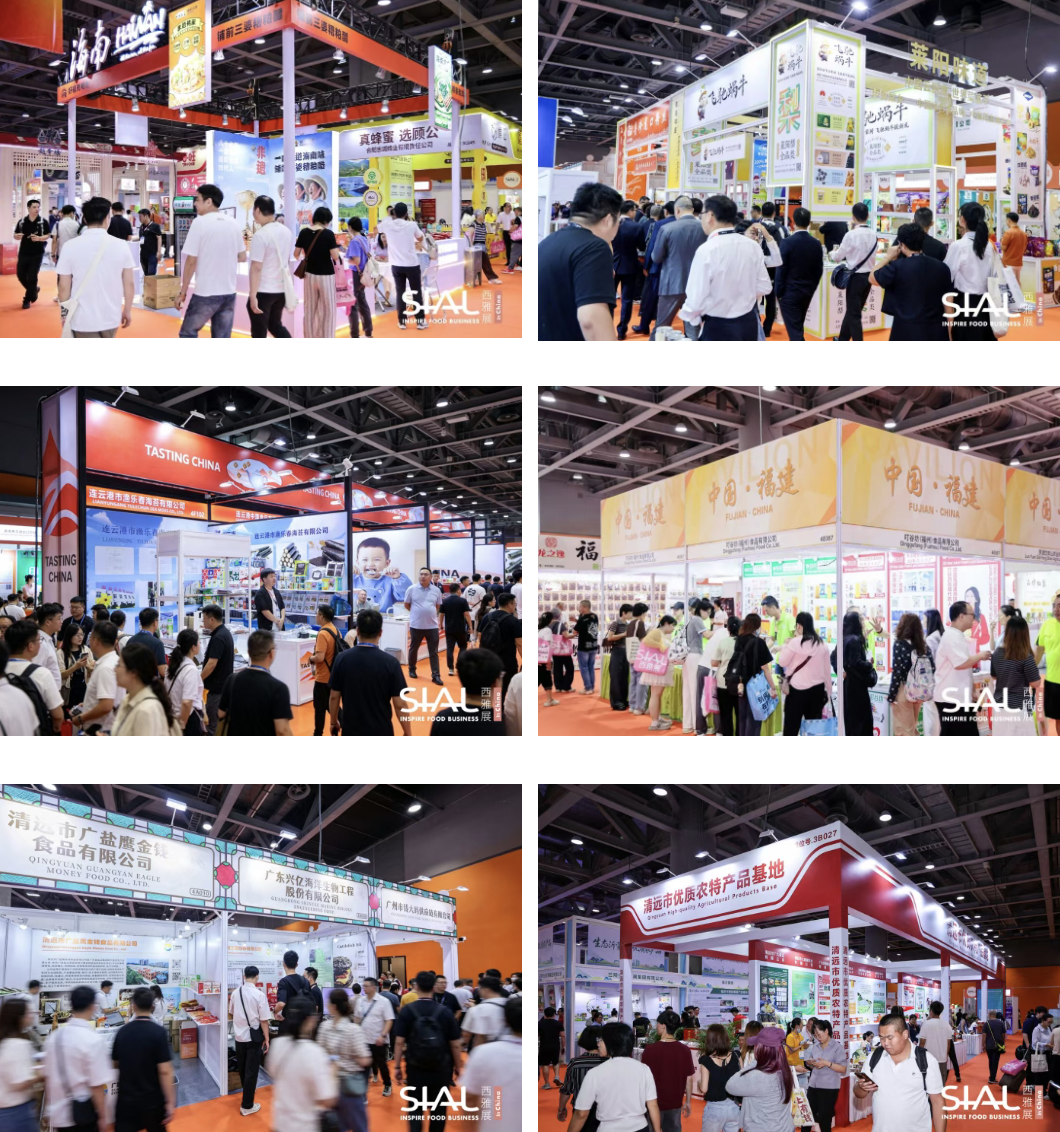
A booth sample shows only the current state of one product. Chain procurement is concerned with sustained consistency after production is scaled up.
Procurement teams should continue asking: Which versions of the base paper, resin, coating, adhesive and ink are used? Are the printing, die-cutting, cup-forming, box-forming and heat-sealing lines compatible? What is the minimum order quantity? How long will sampling and mass production take? How will peak-season capacity, cross-regional replenishment and batch-to-batch consistency be assured?
If paper grammage, coat weight, drying temperature, processing equipment or raw-material suppliers change, who is responsible for notification, and which items must be reassessed? Producing a sample proves only that the item can be made once. Consistent specifications, production lines and delivery demonstrate that it may be ready for a chain system.
04 · FINAL-SKU EVIDENCE
Does the Report in Hand Cover a Raw Material or the Final SKU?
“Food grade”, “waterborne” and “bio-based” are not passports for the final package.
GB 4806.10—2025, National Food Safety Standard—Coatings and Coating Layers for Food-Contact Materials and Articles, took effect on 2 September and applies to coatings used for food-contact materials and articles and to the coating layers they form. On-site procurement should align the supplier’s compliance information and the tested specimen with the SKU under review, checking the structure, food-contact surface, food simulants, temperature, time and other applicable conditions. This is a procurement-review method; it does not mean that every SKU or batch must be retested.
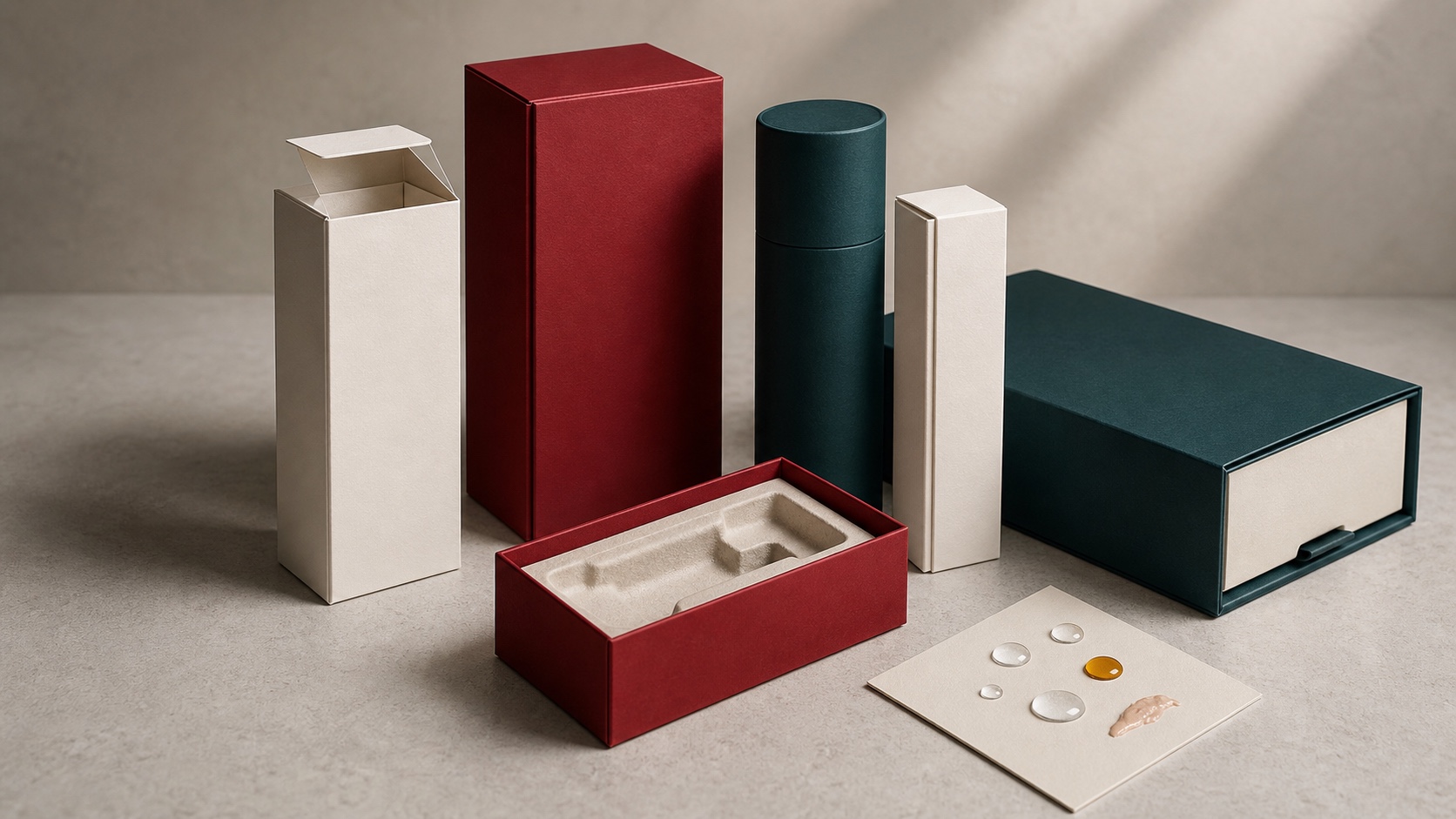
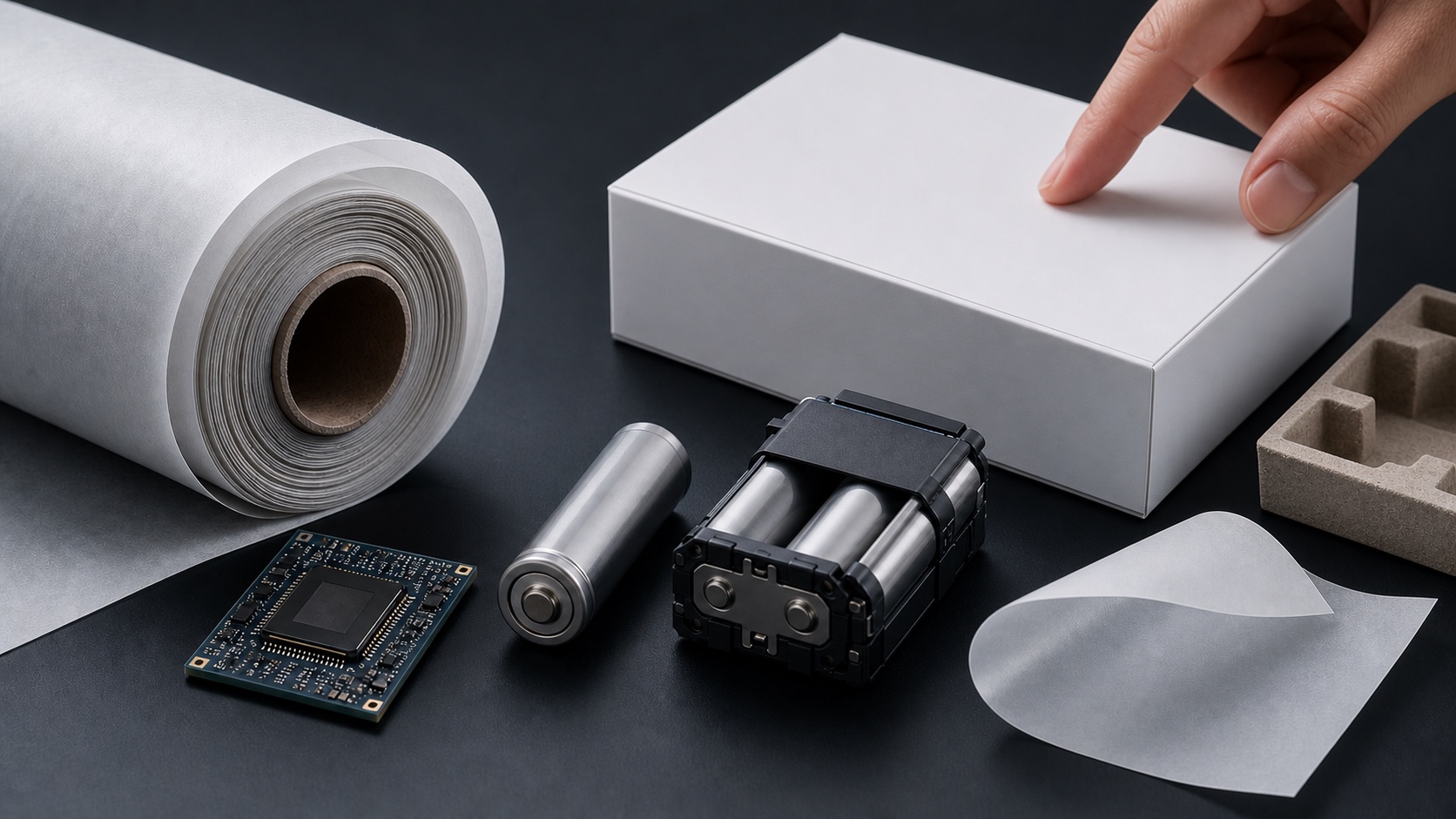
A PHA-containing waterborne functional layer may be considered as an engineering route, with formulation–paper–process–finished-article validation targeting grease resistance, moisture resistance, heat sealing and other requirements. The use of PHA alone does not substantiate the final package’s bio-based content, food-contact suitability, recyclability or compostability.
When materials, processes or conditions of use change, conduct a change-impact assessment first. If the change may affect raw-material compliance, migration or critical performance, carry out additional validation on a representative sample or the final SKU.
Research sources:National Food Safety Standards Database; BIOTEN PHA Waterborne Barrier Engineering for Paper-Based Packaging.
05 · TOTAL-ORDER COST
After Leakage, Labour and Inventory Are Counted, Is the New Product Still Profitable?
On-site quotations often cover only the unit price of the food or package, while chain stores bear the total order cost: food, packaging, converting and transport, warehousing and inventory, in-store labour, leakage and customer complaints.
Even at a slightly higher unit price, a package may deliver a better overall result if it reduces damage, shortens handling time, improves shelf presentation or lowers inventory complexity. Conversely, a low-priced unit that requires an additional bag, frequent rework or unreliable replenishment may not be inexpensive at all.
Environmental claims must also be evaluated at whole-order level. “Recyclable” should specify whether separation is required and whether the target region collects the material; “compostable” should identify the certified item, applicable conditions and local facilities. Without a defined structure and location, environmental attributes are difficult to convert into genuine procurement value.
BEFORE LEAVING THE EXHIBITION
Do Not Leave with Just a Brochure—Take a Project Brief
At a minimum, the project brief should include: the product and its conditions of use; packaging configuration and dimensions; critical failure modes; target price and total-order cost; equipment and delivery windows; food-contact documentation; recovery or disposal conditions; and tasks for the first sampling round.
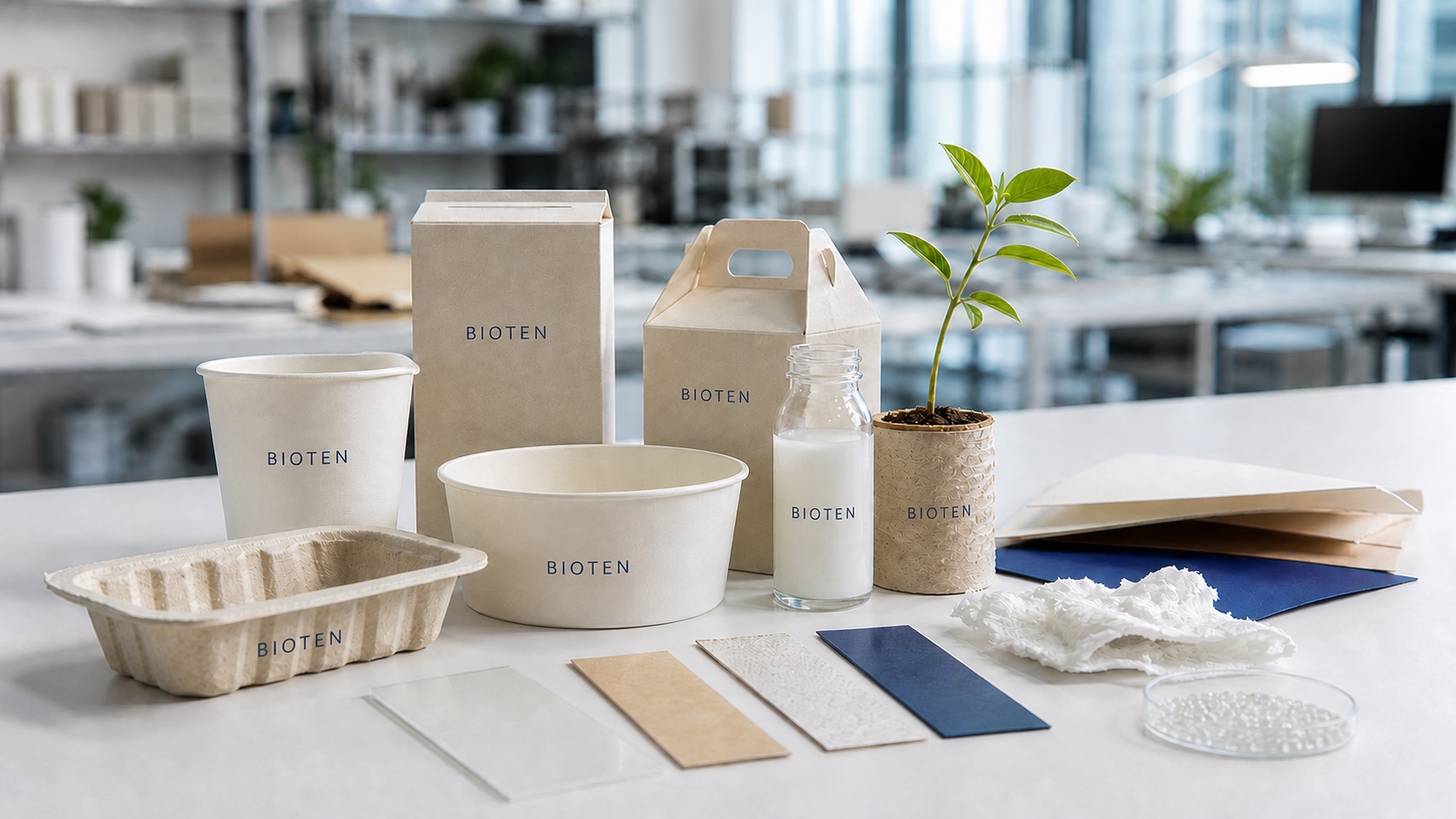
Starting from an actual food-service order, BIOTEN Packaging can turn exhibition samples into candidate packaging structures, paper and functional-layer specifications, a first sampling plan, production-line validation and a supplier-evidence checklist. Where necessary, waterborne functional coatings, PHA-based waterborne barriers, custom barrier papers and finished-packaging resources can be evaluated further.
To begin the assessment, provide photographs of the product and packaging, the contents and filling temperature, package dimensions, portion weight, delivery or display time, existing problems and target cost. Specific materials, structures, suppliers and availability remain subject to project validation and formal confirmation.
PAPER TALK · EVIDENCE AT THE CORE
Trade Fairs Reveal Opportunities; Validation Determines Adoption.
SIAL Guangzhou is a venue for food-and-beverage trade and industry exchange, not for certifying packaging materials. The five questions can help procurement teams identify gaps, but they cannot replace supplier qualification, food-contact assessment, laboratory testing, production-line trials or in-store pilots.
Only when actual conditions of use are clearly defined, required functions are properly allocated, production lines can deliver, evidence covers the final SKU and the total order remains profitable does a new product have a credible path from the exhibition hall into stores.
BIOTEN Packaging · Industry Insights · Research Note
This article was independently researched and compiled by BIOTEN Packaging using information from the organiser of SIAL Guangzhou, the National Food Safety Standards Database and other public sources. Information was verified through 4 September 2026. Exhibition scale, on-site arrangements and awards follow the organiser’s disclosures. The five questions constitute BIOTEN Packaging’s procurement framework and do not indicate that any exhibitor’s product has been sold, adopted, mass-produced or validated. This article is for industry research and learning only and does not constitute a basis for procurement, food-contact, certification or investment decisions. Requests for correction, clarification or removal will be reviewed within 24 hours of receipt.
BIOTEN Observer Data and Verification Sources
01 | SIAL Guangzhou | Day 1 On-site Review
02 | SIAL Guangzhou | Match Me Buyer-Matchmaking Schedule
03 | SIAL Guangzhou | SIAL LIVE Preview
04 | SIAL China | SIAL Guangzhou 2026
05 | China National Center for Food Safety Risk Assessment | National Food Safety Standards Database
06 | SIAL Guangzhou | SIAL Innovation
07 | BIOTEN Packaging | PHA Waterborne Barrier Engineering for Paper-Based Packaging
Original source access restricted