



A hot coffee is passed across the counter at the start of the day. We notice its aroma and warmth; holding it all is a paper cup. That small cup connects a paper mill's production line with everyday life.
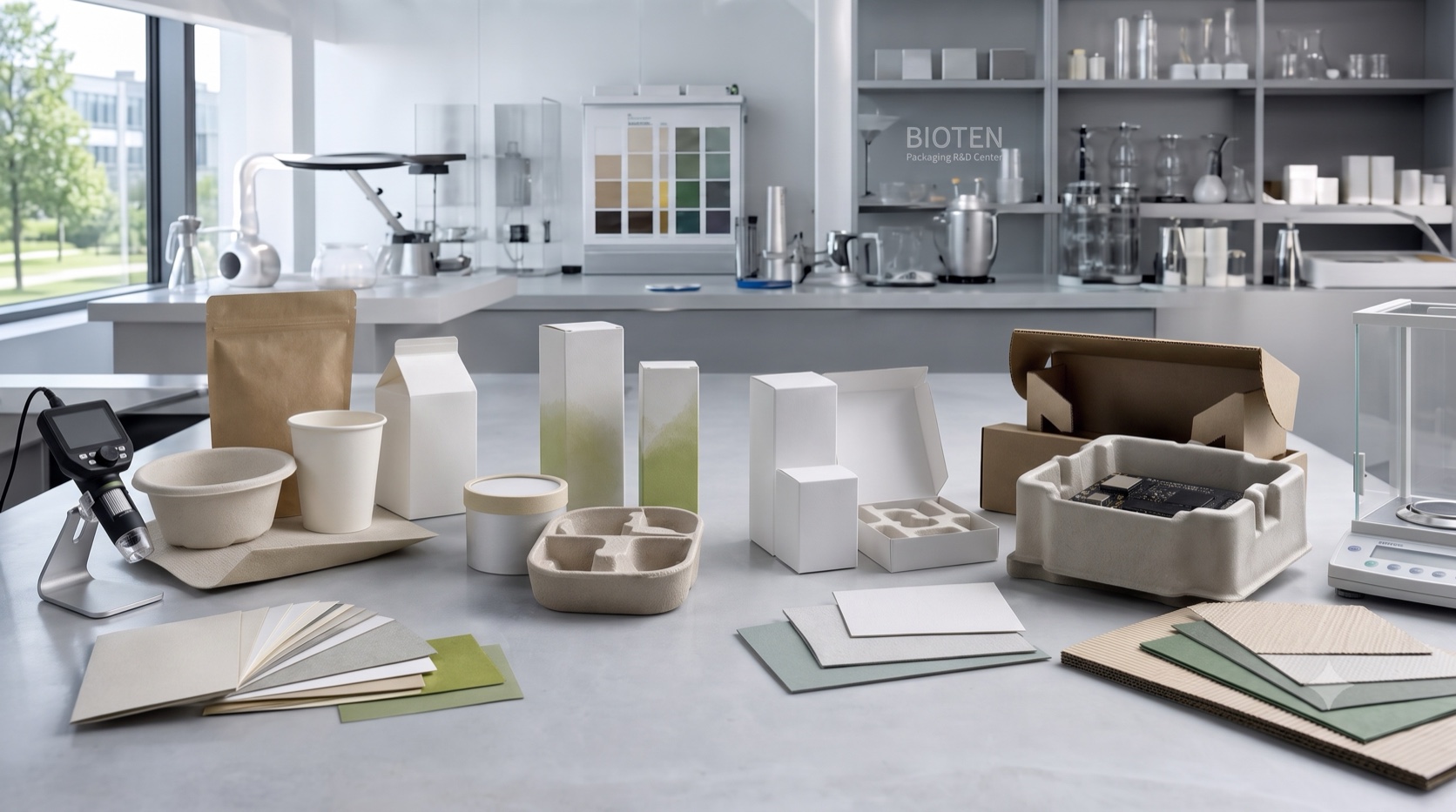
To support the development of high-value products, BIOTEN has identified
101 specific opportunities for innovation in paper-based applications,
spanning 14 sectors, including foodservice ware, food packaging, fresh-food cold chains and modern agriculture.
Following a sheet of paper into the customer's working environment, and studying how needs, materials and converting processes fit together, is BIOTEN's starting point for identifying new opportunities for industry partners.
Start with real-world use
to find the right product direction
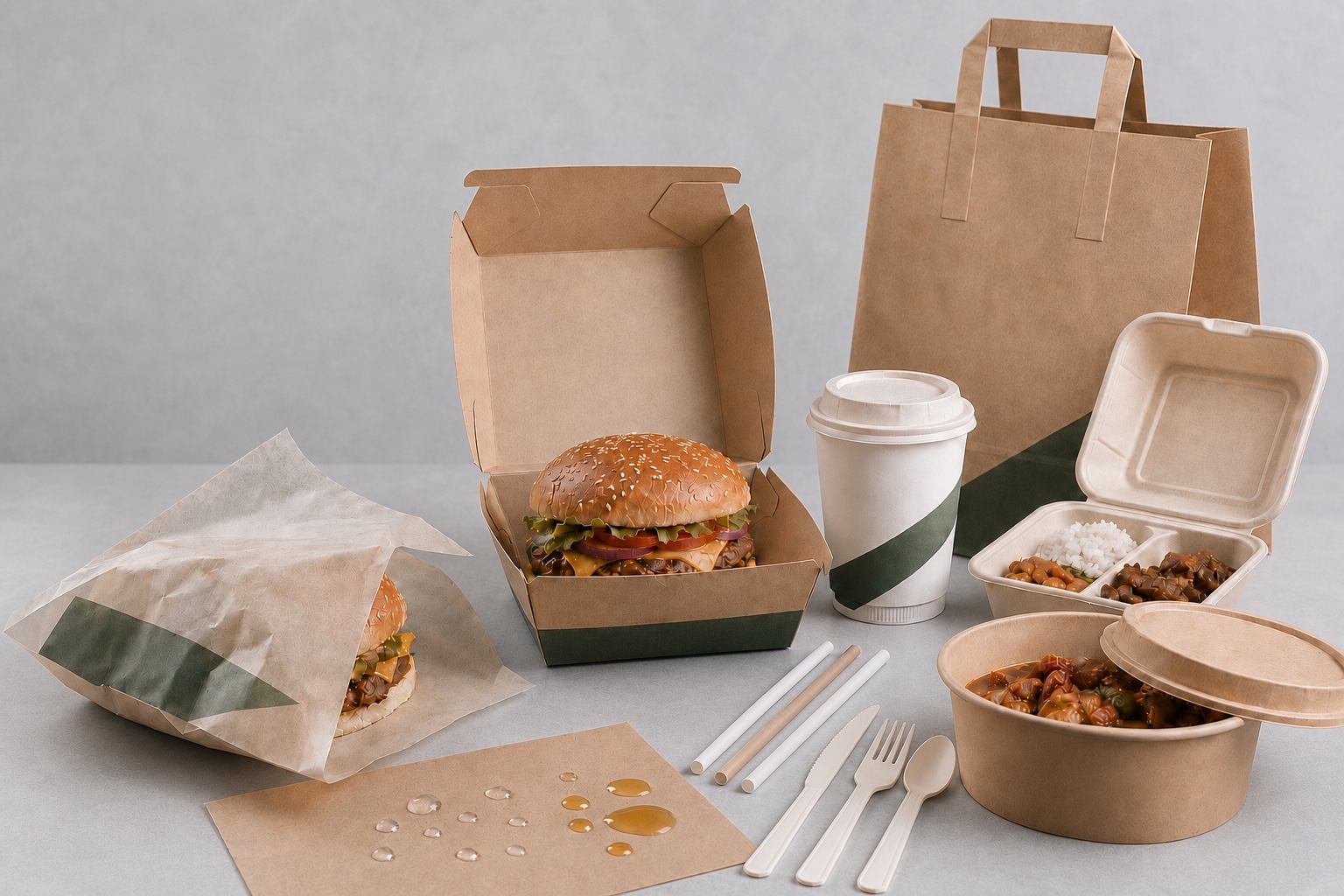
Foodservice ware: hot coffee and hot soup each call for the right paper. Cup walls, bases, side seams, paper lids and forming processes must work together. Cold-drink cups must also withstand external condensation. For foodservice ware manufacturers, opportunities lie in the reliable performance of the complete cup or bowl.
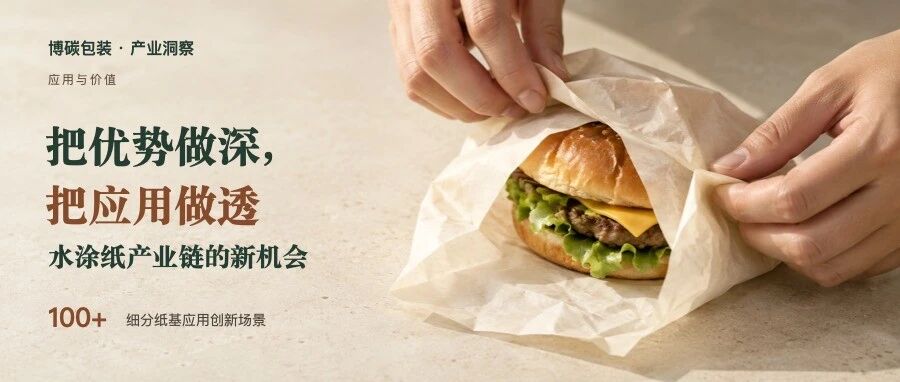
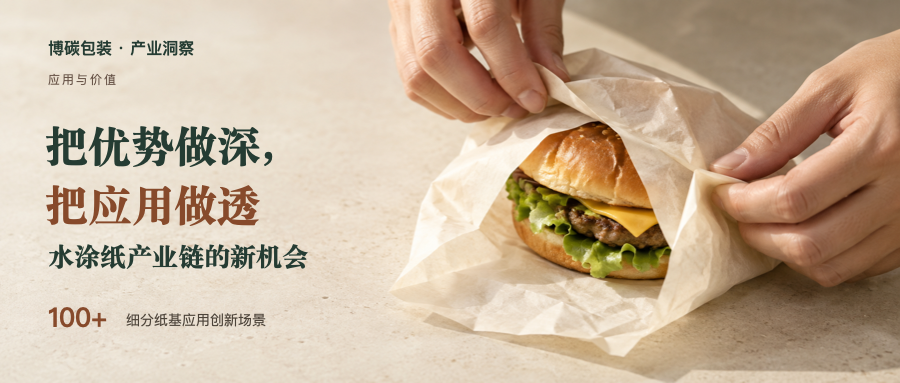
Fried foods and bakery products: resist grease while preserving crispness. Burger wraps, fried-chicken bags and bread bags encounter different combinations of oil, water and steam. Lightweight paper, functional treatments, printing and bag making must be coordinated around the food being served.
Fresh-food cold chains: packaging must withstand the journey from refrigerated display to dining table. Paper bags for wet vegetables, paper trays for fresh meat, seafood wraps and frozen-food bags each require assessment of load-bearing capacity when wet, puncture resistance against sharp corners, flexing at low temperatures and seal integrity, helping customers reduce packaging failures.
Other opportunities include wraps for solid personal-care and household products, barrier bags for pet food, and packaging for seeds and agricultural supplies. The required specifications are defined by what the package holds, how long it is used, and how it is converted and delivered. High value comes from solving specific problems.
Burger wraps: turning a thin sheet of paper into a specialist product for the global foodservice supply chain.
BIOTEN sees potential in this application because a burger wrap must handle hot grease, sauces, steam, crumpling and folding, as well as branded printing. It must also support fast sheet dispensing, wrapping and service in restaurants. Grease resistance is one function; a combination of user experience, converting efficiency and total cost per thousand sheets gives customers a reason to keep buying.
For customers who specifically require home-compostable packaging, credible certification evidence is also essential. BPI's official catalog lists BIOTEN PHA coating components certified for home compostability, providing a material basis for this development direction. The certification applies to the coating components. Burger wraps still require food-contact and performance assessments, along with the relevant finished-product certification, based on the intended base paper, inks and complete construction.
Scaling this application is particularly suited to partners with capabilities in lightweight paper, coating, printing and slitting, or the ability to coordinate those resources effectively. Papermaking expertise helps control sheet formation, flexibility and cost; coating capabilities support film formation, drying and roll consistency; printing and converting connect brand presentation, format conversion and batch delivery. These capabilities may be owned in-house or developed through industry partnerships.
BIOTEN welcomes joint development with such partners to build a scalable burger-wrap business serving global foodservice markets. The aim goes beyond making a sample sheet: it is to establish specialist supply capabilities that can fulfill repeat orders and meet the needs of different markets.
Developing deep expertise in a specific application can turn a small sheet of paper into a global business.
Paper cups for seedlings:
a gateway to agricultural paper applications
Paper cups for seedlings connect plant propagators, nurseries, farms, equipment suppliers and materials companies. Starting here, paper can take on a wider role in agricultural production.
Nursery propagation: design paper around the production cycle. Vegetable seedlings, flower cuttings and tree seedlings have different growing cycles. Paper cups, sleeves and plug-tray liners must accommodate filling, watering and transplanting, maintaining their wet structure while allowing drainage, aeration and root growth.
Paper nursery bags: hold wet growing media and withstand handling out of the nursery. From bags for vegetable seedlings to those for fruit trees and forestry seedlings, load capacity, bottom joints, the required duration of moisture resistance and transplanting methods must be considered together. This offers wet-strength paper, coating and bag-making companies a route into the plant propagation supply chain.
Mulching: make a sheet of paper serve a crop for a season. Paper mulches for greenhouse vegetable beds and fruit-tree bases, and weed-suppressing discs for pots, address light exclusion, weed control and moisture management. Products must suit installation, irrigation and the intended service period, with subsequent treatment and behavior in the soil environment assessed as well.
Coated paper with tunable water stability: match functional durability to the crop cycle. Design the strength and duration of paper's functional performance in wet conditions around irrigation, heat, humidity and field operations. Load-bearing nursery bags and planting-paper liners that regulate moisture at specific stages require different paper substrates, coating distributions and structures. Performance retention when wet and subsequent structural changes must be evaluated separately.
These applications point to the same opportunity: extend paper's role beyond packaging consumables to functional materials with clearly defined tasks in agricultural production.
Serving Europe and North America:
understand the industry systems behind demand
International examples already exist for agricultural paper. In Europe, Ahlstrom, Ellepot and OrganoClick jointly developed a paper-pot solution that brings together a paper substrate, a biobased binder and plant propagation products. Collaborative development is one route for bringing new materials into practical applications.
A 2022 amendment to U.S. organic regulations also established a conditional pathway for the use of compliant paper-based crop planting aids. These developments show that paper-based agricultural materials are becoming part of specific products, operating systems and regulatory frameworks.
Entering overseas markets requires a clear understanding of crops, growing methods, material requirements and service channels. Agricultural customers focus on total cost per thousand viable seedlings and per mu (approximately 667 square meters) per growing season; packaging customers focus on cost and in-use performance per thousand conforming products.
A thorough understanding of an application can turn manufacturing strengths into reasons for customers to keep choosing your products.
Work with BIOTEN
to turn applications into products
BIOTEN Packaging has been developing paper cups for seedlings, paper-based propagation containers and second-use applications for paper cups. Relevant granted invention patent documents cover paper-based propagation systems, the conversion of paper cups into seedling containers and associated kits, recording a development approach that coordinates materials, containers and uses.
One approach considers both beverage use and subsequent plant propagation at the coffee-cup design stage, then explores using the cup as a seedling container after its original use.
From holding a coffee to supporting a seedling, a paper cup's second life opens a door to agricultural applications.
BIOTEN connects papermaking, coating, product converting and end-use needs through paper substrates and PHA waterborne barrier technology. Guided by source reduction, end-of-life circularity and biodegradation as an optional pathway, it selects approaches for each application and turns application research into specific development projects.
Companies specializing in lightweight paper can focus on wraps and sleeves. Those with wet-strength and coating capabilities can develop moisture-resistant paper bags and mulch papers. Partners with cup forming, bowl forming, bag making or distribution strengths can collaborate on finished products.
The value of these 101 opportunities is not that every company should pursue them all, but that each can find a direction worth developing in depth.
BIOTEN welcomes partners to define product objectives together, match materials and processes, and address application needs. Considering performance, production yield, cost and repeat purchasing together creates the opportunity to turn innovation into a valuable, sustainable business.
Start with your existing strengths in paper grades, equipment and customer relationships. Work with BIOTEN to identify applications worth entering and open up new uses and markets together.
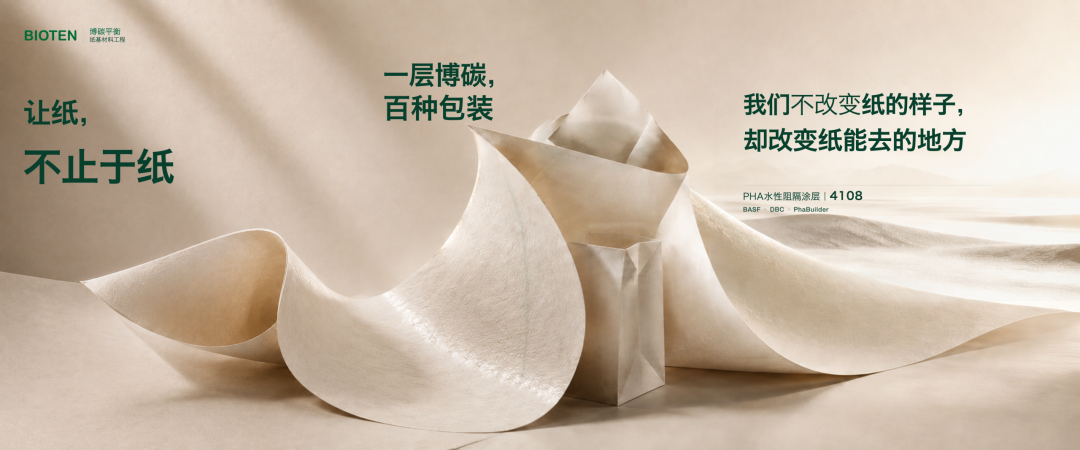
We do not change what paper looks like; we change where it can go.
Research note
Prepared by BIOTEN Packaging using DBC developer resources, patent literature and official regulatory records, with verification current to 22 September 2026. For industry research reference.
BIOTEN Observer: data and verification sources
Ahlstrom | Fast-food papers, joint paper-pot development and fiber-based mulch materials
Ellepot | Vegetable propagation and forestry papers
USDA | Paper-based crop planting aids
DBC | A second life for paper cups
BPI | BIOTEN certification listings, certification scope and requirements
BIOTEN Developer | Development of 101 application opportunities
Patent literature | Paper-based propagation systems, paper-cup reuse and agricultural ecology