

On August 12, 2026, the EU Packaging and Packaging Waste Regulation (PPWR) will generally apply. This does not mean that every obligation takes effect on the same day, but it marks the beginning of a new, phased cycle for packaging minimisation, design for circularity, material safety, and information transparency.
1. As the PPWR Approaches, Packaging Must Answer Five Questions
Packaging must use less: weight, volume, empty space, and unnecessary functional layers will face closer scrutiny, and every material layer must demonstrate its functional necessity.
Recyclability must begin with design: circular performance depends not only on the name of a material, but also on the substrate, coating, overall structure, and realistic recycling route.
Food-contact safety must extend to every material layer: controls on PFAS and other substances are moving toward measurable, traceable, and explainable evidence. Substrates, functional layers, inks, and adhesives must be assessed together.
Environmental concepts must retain their distinct meanings: bio-based, biodegradable, compostable, and recyclable each represent different values and end-of-life routes; none can automatically substitute for another.
Environmental commitments must be verifiable: the amount of material reduced, the proportion of paper fibre, and any effect on fibre circulation all require support from specific structures, data, and third-party evidence.
PPWR requirements will be implemented in stages, and some technical methods and detailed rules remain subject to subsequent legislation. Around 2028, design-for-recycling methods, material labels, and certain minimisation requirements are expected to become more detailed or mandatory. Material screening, equipment adaptation, finished-product testing, and customer validation all take time, making the next two years an important window for technical transition.
At the same time, the EU Single-Use Plastics Directive (SUPD) continues to affect single-use paper packaging that contains a plastic functional layer. A low plastic content does not create an automatic, uniform exemption. International brands are also converting their 2028 plastic-reduction, circularity, and carbon-management goals into supply-chain purchasing requirements. The year 2028 is not the starting point for action; it is when material choices made today begin to face market validation.
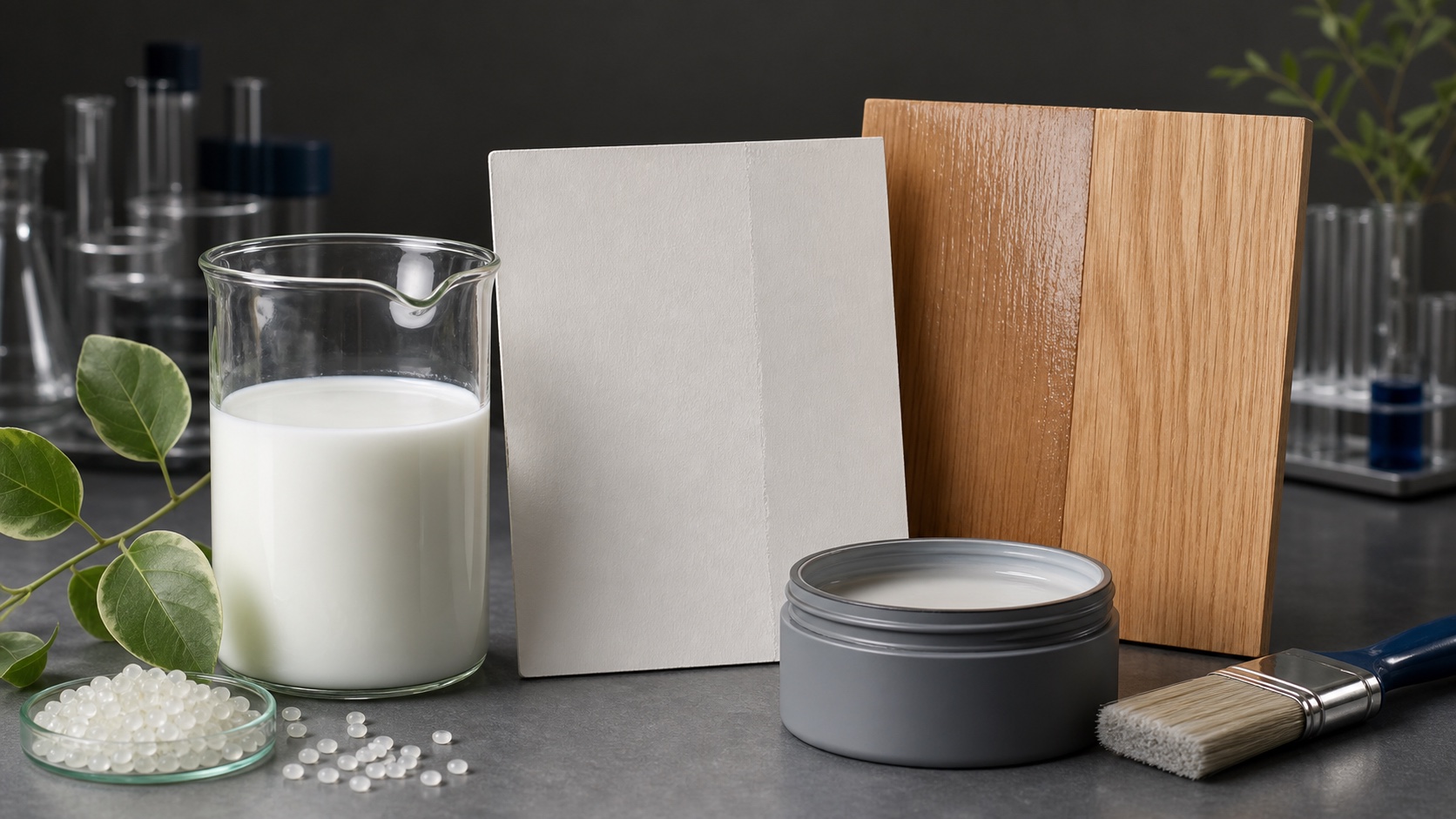
Paper-for-plastic packaging does not simply need another so-called “green coating.” It needs a material system that uses less, can be manufactured safely, and balances packaging performance with fibre circulation. This is the critical layer that BIOTEN Packaging aims to provide.
2. Paper-for-Plastic Packaging Does Not Lack Paper; It Lacks the Critical Functional Layer
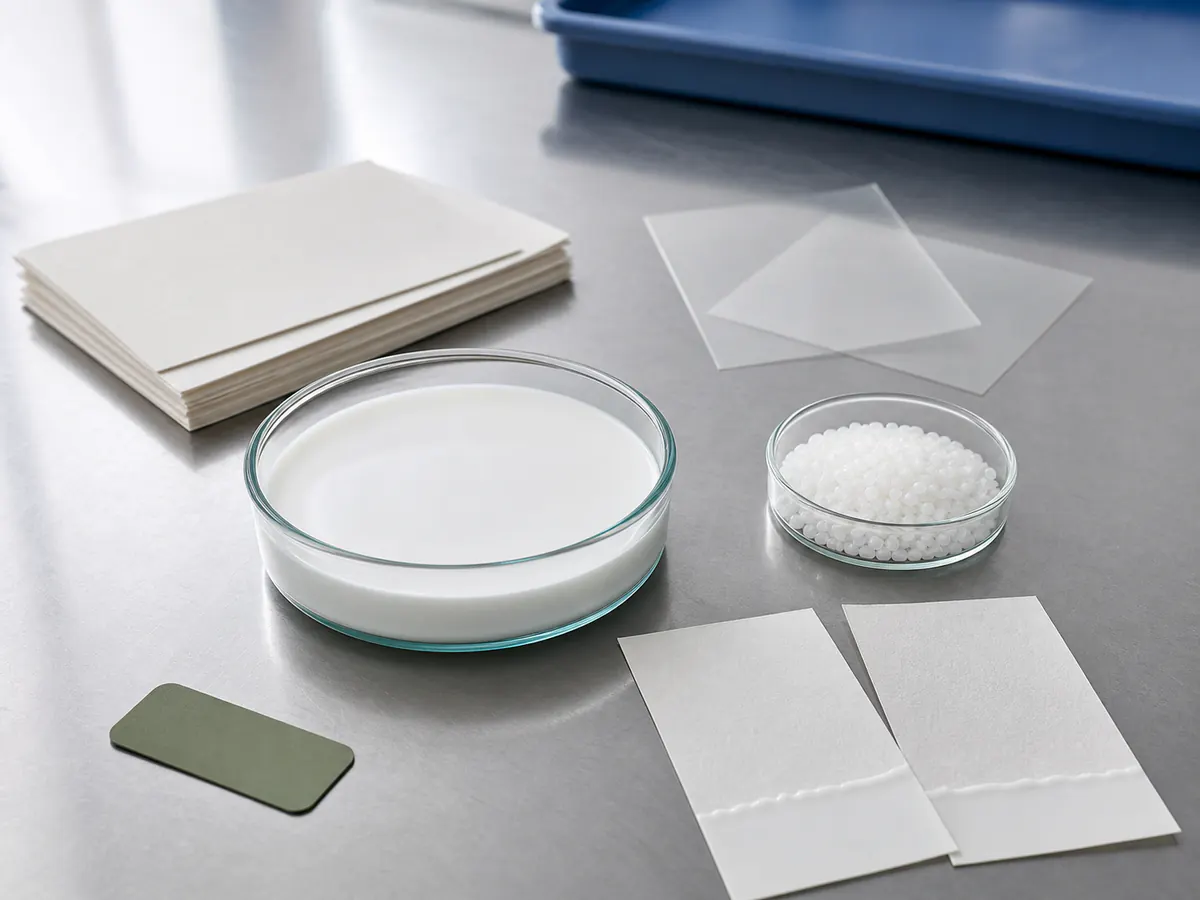
Paper offers strength, printability, and a foundation for fibre circulation, but turning it into a cup, bowl, carton, or bag does not automatically provide complete packaging performance.
As plastic-reduction and restriction policies tighten worldwide, conventional PE-coated paper will need a capable successor. That material must support source reduction, lower carbon impact, and circularity; provide barrier and processing functions; and enable a realistic repulping route under applicable conditions.
The technical challenge is to spread a small amount of functional material evenly across paper, close the fibre pores, and form a continuous film that can withstand food-contact safety assessment, heat sealing, folding, and converting. Water resistance, oil resistance, film formation, heat sealing, flex resistance, equipment compatibility, and cost must all be addressed within the same project.
BIOTEN Packaging has therefore adopted a shared principle: use the smallest practical amount of functional material to deliver the packaging performance actually required, while considering cost, manufacturing, validation, and fibre circulation.
“Less” does not mean sacrificing performance. It means first defining the contents, use environment, and converting process, and then specifying only the functions the target package genuinely needs.
3. One Material System for Three Types of Industry Challenge
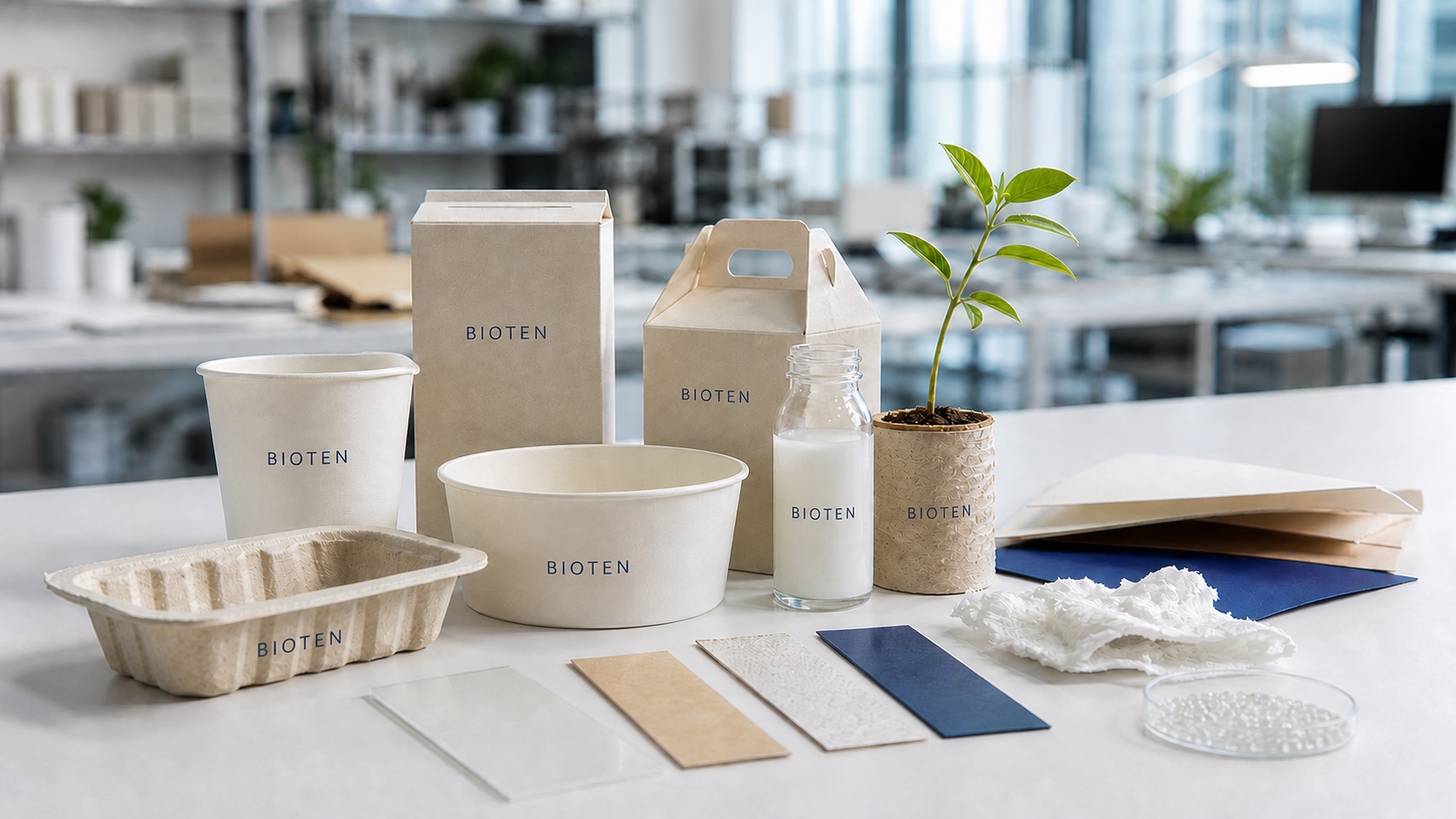
Paper grades, equipment, packaged contents, and market requirements differ. Paper-for-plastic applications cannot be solved by one “universal emulsion.” Based on the common principle of “less, but sufficient,” BIOTEN Packaging has developed a three-tier product and engineering system: BIOTEN Plus, BIOTEN Pro, and BIOTEN Ultra.
BIOTEN Plus supports long-term adoption. For mainstream paper packaging, it balances necessary barrier and converting performance with PHA bio-based material use, manufacturing complexity, economics, and total cost. It is designed to support practical mill recycling, easier repulping, and high fibre yield, while leaving room for composting under applicable conditions.
A product must perform in use, run on production lines, remain commercially accessible, and return to an appropriate recovery route after use. These are the competitive foundations for replacing conventional PE-coated paper at scale, and they align with the PPWR’s long-term direction on minimisation, design for recycling, and verification of bio-based information.
BIOTEN Plus is not a short-term response to a single regulatory milestone. It places functional necessity, material use, manufacturing efficiency, cost, and fibre circulation within one product logic. Its aim is to use scientifically foreseeable product design to respond to progressively stricter global policy and support medium- and long-term compliance capability.
This also helps frame the PPWR timeline: general application in August 2026, emerging data baselines around 2028, phase-out conditions in 2030, and further market-access thresholds in 2035, subject to the regulation and subsequent implementing measures.
BIOTEN Pro supports professional market entry. It is BIOTEN’s advanced water-based barrier material system for applications with compostability requirements. It combines commercial supply with material-level third-party evidence, including the applicable scope of BPI home-compostability certification and alignment work relating to DIN CERTCO and ABA home and commercial compostability programs.
For markets with higher requirements for material composition, manufacturing consistency, certification, and documentation, BIOTEN Pro turns a material route into a professional product that can be purchased, processed, reviewed, and taken forward for finished-product validation. The source article describes a commercially available product designed to provide heat-sealing and barrier performance while supporting applicable BPI compostability certification and testing requirements.
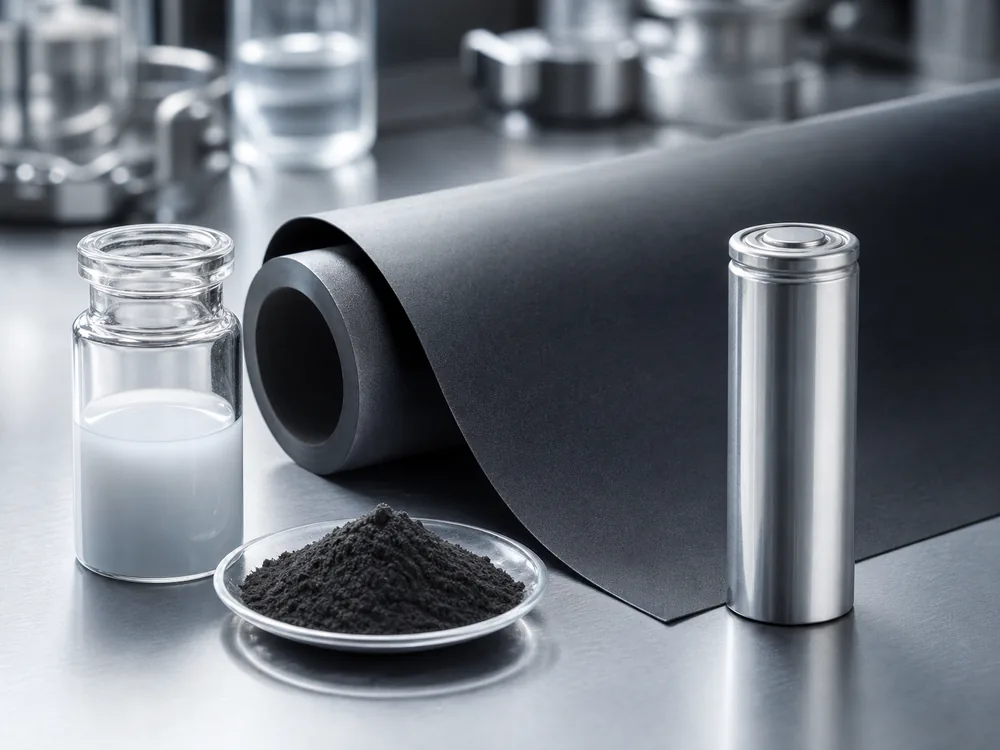
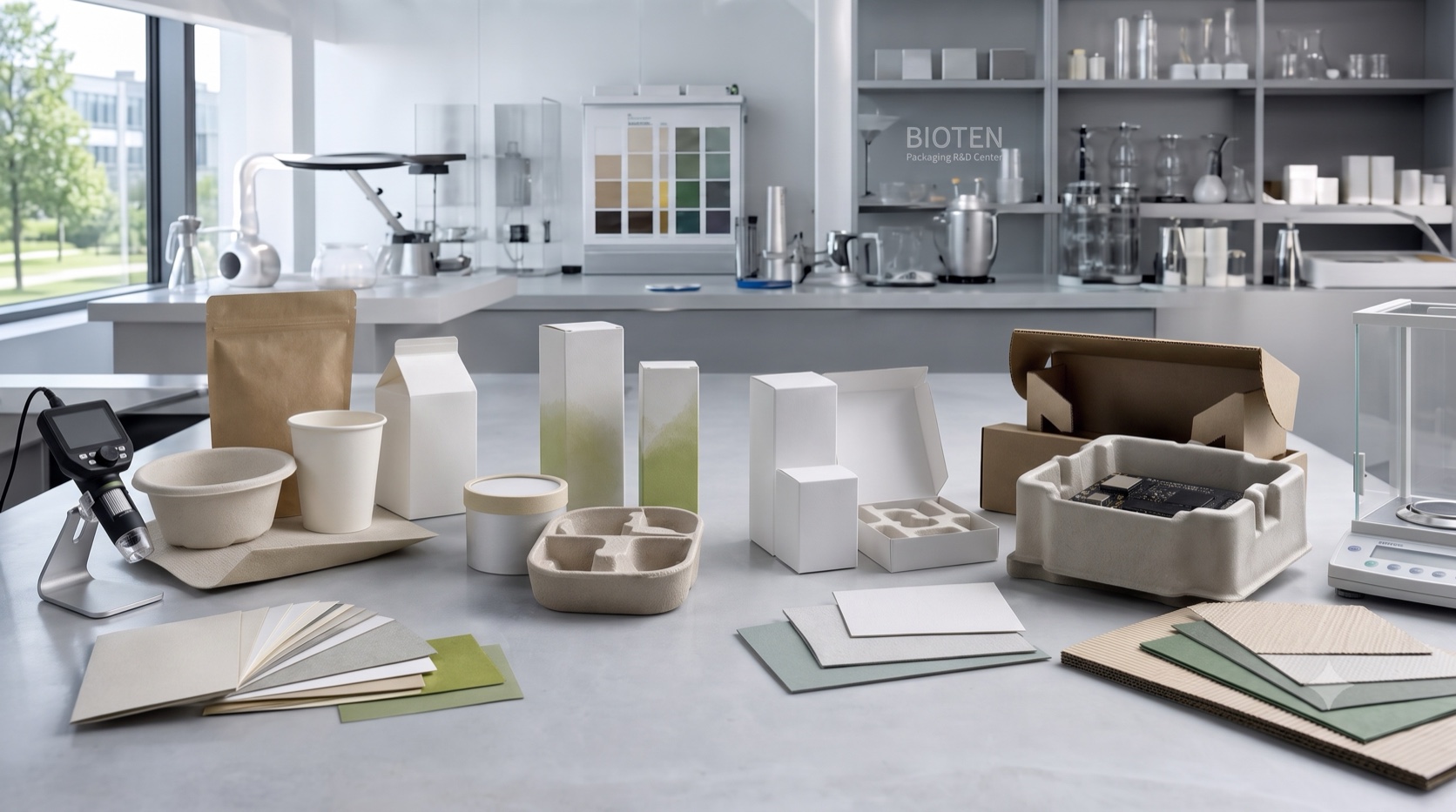
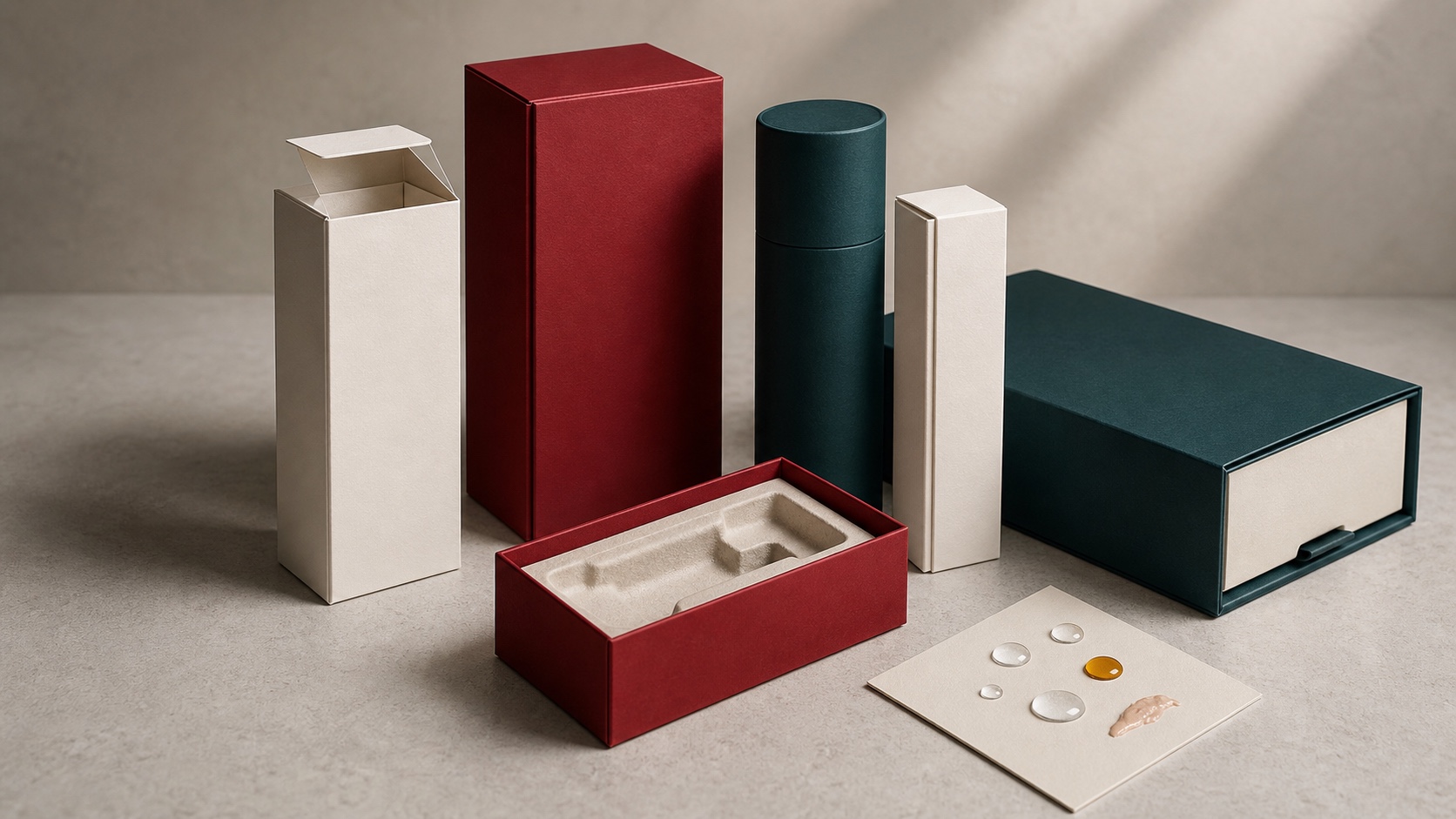
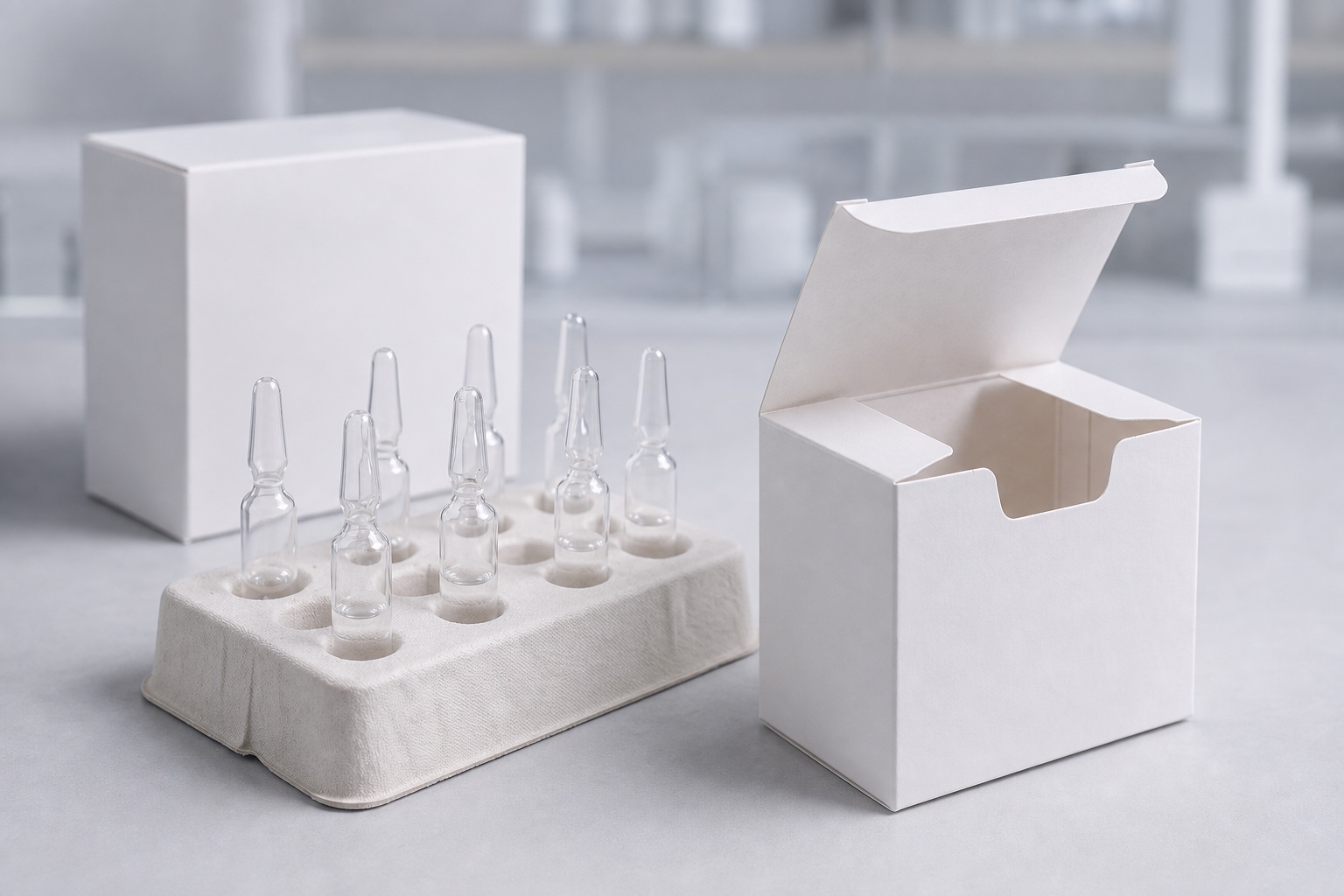
BIOTEN Ultra supports performance-boundary development. For food and beverage, beauty and personal care, pharmaceutical, electronics, and specialty packaging, it designs the necessary combination of high oxygen barrier, high moisture barrier, moisture protection, chemical resistance, or edge sealing according to the contents, shelf life, paper, and process conditions.
BIOTEN Ultra supports joint development with value-chain companies, including performance-boundary work, bio-based-content targets, dedicated products, and exclusive supply collaboration.
The BIOTEN matrix is therefore clear: BIOTEN Plus supports long-term adoption, BIOTEN Pro supports professional market entry, and BIOTEN Ultra extends performance boundaries.
On this basis, the BIOTEN Packaging water-based barrier engineering system can provide dedicated product development and collaborative supply for specialised industries.
4. From “Less, but Sufficient” to Verifiable Engineering
Low application weight is an important engineering direction. In certain typical paper-cup structures, an estimated dry coat weight of approximately 10 g/m² may place the functional layer at about 3% of the cup’s total mass, with paper accounting for about 97%.
These figures illustrate structural reduction only. Actual ratios vary with cup format, paper, and structure. They are not exemption thresholds under the PPWR, SUPD, or compostability standards, and they do not by themselves prove that a complete paper cup is recyclable, compostable, or compliant for food contact. Each of these matters requires separate assessment and evidence.
BIOTEN Packaging’s value is not to replace every decision with a single certificate. It is to advance PHA water-based barriers into professionally supplied products that can undergo value-chain review and support downstream finished-product validation.
Paper-for-plastic applications can thereby move from the idea that “a material can substitute” toward an industrial capability that is verifiable, purchasable, and consistently deliverable.
5. Supporting Industry Collaboration with Original Technology
As of August 2026, DBC and related R&D entities had disclosed 106 patents, of which 56 had been granted by the China National Intellectual Property Administration, according to the source article. More important than the count is the continuous original-technology chain being formed by granted work on bio-based waterborne barriers and PHA-based barriers, with the aim of supporting the global competitiveness of Chinese paper and packaging companies.
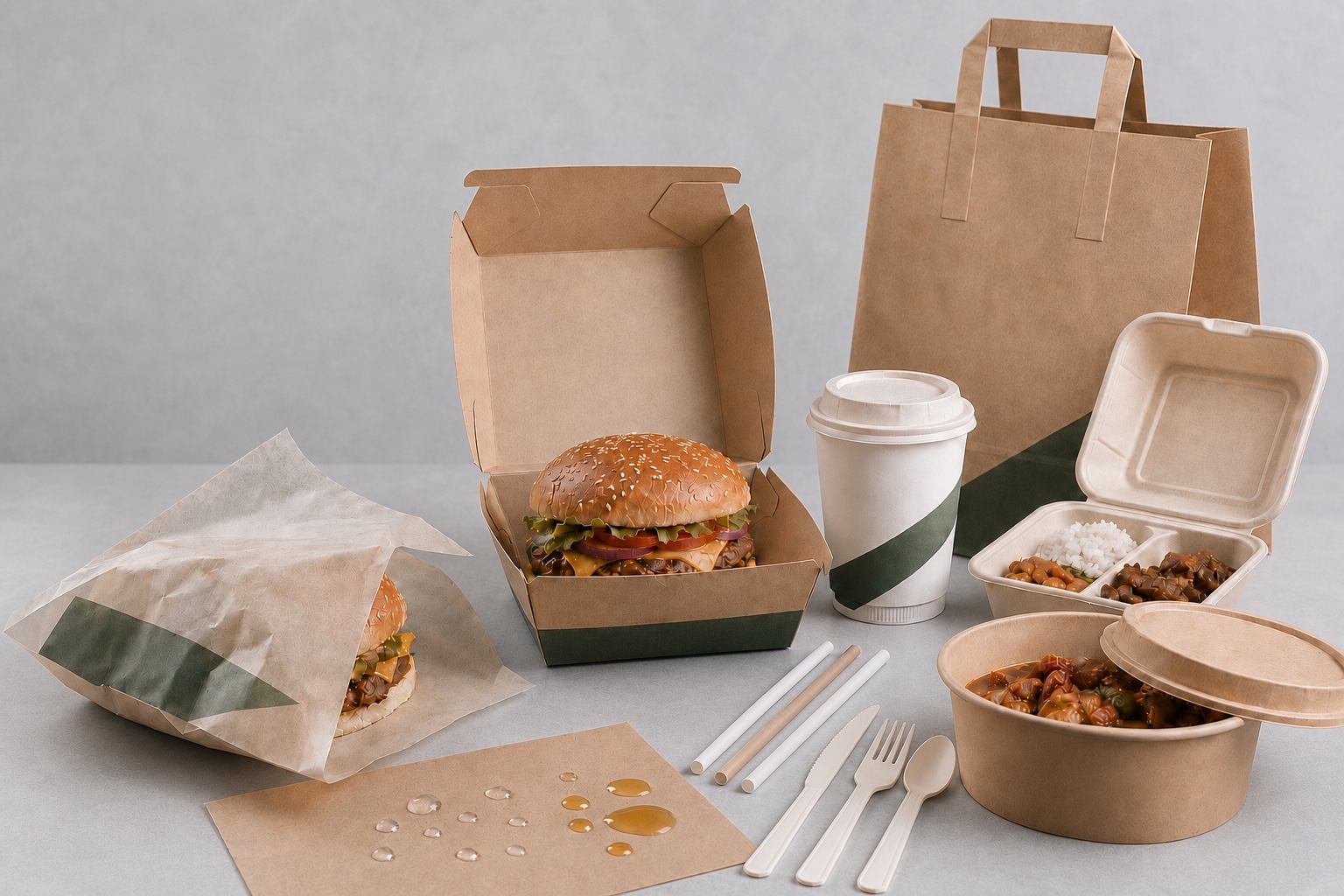
Representative inventions and published or granted application numbers listed in the source article include: (1) bio-based polymer emulsion, preparation method and application, CN121758933B; (2) PHA water-based barrier-coating composition and application, CN120925356; (3) PHA dispersion emulsion, preparation method and application, CN120757803B; (4) bio-based low-VOC water-based ink composition based on fermentation-derived PHA, including preparation, application and printing method, CN121319702B; (5) fully bio-based PHA aqueous dispersion, preparation method and use, CN120865687B; (6) bio-based PHA oil-resistant, moisture-permeable coating for burger wrap, coated paper and preparation method, CN120759147B; (7) PHA, PBAT and PVOH blended aqueous emulsion and its use in paper barrier coatings, CN120026524B; (8) barrier-coating composition, barrier layer and paper substrate for paper-based materials, CN119434019B; (9) mineral-based, readily recyclable and compostable water-based barrier coating and preparation method, CN120925354B; and (10) reactive compatibilised ACR–PHA core-shell latex and its application, CN120944032B.
Effective paper-for-plastic substitution is not a change that a material supplier can complete alone. Moving from an emulsion to market-ready packaging requires base-paper suppliers, coaters, converters, testing and certification organisations, and end brands to bring the substrate, process, contents, shelf life, and target market into the same project.
BIOTEN Packaging aims to organise the connection between materials and applications: linking material selection, processing adaptation, third-party evidence, and end-use validation to reduce repeated trial and error and help the right material reach the right application sooner.
A capable material is not the whole of paper-for-plastic packaging, but it can be the starting point for industry collaboration.
Only when low-use functional materials, stable manufacturing, third-party evidence, and complete product validation are connected can the industry move from “a replacement material exists” to “a solution can be delivered consistently.”
The critical layer BIOTEN Packaging seeks to provide is more than a water-, oil-, or heat-seal barrier. It connects the advantages of paper with packaging function, original technology with industrial manufacturing, circularity with composting routes, and technical development with market validation.
This is the “Paper-for-Plastic 2.0” era described in the source article. It calls on industry participants to update their understanding and establish a new foundation for global development.
China has a large and mature paper and packaging value-chain cluster. The source article identifies a global paper-for-plastic substitution opportunity of more than 30 million tonnes alongside the continuing tightening of plastic-reduction and restriction policies.
Whether the material is an acrylic barrier emulsion, PHA water-based barrier emulsion, PLA lamination, or another bio-based barrier coating, different routes will continue to coexist as the market grows. Competition will depend on professional capability and long-term commitment, while collaborative innovation offers a practical route toward high-quality scale.
Europe is reshaping global packaging rules through policy. China has an opportunity to contribute new answers through materials innovation and manufacturing capability. The convergence of policy, technology, and market demand is opening an important window for higher-quality development in paper-for-plastic packaging.
BIOTEN Packaging Barrier Systems welcomes industry partners who share this direction: working together in global markets and converting the opportunity into lasting industrial value through products that work in practice, withstand verification, and support long-term adoption.
Source: BIOTEN Packaging. Please credit the source when republishing.
Original source unavailable