





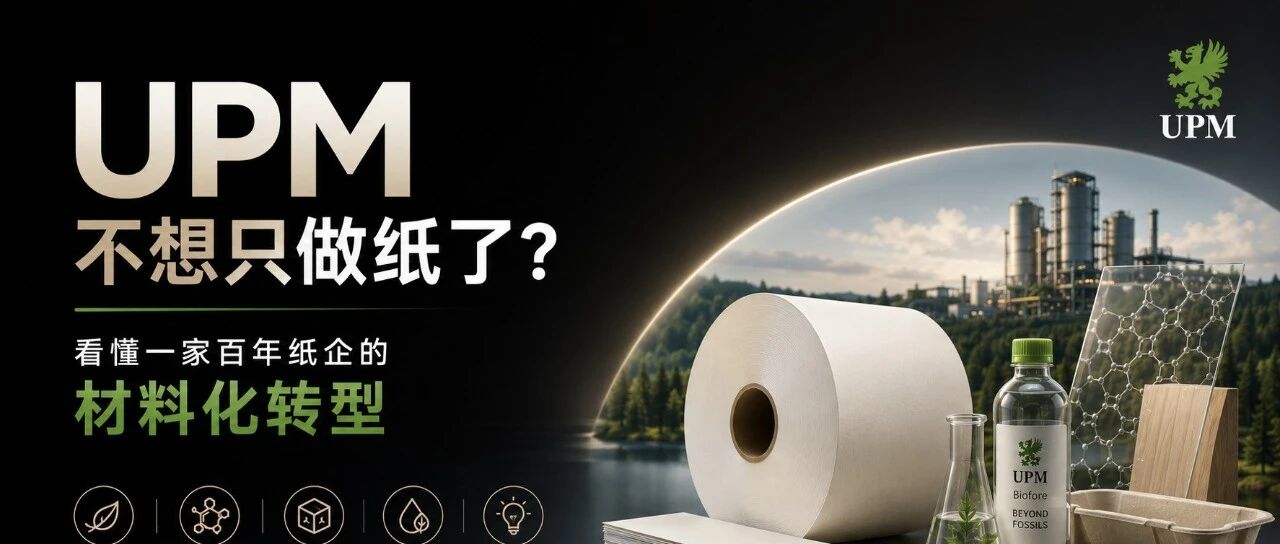
What UPM is really seeking to move beyond is not paper itself, but the practice of applying one set of capital rules across every business.
Global Paper Industry Review / GLOBAL PAPER INDUSTRY
Graphic-paper joint venture, plywood demerger, strong returns from functional materials and the continued Leuna ramp-up: UPM is not leaving paper behind; it is rewriting the capital rules for different assets. UPM's established Chinese-language name is Fen'ou Huichuan.
CURRENT CONTEXT · CHINA'S PAPER INDUSTRY IN H1 2026
Paper and paperboard output | 83.132 million tonnes · +6.0% year on year
Revenue of enterprises above designated size | RMB 689.79 billion · +5.5% year on year
Profit of enterprises above designated size | RMB 19.61 billion · +27.5% year on year
Producer Price Index (PPI) | -1.6% year on year, cumulative
Output, financial data for enterprises above designated size and the PPI have different statistical scopes and cannot be divided to calculate profit per tonne. Together they indicate higher volumes, weak prices and recovering profits—not across-the-board price increases.
Core Assessment
UPM is simultaneously rewriting its units of value and its capital rules: it manages fiber costs on a per-tonne basis, builds value in labels, release materials and packaging functionality per square metre, and validates wood-based chemicals at the molecular level. Every business must ultimately pass the tests of customer qualification, return on capital and operating cash flow.
When additional tonnage no longer translates naturally into pricing power, should a paper company continue managing every business with the same capacity-expansion logic? Finland's UPM provides a revealing and internally conflicted international case.
In 2025, its communication-papers business still generated €181 million in comparable EBIT and a 17.8% comparable return on capital employed. Yet in 2026, UPM is preparing to combine that business with Sappi's European graphic-paper operations. UPM Plywood achieved a 24.3% return on capital, but UPM still plans to demerge and list it separately. Meanwhile, the estimated investment in the Leuna wood-based biochemicals refinery has reached €1.37 billion and the facility remains in ramp-up.
UPM is subjecting mature paper grades, pulp, labels and specialty papers, and emerging biochemicals to different rules—and using return on capital and cash flow to determine whether each path is viable.
Research Boundaries
UPM's industrial roots date to 1871–1872, while the present UPM-Kymmene began operations in 1996. The description “century-old paper company” refers to those industrial roots.
The definitive agreement for the graphic-paper joint venture has been signed and Sappi's shareholders have approved the transaction, but it has not closed. Phase II review in the EU and approvals in the United States, China and other jurisdictions remain pending. The WISA demerger is still subject to the Extraordinary General Meeting on 31 August and other conditions.
UPM's half-year report is unaudited, and UPM Plywood is presented as discontinued operations. Segment ROCE, CEPI member-country data, Chinese statistics and technical-performance data are not interchangeable.
A genuine transformation into materials means subjecting mature assets, growth assets and technology options to different forms of capital discipline.
01 · WHY CHINA SHOULD READ UPM
Why China Should Study UPM Now
UPM today defines itself first as a material solutions company, yet pulp remains its largest capital base. UPM Specialty Materials continues to produce label papers, release papers, flexible-packaging papers, office papers and certain graphic papers. The shift toward materials has not made paper disappear.
In the first half of 2026, sales from continuing operations were €4.781 billion, down approximately 3% year on year. Comparable EBIT rose 17% to €471 million, or 9.8% of sales. Operating cash flow, however, fell from €468 million to €225 million; working capital increased by €339 million; and net debt rose to €3.313 billion.
Capital expenditure in continuing operations fell from €198 million to €109 million, equivalent to 2.3% of sales, with full-year spending expected to be approximately €300 million. Lower capital expenditure did not automatically produce stronger cash flow: working capital and project ramp-up also absorbed cash.
China's paper industry is experiencing volume growth, continued pricing weakness and an early recovery in profits. The next capital allocation—to a new paper machine, an upgrade of existing assets, a pulp line, functional materials or debt reduction—requires a business case more rigorous than “the future market is large.”
Sources: National Bureau of Statistics of China and UPM Half Year Financial Report 2026; statistical and company data are not used to derive cross-source ratios.
02 · FIVE CAPITAL ACCOUNTS
One Company, Five Different Capital Accounts
Looking only at product names makes it easy to interpret UPM as moving from traditional paper into higher-value materials. Average capital employed and comparable ROCE tell a more complex story.
H1 2026 · Average Capital Employed / Comparable ROCE
Fibres | €8.248 billion / 4.9%
Adhesive Materials | €855 million / 17.9%
Specialty Materials | €673 million / 23.7%
Communication Papers | €890 million / 10.1%
Other Operations | €1.432 billion / -6.3%
The segments perform different roles and should not be ranked mechanically; Other Operations also includes biofuels, biochemicals and group services. The figures nevertheless show that the largest capital base does not necessarily generate the highest return, that functional materials already demonstrate observable capital efficiency, and that new biomaterials do not earn high returns merely because they are new.
The divergence within pulp is even greater. Fibres South recorded a comparable EBIT margin of 22.5% in the first half, while Fibres North achieved only 2.6% and posted a €10 million loss in the second quarter alone. Even within captive pulp, forest productivity, wood chips, logistics, energy, exchange rates, maintenance and mill efficiency can produce entirely different outcomes.
For integrated pulp-and-paper companies in China, integration describes the asset structure; it does not replace evidence on delivered wood cost, cash cost per unit, energy, logistics and return on capital.
03 · MATURE BUSINESS GOVERNANCE
Graphic-Paper Joint Venture and WISA Demerger: Mature Businesses First Need Governance Solutions
CEPI Member Countries · 2025 Supply-and-Demand Reference
Graphic papers | Output -7.3% · apparent consumption -7.1%
Packaging paper and board | Output -0.1%
Specialty papers and board | Output +1.2%
2020–2025 | Capacity -5.1% · actual output -9.8% · operating rate 84.9% → 80.7%
Capacity has exited more slowly than output has declined, turning mature European paper grades first and foremost into a supply-and-demand governance problem. CEPI's member countries include the United Kingdom and Norway and are not equivalent to the EU27.
UPM Communication Papers still achieved a 7.3% comparable EBIT margin and a 17.8% comparable ROCE in 2025. By the first half of 2026, its average sales price had declined by 4% and its margin had fallen to 3.7%, although comparable ROCE remained 10.1%. The business still has value, but demand, pricing and capacity have become increasingly difficult to govern.
The proposed joint venture between UPM and Sappi would place their graphic-paper businesses in a 50/50 independent platform with a combined enterprise value of €1.42 billion and estimated annual synergies of approximately €100 million. Sappi's shareholders have approved the transaction, but the EU Phase II review and approvals in the United States, China and other jurisdictions remain pending.
The European Commission is examining coated mechanical magazine paper, woodfree coated paper, one-side-coated paper label face materials and pressure-sensitive label materials. The first two concern horizontal capacity and pricing; the latter two raise questions about competition in face materials, shareholder coordination and restrictions on inputs. A market boundary is not settled simply because the companies have defined it.
Nor have the risks disappeared. UPM would receive cash, shareholder-loan receivables and a 50% equity interest, while certain pension and other liabilities would transfer to the joint venture. Direct operating exposure would be transformed into equity, loan and future-dividend risk.
The WISA demerger also carries real costs. First-half sales were €240 million and the comparable EBITDA margin was 13.8%, yet operating cash flow moved from positive to slightly negative. Demerger and listing costs are expected to total €31–33 million. Operating independently requires rebuilding reporting, systems, legal structures, financing and governance. As of 18 August, the Extraordinary General Meeting had not yet taken place.
Stora Enso has chosen to focus further on packaging, while Mondi continues to manage uncoated paper and corrugated packaging within a coordinated system. The common trend among European paper companies is not that they are all leaving paper, but that they are ceasing to manage every fiber asset under the same capital logic.
04 · FUNCTION AND MOLECULE
Two Paths to Materials: Surface Functionality and Wood-Based Molecules
UPM's materials businesses span three levels of maturity: profitable self-adhesive materials, functional substrates that remain predominantly paper-based, and wood-based chemicals still being scaled industrially. They should not be compressed into a single “premiumization” curve.
Interface materials | UPM Adhesive Materials recorded first-half sales of €861 million, broadly unchanged, and comparable EBIT of €76 million, representing an 8.9% margin. It manages a self-adhesive system comprising face materials, adhesives, release liners, coating, slitting and application technology. Label selection should follow the recycling process of the primary packaging—not an assumption that either paper or plastic is always superior.
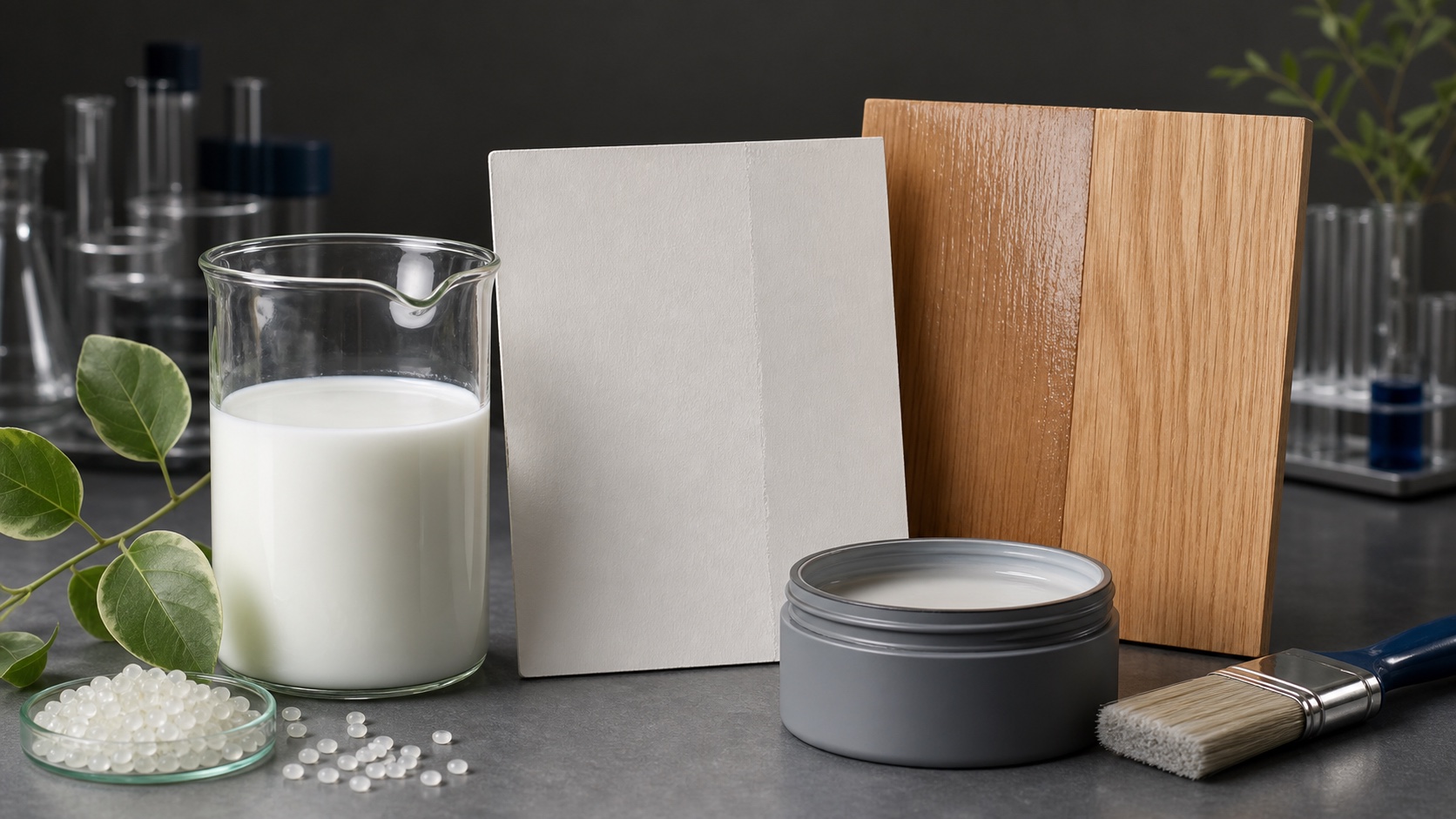
Functional substrates | UPM Specialty Materials reported a 3.4% increase in deliveries, a 4.1% decline in sales and a 9.6% increase in comparable EBIT. The half-year report states that the profit increase came mainly from lower depreciation, while higher volumes and improved variable costs broadly offset lower prices. A materials label is not a substitute for a functional premium.
Changshu is UPM's most tangible interface in China. The company website reports annual capacity of approximately 1.4 million tonnes and an Asian research-and-development capability; the product safety profile states that PM3 at Changshu produces UPM Solide™ Lucent barrier base paper. Food-contact controls and performance claims for the base paper do not cover coatings, inks, adhesives or the final package, and they cannot be used to infer the profitability or order book of a single mill.
The Complete Structure, Not a Single Sheet
Barrier solution | UPM Asendo™ base paper + Michelman coating + BOBST process; oxygen transmission rate of 140 cm³/(m²·day) at 23 °C and 50% relative humidity.
Repulping solution | A specific oneBARRIER structure achieved a material yield of 94.6%; a technical yield is not the same as the actual recycling rate in the market.
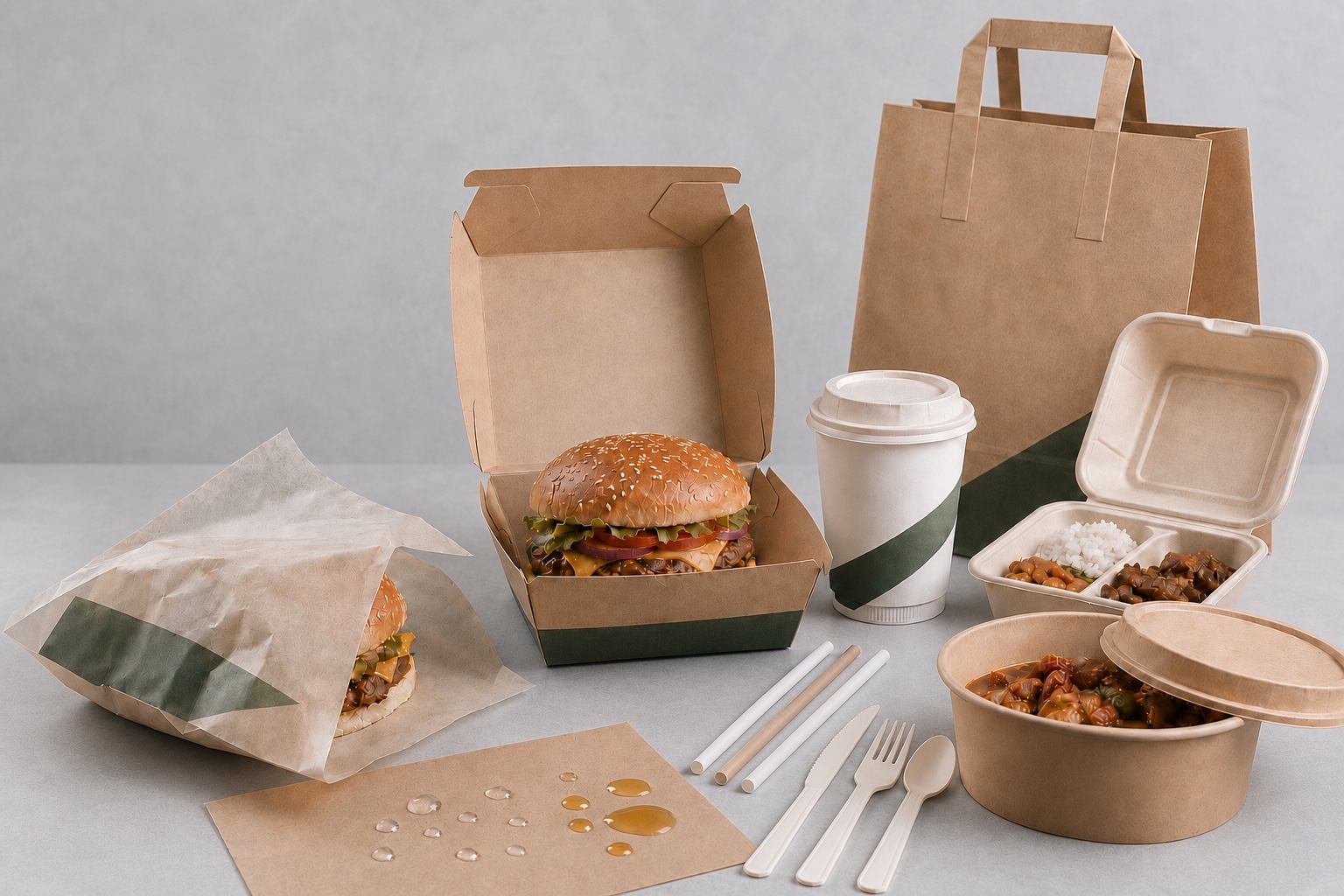
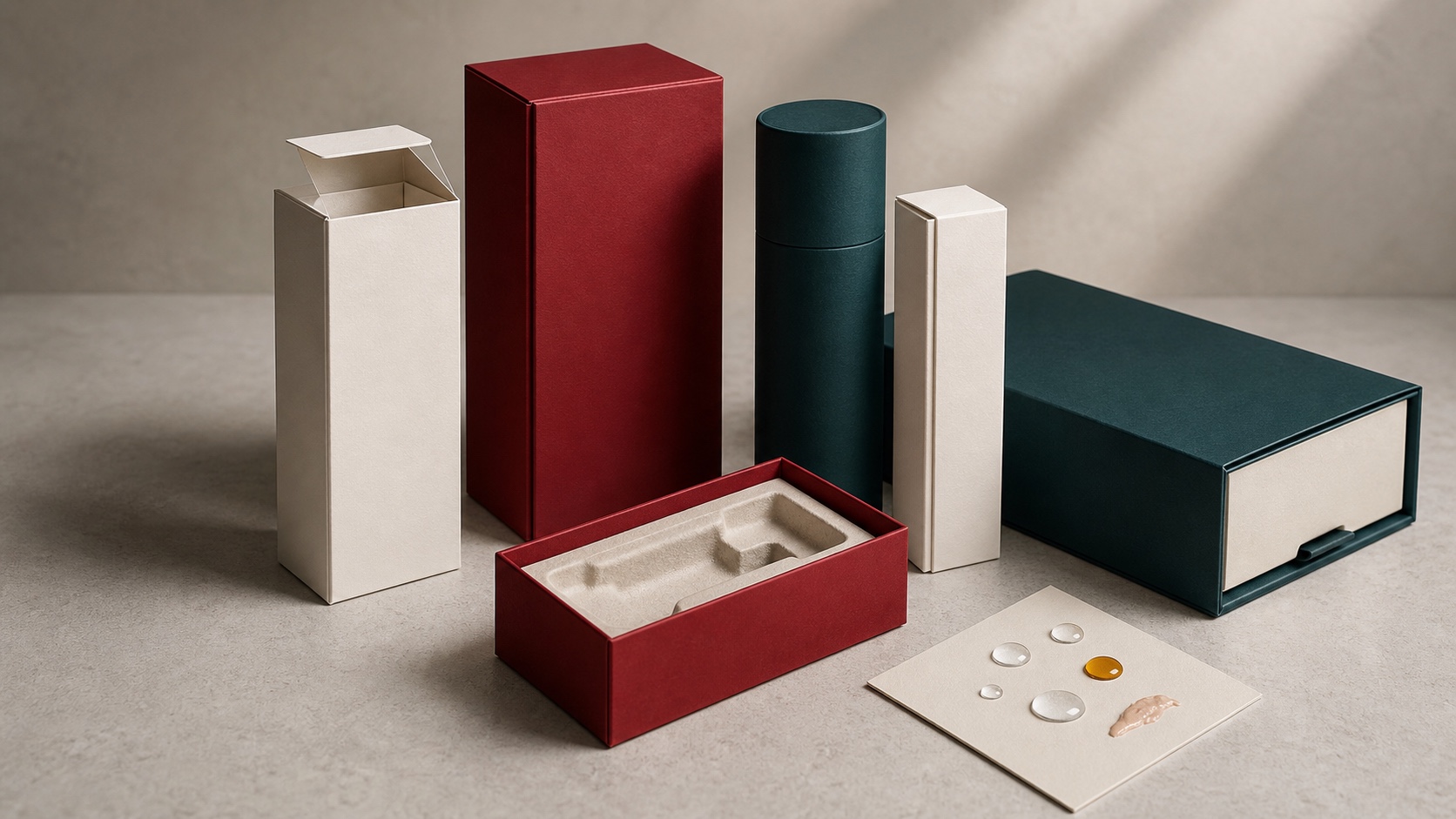
These examples show that recyclable paper-based packaging does not have to pursue the absolute elimination of aluminum, coatings or polymers. What matters is whether the complete structure can be disintegrated and screened in the target process while retaining fibers of sufficient quality.
Wood-based molecules | The latest estimated investment in Leuna is €1.37 billion, approximately 2.49 times the initial €550 million estimate announced in 2020. Because the dates, scopes and price assumptions differ, the change is used to illustrate scale-up risk in a new industrial facility—not as an emotive judgment.
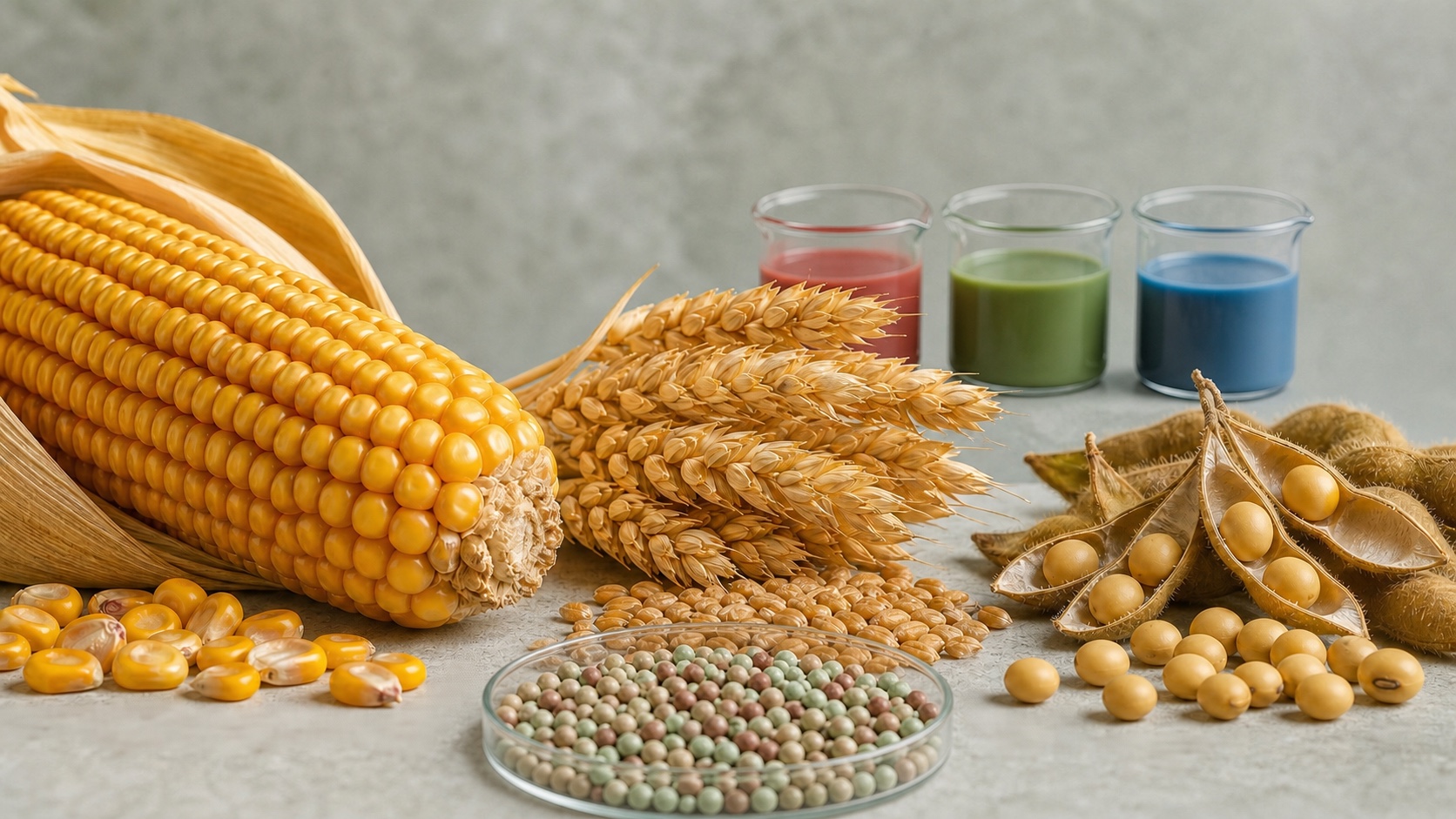
Industrial sugars have already been delivered commercially. Renewable functional fillers and other lignin derivatives are still expected to begin deliveries in the third quarter; no commercial deliveries of BioMEG or BioMPG have yet been confirmed. Full production and positive earnings in 2027 remain management targets.
Renewable functional fillers are not one-for-one substitutes for carbon black or silica. With a density of approximately 1.3 g/cm³, a polar character and a tendency to absorb moisture, they operate mainly in the low-to-medium reinforcement range and require reformulation, compounding, molding and final-part qualification. “Carbon negative” applies only within the company's disclosed cradle-to-gate boundary.
The Lappeenranta biorefinery has used crude tall oil to produce renewable diesel and naphtha commercially for ten years. It demonstrates that a by-product can become a standalone product—and that a mature commercial line and a first-of-a-kind molecular pathway require different return clocks.
05 · CHINA ACTION COORDINATES
Action Coordinates for China's Paper Value Chain
China Paper Association data show that in 2025, output of specialty paper and paperboard increased by 5.15%, while consumption declined by 2.18% and exports rose by 14.29%. Moving into specialty paper does not mean domestic functional demand, pricing and profit have risen in step.
Pulp producers | Track delivered wood cost, cash cost per unit, energy, logistics, maintenance losses, realized pulp prices and exchange rates; do not let “captive pulp” substitute for cost evidence.
Integrated paper mills | Track capacity utilization, the sales-to-output ratio, realized prices, inventory days, return on capital, and maintenance versus expansion capital expenditure; mature grades, growth grades and technology options cannot share a single return clock.
Specialty and functional papers | Track qualification cycles, stable production yield, repeat-purchase rates, realized price per square metre, export concentration and converting complaints; a premium-sounding name does not establish a functional premium.
Chemical and coating suppliers | Record the base paper, coat weight, line speed, temperature and humidity, barrier performance, heat sealing, release performance, food contact, repulpability and applied cost per unit; performance measured in a drum cannot substitute for the final package.
Equipment suppliers | Track energy, water and steam consumption, downtime, ramp-up, multi-substrate changeovers, online inspection and investment payback. Opportunities extend beyond new paper machines to low coat weights, multilayer water-based coating, drying, slitting and repulpability-assessment equipment.
Packaging converters and brand procurement teams | Track forming speed, scrap rates, material downgauging, shelf life, customer complaints, recycling compatibility and repeat purchases. A lower material price does not reduce total packaging cost if it creates more scrap or product loss.
What to Watch Over the Next Two to Three Years: Whether the graphic-paper joint venture secures approval and can govern supply and demand; whether functional materials can sustain volumes and returns after restocking fades; whether Leuna can expand deliveries and reduce segment losses; whether lower capital expenditure and working capital translate into cash flow; and whether Chinese assets such as Changshu can connect base paper, coatings, equipment and customer qualification.
CONCLUSION · THREE VALUE SCALES
UPM Has Not Left Paper Behind—It Is Rewriting Units of Value and Capital Rules
Pulp remains the fiber platform; functional papers remain an important part of advanced materials; Changshu continues to provide paper production and R&D capacity for Asia; and the proposed joint venture means UPM plans to retain a 50% interest in the graphic-paper business.
The real change is that every tonne of fiber must prove its resource cost, every square metre of material must prove its converting functionality, wood-based molecules must pass customer qualification and industrial scale-up, and every euro of capital must ultimately demonstrate returns and cash generation.
The direction of the restructuring is clear, but it is not complete: the joint venture and demerger remain pending; improvement in functional-material earnings does not come entirely from pricing; Leuna remains in ramp-up; and group cash flow has not strengthened in step with profit.
The future unit of competition will encompass the resource cost of each tonne of fiber, the functional value of each square metre of material, and whether every capital commitment can generate repeatable customer cash flows.
BIOTEN Packaging · Industry Insights · Research Notes
This article uses regulatory and industry statistics to establish market conditions, official financial reports to analyze capital returns, corporate technical materials to define the status of material solutions, and the author's analysis to connect these findings to decisions in China. Information was verified through 18 August 2026. Facts, company disclosures, calculated figures, the author's judgments and management forecasts are identified separately.
China's output data, financial data for enterprises above designated size, PPI and paper-grade statistics have different scopes; no industry profit per tonne is calculated. CEPI member countries are not equivalent to the EU27. UPM segment capital employed and ROCE serve different purposes and are not used as a simple business ranking.
UPM's half-year report is unaudited, and UPM Plywood is presented as discontinued operations. Sales and earnings from continuing operations are not mixed with group cash flow and debt. Transaction enterprise values, estimated synergies, demerger costs and project targets are not presented as realized results.
Performance claims for functional papers, adhesive materials, barrier packaging, wood-based chemicals and renewable functional fillers are limited to the specified substrates, structures, test conditions, recycling processes and life-cycle boundaries. Base paper does not represent the final package; technical recyclability is not the same as recycling at scale; and first delivery does not establish stable utilization, repeat orders or positive cash flow.
The value-chain collaboration opportunities discussed in this article are research recommendations and do not constitute an endorsement of a partnership, product certification, investment advice or a basis for any transaction.
BIOTEN Observer · Data and Verification Sources
01 | UPM Half Year Financial Report 2026
02 | UPM Annual Report 2025
03 | Definitive Agreement for the UPM–Sappi Graphic-Paper Joint Venture
04 | European Commission Phase II Review of Case M.12270
05 | Official Journal of the European Union, Case M.12270
06 | CEPI Key Statistics 2025
07 | Sappi Third Quarter Results, Financial Year 2026
08 | UPM WISA Demerger Materials
09 | WISA Supplemented Prospectus, 17 August
10 | UPM Company History
11 | UPM Strategy and Business Portfolio
12 | UPM Adhesive Materials
13 | UPM Specialty Materials
14 | UPM Changshu Mill
15 | UPM Solide™ Lucent Product Safety Profile, Changshu
16 | UPM–Michelman–BOBST Joint Solution
17 | UPM oneBARRIER Structure Description
18 | UPM ProCycle™ Label Portfolio
19 | UPM Leuna Initial Investment Announcement
20 | UPM BioMotion™ RFF Technical Characteristics
21 | UPM RFF Life-Cycle Boundary
22 | UPM Lappeenranta Biorefinery
23 | Stora Enso Half-Year Report 2026
24 | Mondi Half-Year Results 2026
25 | National Bureau of Statistics of China: Profits of Industrial Enterprises Above Designated Size
26 | National Bureau of Statistics of China: PPI, June 2026
27 | National Bureau of Statistics of China: Paper and Paperboard Output
28 | China Paper Association, 2025 Annual Report on China's Paper Industry