
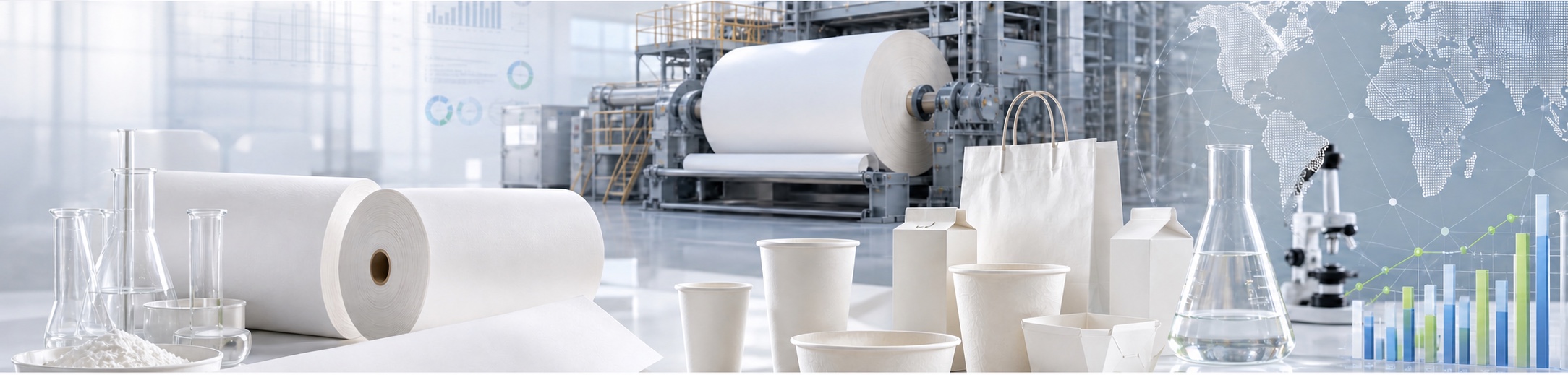
Replacing plastic with paper in food packaging has been discussed for years. Yet genuine substitution has still not taken place. The issue is not whether enough environmentally preferable materials exist; it is that a complete substitution system has never truly been established.
Why has paper-for-plastic substitution remained under discussion and repeated trial for so many years without producing a stable pathway at scale? The problem is not a shortage of alternative materials. A viable substitution route is never determined by a single performance metric. Several critical conditions must be satisfied at the same time: the material should be bio-based, compatible with paper recycling and repulping, and supported by composting as an end-of-life safeguard.
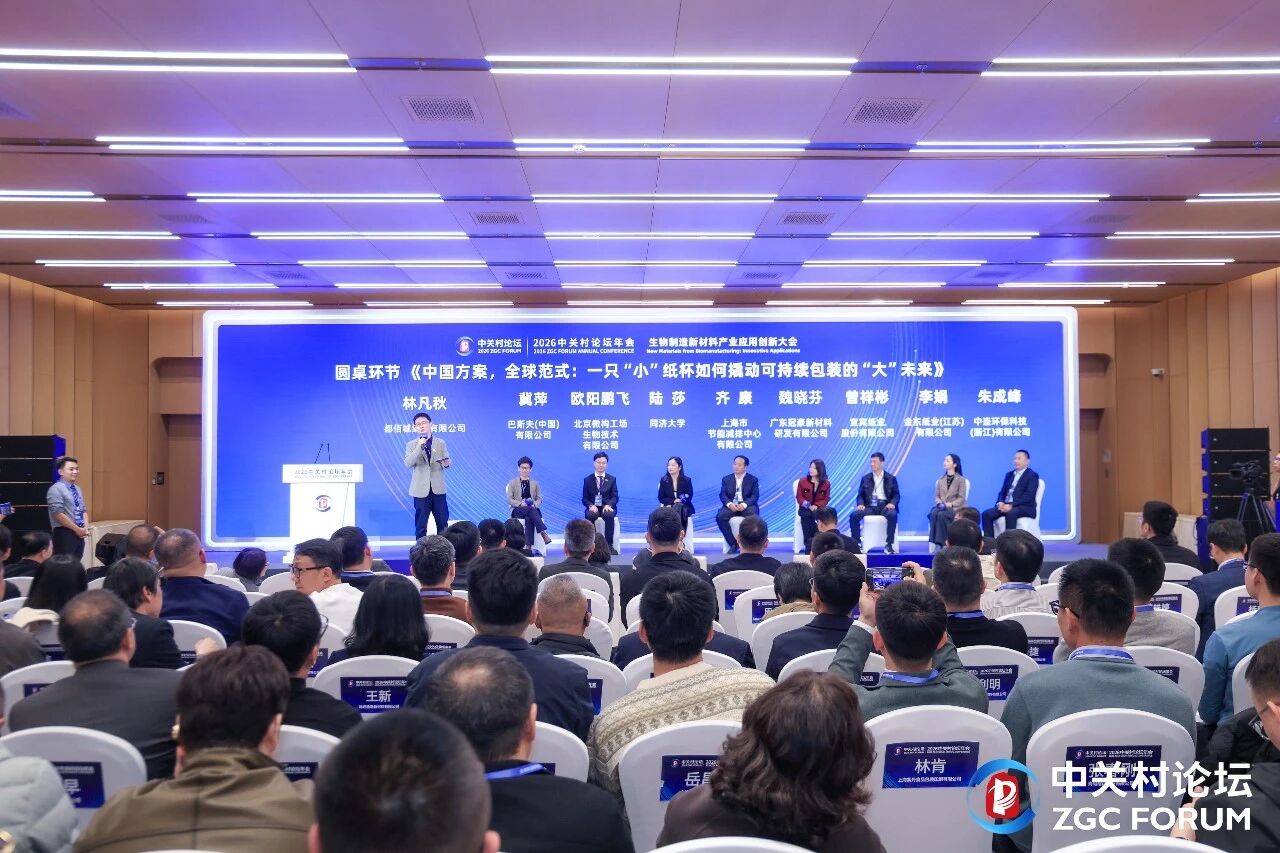
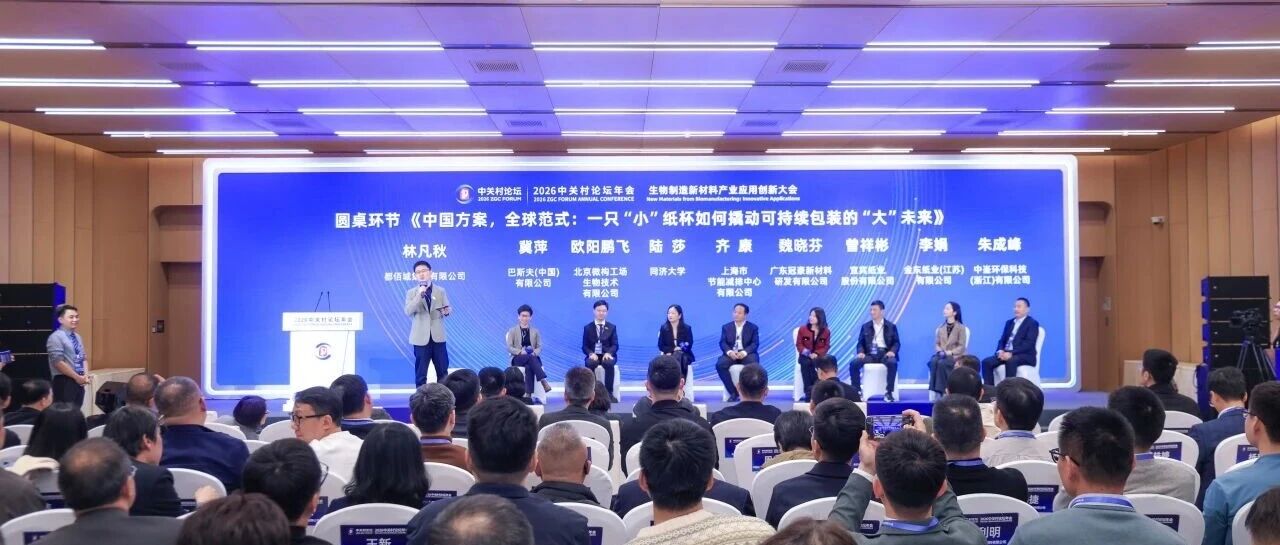
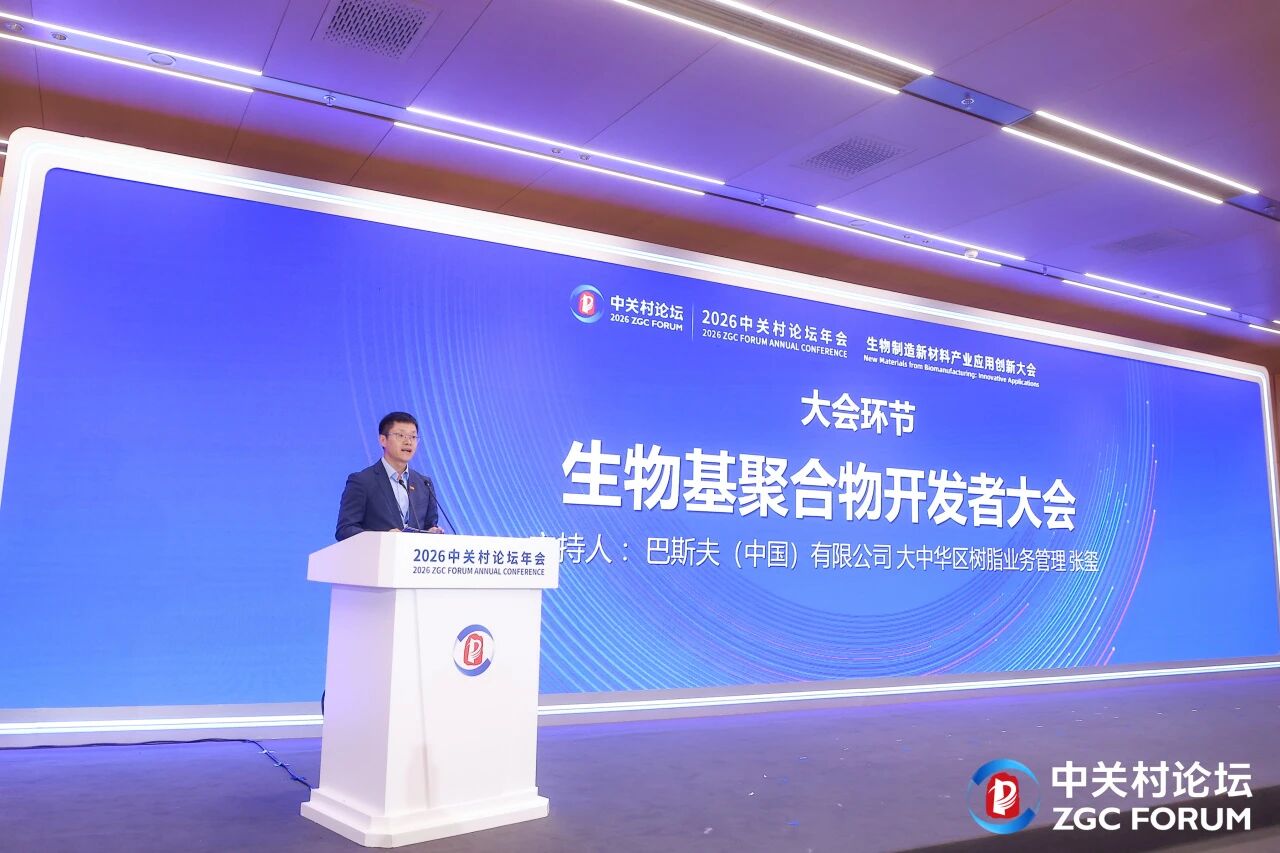
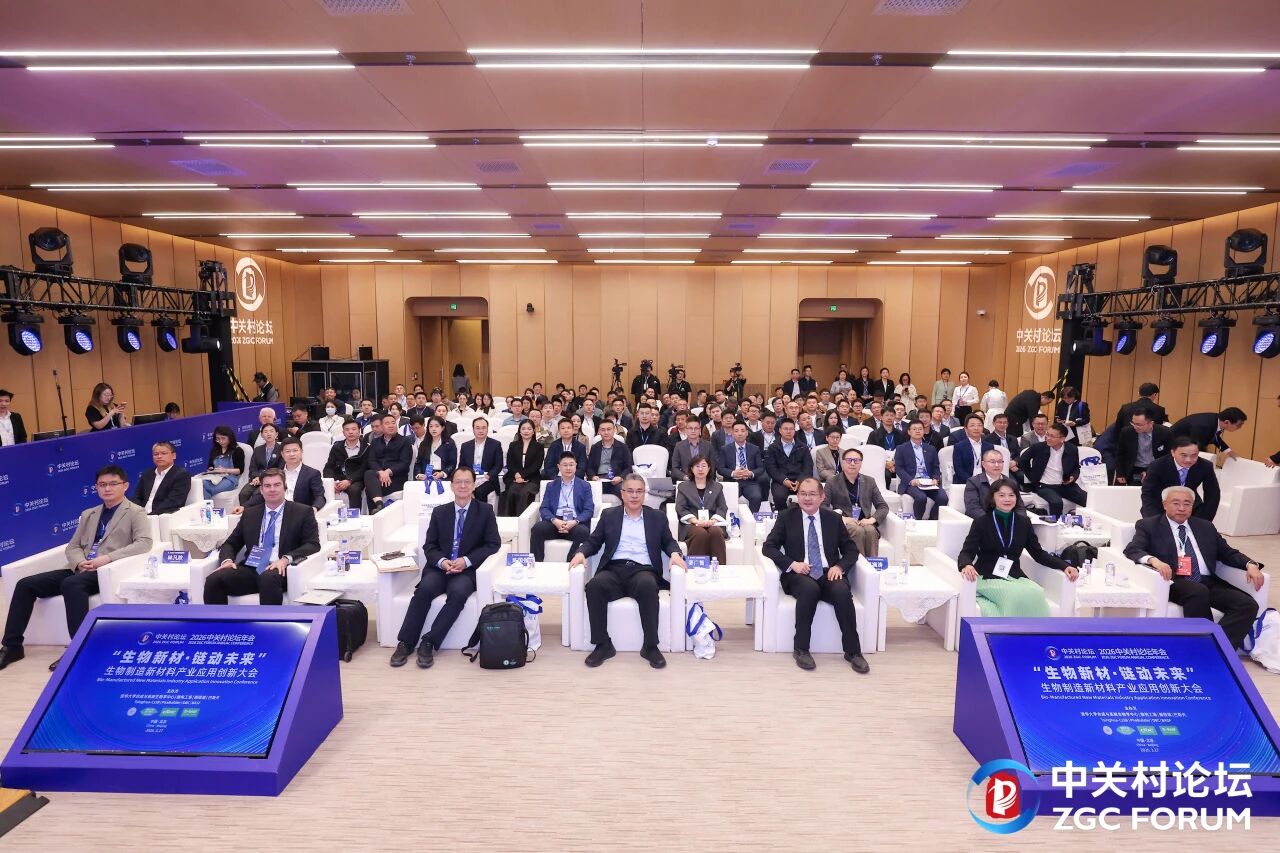
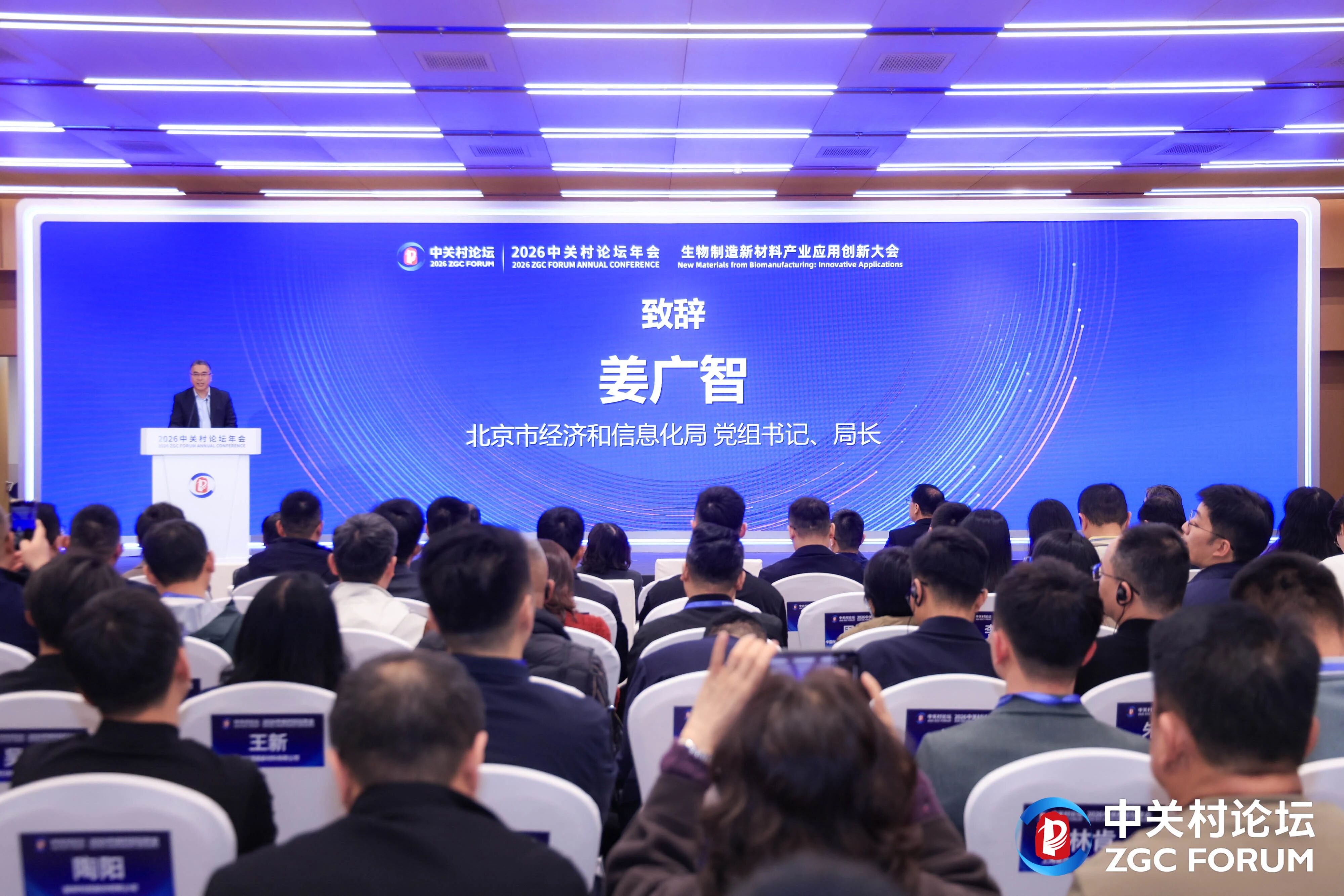
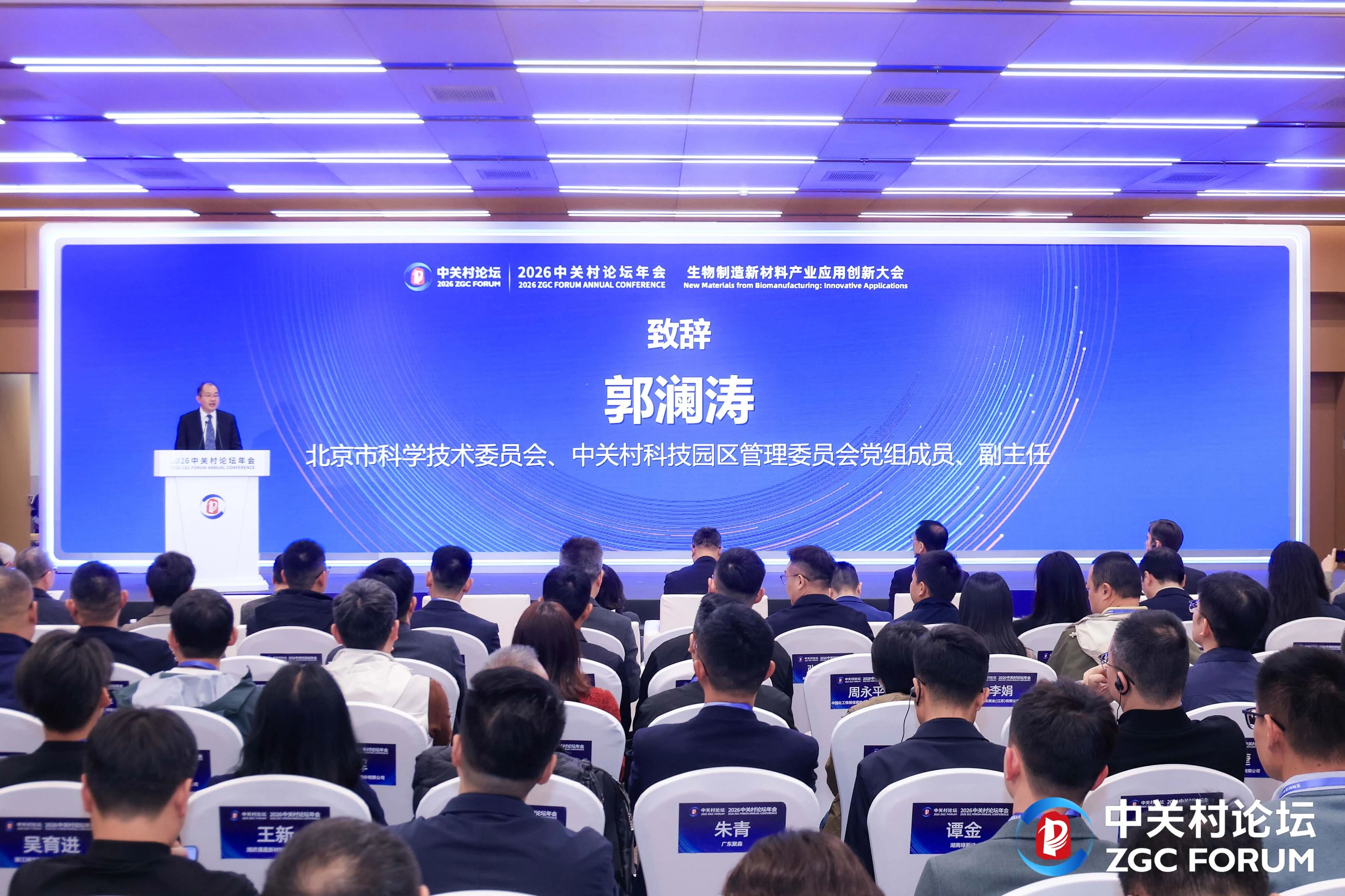
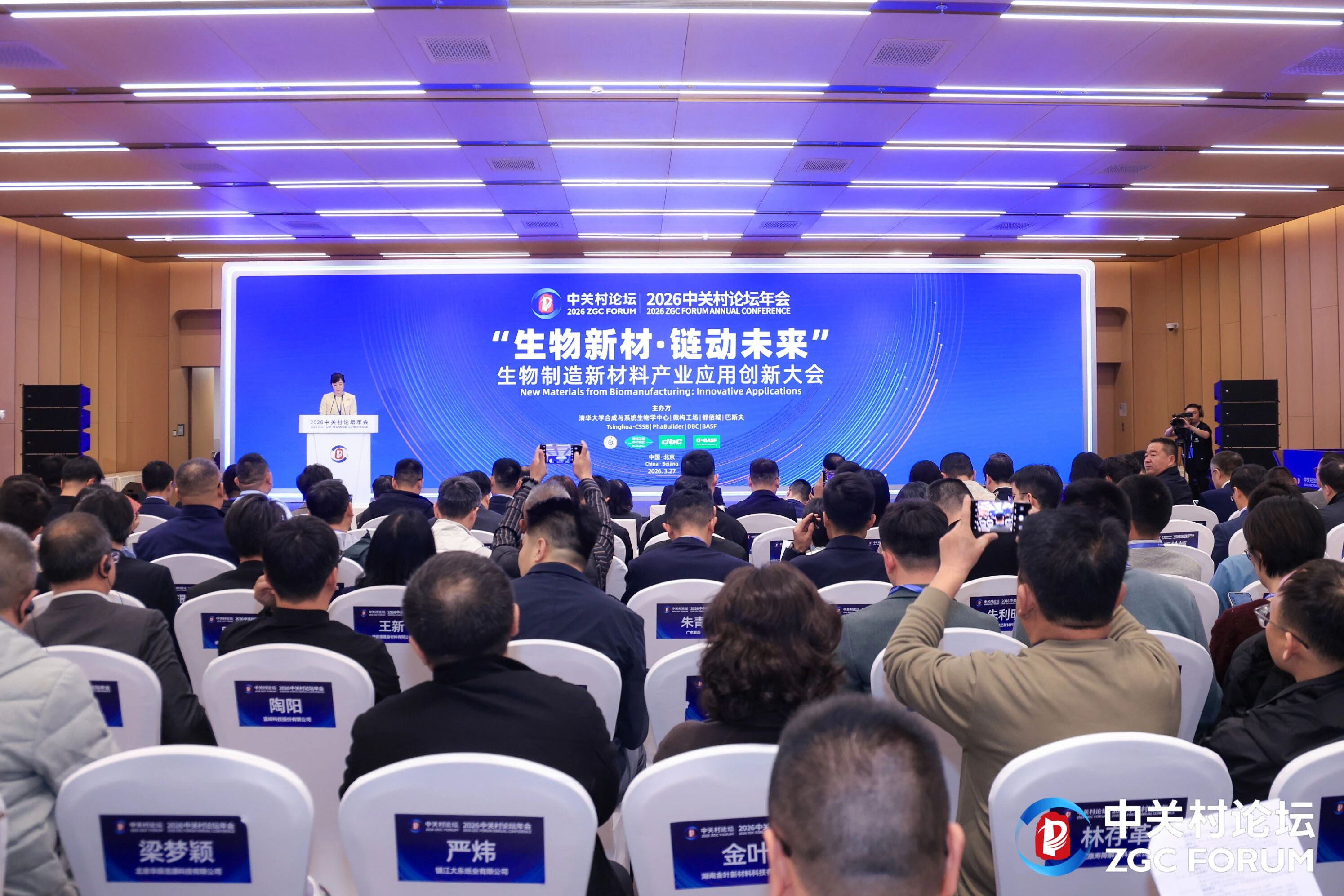
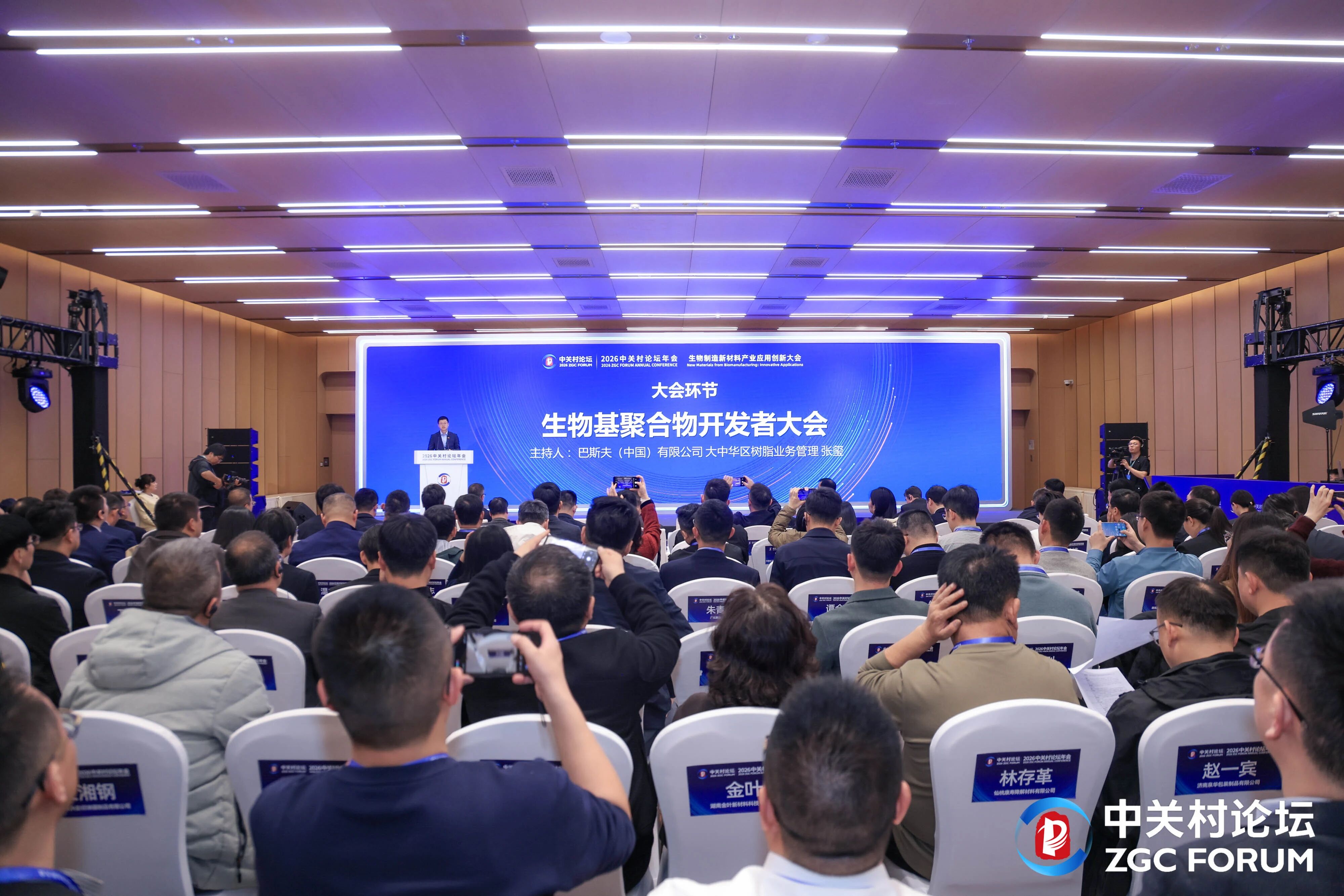
Against this background, DBC joined BASF, Bluepha and the Center for Synthetic and Systems Biology at Tsinghua University in co-hosting the ZGC Forum conference on innovative applications of biomanufacturing materials. At the conference, DBC presented a clearer assessment based on its work with bio-based polymer emulsions and their engineering pathway: bio-based waterborne barrier technology is becoming a defined direction for the global development of paper packaging and may provide an industrial solution led by Chinese innovation and advanced through international policy coordination.
Many earlier solutions were not without value, but most addressed only part of the problem. PE-coated paper, for example, became widely used because it combined processing performance with cost efficiency while supporting the environmental narrative of paper replacing plastic. Polyethylene itself can be recycled, but once laminated to paper, effective separation of the paper fibres becomes difficult and the circular pathway is obstructed. Although its supply chain and processing system are mature, the structure does not align with plastic-reduction goals and has not closed the loop for recovery and reuse.
Likewise, some bio-based extrusion-coating routes still present difficulties for recycling and repulping. Materials described as degradable often depend on industrial-composting conditions and may not form a broadly applicable solution within real-world collection and end-of-life systems. Other approaches improve circular use but lack the essential contribution of reducing fossil-plastic use and carbon impacts at the source. This shows that industrial viability does not depend simply on whether a more environmentally preferable material exists. It depends on whether one material system can address source reduction, processing and performance, circulation, and end-of-life management together.
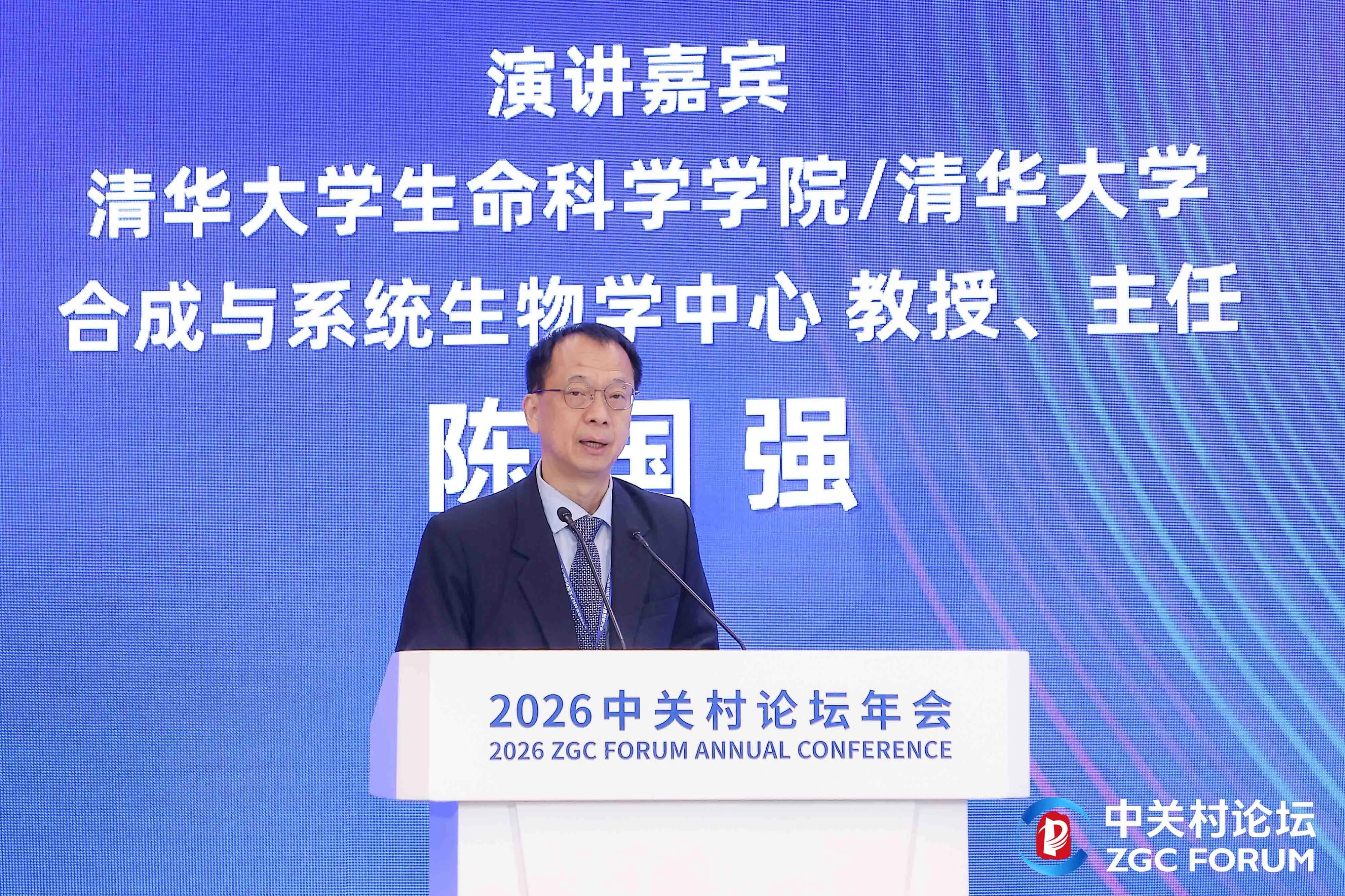
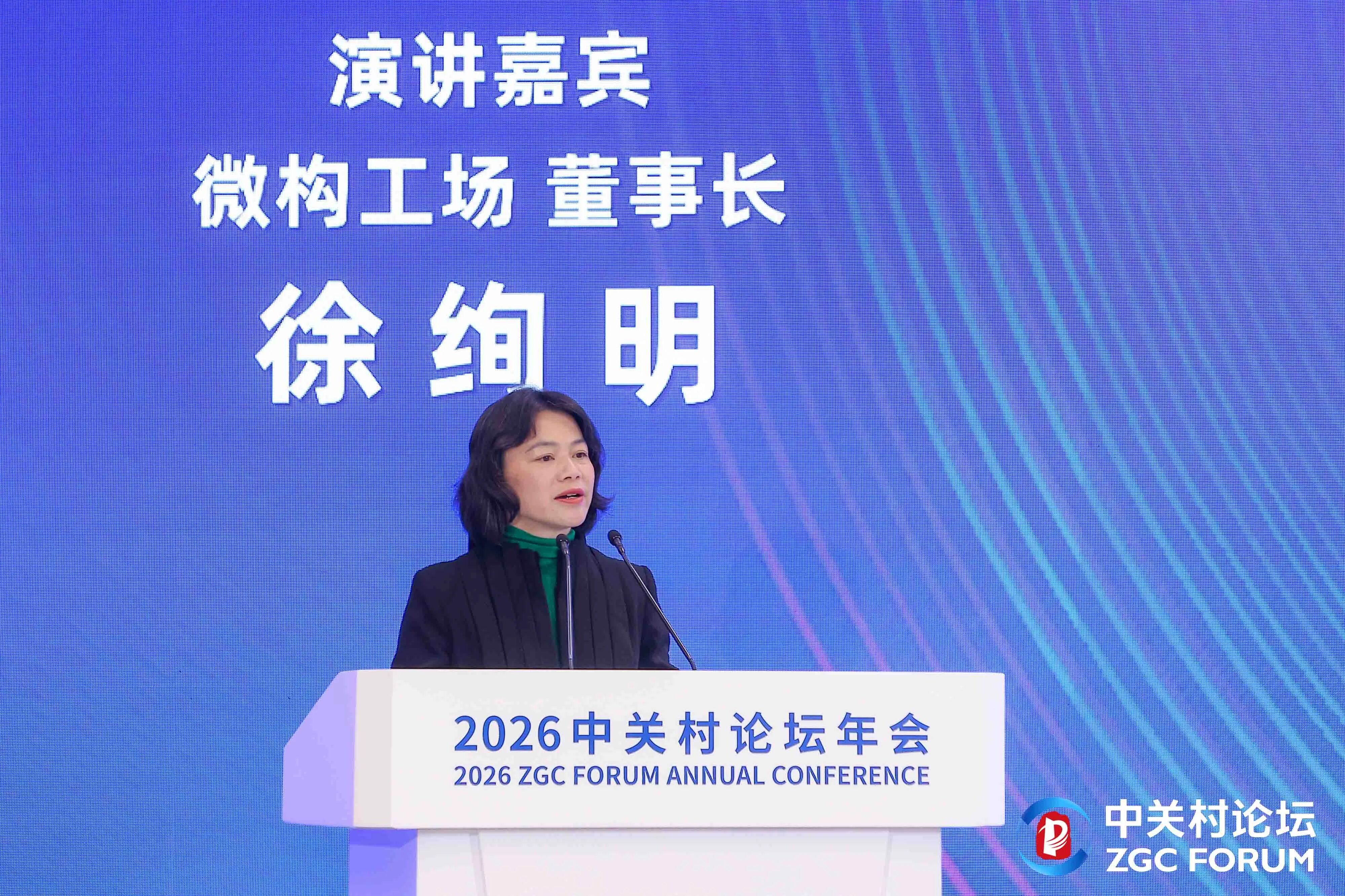
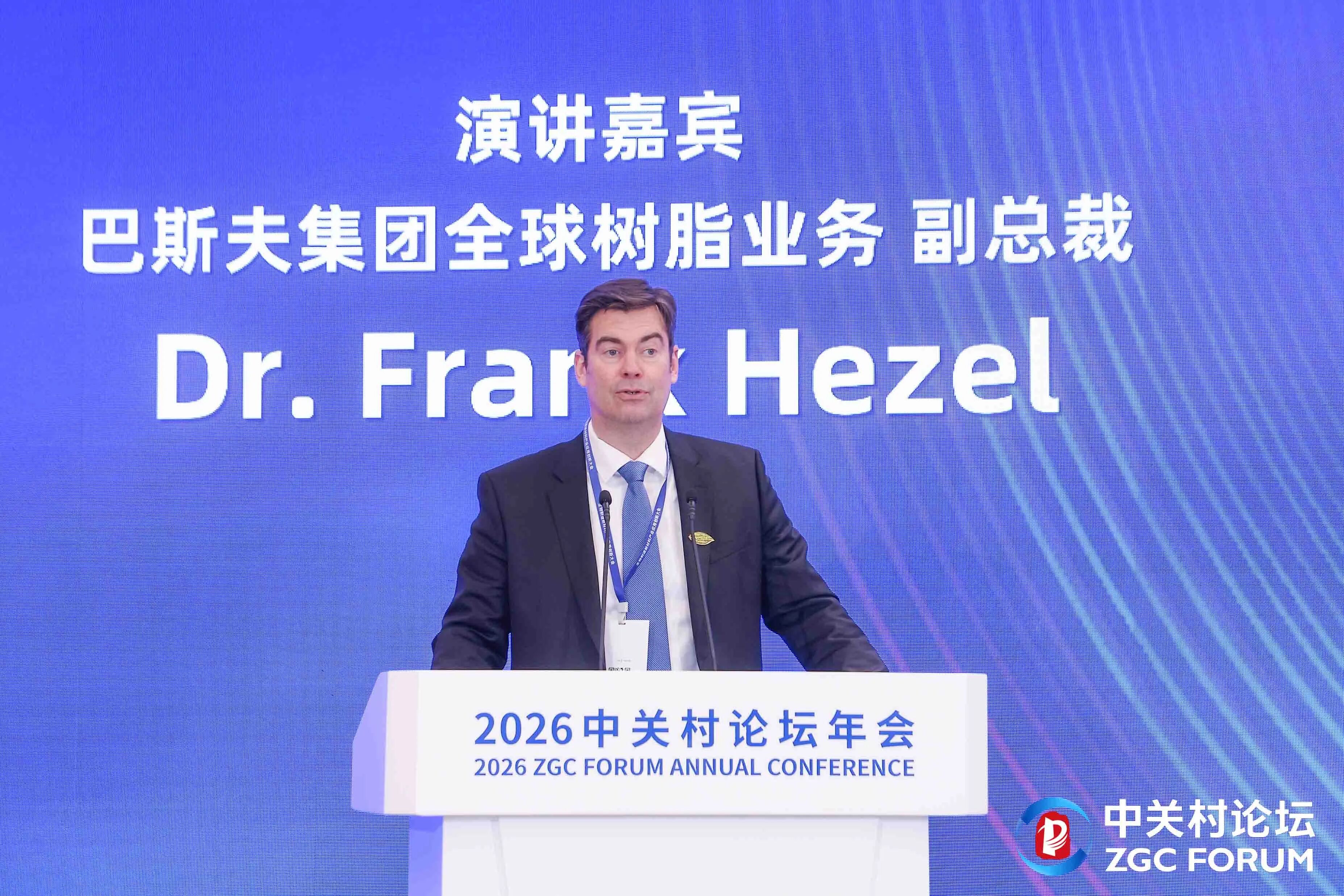
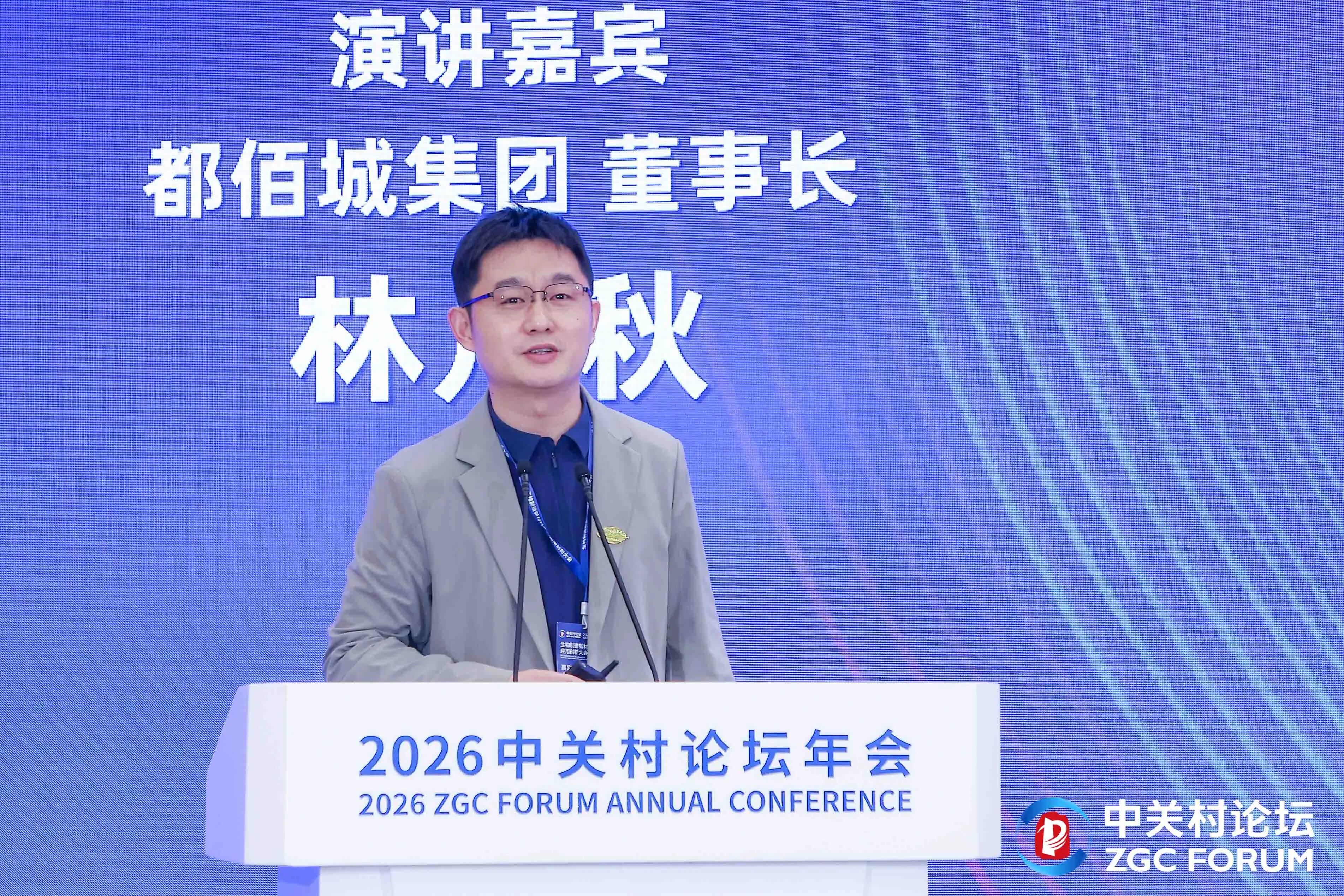
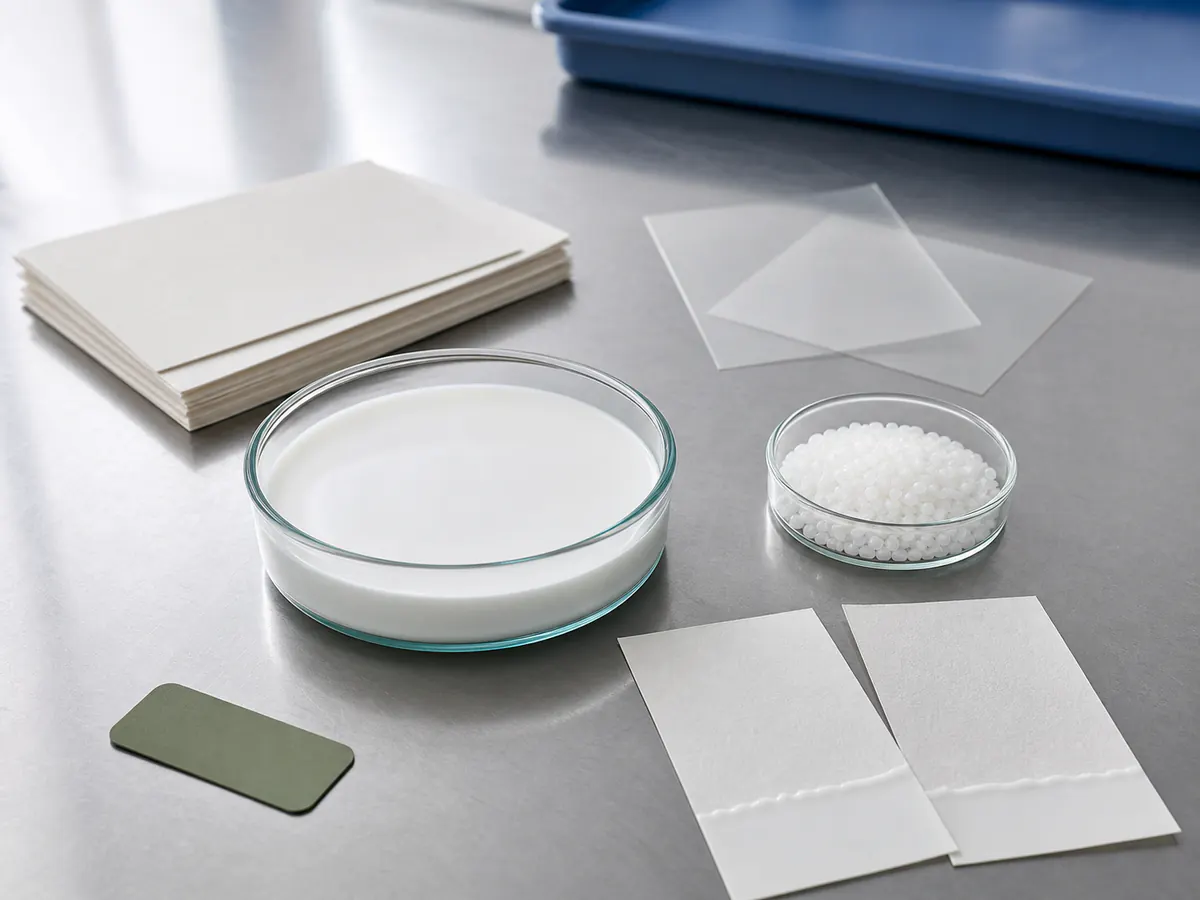
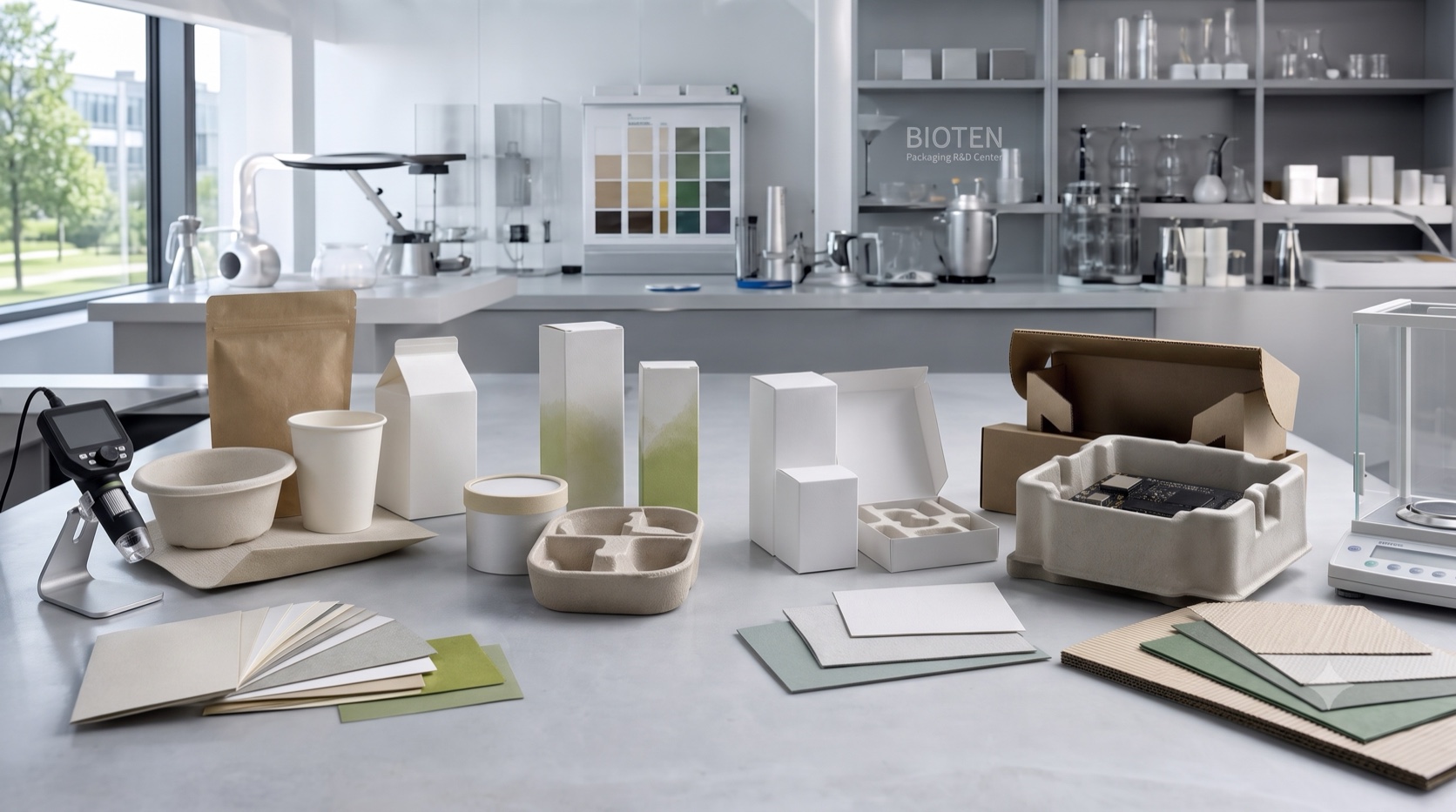
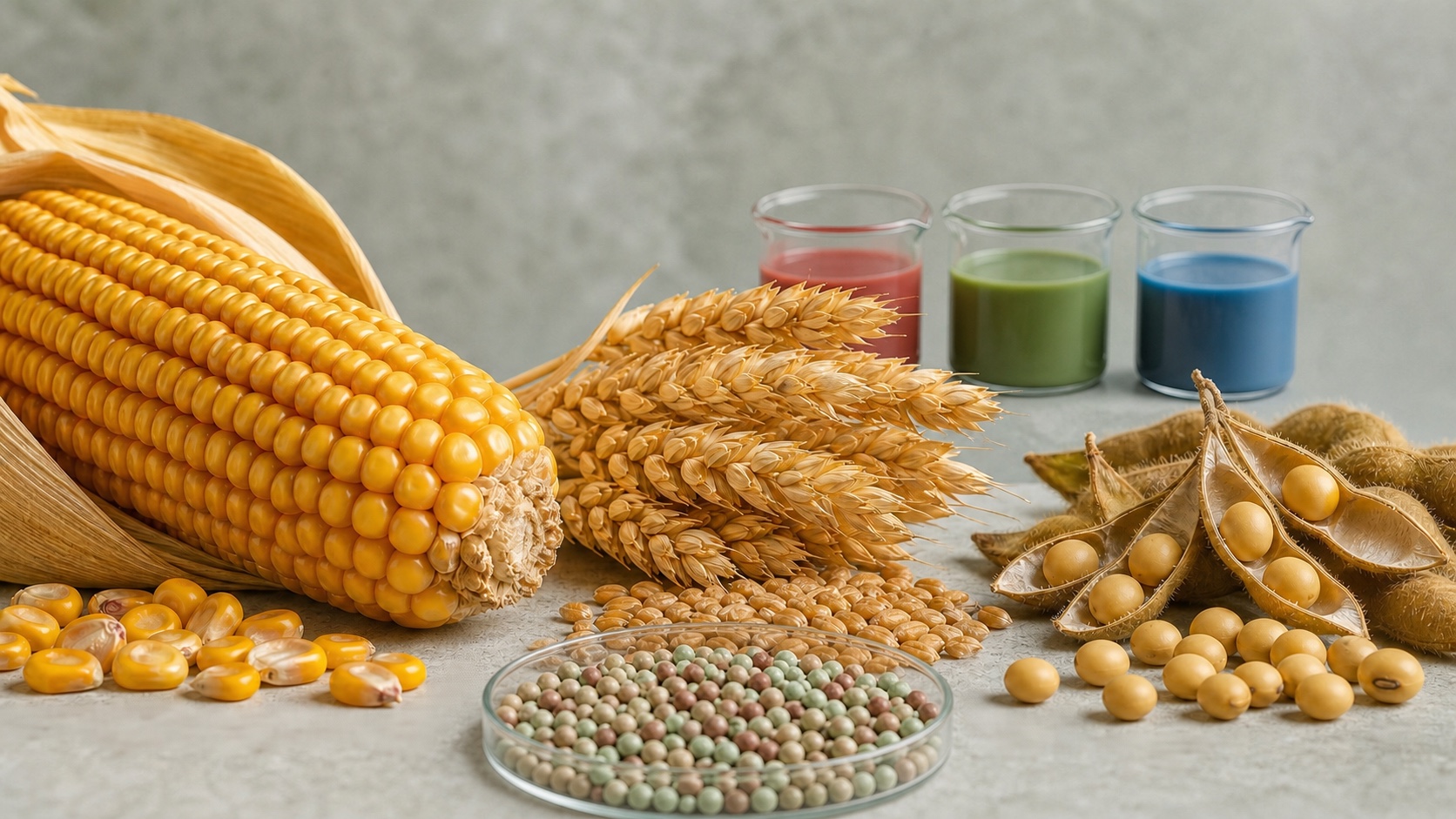
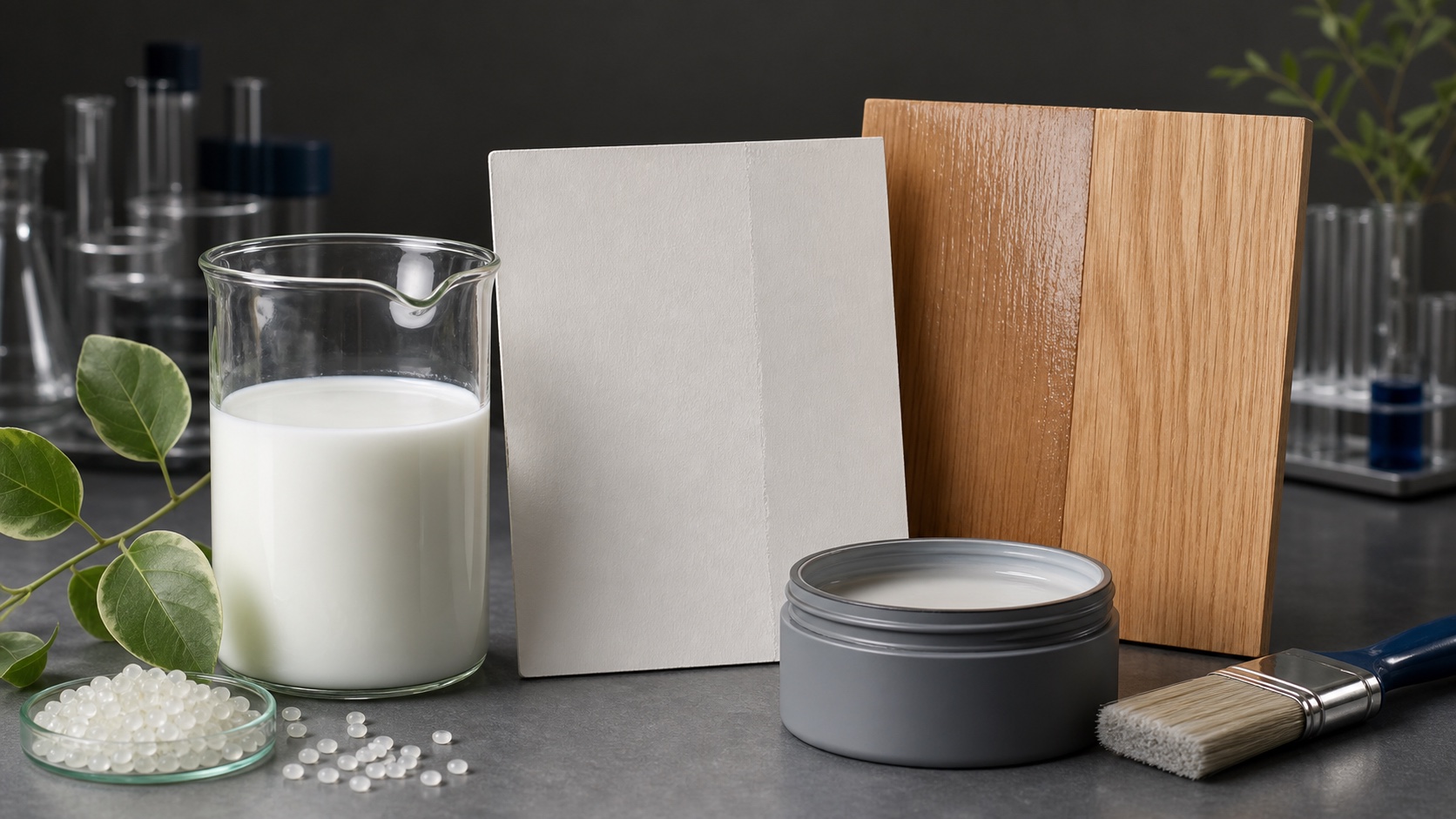
This is also why DBC continues to advance the waterborne engineering pathway for PHA, or polyhydroxyalkanoates. The value of PHA extends beyond the word “biodegradable.” It creates an opportunity to bring several capabilities required for upgrading paper-based food packaging into one system. Its inherently bio-based character responds to plastic- and carbon-reduction objectives at the source. In a waterborne system, it aligns more closely with paper-barrier and circularity principles, creating new possibilities for high barrier performance and compatibility with recycling and repulping. It may also offer natural degradation under demanding end-of-life conditions, providing a practical composting safeguard.
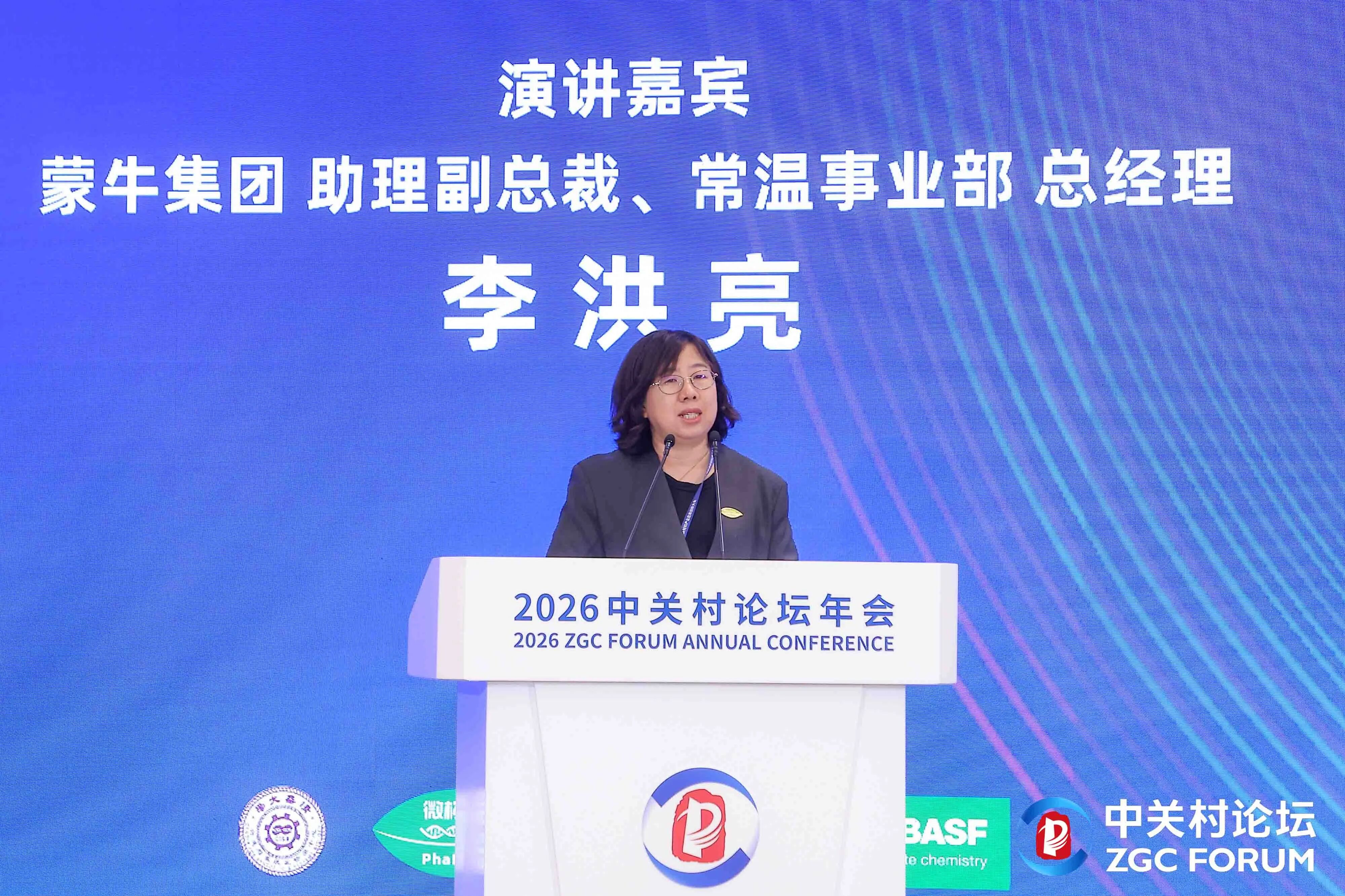
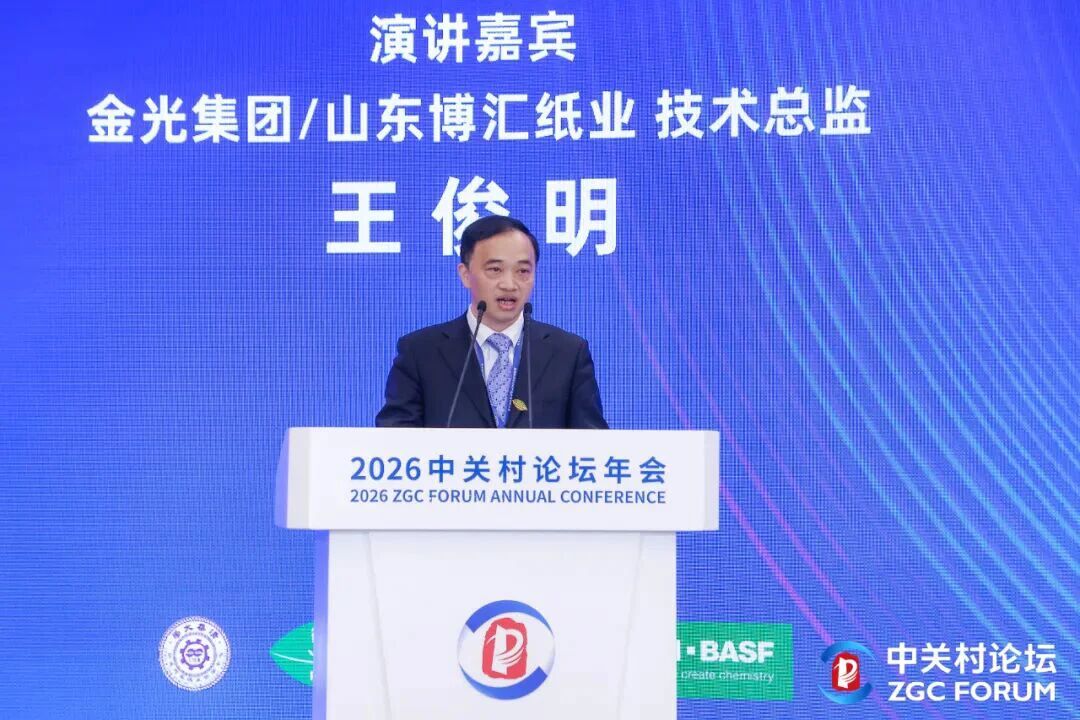
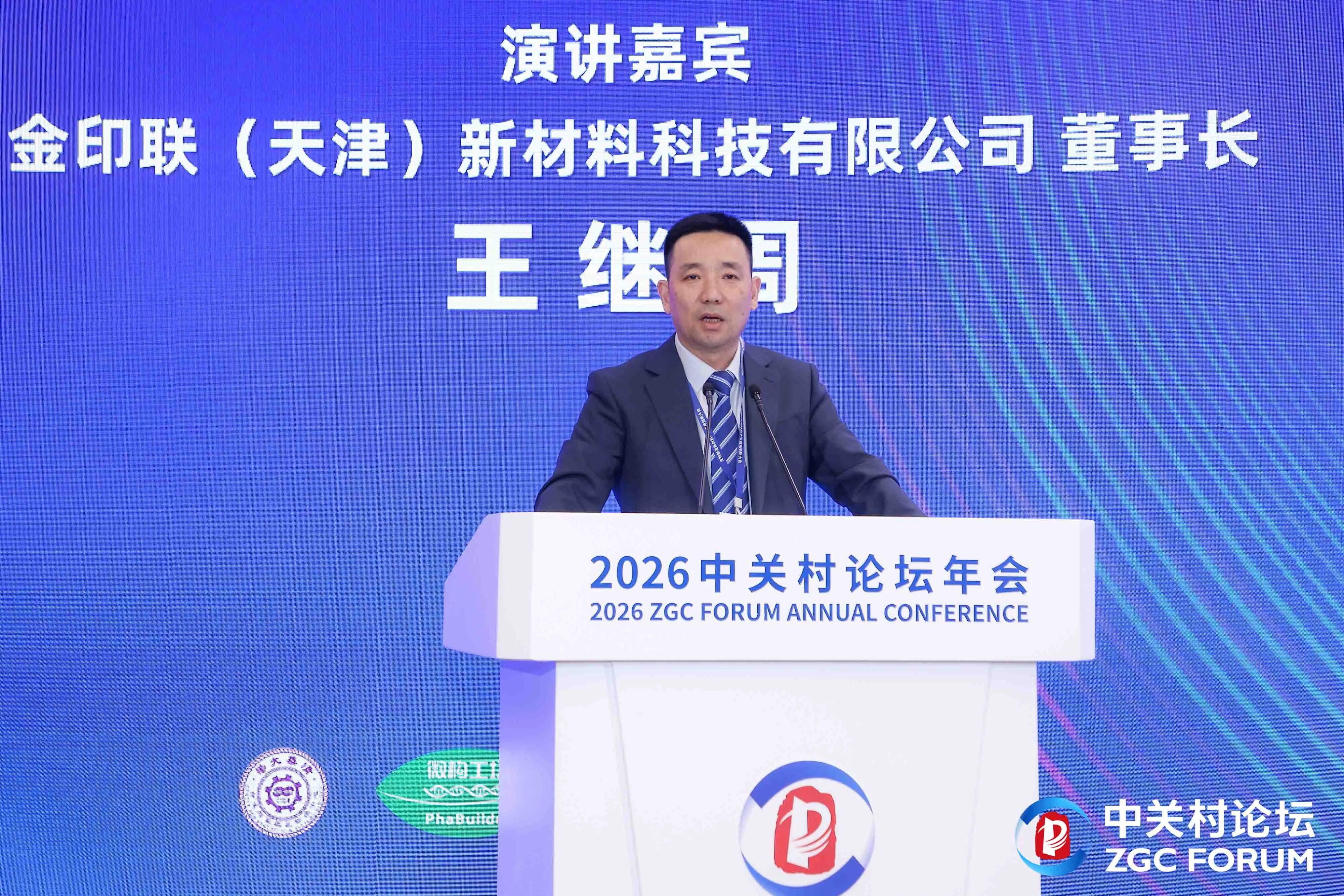
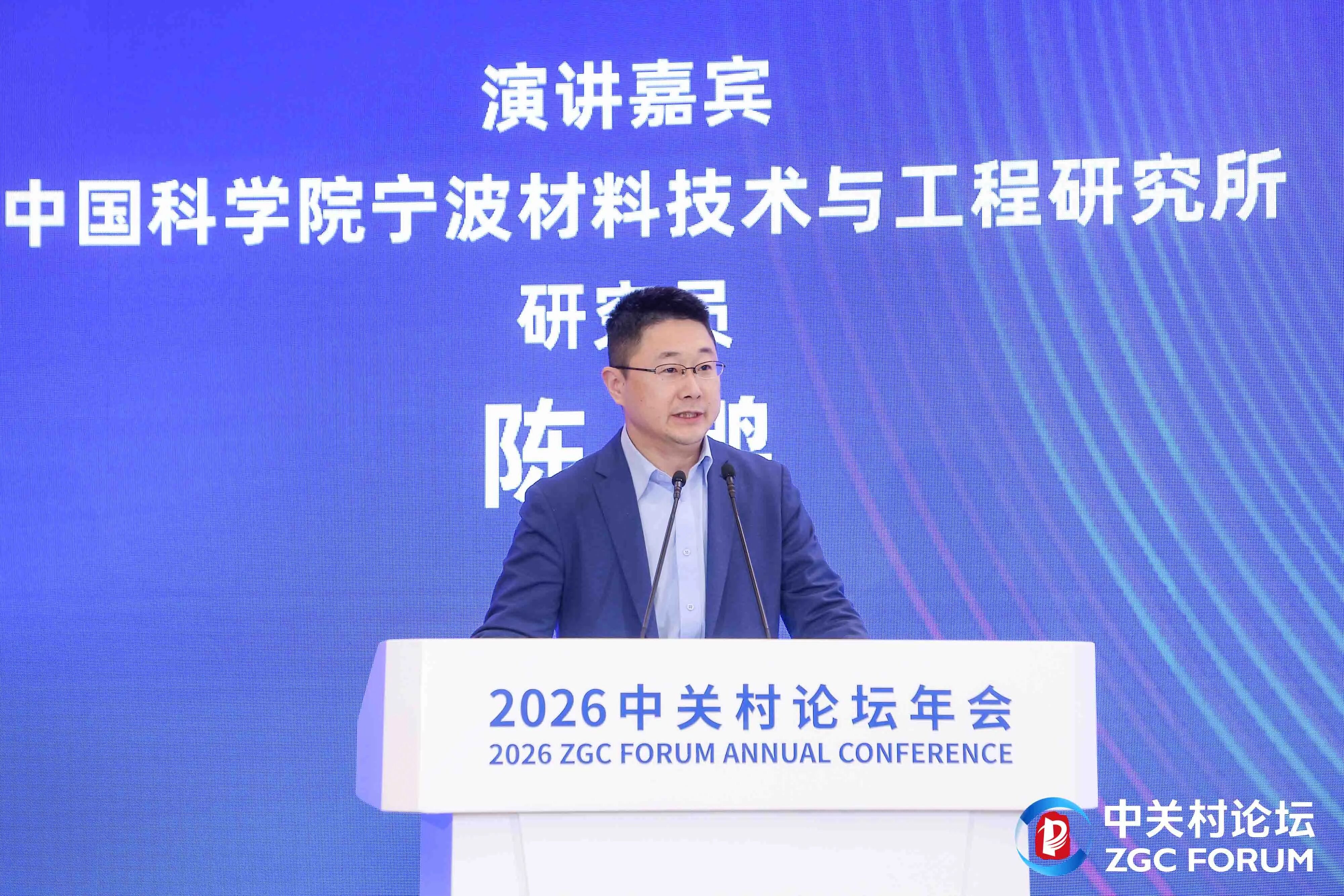
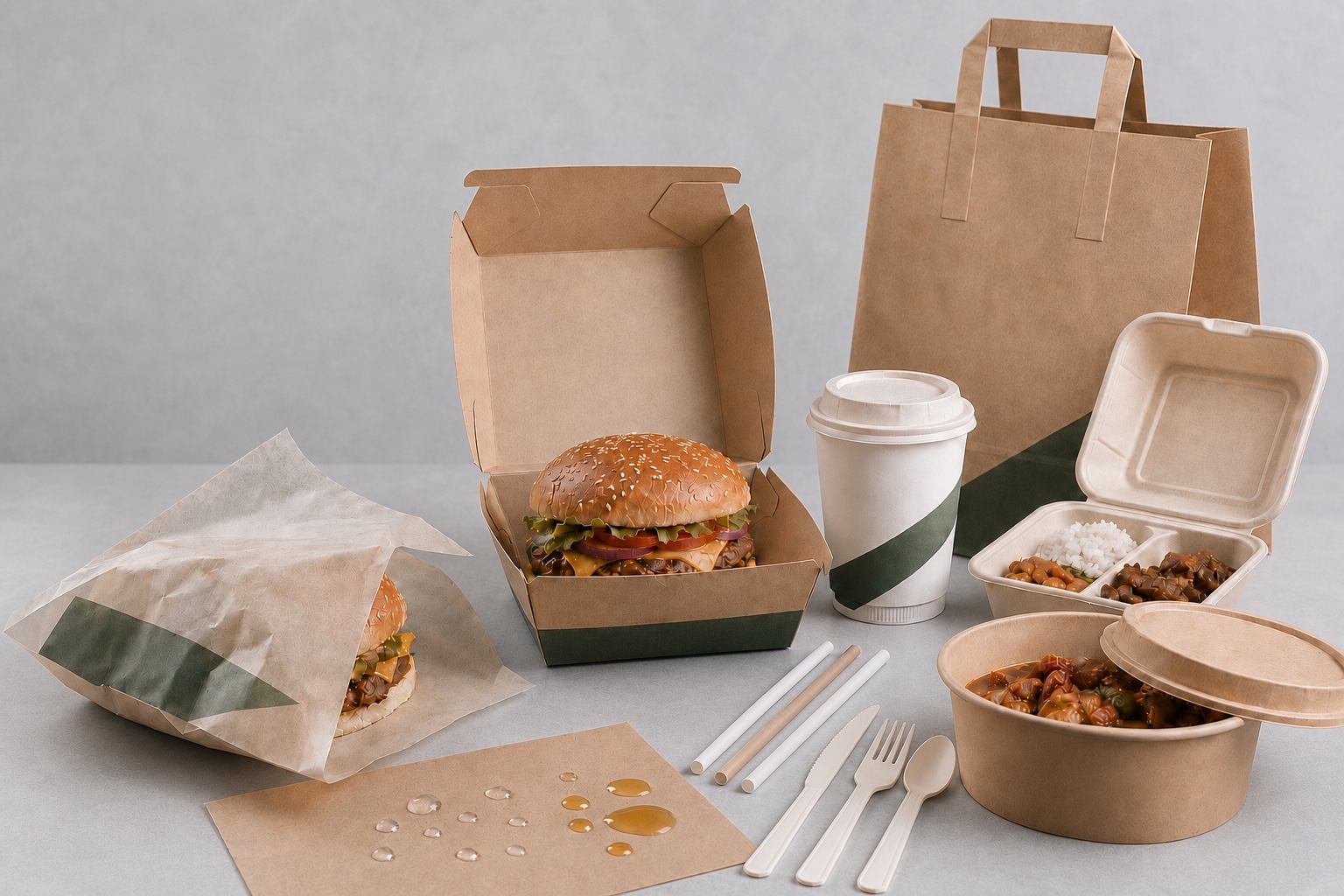
If PHA can serve multiple application areas in the future, paper-based food packaging is one of the scenarios most likely to achieve an early breakthrough. Demand is concentrated, the application base is broad, policy momentum is sustained, pressure to upgrade is clear, and the conditions for industrial collaboration are strong. When bio-based content, recycling and repulping, and an end-of-life safeguard can be addressed through one engineering pathway, the upgrade of paper-based food packaging moves beyond a trend forecast and becomes a more certain field of competition. For DBC, the conference was not simply a public appearance. It expressed a clearer position: the demand for upgrading paper-based food packaging is real, and so is the policy momentum.
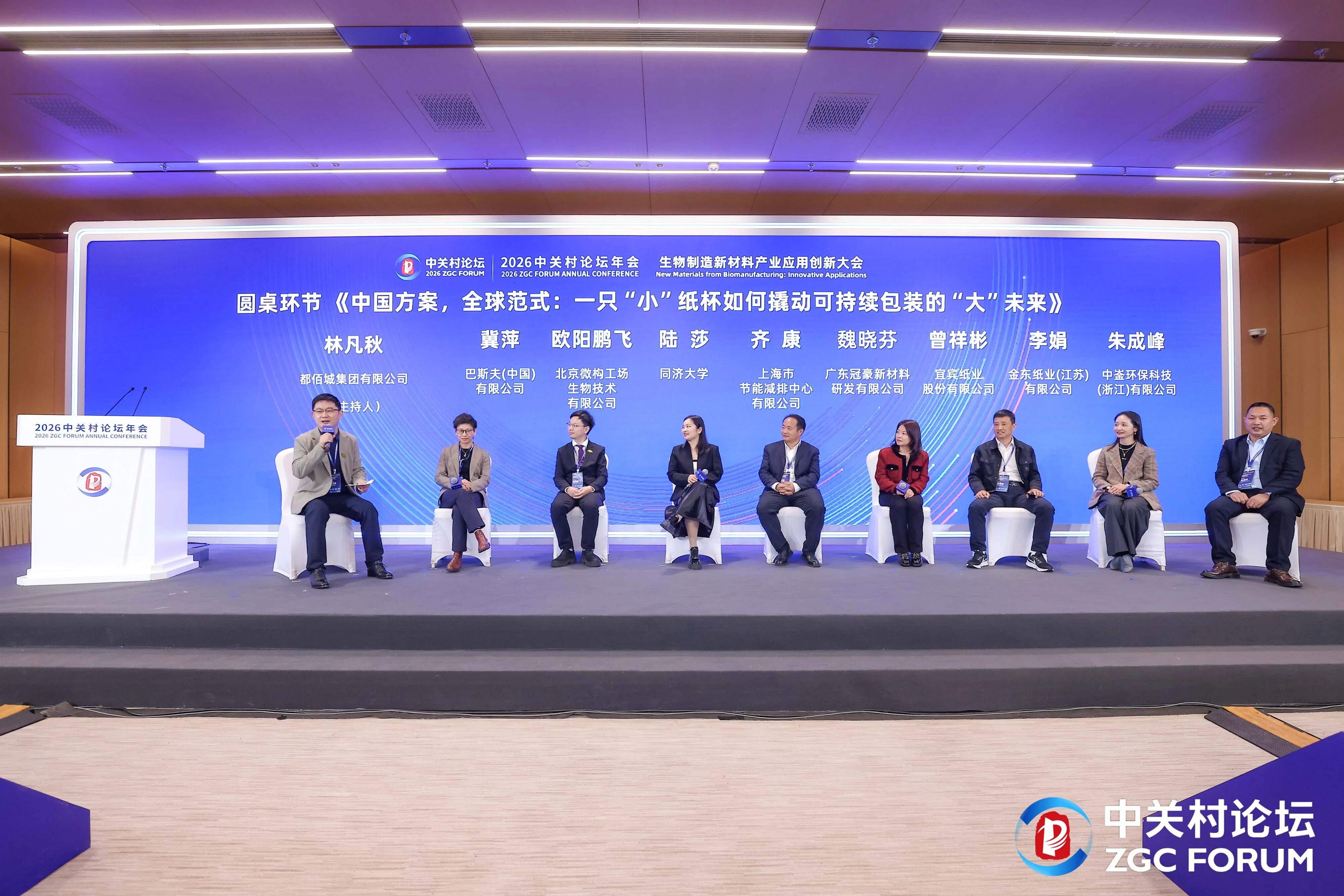
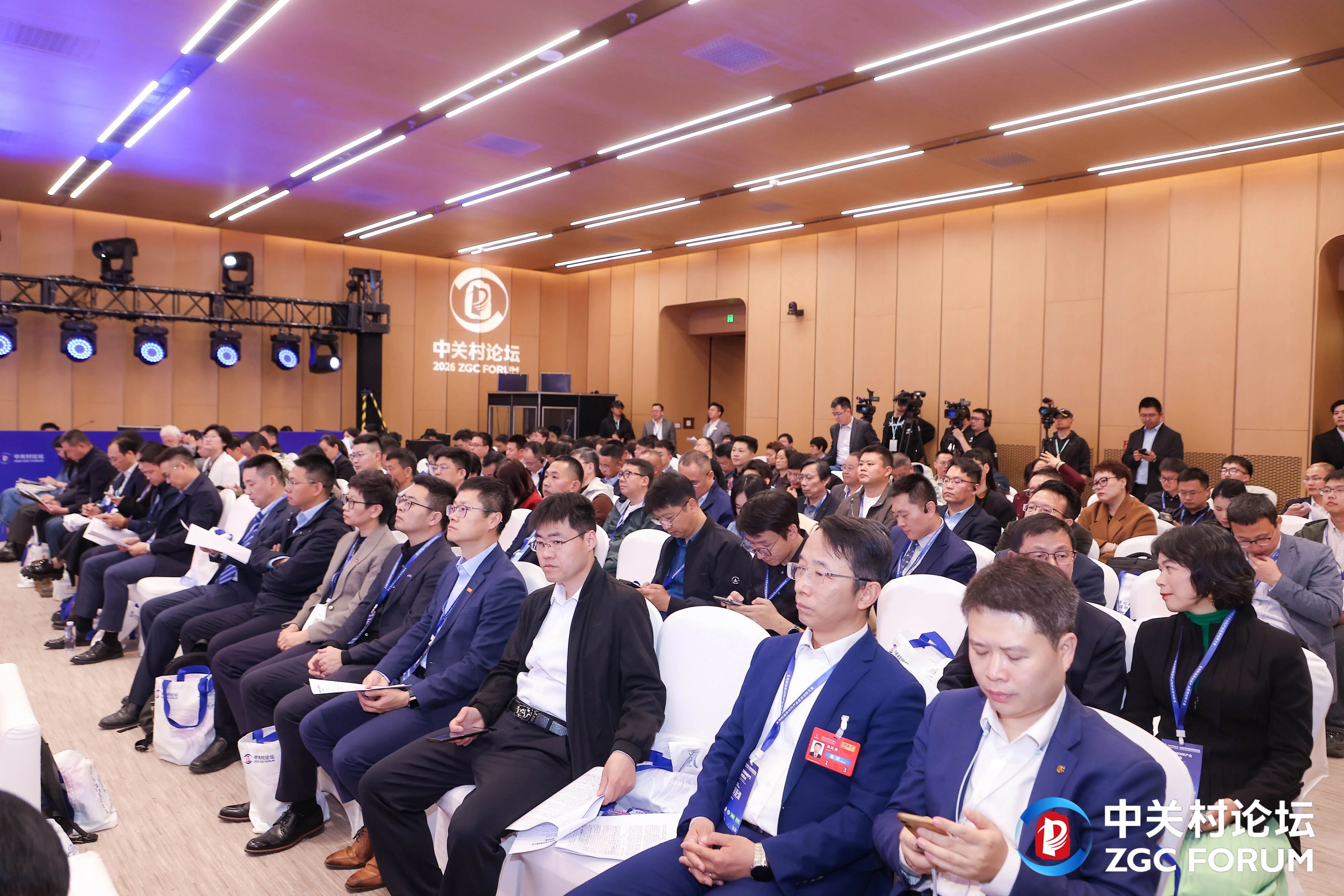
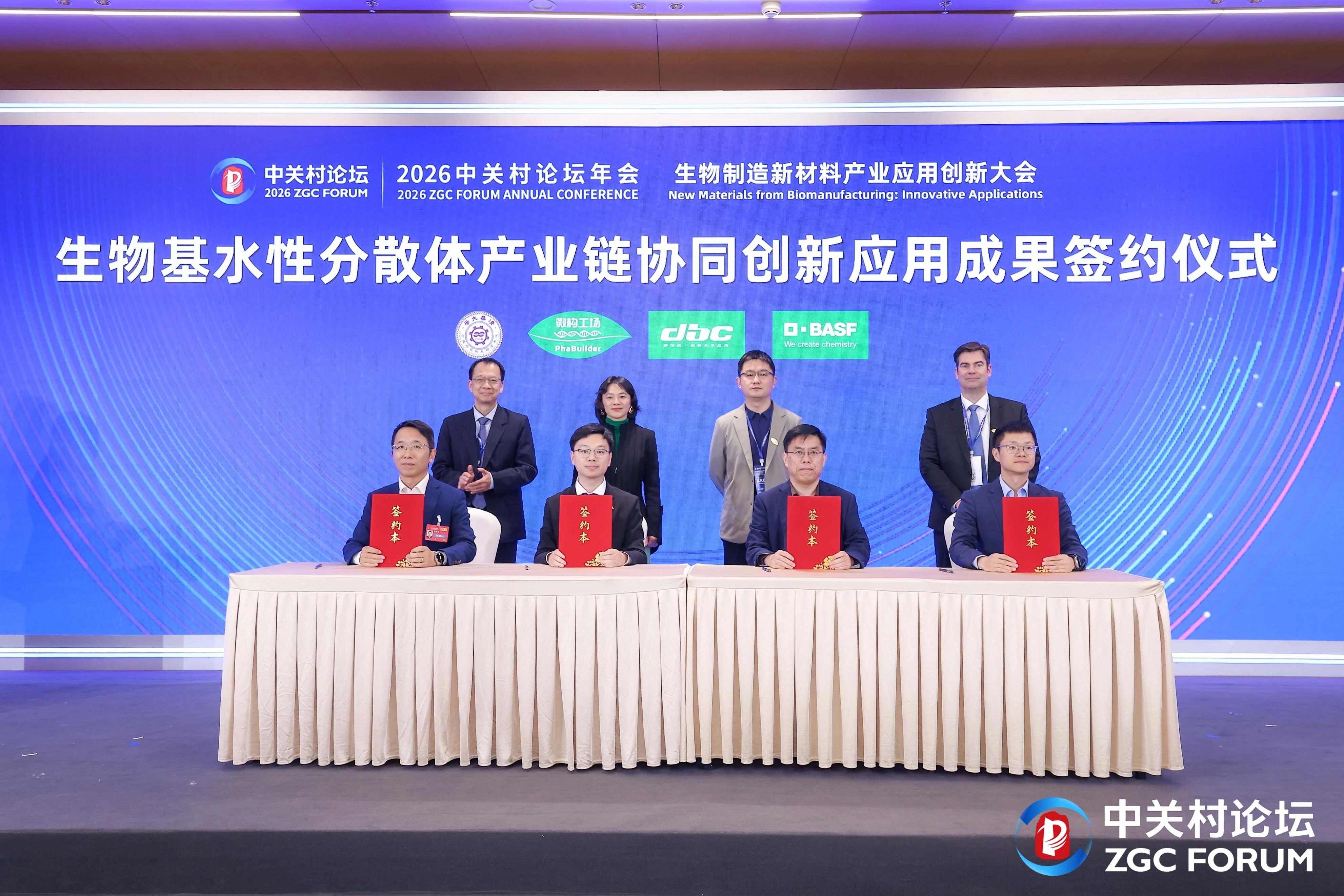
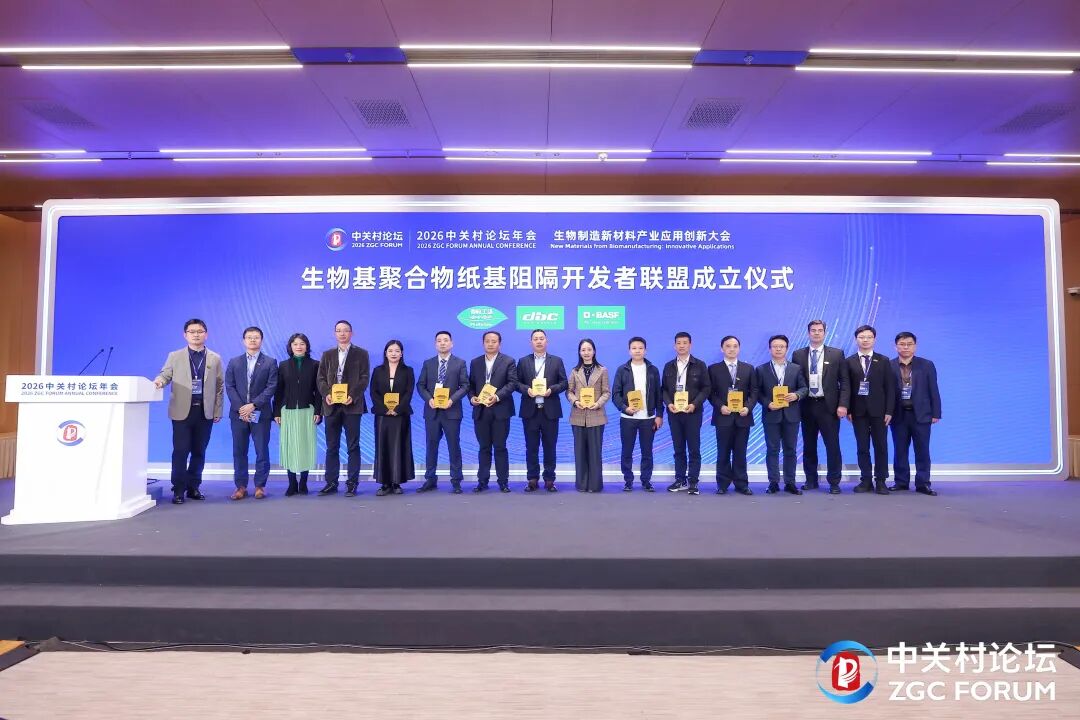
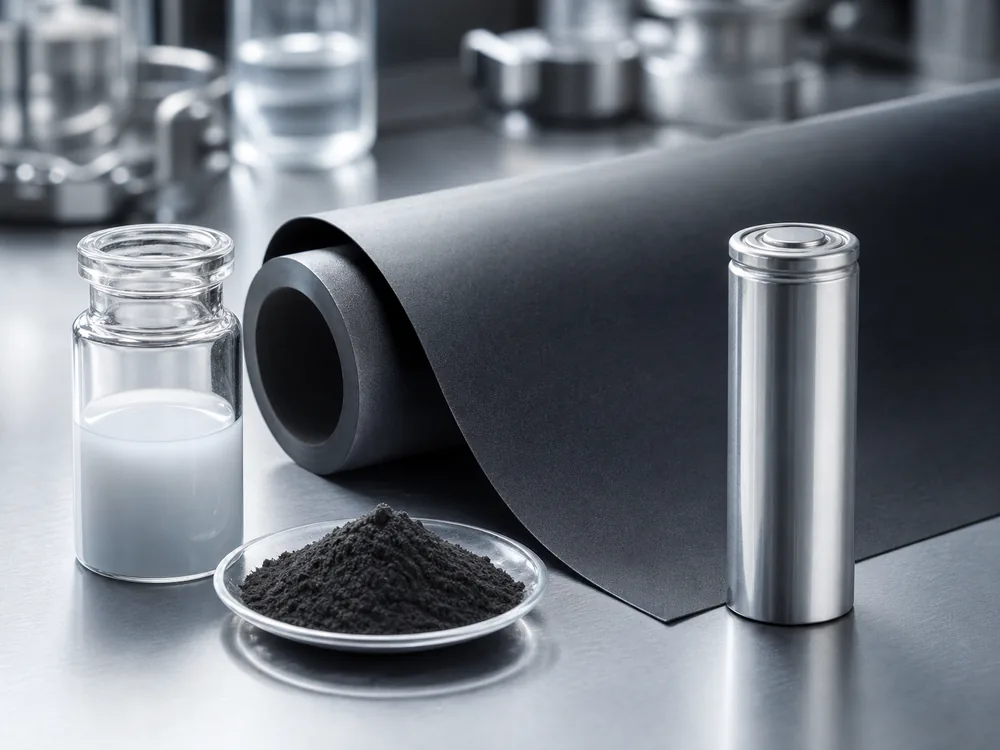
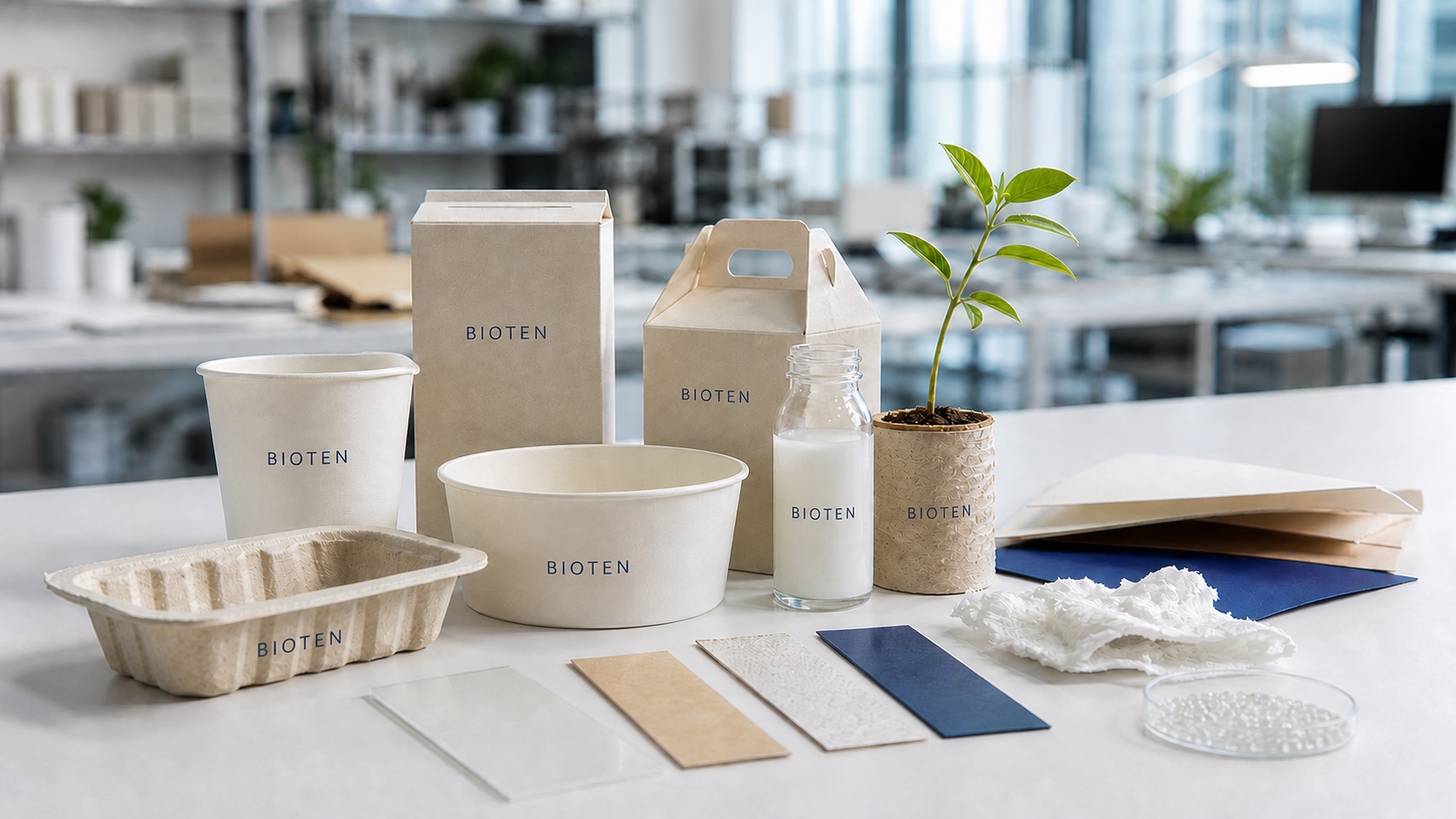
Plastic substitution has become a shared priority across global policy and industry. What deserves attention is not the addition of another environmental narrative, but the fact that the material system is moving closer to becoming technically and commercially viable. DBC will continue to advance bio-based polymer emulsions, waterborne barrier systems and their engineering application pathways; support implementation in real scenarios; promote wider industrial collaboration; and help paper-based food packaging move from something that can be discussed to something that can be delivered at scale. DBC will also continue developing the Bioten™ PHA waterborne coating as an industrial solution that combines Chinese innovation leadership with international collaborative value.
Original source: DBC Group WeChat Official Account, April 1, 2026