ROUTING OVERVIEW
From consulting portal to project path
The goal of project offloading is not to increase the communication threshold, but to reduce repeated confirmations. Customers only need to submit the information they already have; undetermined paper types, test conditions, compliance areas or annual usage can be completed in subsequent technical communications.
01Confirm requirement ownership
Distinguish the roles of brand owners, paper mills, packaging plants, coating plants, traders, R&D institutions, etc., and clarify who puts forward requirements, who verifies performance, and who is responsible for mass production.
02Generate demand card
The scenarios, base materials, target performance, compliance areas, data requirements and time nodes are summarized into a unified project card to facilitate simultaneous judgment of sales and technology.
03Match depth of collaboration
Based on the project stage and information completeness, match public information, TDS/SDS, sample testing, technical meetings or developer laboratory paths.
04Promote project closure
From data sending, sample verification, small and pilot tests to quotations, contracts and repurchases, each step has a clear status to facilitate follow-up by both parties.
ROUTING INPUTS
Diversion field
The triage field is used to determine "what this project is, what it needs, and what step it has reached." The more complete the fields, the easier it is to directly enter samples, tests or quotations; if the fields are temporarily incomplete, you can also enter the data communication and demand completion process first.
Customer TypeCustomer type
Clarify the customer's role in the project to facilitate the arrangement of corresponding communication objects and technical depth.
- Brand owners/end customers: focus on application, compliance, supply stability and time to market.
- Paper mill/coating mill: Pay attention to substrate adaptation, coating process, drying window and production line efficiency.
- Packaging factory / foundry: focus on molding, heat sealing, printing, lamination and bulk delivery.
- Traders/Agents: Pay attention to data completeness, sample support and target customer scenarios.
ApplicationApplication Scenarios
Determine the required water resistance, oil resistance, heat sealing, temperature resistance and recyclability performance based on the final use scenario.
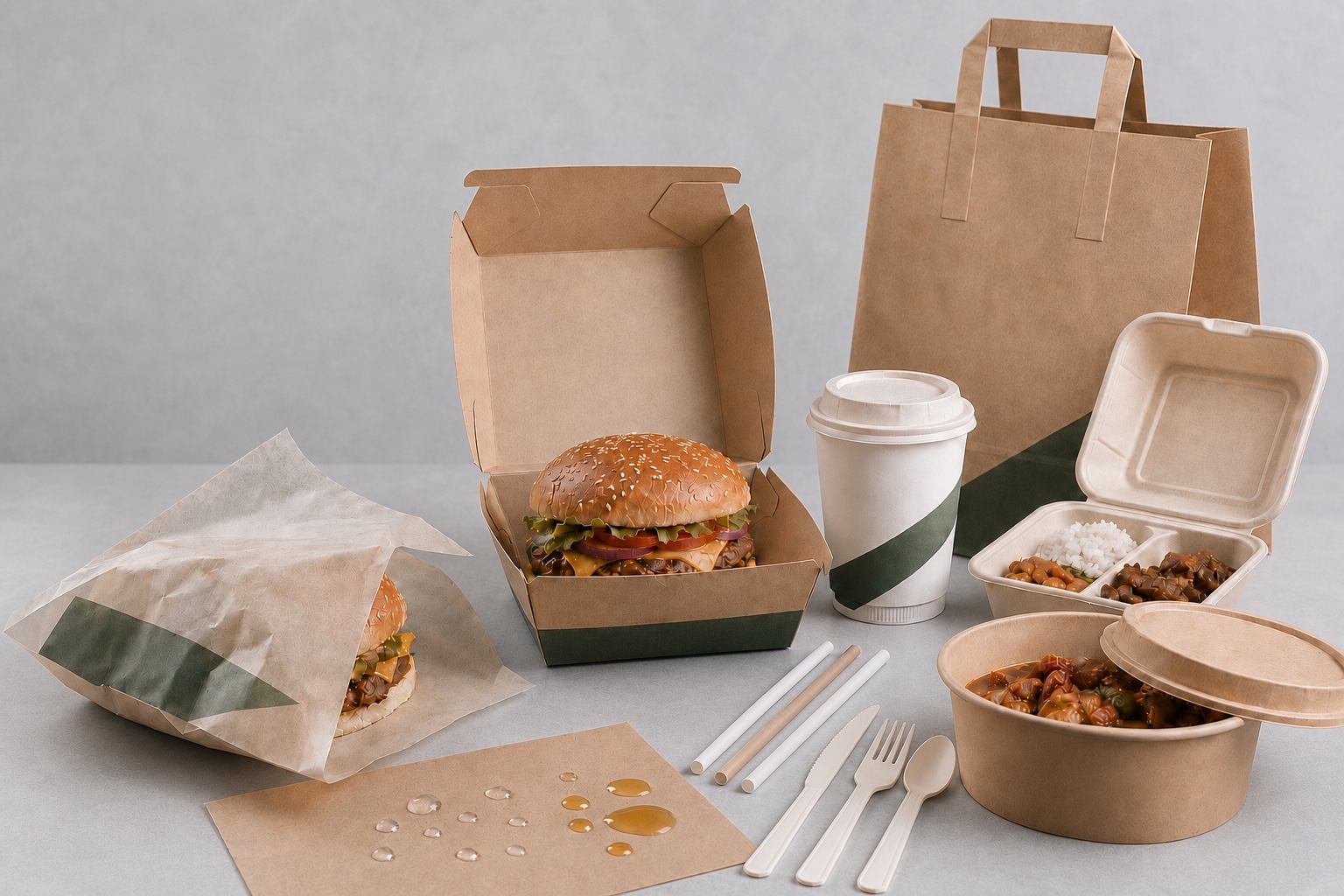
- Paper cups, paper bowls, lunch boxes, trays, burger paper, food contact paper.
- Cold drinks, hot drinks, oily foods, wet foods, cold chain or short-term heating scenarios.
- Replaces PE coating, wax coating, PLA composite or traditional fluorinated oil-proof solutions.
Paper SubstratePaper grade and base material
Paper information determines coating schemes, process windows, sample types and test comparability.
- White card, cow card, food grade cardboard, cup paper, coated base paper, greaseproof paper, hamburger paper.
- It is recommended to provide weight, thickness, surface treatment, single-sided or double-sided coating requirements.
- If there is an existing production line, the coating method, machine speed, drying conditions and subsequent processes can be supplemented.
Export & ComplianceExport zones and compliance requirements
Different markets have different demands for materials such as food contact, recyclability, biodegradability, and unintentional addition of PFAS.
- Domestic projects: focus on food contact, production adaptation and cost structure.
- Export projects in the United States, Europe, Southeast Asia, etc.: Pay attention to regulatory pathways, testing basis and declaration documents.
- If the target standards or customer factory inspection requirements are known, notes can be synchronized in the demand card.
DocumentsData requirements
Data requirements determine the level of openness and whether authorization data application and review are required.
- Public information: product introduction, application solutions, frequently asked questions, basic parameters.
- Project materials: TDS/SDS, process suggestions, sample descriptions, testing suggestions.
- Verification materials: compliance instructions, test report summary, customer-specified format files.
Annual VolumeAnnual usage and project scale
The annual usage is used to determine sample specifications, quotation dimensions, production capacity scheduling and whether to enter pilot testing.
- You can fill in the annual tonnage, monthly demand, single product quantity or estimated market size.
- For projects that have not yet been mass-produced, you can first fill in the test batch, trial production plan or target launch time.
- When replacing existing materials, it is recommended to supplement the existing structure, procurement costs and target improvement points.
Project StageProject stage
The project phase is used to determine whether the next step is to send materials, arrange samples, or enter a technical meeting.
- Concept evaluation: Understand material routes, performance boundaries, and case directions.
- Sample verification: There is already a paper type or product structure, and a paper sample, small sample or paint sample is required.
- Small trial/pilot trial: Equipment and test targets are available, and process window and mass production judgment are required.
- Procurement import: enter quotation, contract, delivery, repurchase and continuous optimization.
Test TargetVerify target
Transform "want to be more environmentally friendly" into a testable technical goal to avoid being unable to evaluate the samples after they are sent out.
- Water-resistant, oil-resistant, anti-adhesion, heat-sealing, folding-resistant, printable, microwaveable or heat-resistant.
- Verification of recyclable, compostable, degradable or customer specified environmental attributes.
- It is recommended to synchronize target test methods, competing product structures, or current failure issues.
Demand CardCustomer portrait
Customer type, industry, contact role, target customers or end applications.
Demand CardApplication structure
Product form, paper type, weight, coating surface, subsequent processing and existing alternative materials.
Demand CardPerformance goals
Barrier, heat sealing, temperature resistance, recycling and disposal, food contact and customer specified test conditions.
Demand CardCompliance area
Domestic sales, export areas, customer factory inspections, regulatory information and declaration document requirements.
Demand CardProject scale
Annual usage, trial production batches, introduction pace, target time to market and quotation dimensions.
Demand CardNext action
Material sending, paper sample sending, technical meetings, small test scheduling or developer laboratory evaluation.
ROUTING OUTCOMES
Diversion result
The results of the triage are used to decide how to respond, rather than simply judging customer value. The page will match the project to the data communication, sample verification, technical evaluation or developer laboratory path based on the content of the demand card.
Path AInformation communication
Suitable for concept evaluation, material route preliminary selection or internal project establishment stage. Output product introduction, application plan, basic parameters and data list.
Path BPattern/sample
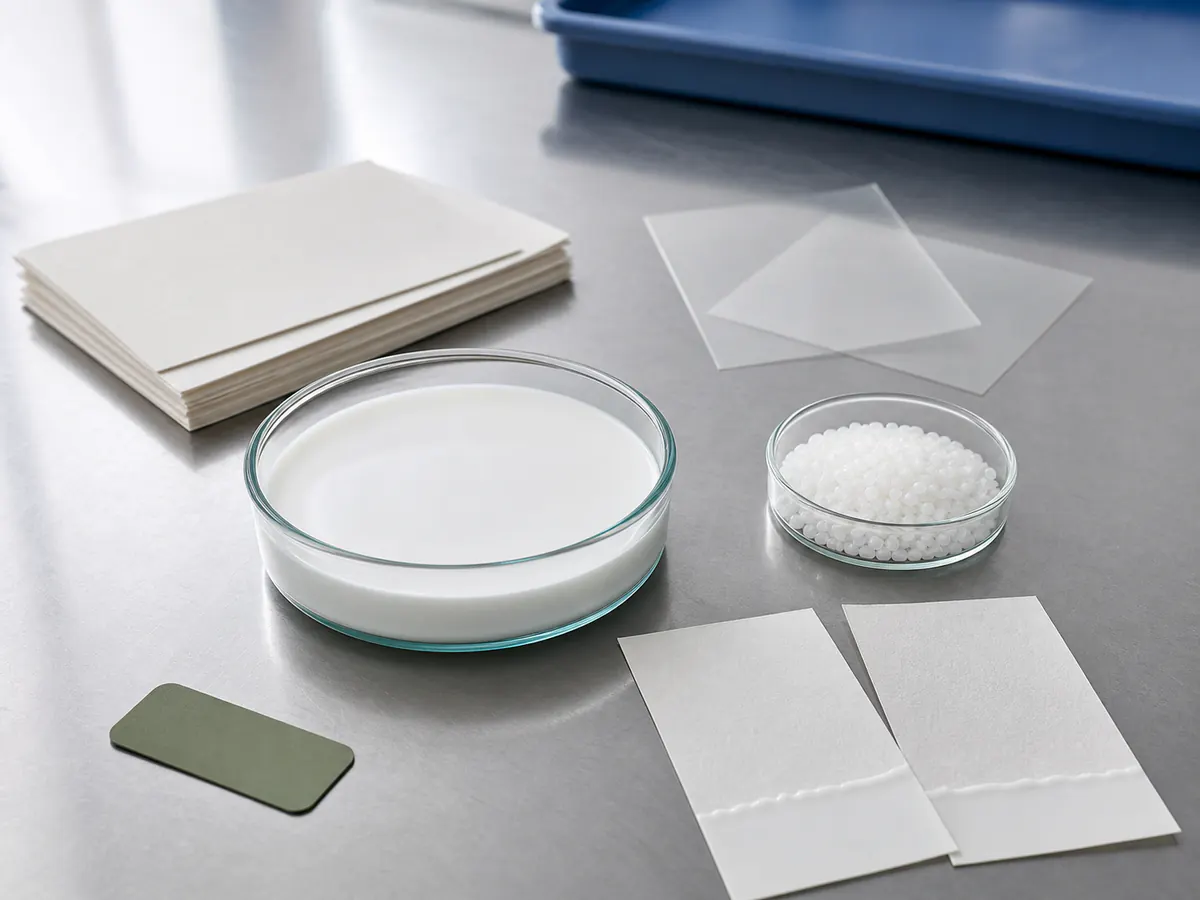
Applicable to projects that already have application scenarios and paper grade information. Output paper samples, coating samples or material samples, and simultaneously recommend test items.
Path CTechnology assessment
Applicable to projects with existing verification goals or replacement requirements for existing materials. Focus on communicating the coating window, subsequent processing, performance boundaries and failure reasons.
Path DDeveloper Lab
Suitable for export compliance, joint development, new structure verification or pilot introduction projects. Get into deeper collaboration on recipes, processes, and testing.
| Input features | Recommended path | Output content |
|---|
| The customer is in the early stage of evaluation and only knows the application direction, but has not yet determined the paper type and performance indicators. | Information communication | Send product introduction, application scenario description, frequently asked questions and information list to help customers complete the required fields. |
| The paper type, weight, product form and target water/oil barrier/heat sealing properties have been clarified. | Pattern/sample | Match sample specifications, recommend test conditions, arrange sample delivery or sample preparation communication. |
| Customers are replacing PE laminations, wax coatings, PLA composites or traditional oil repellent systems. | technology assessment | Analyze the original structure, existing failure points and subsequent processes, and provide coating selection and verification sequences. |
| The project involves export compliance, terminal brand review, large annual usage or clear mass production nodes. | Developer collaboration | Organize sales, technology and project leaders to conduct joint evaluations and enter into small trials, pilot trials or controlled data collaboration. |
Level 1Public Documentation
Suitable for initial understanding. Including official website page, product introduction, application instructions, FAQ and basic parameters.
Level 2Project information
Suitable for technical pre-assessment. Includes TDS/SDS, pattern instructions, testing recommendations and process communication points.
Level 3Verification information
Suitable for established projects. Includes compliance instructions, test summaries, sample batch records and customer-specified information.
Level 4Authorization information application
Suitable for pilot testing, mass production or joint development. First confirm the project scope, purpose, recipients and NDA boundaries, and then the project team will deliver it in a controlled manner based on the review results.
FOLLOW-UP STATUS
Follow up status
The follow-up status is used to let the client know clearly where the project is currently, what needs to be provided next, and what the DBC is expected to output. The actual status is subject to project docking and written confirmation from both parties.
01New needs
After the customer submits the requirements, the team establishes project records and determines the undertaking path.
02Requirements confirmation
Complete customer type, application, paper grade, export area and project stage.
03Data matching
Determine the scope of information to be publicly sent, requested to be provided, or authorized to be delivered based on needs.
04Pattern/sample
Confirm sample specifications, delivery information, test objectives and feedback methods.
05Small test verification
Verify around indicators such as barrier, heat sealing, temperature resistance, and processing adaptation.
06Pilot test confirmation
Judgment is made based on production line conditions, process window and batch stability.
07Quotation contract
Confirm specifications, batch size, delivery pace, commercial terms and project responsible person.
08Mass production and repurchase
Enter mass production delivery, quality feedback, repurchase and continuous optimization.
| Status | Client side action | DBC output |
|---|
| new needs | Submit basic contact information, application directions and data requirements. | Establish project records and determine whether key information needs to be added. |
| data matching | Confirm that product introduction, TDS/SDS, compliance instructions or case materials are required. | Match the data opening level; controlled data will be delivered within the confirmed scope after review. |
| Pattern/sample | Provide the paper type, test target, recipient information, and key indicators you wish to verify. | Arrange sample types, test recommendations and follow-up feedback templates. |
| Small test / pilot test | Provide production line conditions, equipment methods, test results or existing failure problems. | Organize technical communication, determine process windows, formula adaptation and amplification risks. |
| Quotation/Contract | Confirm specifications, batch sizes, delivery locations, project timelines and procurement processes. | Output quotation plan, delivery plan, contract information and project docking person. |
| Mass production/repurchase | Feedback on batch usage performance, quality stability and next batch requirements. | Provide continuous supply, quality tracking, formula optimization and repurchase support. |
BEFORE SUBMISSION
Preparation of suggestions before submission
No need to prepare all materials at once. As long as any part of the following information already exists, you can submit it first; the remaining content can be completed by the project manager in subsequent communications.
ChecklistProducts and Applications
- Target product pictures or structural diagram.
- Food type, temperature, contact time and usage scenario.
- Existing material structures and reasons for wishing to replace them.
ChecklistPaper and craft
- Paper type, weight, coating surface, printing or forming method.
- Coating, drying, slitting, die-cutting, heat sealing and other production line information.
- Test results, failure photos or customer feedback are available.
ChecklistBusiness and nodes
- Annual usage, trial production batch size or target procurement scale.
- Exporting countries, customer review requirements, or document templates.
- Time points for project establishment, prototyping, pilot testing, launch or mass production.
START ROUTING
Let the project enter the correct path starting from the first message
Fill in the currently known information to submit project requirements. DBC and Bioten™ will determine the corresponding sales, technical and verification support paths based on customer type, application scenario, paper type, compliance area, data requirements, annual usage and project stage.
Diversion principle
Projects are not judged by a single field, but by a combination of customer role, application difficulty, data completeness, verification objectives and import stage. Early-stage projects can obtain information and direction suggestions first; projects with clear paper types and testing goals can directly enter samples and technical communication; projects involving export compliance, terminal review or pilot mass production will enter more in-depth project collaboration.