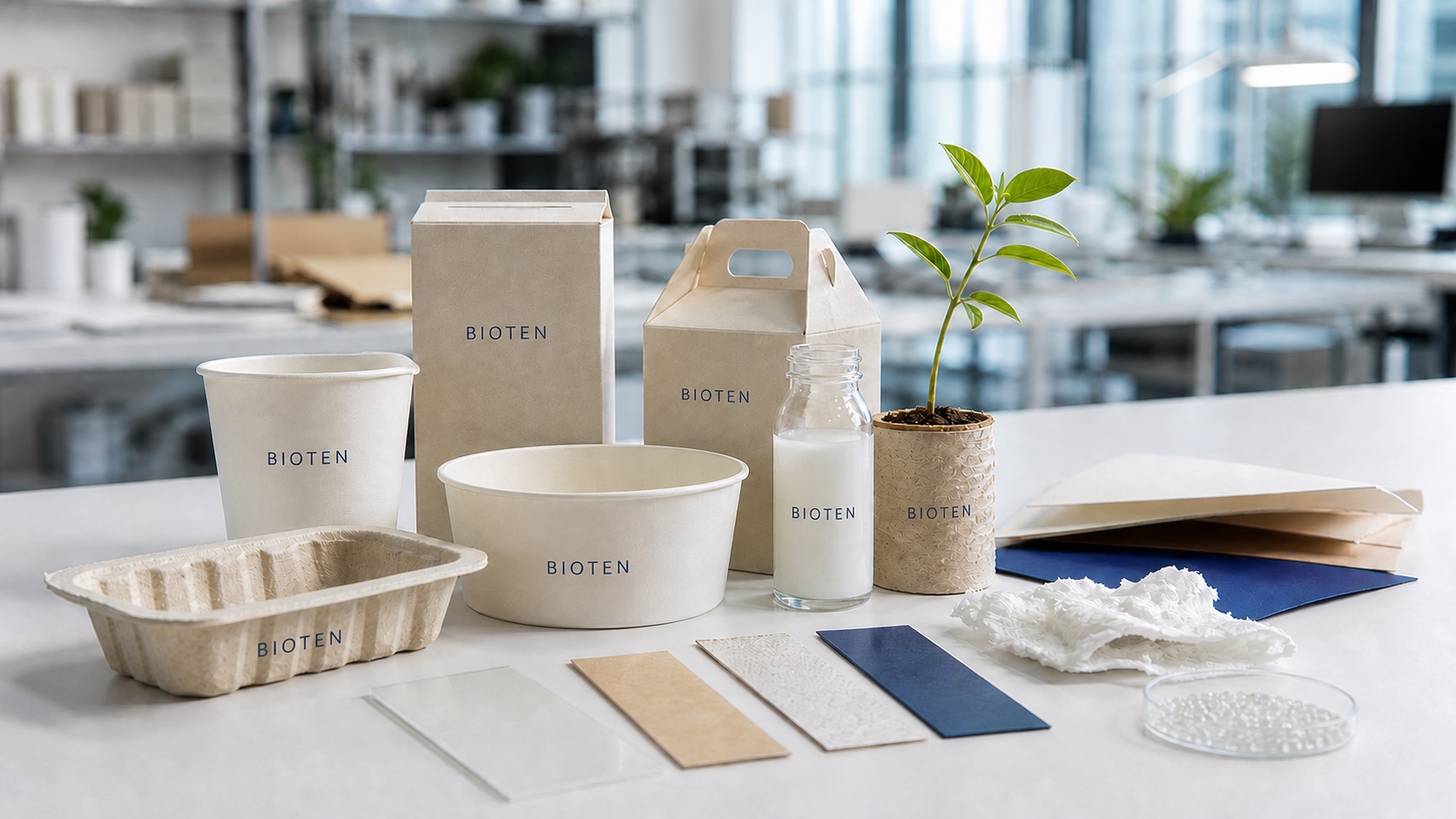
7 categories of materials have been displayed. You can continue to filter by name, alias, use and risk.
BT-PB-BOARD
CLASS / 01
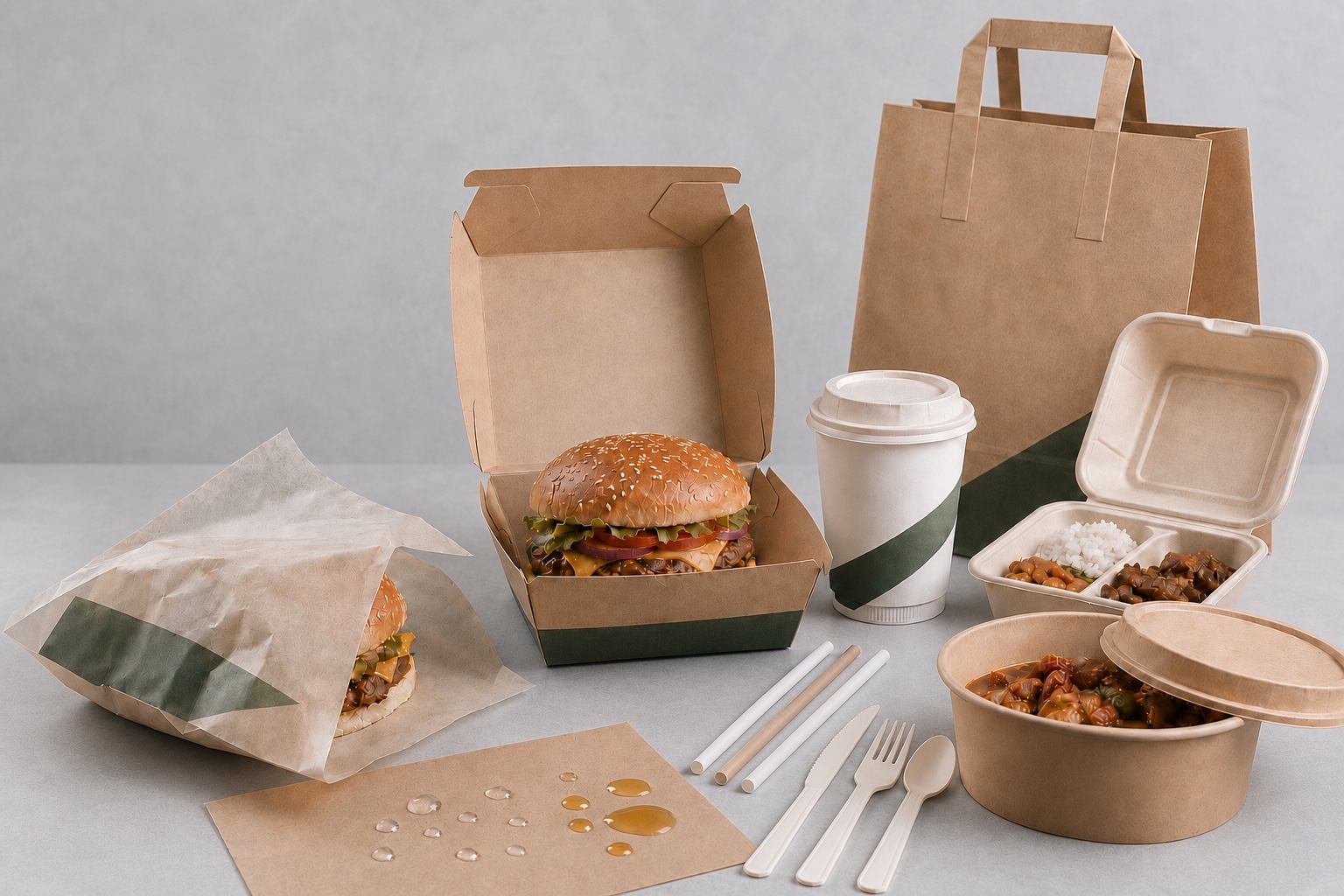
Food packaging cardboard
Cupstock / FBB / SBS / SBB / LPB
This is an application category, not a single standard grade. It is necessary to continue to distinguish according to fiber layer, basis weight, bulk, stiffness, Cobb, paint retention, indentation and forming ability.
Main risksPaint penetration, crease cracking, edge cutting and liquid absorption, heat sealing and anchoringRecommend verificationPaper characterization, planar blocking, creases, trimming and complete productsVerification key pointsSpecific paper pattern, grade and batch
BT-FP-THIN
CLASS / 02
Flexible packaging tissue paper
Greaseproof / Glassine / Flexible Base Paper
Maintain continuous coating, mechanical strength, sealing performance and high-speed packaging adaptability at lower material usage. Dense greaseproof paper, cellophane, single-sided glossy and special coated base paper should be distinguished.
Main risksPinholes, curling, flex cracks, insufficient tension and wet strengthRecommend verificationBreathable, tearable, coating retention, barrier and paper feeding after bendingVerification key pointsRoll status and paper transport window
BT-KR-KRAFT
CLASS / 03
Kraft paper
Bleached / Unbleached / MG / Extensible Kraft
Kraft paper is first and foremost a pulping and fiber performance system and is not a synonym for brown paper. Bleaching status, fiber source, surface treatment, strength and intended use need to be stated.
Main risksHigh pores, rough paper surface, lifted fibers, odor and uneven coatingRecommend verificationSealing primer, surface energy, coating amount, ink absorption and odorVerification key pointsColor, odor and food contact pathways
BT-NF-FIBER
CLASS / 04
Bamboo pulp and non-wood fiber paper
Bamboo / Bagasse / Other Non-wood Fiber
The material passport simultaneously records the actual fiber proportion, blending, pulping route, bleaching, auxiliaries, supply chain information and related performance and compliance information.
Main risksUnclear proportion of raw materials, extrapolation of performance, and lack of boundaries in environmental statementsRecommend verificationFiber composition, paper properties, food contact and actual terminal pathdeclare boundariesDon’t use default conclusions such as “natural is more environmentally friendly”
BT-MF-MOLDED
CLASS / 05
Pulp molding
Wet Press / Thermoformed Fiber / Dry Formed Fiber
Distinguished by molding process, surface quality, structural accuracy and functional layer. The barrier evaluation object should be the complete molded part, not the flat paper piece with the same formula.
Main risksConcave corners, flanges, ribs, density differences, coating accumulation and dimensional changesRecommend verificationComplete molded parts, cover film sealing surface, stacking, demoulding and moisture absorptionVerification key pointsMolding process and size window
BT-ST-BOARD
CLASS / 06
Corrugated base paper and structural paperboard
Containerboard / Structural Board
For transportation, cushioning and high-strength structures, barrier function must be evaluated together with compression, puncture, heat and moisture, bonding, printing and logistics conditions.
Main risksHigh wet strength loss, interlayer adhesion, local crushing and coating brittlenessRecommend verificationWet resistance to pressure, puncture, adhesion, impact vibration and environmental agingVerification key pointsTransport conditions and structural grade
BT-SP-SPECIAL
CLASS / 07
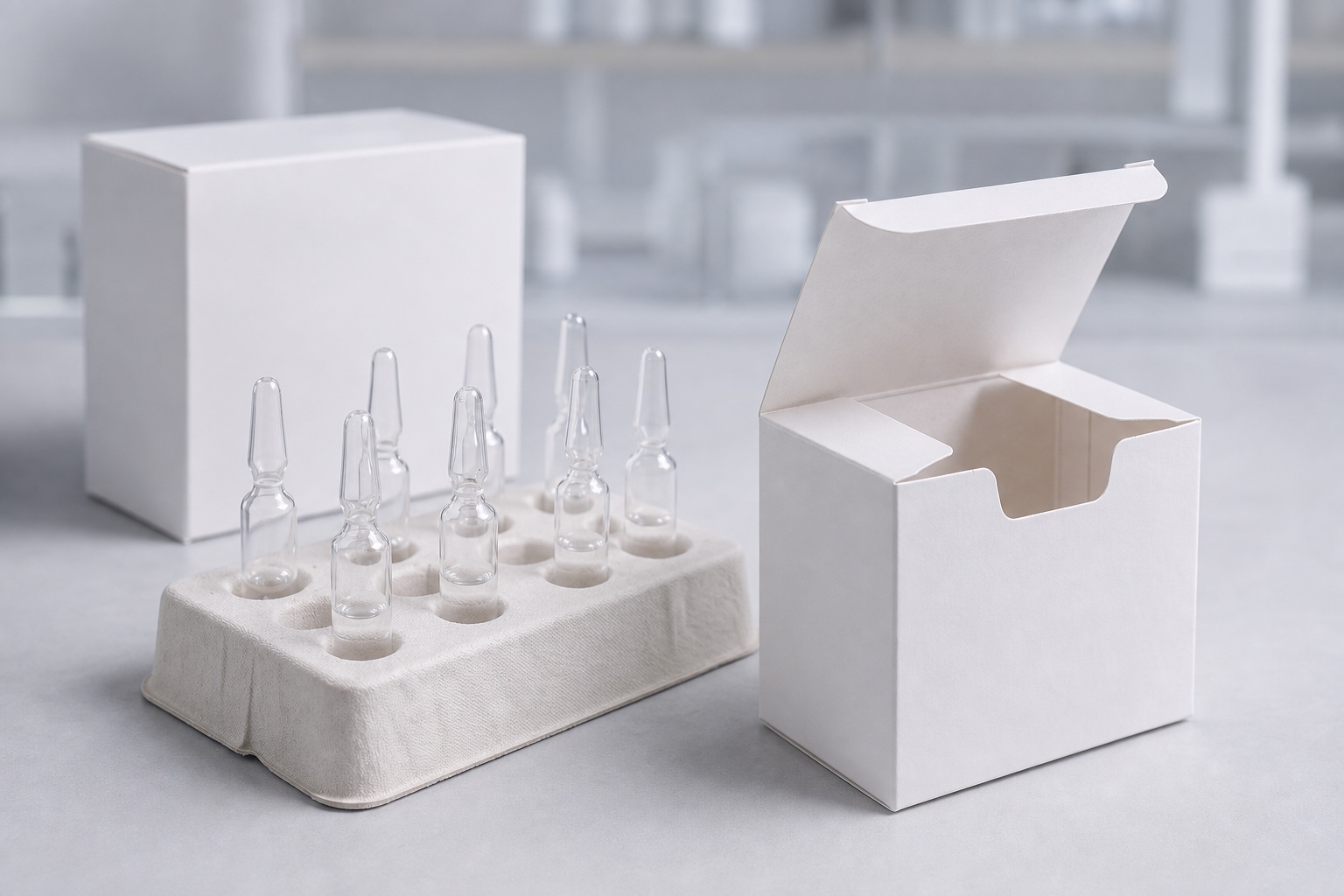
Medical paper and high-performance specialty paper
Medical Paper / Specialty Functional Paper
General pharmaceutical outer packaging, non-sterile consumable packaging and terminal sterilization medical device packaging must be distinguished according to specific uses. Material name does not automatically prove medical grade.
Main risksUse out of bounds, granules, sealing, peeling, sterilization and process validation gapsRecommend verificationIdentify combinations of standards, materials and process validation by specific project onlyapplicable boundaryThe applicability of ISO 11607 needs to be verified on a project-by-project basis