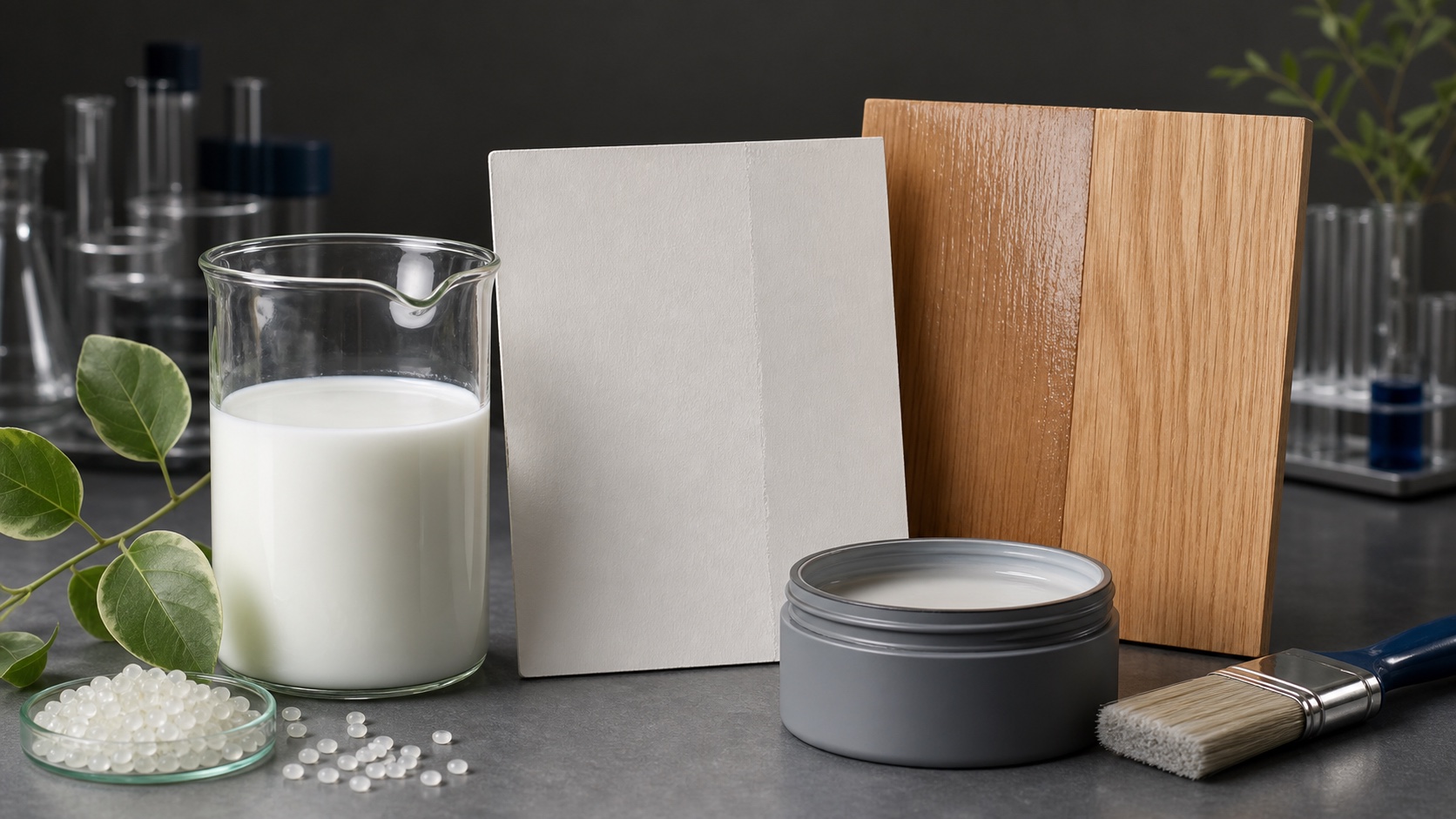
Built on PHA bio-based waterborne emulsions, BIOTEN Packaging integrates barrier, heat sealing, film formation, process fit and article validation across multiple circular pathways.
DBC organizes material screening, formulation engineering, process validation and industry collaboration around real applications—from technical assessment to scale-up.
A PHA platform for waterborne dispersion, interface control and functional film formation across paper packaging, agricultural coatings, personal care and waterborne coatings.
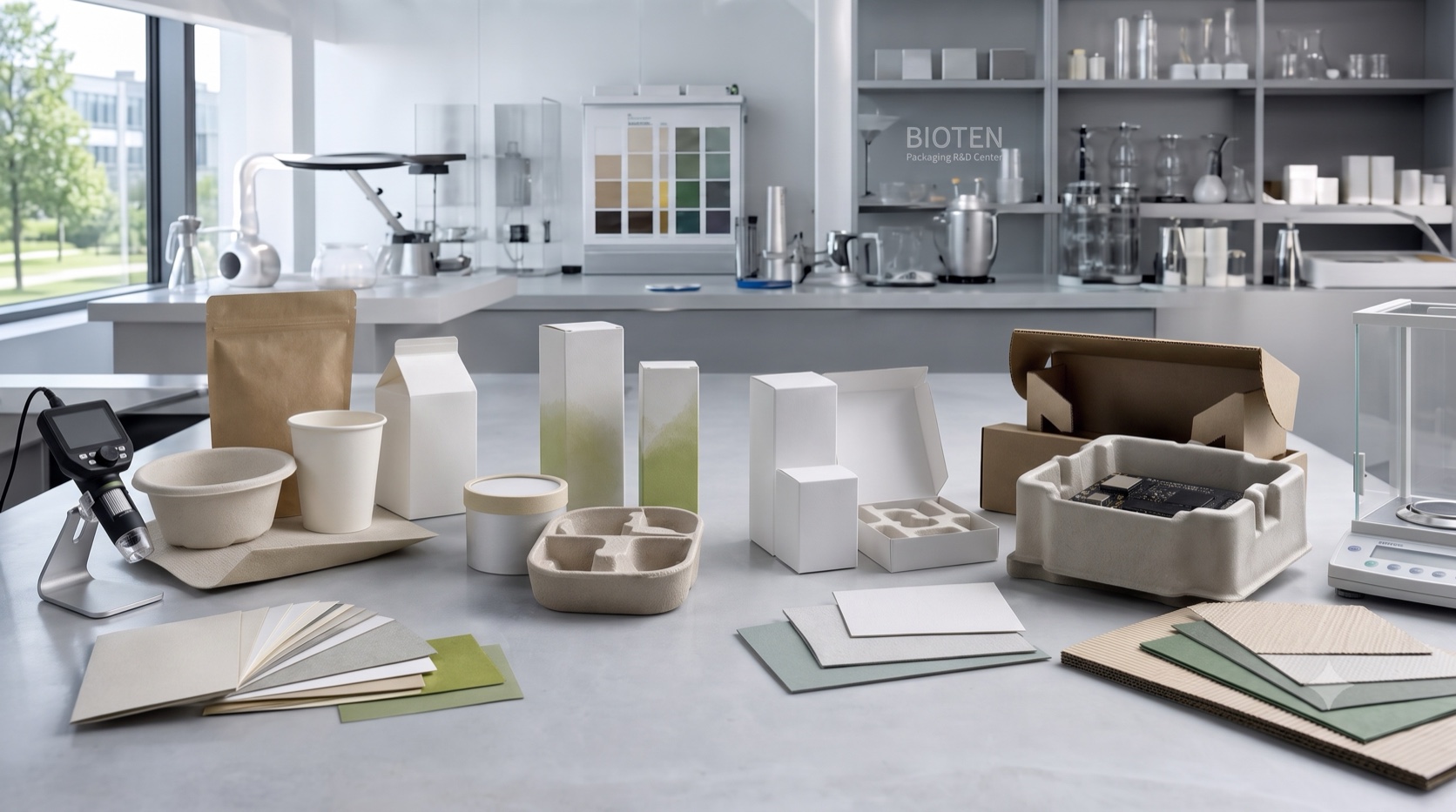
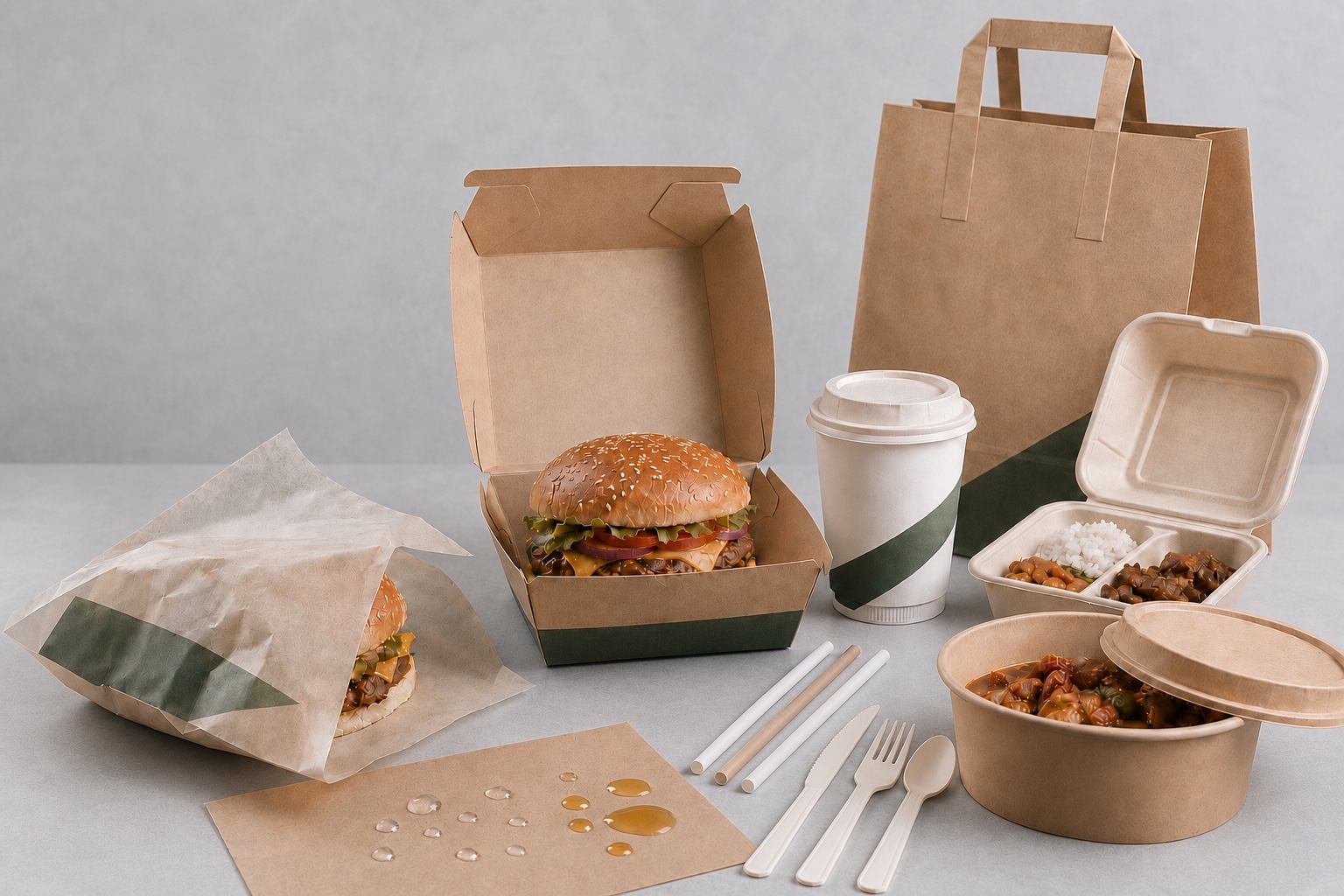
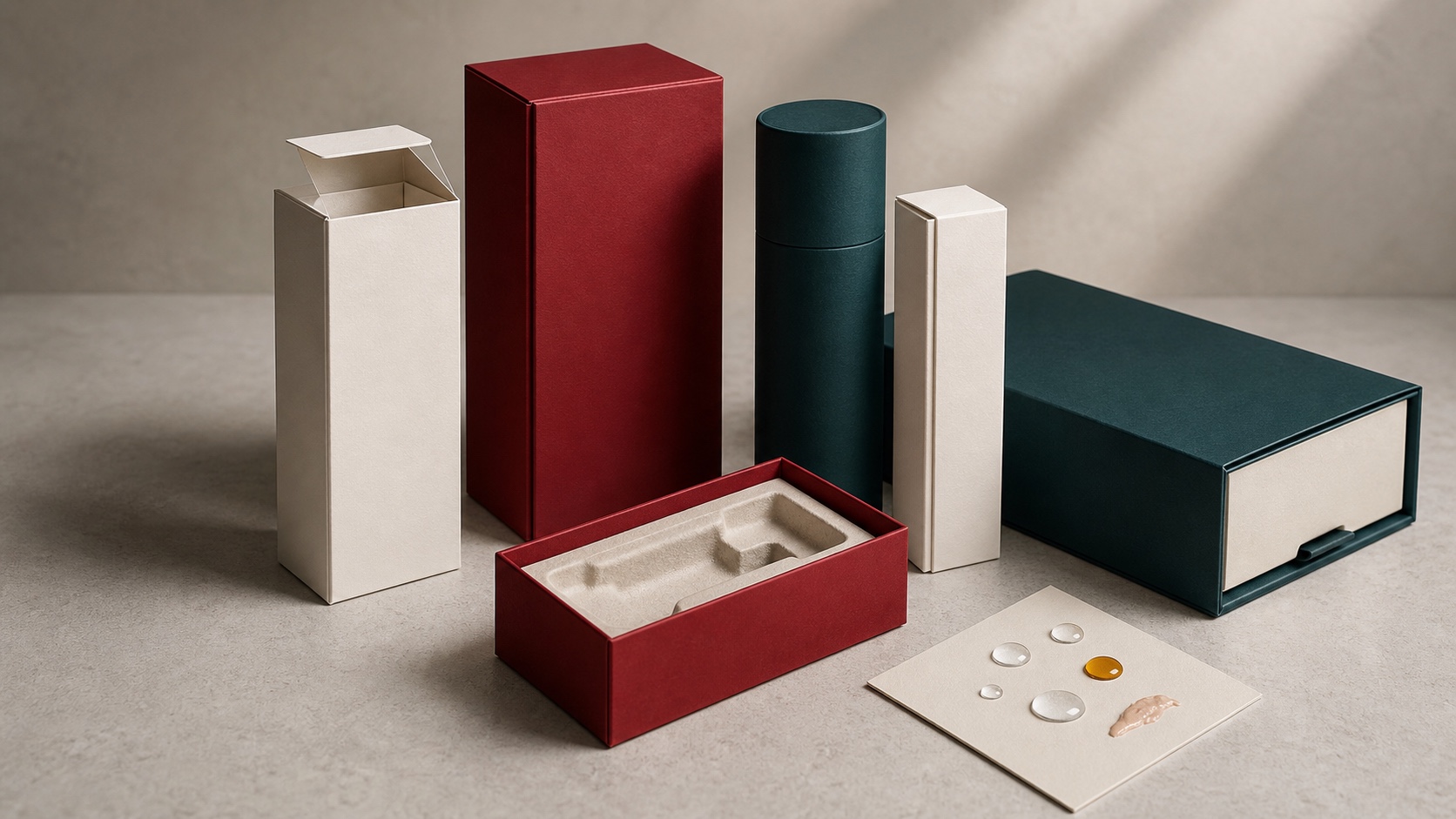
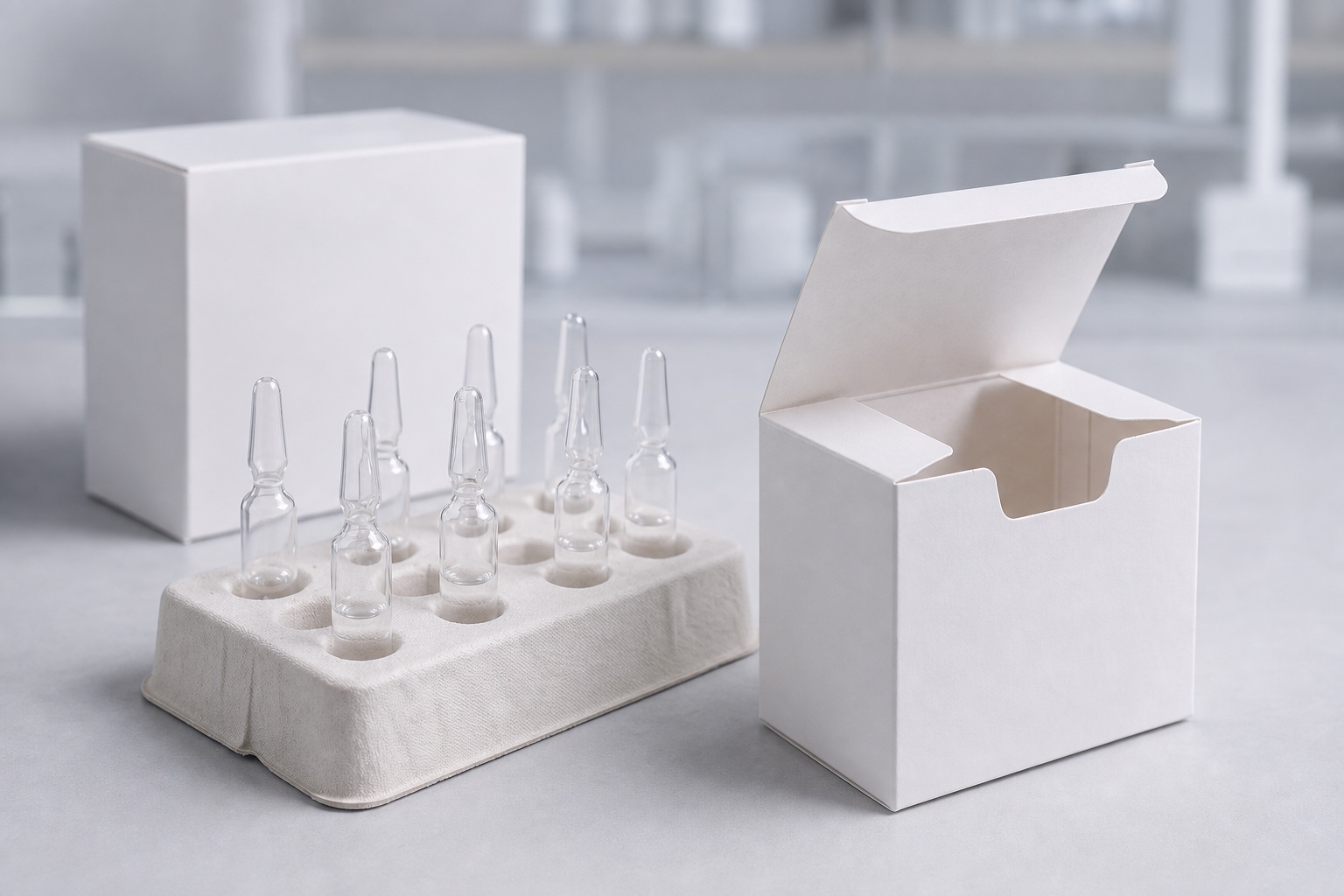
Built on PHA bio-based waterborne emulsions, BIOTEN Packaging coordinates paper, coating, converting, testing and evidence delivery for food and beverage, beauty and personal care, pharmaceutical and medical paper outer and secondary packaging, and specialty packaging.
A PHA developer platform that turns material concepts, formulation targets, process conditions and validation needs into executable joint-development routes.
Paper-based barrier technologyExtended to industrial packaging scenarios
INDUSTRIAL ROUTING
Industrial packaging usually pays more attention to moisture protection, structural stability, transportation reliability and the feasibility of material substitution. Based on water-based barrier technology and experience in adapting paper-based materials, Bioten™ provides paper-based barrier application solutions that can be evaluated, tested, and gradually introduced for non-food scenarios such as powders, parts, daily chemicals, e-commerce, and outer packaging.
moisture protectionsurface protectionLow temperature film formingRecycling verification
APPLICATION BOUNDARY
Identify application boundaries first, then evaluate paper-based alternative paths.
This page is for non-food and industrial packaging application scenarios. Different industrial products vary greatly in moisture absorption sensitivity, powder fluidity, storage and transportation cycles, storage humidity, packaging structure and processing methods. Paper-based barrier solutions must first pass paper sample testing, structural adaptation assessment and simulation scenario verification to confirm the applicable boundaries of moisture-proof, protection, processing and recycling expressions.
01
Moisture protection
For scenarios such as building material powders, chemical powders, and paper outer packaging, the focus is on evaluating the water vapor transmission rate (MVTR), moisture absorption and caking risk, stability in high-humidity environments, and moisture-proof performance during storage and transportation.
02
Structural adaptation
Evaluate the structural reliability of multi-layer paper bags, paper liners, rolls and flat outer packaging during folding, heat sealing, gluing, sewing, stacking and transportation.
03
Surface protection
For paper-based packaging such as e-commerce, daily chemicals, 3C electronics, hotel supplies, etc., we provide material verification ideas for moisture-proof, anti-fouling, friction resistance and surface protection.
04
Recycling statement
Self-environmental declaration rules such as GB/T 24021-2024 and ISO 14021, as well as paper-based material recycling test results, can be combined to organize the evidence chain for recyclable expressions. Specific statements should be based on sample structure, test methods, test results and applicable market requirements.
INDUSTRIAL SCENARIOS
Suitable for non-food scenarios starting from moisture protection, surface protection and paper-based replacement.
The following are the more common application directions in industrial packaging, which can be used as a reference framework for customer communication, demand identification, sample testing and project diversion. The specific feasibility of import needs to be further confirmed based on the characteristics of the content, packaging structure and processing conditions.
Cement bags / building materials powder bags
Focus on moisture-proof protection, bag strength maintenance, powder agglomeration risk, stacking stability and storage cycle in high-humidity environments.
Chemical powder bag
Evaluate the synergistic effect between the barrier layer and the bag structure around the hygroscopic properties of the powder, the structure of the lining paper, and the heat sealing or sewing method.
Industrial parts packaging
Suitable for needs related to rust prevention assistance, surface protection and transportation protection, focusing on identifying moisture, friction, volatile matter and material compatibility risks.
Copy paper/flat paper outer packaging
Pay attention to water vapor barrier, paper flatness, storage and transportation humidity, outer packaging wear resistance and terminal opening experience.
E-commerce paper-based packaging
Can be used for material evaluation of outer bags, lining paper, buffer paper and remoulded outer packaging, focusing on moisture protection, abrasion resistance performance, packaging strength and recycling expression boundaries.
Daily chemical paper packaging
For non-food scenarios such as soaps, personal care products, and refill outer packaging, focus on moisture barrier, odor retention, surface protection, packaging touch, and brand display effects.
3C electronic inner packaging
Mainly focusing on surface protection, moisture-proof assistance and material compatibility assessment, it needs to be reviewed in conjunction with the electronic product's own packaging specifications, electrostatic protection requirements and storage and transportation conditions.
Hotel Supplies/Disposable Supplies
The evaluation focuses on paper base substitution, touch, moisture protection and brand display. It is suitable to carry out small sample verification first and then decide whether to enter batch proofing.
TECHNICAL NOTES
The industrial scenario focuses on water vapor barrier, film-forming window, processing adaptation and structural reliability.
Industrial packaging projects usually require a comprehensive evaluation of coating film-forming conditions, water vapor barrier performance, base paper structure, coating method, packaging processing technology and recycling and disposal paths. The information on this page is used to illustrate the application direction. The specific performance should be based on the sample structure, coating amount, test method and verification results under application conditions.
Core technical direction
With water vapor barrier, moisture-proof protection and paper-based material adaptation as the core, it supports the paper-based upgrade evaluation of industrial packaging materials.
When customers want to switch from plastic linings, composite films, or traditional moisture-proof packaging to paper-based solutions, they need to simultaneously evaluate the film-forming quality of the coating, the structure of the base paper, the packaging processing method, the filling conditions, and the transportation and storage environment to avoid judging the feasibility of substitution based on only a single barrier indicator.
Low film forming temperature
Some products have a lower film-forming temperature window, which can be used to evaluate film-forming stability, coating suitability and processing window under low-temperature drying conditions.
Water vapor barrier
Sample testing and application verification can be carried out based on the target water vapor transmission rate (MVTR), base paper type, coating amount, drying conditions and actual storage and transportation environment.
Recycling path
Coated paper can be combined with self-environmental declaration rules such as GB/T 24021-2024 and ISO 14021, as well as paper-based recycling testing requirements to organize recycling-related evidence. Specific results should be based on the paper base structure, coating system, test method and test conditions.
Validation restrictions
The actual application effect is affected by factors such as base paper type, coating amount, drying conditions, packaging structure, filling method, hot and humid environment, storage and transportation cycle, etc. It is recommended to conduct phased verification with project samples.
RECOMMENDED PRODUCTS
Select the verification path based on moisture-proof objectives, film-forming conditions and packaging structure.
For industrial packaging applications, it is recommended to first clarify the moisture protection goals, film forming conditions and water vapor barrier requirements, and then combine the content characteristics, base paper structure, packaging processing methods and testing requirements to match the corresponding product direction and verification path.
Bioten™ low temperature film forming solution
Low temperature film formation and basic moisture-proof direction
It is suitable for low-temperature drying, basic moisture-proof protection and preliminary verification of paper-based industrial packaging. It is suitable for projects with high requirements on process window and coating adaptability.
Bioten™ water vapor barrier solution
Water vapor barrier and moisture protection direction
The evaluation focuses on water vapor transmission rate (MVTR) targets, moisture-proof protection and paper-based outer packaging applications, which is suitable for powder packaging, paper outer packaging and moisture-proof lining needs.
Bioten™ Project Custom Assessment
Organize recipe evaluation and verification by scenario
According to different application scenarios such as e-commerce, daily chemicals, 3C electronics, hotel supplies, etc., first pass through demand confirmation, paper sample testing and structural evaluation to determine whether to enter special development or pilot test verification.
Main demand for moisture-proofingIt is recommended to provide content hygroscopic sensitivity, storage humidity, transportation cycle, target water vapor transmission rate (MVTR) and existing packaging failure issues.
Main structural demandsIt is recommended to provide bag type, paper layer structure, lining method, heat sealing, gluing or sewing bag technology, as well as filling weight and stacking conditions.
Plastic replacement owner’s requestIt is recommended to describe the existing plastic film, laminate or composite layer structure and the key properties that you wish to retain, improve or replace.
State the main claimIt is recommended to clarify whether recycling, low carbon, fluorine-free, low migration or sustainable related expressions are required to match the corresponding test items, verification paths and supporting documents. Relevant expressions should be subject to applicable regulations, test results and declared boundaries.
VALIDATION FLOW
Industrial application suggestions are promoted according to "demand confirmation, sample evaluation, scenario verification, and introduction suggestions".
For each industrial application scenario, it is recommended to first complete demand confirmation, pattern verification and structural adaptation assessment, and then combine the test results to determine whether to enter the proofing, pilot test or batch import stage.
01
Submit application requirements
Describe the product type, content characteristics, packaging structure, current pain points, target performance and annual usage range.
02
Provide paper base and structure
Provide paper weight, number of layers, surface treatment method, bag type, lining structure and existing processing technology.
03
Confirm verification indicators
Confirm priority test items such as water vapor transmission rate (MVTR), moisture resistance, heat sealing, folding resistance, abrasion resistance, stacking, recycling, etc.
04
Sample coating evaluation
Confirm the coating method, coating amount, drying conditions, film-forming performance and base paper suitability.
05
Simulated storage and transportation test
Conduct simulation scenario verification based on moisture and heat, filling, stacking, friction, vibration or transportation cycle.
06
Data and import suggestions
Output sample test conclusions, recommended process windows, application constraints and recommendations on whether to enter pilot testing or batch sampling.
START INDUSTRIAL APPLICATION
Translate industrial packaging requirements into testable, evaluable project inputs.
Submit the content type, packaging structure, current pain points, target performance and existing process conditions, and the Botank team can assist in evaluating whether it is suitable for verification of the paper-based barrier solution.