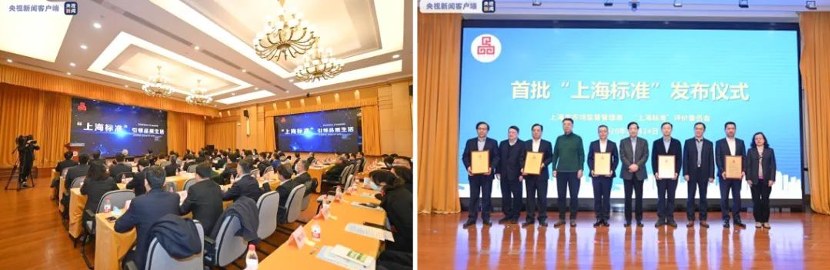
















The Global Center for Innovation and Entrepreneurship at Peking University, serving as a practical base for the university’s innovation and entrepreneurship education, marks a significant step in supporting national strategies for innovation and entrepreneurship. It also represents an attempt to comprehensively build an ecosystem for student innovation and entrepreneurship, fostering innovative spirit and optimizing the entrepreneurial atmosphere on campus.
From Mentor Appointment to Entrepreneurial Interviews
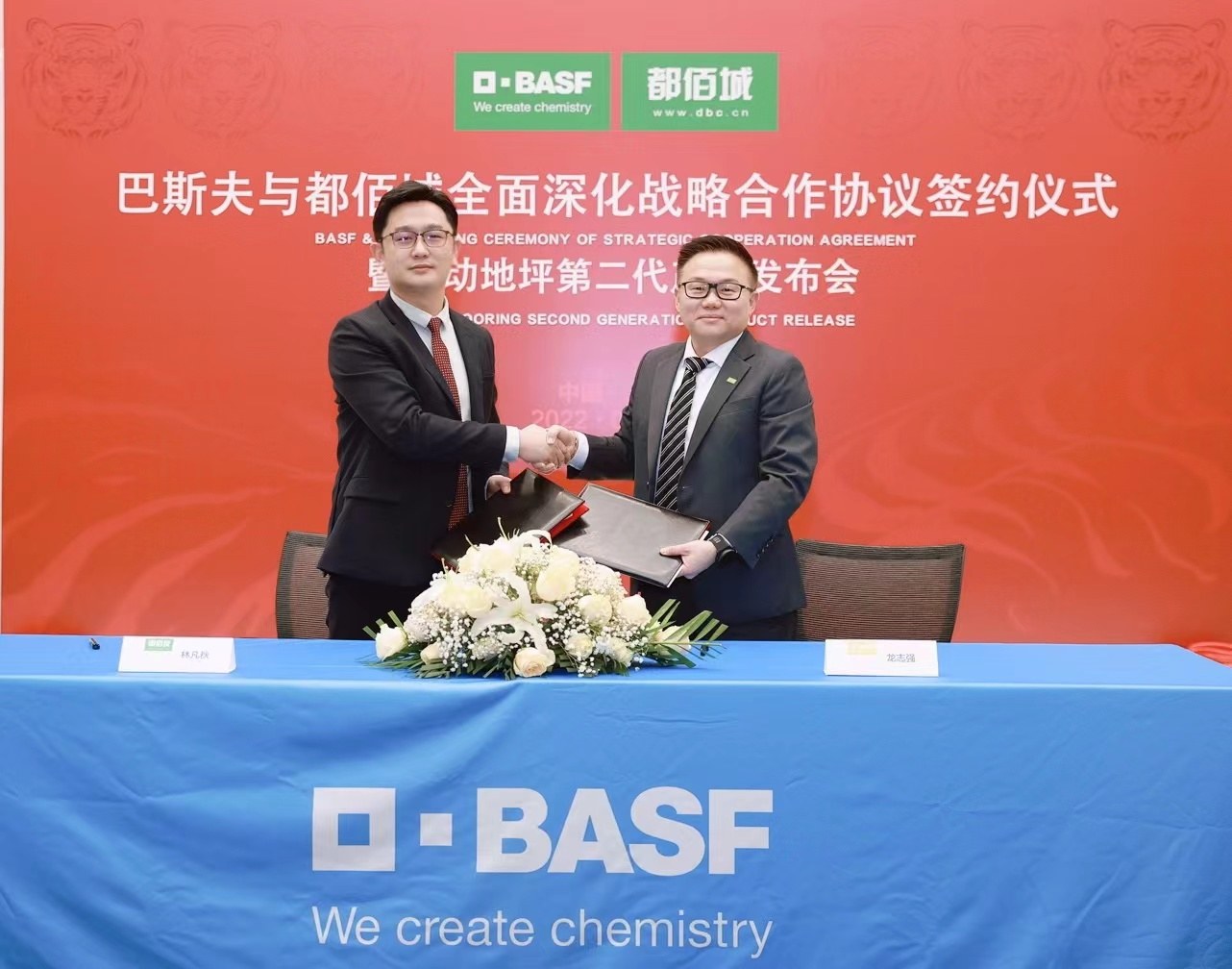
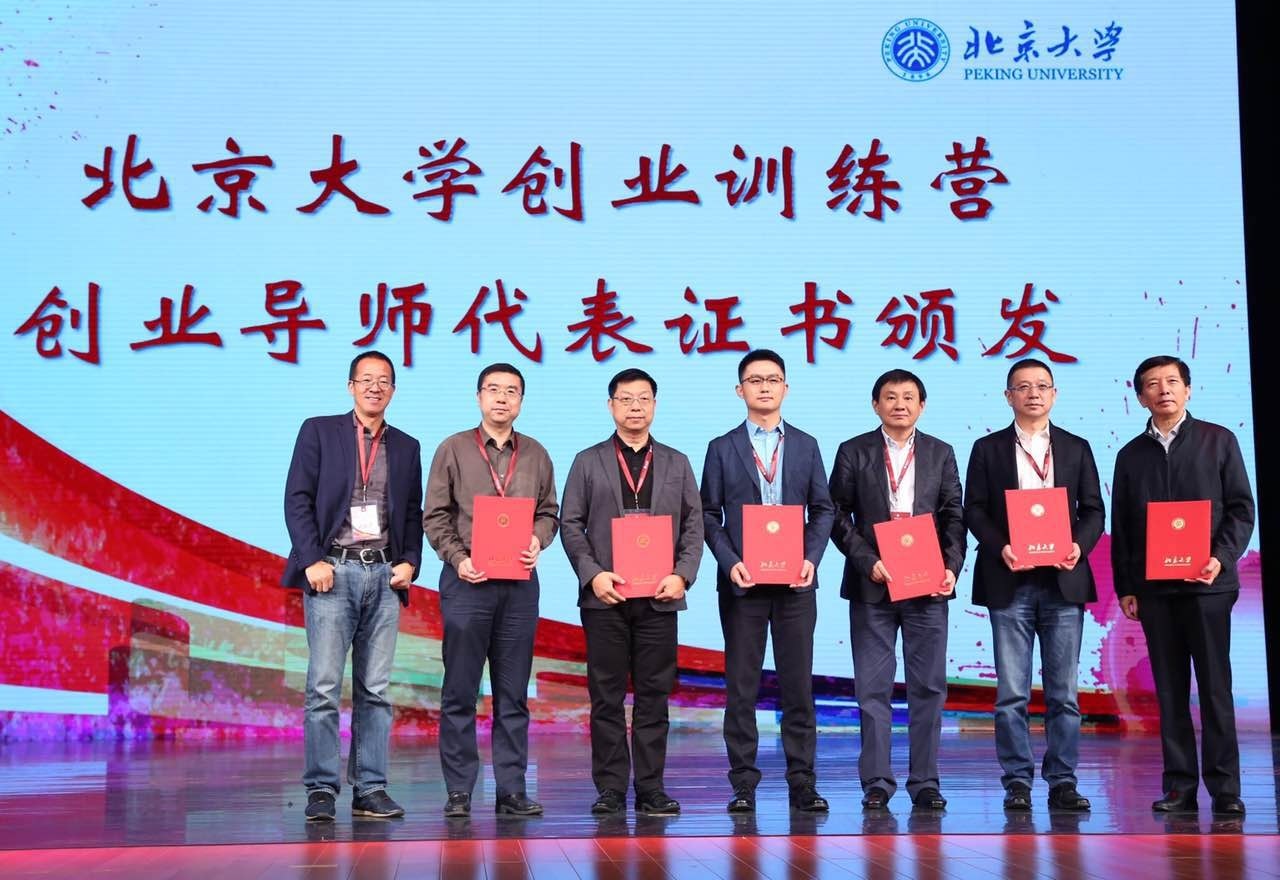
On that day, entrepreneur Lin Fanqiu from Shanghai received a special appointment certificate as a mentor for the Global Center for Innovation and Entrepreneurship at Peking University. At first glance, this young and handsome mentor gave the audience a fresh impression when he stepped onto the stage. Everyone was curious about what kind of guidance this young mentor would offer to the soon-to-be explorers. As I pondered how to approach him, Lin suddenly disappeared, and it took some time for me to locate him with a few colleagues.
After several attempts, I finally managed to get in touch with him. On the phone, Lin Fanqiu sounded like a seasoned teacher. He is from Jining, Shandong, a region known for Confucianism and Mencius. He has lived in Beijing and has been running businesses in Shanghai for many years. His speech was humble, cautious, and polite, much like his impression on me.
What surprised me was that Lin Fanqiu is deeply rooted in traditional and physical industries, which is quite different from what I had imagined. How can a young entrepreneur from Shanghai be passionate about innovation in traditional industries rather than high-tech sectors or even the internet? This only piqued my curiosity further. During our subsequent conversation, many of my questions were gradually answered.
To my surprise, Lin Fanqiu has deeply rooted himself in traditional and physical industries, a stark contrast to what I had imagined. How can a young Shanghai entrepreneur be passionate about innovation in the physical sector rather than high-tech industries? Even more surprisingly, it has nothing to do with the internet! This only piqued my curiosity further. During our subsequent conversation, many of my doubts were gradually clarified.
Most innovations are just a layer of window film that can be easily broken.
On Innovation and Core Competitiveness
When discussing entrepreneurship, he immediately elevates the conversation to a higher level, demonstrating seriousness and professionalism. He has many different perspectives on today's entrepreneurial community. He repeatedly emphasizes his own entrepreneurial status, hoping that entrepreneurs can remain calm and clearly understand the market and themselves, avoiding overconfidence and limiting their vision. At this point, I feel like I have caught a young entrepreneur with unique insights who dares to speak.
Lin Fanqiu points out that there is significant innovation potential in many sectors of the real economy and traditional industries, which urgently need to be updated. The business philosophy of traditional Chinese industries is still very backward, and Chinese proprietary materials are relatively low-end. Products and facilities we use in our daily lives often feature imported brands, even when holding a domestic product, its core materials and technologies are mostly controlled by foreign brand owners. 'The fierce competition in various internet services is a nightmare for most entrepreneurs. With nearly 1,000 teams working on the same service function across the country, only a few can survive.'
Discussing entrepreneurship and innovation, Lin Fanqiu always reminds me that entrepreneurs need to have independent thinking abilities while maintaining pure innovative awareness. He believes that many innovations believed to change the world are actually being planned by small entrepreneurial teams for various IPO schedules, with numerous incubators working hard, and some large companies waiting in the wings to capitalize on the user habits of small businesses. Most innovations are just a layer of window film, easily broken. We cannot guarantee that we are the fastest or best, nor can we be certain that our ideas will attract investors' funding. We should not waste our time piecing together dreams.
'The market is never short of hardworking individuals. The key to success lies in forming a team with successful traits, choosing the right direction, resisting the force of ignorance, and ensuring that the core of innovation is strong enough... These factors will determine success or failure.'
In the increasingly open market environment, voices of entrepreneurship and innovation are constant, but reality is harsh—entrepreneurship is easy, but becoming established is difficult. What is the core competitiveness of entrepreneurial enterprises?
Lin Fanqiu stresses that evolving from fragmented competitive structures to systemic ones is what defines core competitiveness. Most current innovative models are not complex; one can understand how to do it in just two minutes, which is why entrepreneurship is easy but becoming established is difficult. After deeply exploring their entrepreneurial direction, most people find it hard to convince themselves, struggle to keep up with changing trends, and cannot accurately predict their business models. 'We all work hard, but the reality often hits us hard afterward.'
'Specialize, deepen, and thoroughly understand an industry before crossing over and disrupting it.'
From Deepening in the Real Economy to Material Innovation
Despite his deep involvement in industrial innovation, Lin Fanqiu also has insights on the booming 'Internet+' trend. He says, 'Over the past few years, everyone has been pouring huge amounts of capital into internet service innovation, leading to a surge in entrepreneurs vying for what seemed like a lucrative market. This has created a cycle where resources are constantly reallocated, and soon after a technically sound startup emerges, it is often eroded by capital, leading to a bottomless pursuit of market value. Even more alarming is the large number of small business owners in traditional industries who, in an attempt to keep up with the trend, have squandered decades of accumulated wealth on internet innovation and various internet financial investments.' The innovative models that these groups focus on are generally not competitive and even outdated. However, in the eyes of some industrialists, these internet services hold great promise. How many internet startups have truly succeeded? What are they doing now? If your product has good development potential, how many people are engaging in similar innovations? Even if your innovation is not easily replicated and has a promising future, a copycat from BATW (Baidu, Alibaba, Tencent, Wanda) can outshine you by a century.
As the times continue to evolve, we spend less time on traditional industries, and it becomes increasingly easy to chase after trends. Cross-industry disruption has become the loudest voice of this era.
In Lin Fanqiu's view, it is not too late to focus on a particular industry, deepen its expertise, and then venture into cross-industry disruption to achieve one's original aspirations. For instance, just like the recently victorious 45th US President, Donald Trump, an elderly businessman, managed to become the president. What was his greatest political achievement? No one can verify it because he lacked political experience, but we know that he was a successful real estate developer. This shows that excelling in one's core business increases the likelihood of success in other areas. As one ascends, the height, perspective, and resources available to an entrepreneur are far beyond those of ordinary people.
Innovation and entrepreneurship in materials science present the best opportunities of this era.
As our conversation drew to a close, Lin Fanqiu returned to his core expertise and expressed hopes for young entrepreneurs.
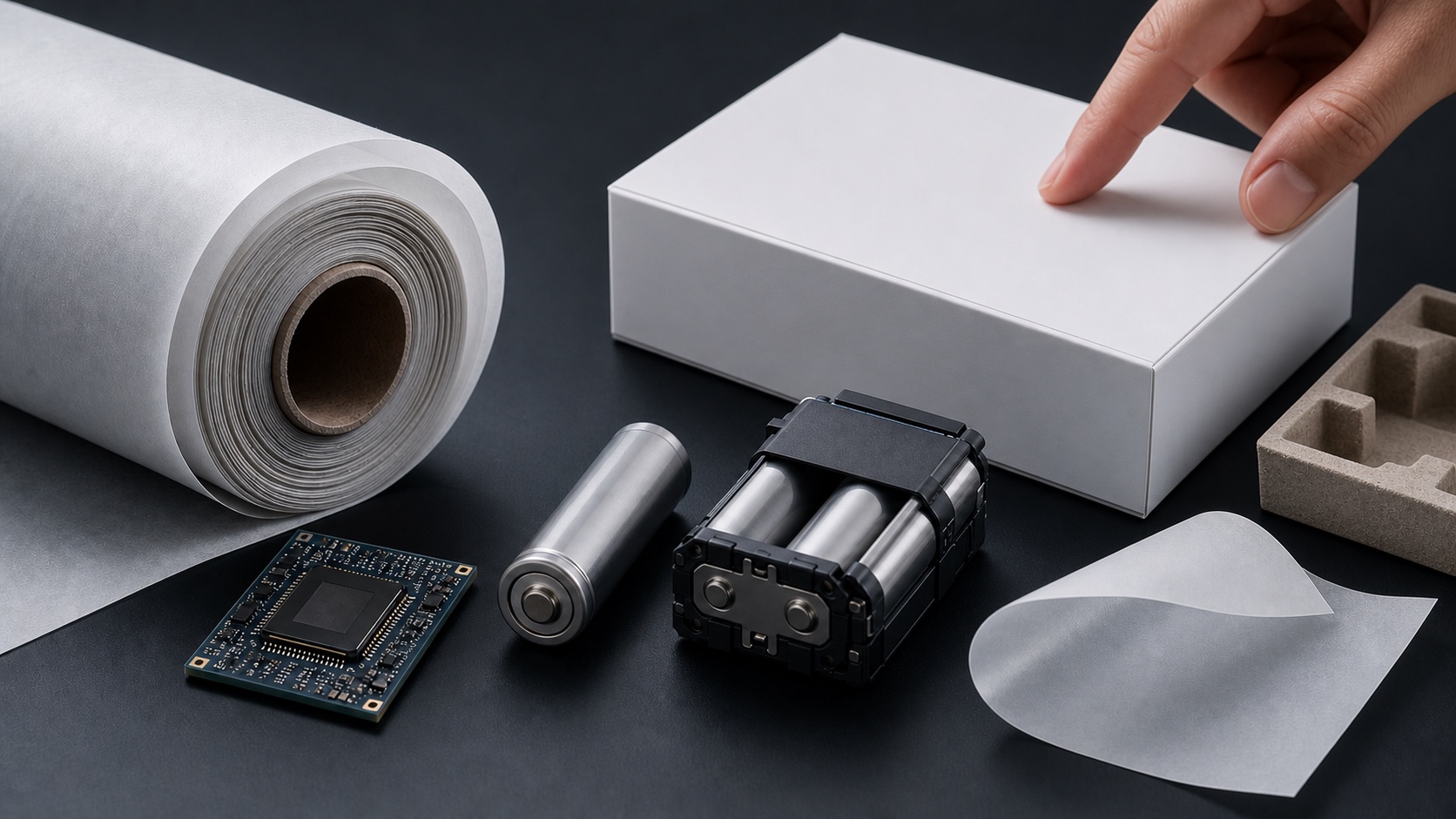
He predicted that a major revolution in the era of basic materials is imminent, with industrial innovation becoming a more grounded development direction and a new focal point of national and global interest. Cities need functionality, infrastructure needs updating, and human living environments will become more environmentally friendly and secure. Even if there are no significant opportunities in the current materials industry, innovation and entrepreneurship require materials to bring ideas to life. The application of materials in innovation and entrepreneurship is the best opportunity of this era. The new path of industrial revitalization urgently requires a large number of outstanding young people to participate, enhancing overall innovation awareness, updating business models, stimulating research and development in China's materials industry, and making good products speak for themselves.
He noted that the success or failure of startups is largely determined within the first few years. Going where there are fewer people avoids congestion and less intense competition. Entrepreneurship requires rational thinking, technological support, and learning, all of which require time to test and correct. Most current innovation fields do not provide the opportunity for calm reflection, and the pressure to be fast-paced has become a dead end for entrepreneurs. He hopes that young entrepreneurs develop a sense of self-awareness, as this will lead to automatic actions.
What is capability? Lin Fanqiu often reminds himself and his friends that 'capability' is not just about having professional knowledge, experience, and methods. We cannot casually define ourselves as capable individuals. Success comes from diligence, opportunity, and wisdom, all of which are indispensable. Wisdom is not innate but can be learned. A wise person is first honest, and then they work hard. To build a great enterprise, we must be diligent and work hard because the more effort we put in, the luckier we become, and opportunities will follow.
By delving into the materials industry, we can discover many niche areas, each of which holds immense potential and provides ample space for young people to realize their dreams. Lin Fanqiu hopes that the self-aware and automatic capabilities of this era's young entrepreneurs will flourish in industrial innovation. This will enable the tools of global change, such as the internet, to support real industries, driving a global revolution in basic materials and new material applications.