















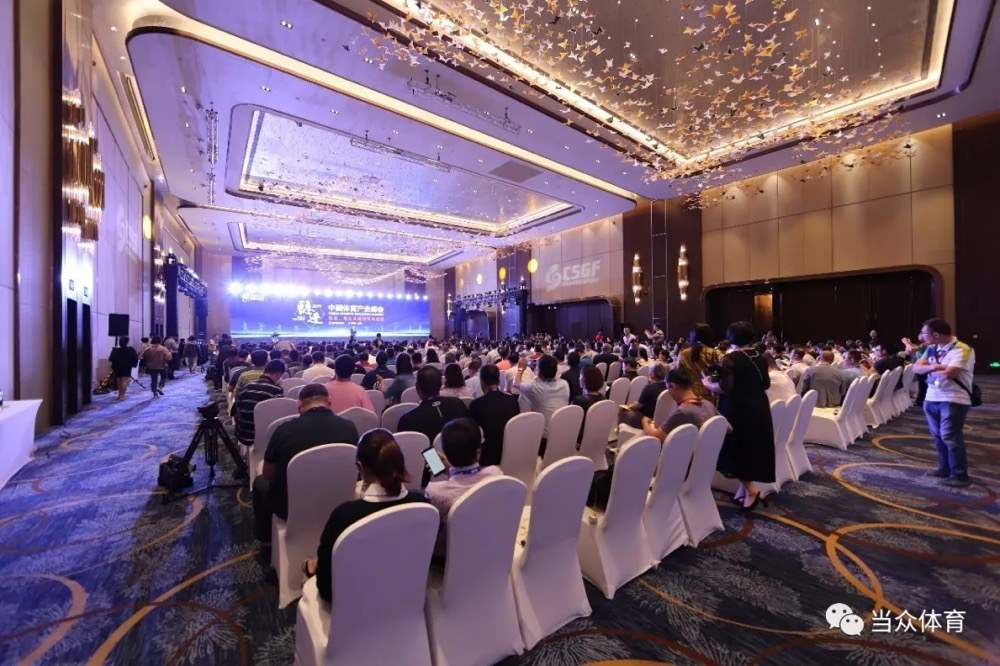
On May 22, the China Sports Industry Summit, a brand-level event of the International Sports Goods Expo, was held at the Grand Shangri-La Hotel in Shanghai. Deputy Director Li Yingchuan of the General Administration of Sport of China (GASC), Vice Chairman Jiang Xiaojun of the Standing Committee of the National People's Congress and Dean of the School of Public Policy and Management at Tsinghua University, Director Liu Fumin of the Economic Department of GASC, President Li Hua of the China Sports Goods Industry Association, Shanghai Sports Bureau Director Xu Bin, and over 600 industry experts and practitioners attended the summit.
Driving Innovation to Upgrade the Sports Goods Industry
As a new growth point in the national economy, the sports industry has shown significant effects in social, economic, and ecological development. Since the release of Document No. 46 by the State Council in 2014, the sports industry has rapidly become a new economic hotspot, thanks to policy incentives and resource aggregation. Deputy Director Li Yingchuan of the General Administration of Sport of China (GASC) stated,
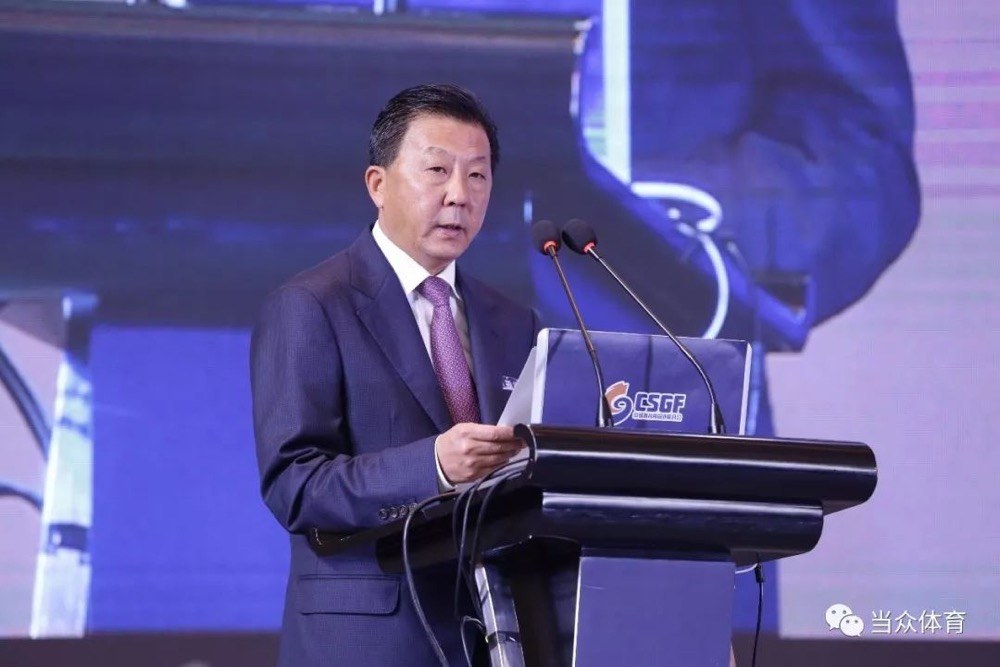
Deputy Director Li Yingchuan of the General Administration of Sport of China
How can we promote the high-quality development of the sports industry, particularly in sports equipment, in the next phase?
Li Yingchuan noted, 'Firstly, we should drive the transformation and upgrading of the sports equipment industry through innovation, seizing major opportunities brought by the new round of technological and industrial revolutions. Secondly, we should integrate with sports reforms to expand the development space of the sports equipment industry. We will develop more new materials, technologies, and equipment, and create a wider range of user-friendly sports equipment, especially for winter sports equipment, to meet fitness needs. Lastly, we should adhere to market orientation to build well-known sports equipment brands.'
Promoting Development and Governance in Tandem
At the China Sports Industry Summit, Jiang Xiaojun, a member of the Standing Committee of the National People's Congress and Dean of the School of Public Policy and Management at Tsinghua University, illustrated the significant promotion of the sports industry by Document No. 46 through a micro-data example—the change in the number of gyms. 'In our neighborhood, there was only one gym within a 600-meter radius in 2015. By July 2018, there were ten gyms,' she said. The same pattern was observed in other communities, with 8-10 gyms within the same radius at the same point in time.
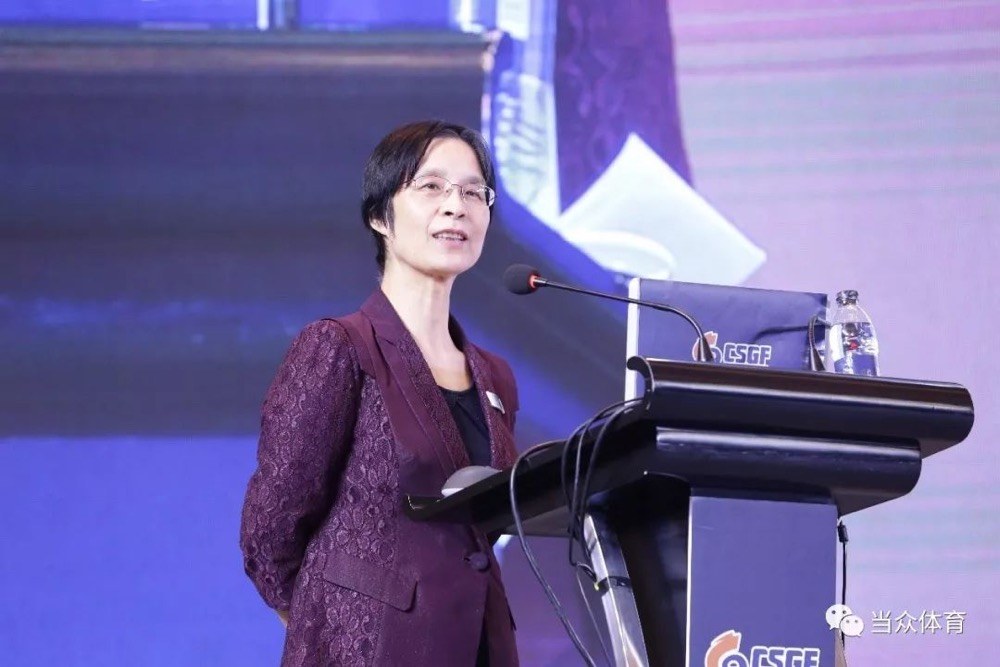
Jiang Xiaojun, a member of the Standing Committee of the National People's Congress and Dean of the School of Public Policy and Management at Tsinghua University
Jiang Xiaojun also noted that five years is not a long time, but significant changes have occurred. These changes may have a more pronounced impact on the sports industry than on the overall economy, bringing new challenges.
Jiang Xiaojun acknowledged that China's sports industry is characterized by the strong engagement of both government and market forces. The coexistence of these two forces could lead to a situation where incentives are multiplied but contradictions are also intensified, resulting in a rapid yet 'chaotic' development. Therefore, while promoting development, effective governance is also essential. This dual approach, which emphasizes both development and governance, is an appropriate model for the development of China's sports industry.
Steady Progress and Open Development
As the industry association and organizer of the summit, the China Sports Equipment Industry Association has been committed to promoting the healthy and sustainable development of the industry. Following the theme of 'stability' for the year, President Li Hua of the association delved into the depth of this concept. On one hand, the new phase of China's economic development emphasizes stability, making the long-term nature of the sports industry more evident. This requires all parties to take a more steady approach. On the other hand, the new positioning of the sports industry as a new growth point for the national economy places higher demands on focusing on core competitiveness and on proactive innovation and assuming the role of a pillar industry.
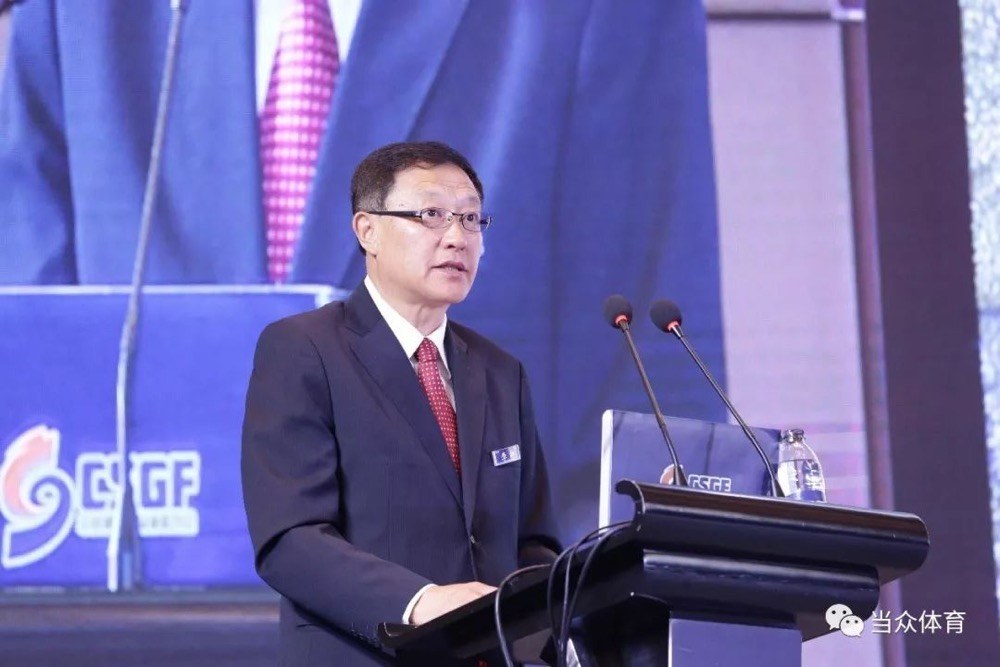
President Li Hua of the China Sports Equipment Industry Association
Li Hua also expressed firm confidence in the development of the sports industry, stating: 'The cross-sector integration attributes of
As a benchmark for the development of the sports industry in the new era, Shanghai is actively building itself into an 'International Sports Event Capital.' The city has achieved many outstanding results in various development initiatives and innovative practices. Shanghai's Sports Bureau Director Xu Bin particularly emphasized that by boldly 'opening up' and adeptly 'being open,' the sports market will continue to expand.
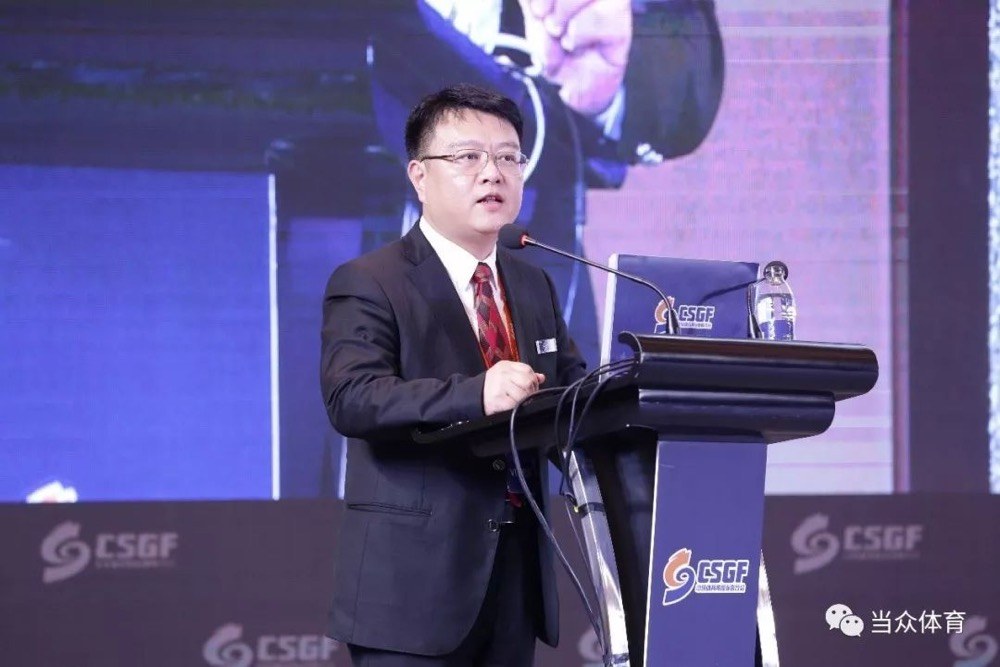
Shanghai Sports Bureau Director Xu Bin
Xu Bin stated that based on a year-long in-depth survey, last year we addressed the pain points, difficulties, and bottlenecks in the development of Shanghai's sports industry by pushing the Shanghai municipal government to issue the 'Several Opinions on Accelerating the Innovative Development of the Sports Industry in Our City,' which we refer to as the '30 Measures for Sports Industry.' The goal is to build four key systems: the first is a sector system led by competitive performance and fitness leisure industries; the second is a market system dominated by internationally competitive sports enterprises, while from a government perspective, we aim to serve both large and small businesses; the third is a spatial system centered on major sports venues and industrial clusters; and the fourth is a support system focused on industrial policies and business environment.
By 2020, the total scale of Shanghai's sports industry is expected to reach around RMB 200 billion. By 2025, we aim for it to grow to RMB 400 billion, positioning Shanghai as a world leader in the sports industry. By 2035, the development level of the sports industry should align with the city's strategic goals, that is, becoming a global city of excellence.
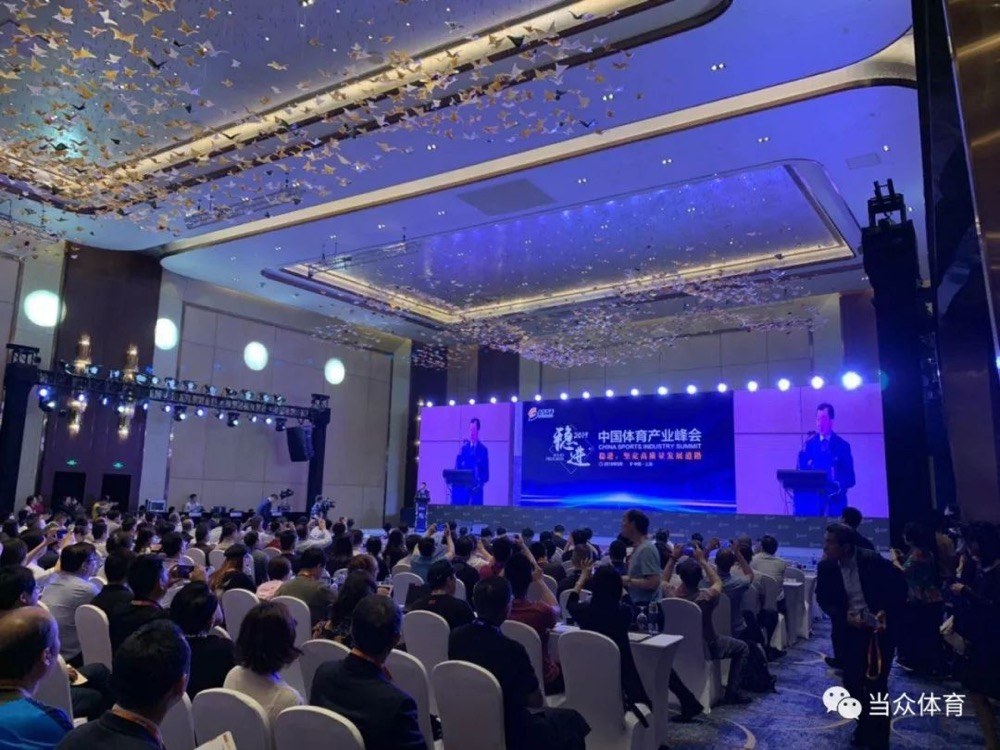
The China Sports Industry Summit is organized by the China Sports Goods Industry Association with support from the State General Administration of Sport. Since its inception in 2013, it has maintained its position as an 'industry thought leader,' focusing on key issues and hot topics in industry development. In 2019, the summit's theme was 'Steadfast Progress: Firmly Advancing High-Quality Development.' It aimed to review the steady progress of the sports industry over the past five years since the issuance of Document No. 46 from the State Council, delve into new thoughts and practices in building core competitiveness in the sports sector, and gather wisdom to drive high-quality development in the sports industry, guiding all parties involved to move forward together.