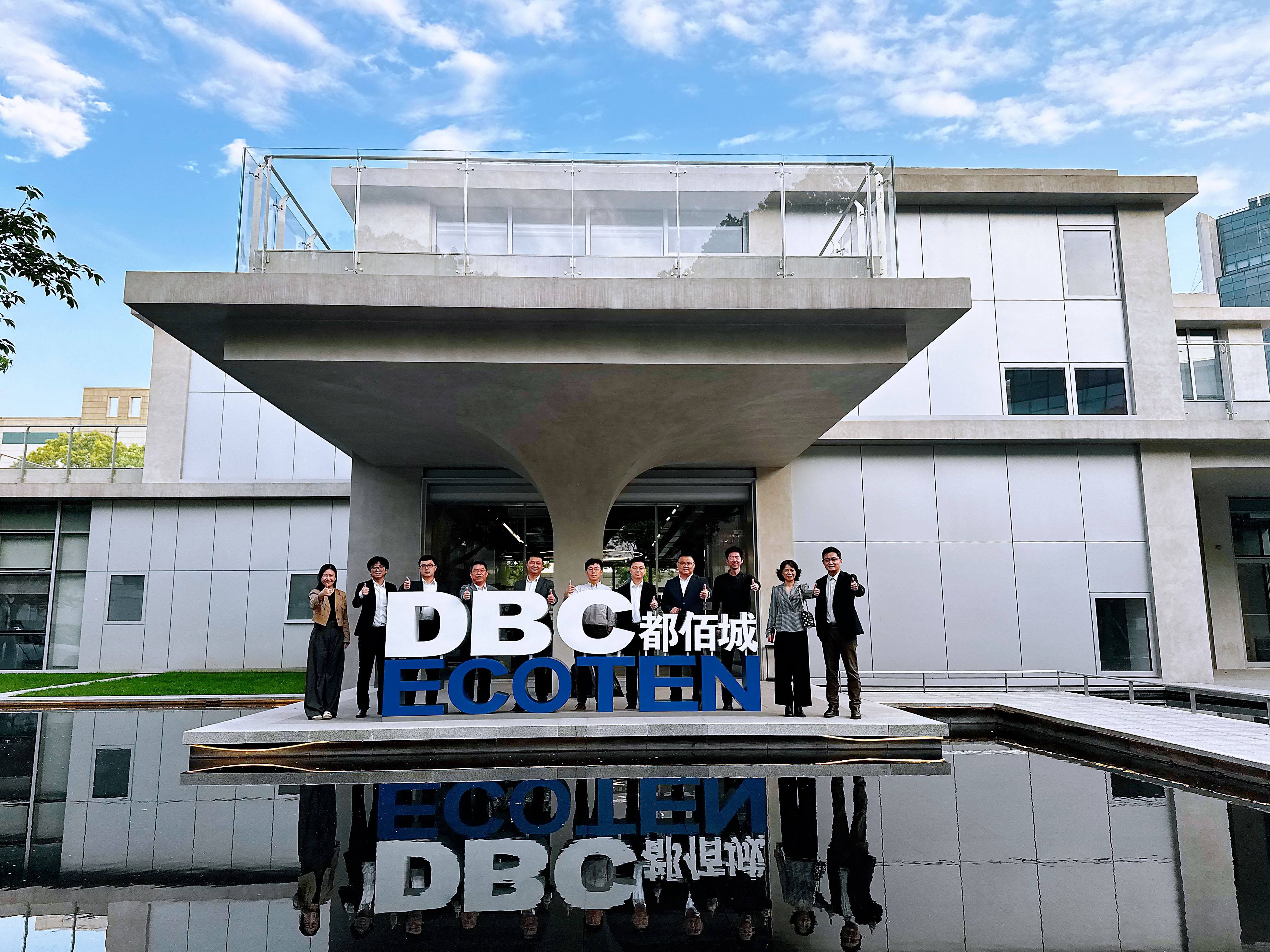






On April 22, DBC Shanghai Innovation Center, DBC and Beijing Bluepha launched a new round of "In-depth Collaborative Innovation Acceleration Model". Based on complementary advantages and win-win collaboration, both parties focused on accelerating the industrialization of microbial PHA component modification and nanodispersion technology.
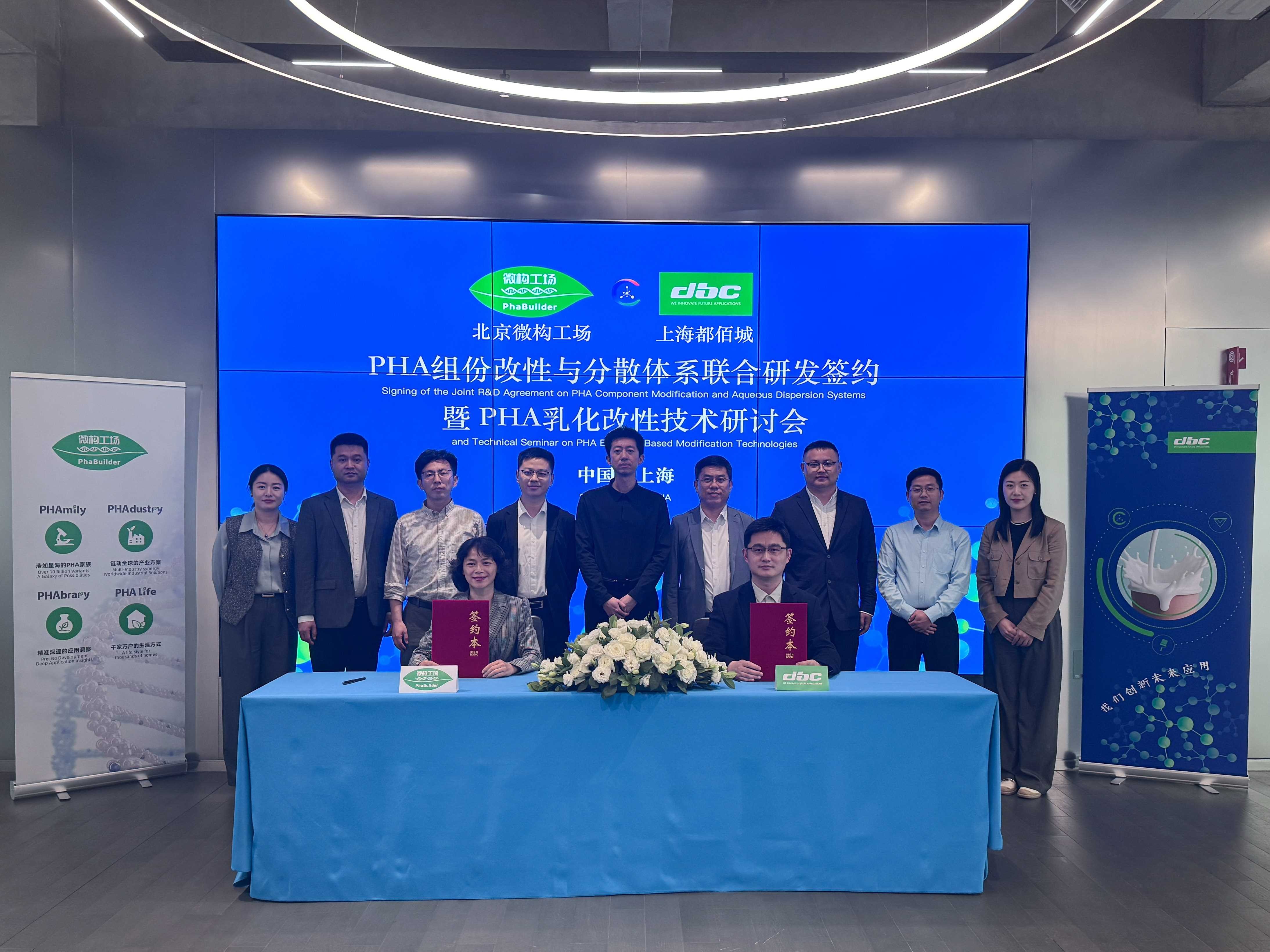
The main leaders of the R&D and technical service teams of both parties had an in-depth exchange of opinions around the following five core links and reached a consensus:
Precise carbon source preparation: select sustainable, high-conversion carbon sources to improve PHA yield and molecular weight controllability.
Fermentation process optimization: Introduce online monitoring and intelligent control to achieve dynamic optimization of key parameters such as temperature, pH, and dissolved oxygen, significantly improving cell productivity.
Improved separation and purification efficiency: A combination of high-efficiency centrifugation and membrane separation and other composite technologies are used to ensure that the recovery rate and purity of PHA polymer meet the modification needs.
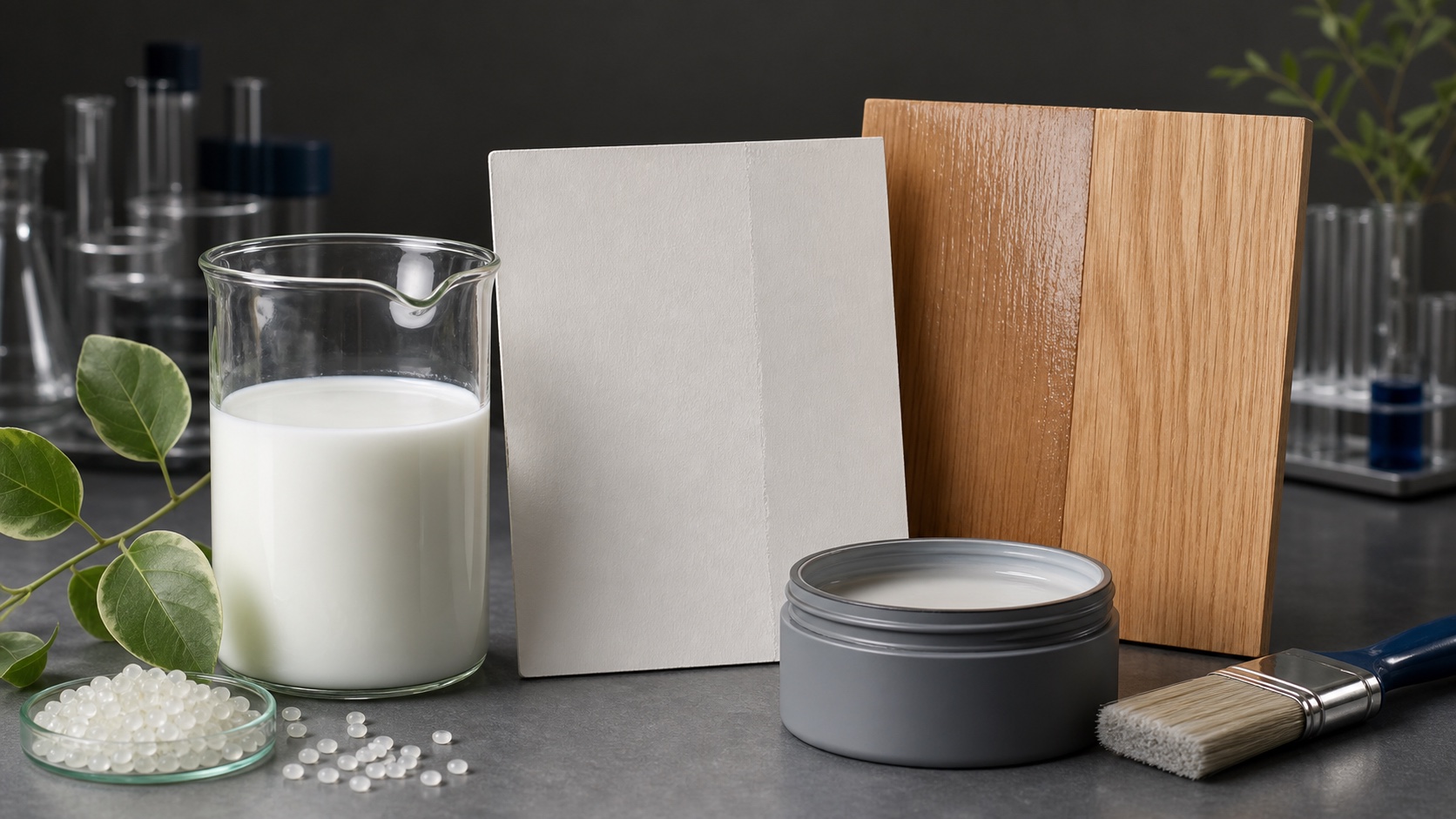
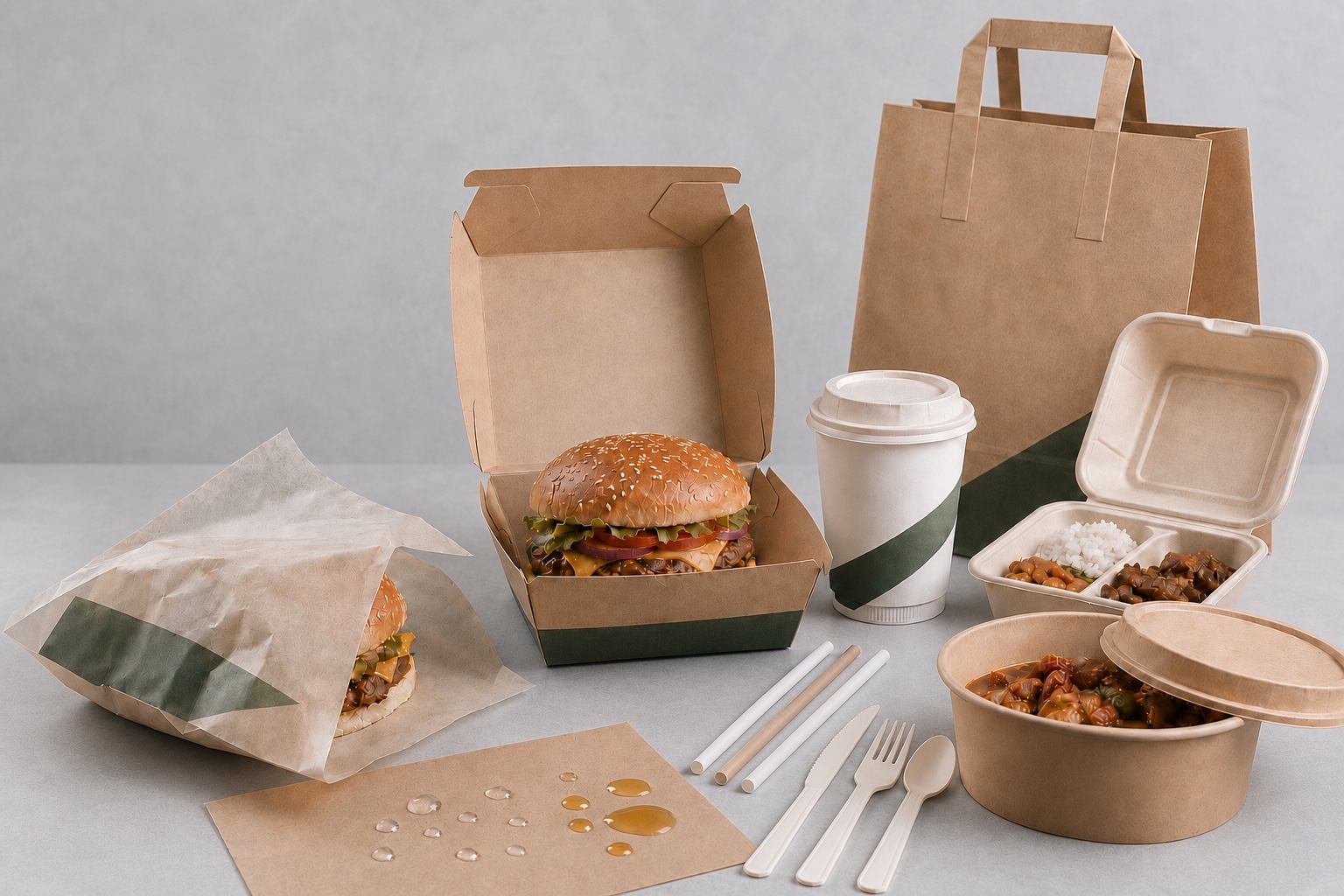
Component copolymerization modification: Through the synergistic effect of graft copolymerization and functional additives, the compatibility of PHA and polar additives is improved, and the barrier properties and heat sealing properties of the coating are significantly enhanced.
Nano-dispersion mechanism: Based on the high-shear emulsification and interface control technology of Bioten biopolymers, a nano-scale emulsion with a narrow particle size distribution is constructed; the Zeta potential is monitored online throughout the process to ensure that the system is dispersed and stable for a long time without settling or aggregation.
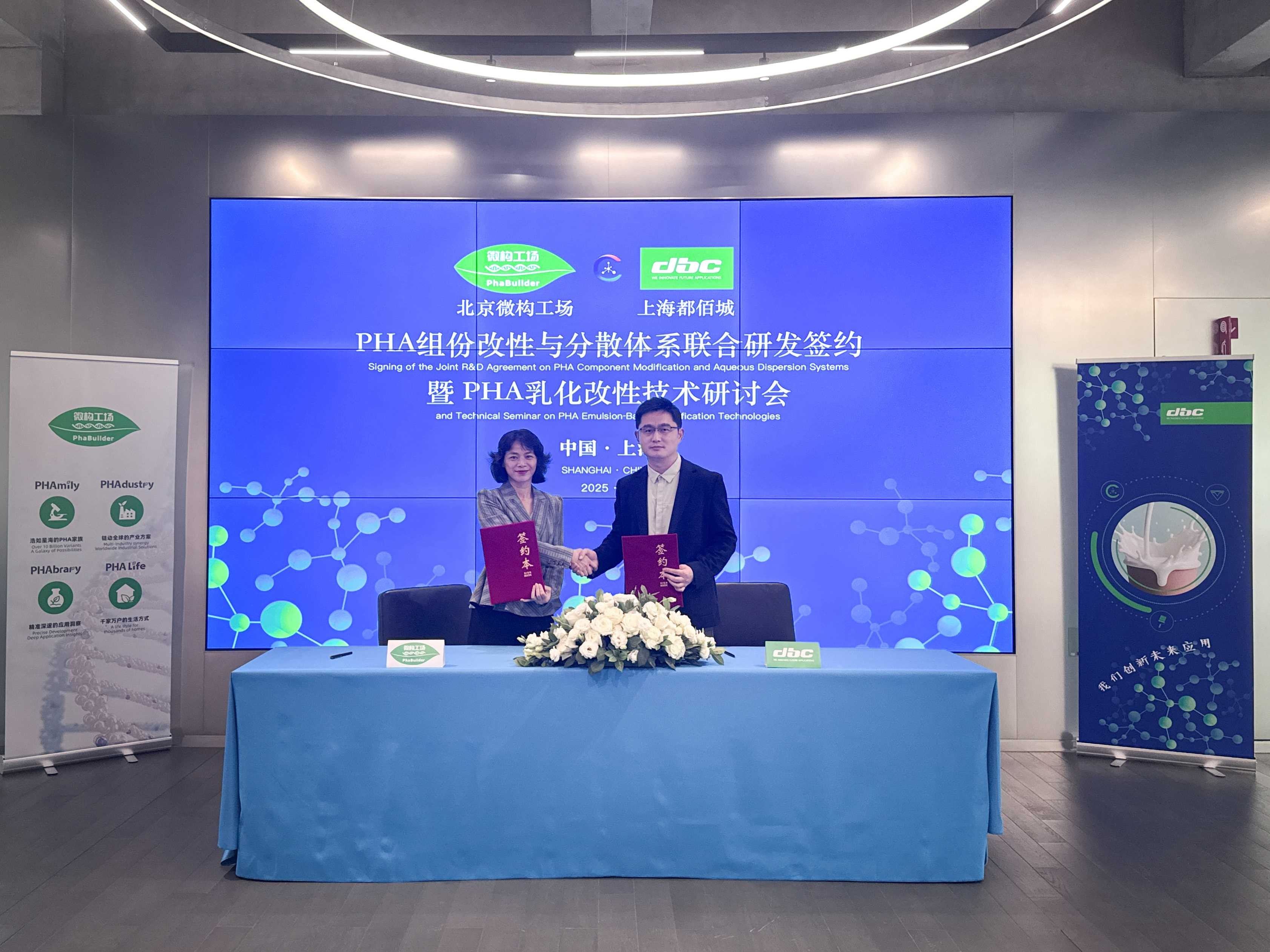
Lin Fanqiu, chairman of DBC Group, said: "This accelerated model will give full play to DBC's advantages in functional coating formulation and equipment integration, and work together with Bluepha and Jinguang Paper to continuously optimize the upstream and downstream application processes, and jointly promote the scale and marketization of bio-based materials in the field of paper-based packaging."
Xu Xuanming, chairman of Beijing Bluepha, pointed out: "Relying on our technological accumulation in PHA fermentation and multi-carbon source utilization, combined with DBC's in-depth research and development in nano-emulsion and coating applications, the two parties will achieve full-process collaboration of 'upstream and downstream integration' and accelerate the transformation of products from prototypes to mass production."
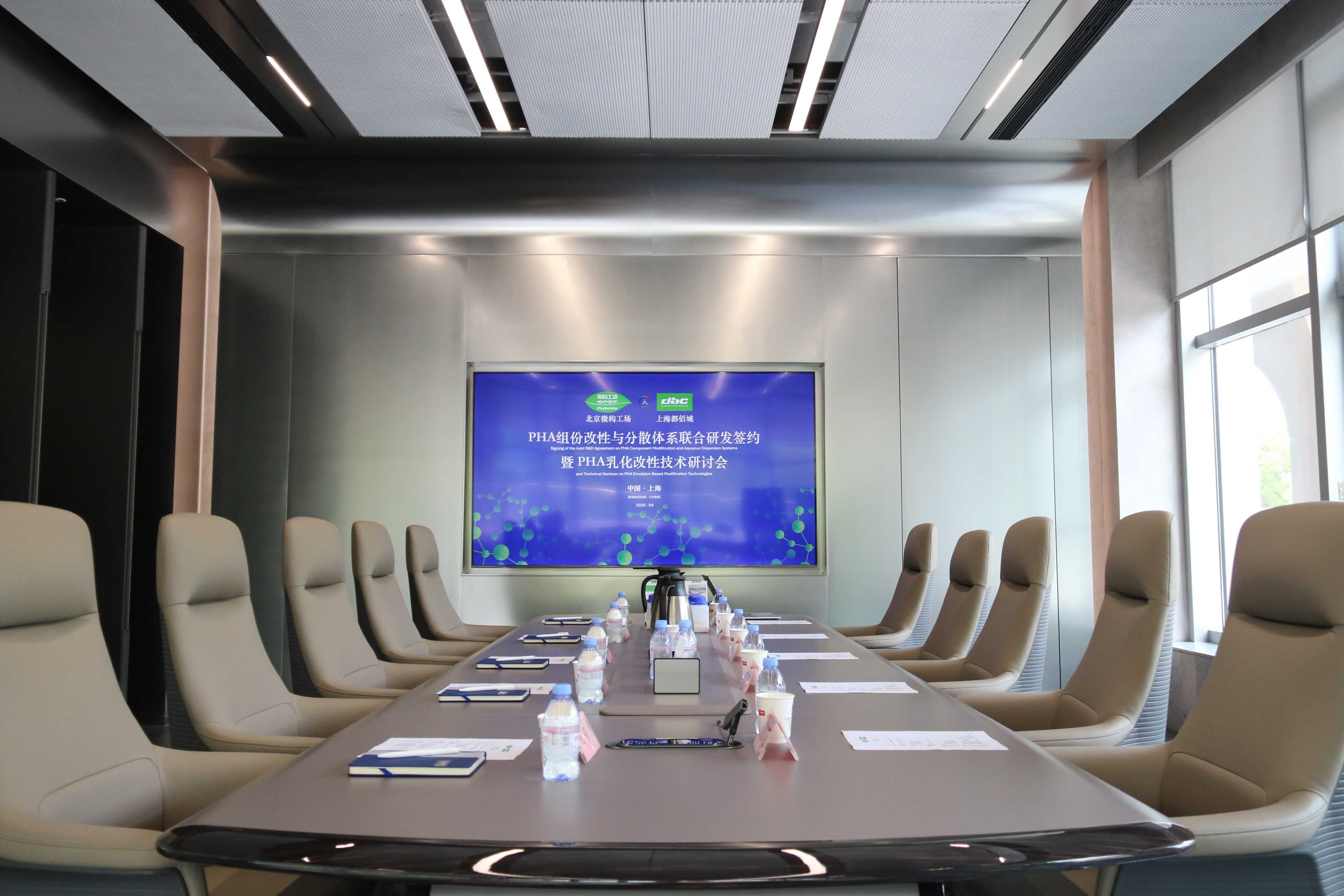
Technical briefing discussion and collaborative consensus
After the two company leaders reached a strategic consensus, the R&D teams of both parties immediately held a technical briefing seminar that lasted several hours, and conducted in-depth discussions on key aspects of the entire process such as green carbon source screening, fermentation process optimization, component copolymerization modification, and nanodispersion mechanism. This "In-depth Collaborative Innovation Acceleration Model" has clarified the key points of technological research, industrialization promotion path and collaborative division of labor mechanism, fully demonstrating DBC's advantages in functional coating formulation and equipment integration, the technology accumulation of the microstructure factory in the fields of PHA fermentation and multi-carbon source utilization, and the supporting role of APP Jinuang Group in paper manufacturing and downstream application demonstration. All parties will adhere to the concepts of "openness, collaboration, win-win, and responsibility" and be oriented to solving industry pain points, and jointly promote the large-scale production and market application of microbial PHA component modification and nano-dispersion technology.