




News from Dublin: according to Tsinghua University's Center for Synthetic and Systems Biology, Professor Guo-Qiang Chen has received the 2026 Bernard Witholt PHA Award at the 20th International Symposium on Biopolymers (ISBP).
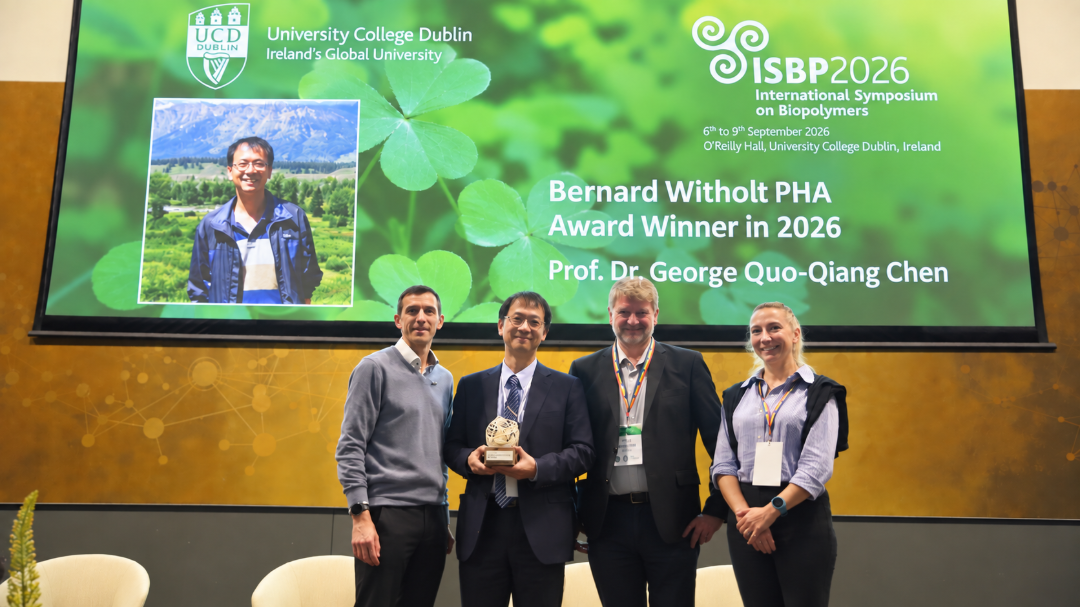
Founded in 1988, the International Symposium on Biopolymers is one of the leading international academic meetings in its field. The Bernard Witholt PHA Award recognises scientists who have made key contributions to PHA research: researchers whose sustained work advances the technology and expands its applications.
Research sources: Tsinghua Center for Synthetic and Systems Biology | Award announcement (May require WeChat access); introduction to the inaugural PHA Award; Tsinghua University | 2023 International Metabolic Engineering Award
Choosing a bacterium that can withstand microbial competition
Polyhydroxyalkanoates (PHA) are a family of polyesters that microorganisms can synthesise. Chen has spent nearly four decades studying how to produce them.
A production strain may perform well in the laboratory but face contamination by other microbes in a large fermentation vessel. Preventing contamination, sterilising equipment and maintaining suitable conditions all incur capital and operating costs. Factories need strains that perform reliably under real production conditions.
Chen and his team looked to extreme environments. According to an interview in China Science Daily, in 2006 they found Halomonas bacteria in samples collected from Ayding Lake in Xinjiang.
These bacteria thrive in saline, alkaline conditions, where many other microorganisms struggle to compete. The team investigated whether this advantage could enable PHA production with less reliance on stringent sterilisation procedures.
Removing a sterilisation step can change a factory's steam demand, equipment requirements and operating arrangements. Choosing a production strain is also a way of finding a more suitable manufacturing process.
In a paper published in 2011, the team reported 14 days of open, non-sterile continuous fermentation producing polyhydroxybutyrate (PHB), a member of the PHA family. The salt-lake microbe's distinctive capabilities were proving useful for manufacturing.
Natural capabilities alone were not enough. Before the bacterium could be made to produce as required, the team needed a way to engineer it. The interview records that this new strain lacked ready-made genetic tools, so the team spent five years developing dedicated ones. Having found a promising strain, they established the means to keep improving it.
Research sources: Tsinghua University's republication of China Science Daily | Chen's path to industrialisation; original paper | Open continuous fermentation
Bringing factory problems back to the laboratory
Once the bacteria could grow and synthesise the material, the next challenges came from the factory.
Cell separation is one example. A procedure carried out in a centrifuge tube in the laboratory becomes a bulk processing challenge in a factory. According to the China Science Daily interview, the team used morphological engineering to enlarge the cells and improve centrifugation efficiency. Even cell size was redesigned to meet manufacturing needs.
Discussing the Beijing production line with China Science Daily, Chen later explained: “A problem that arises at the factory in the morning can be brought to our laboratory and solved that afternoon.”
Production problems could thus reach the researchers quickly. The factory also became a source of new research questions.
Chen and his team followed these problems beyond the strain itself into production processes and equipment. The 2024 ISBP Industry Award recognised their contributions to PHA industrialisation through the synthetic biology of halophilic bacteria and Next Generation Industrial Biotechnology (NGIB). Tsinghua's award announcement noted that the technologies had been scaled up at several companies.
Research sources: China Science Daily | The laboratory and production line; Tsinghua University | ISBP Industry Award announcement
Establishing a process, then making it better
Halomonas offers advantages for open fermentation, but its high salt requirements create further questions: can cultivation conditions become more flexible, and can the burden of downstream processing be reduced?
In February 2026, Tsinghua announced a new advance by the team. By engineering the strain to reduce its salt requirements, the researchers achieved open, non-sterile cultivation in a 7 L bioreactor at a sodium chloride concentration of 5 g/L.
The team continued to refine the strain, revisiting even the saline environment that had originally given it a competitive advantage.
This is where accumulated research pays off: the better a microorganism is understood, the more effectively it can be adapted for production.
Industrial partnerships are also advancing. Angel Yeast disclosed that Hubei PHAngel Biotechnology's PHA project in Yichang has a planned total capacity of 30,000 tonnes per year, including 10,000 tonnes in its first phase. The project brings together Beijing PhaBuilder's use of Tsinghua technology and Angel Yeast's experience in fermentation manufacturing and the industrial value chain.
For China's biomanufacturing sector, this is a concrete and significant development. Microorganisms researched and engineered in China are advancing alongside domestic engineering teams and manufacturing facilities. The result is more than a material: it is a body of experience that can inform the next process improvement, product adjustment or production expansion.
Research sources: Tsinghua University | Advances in low-salt open cultivation; Angel Yeast | Business in new biological materials
Helping change the humble paper cup
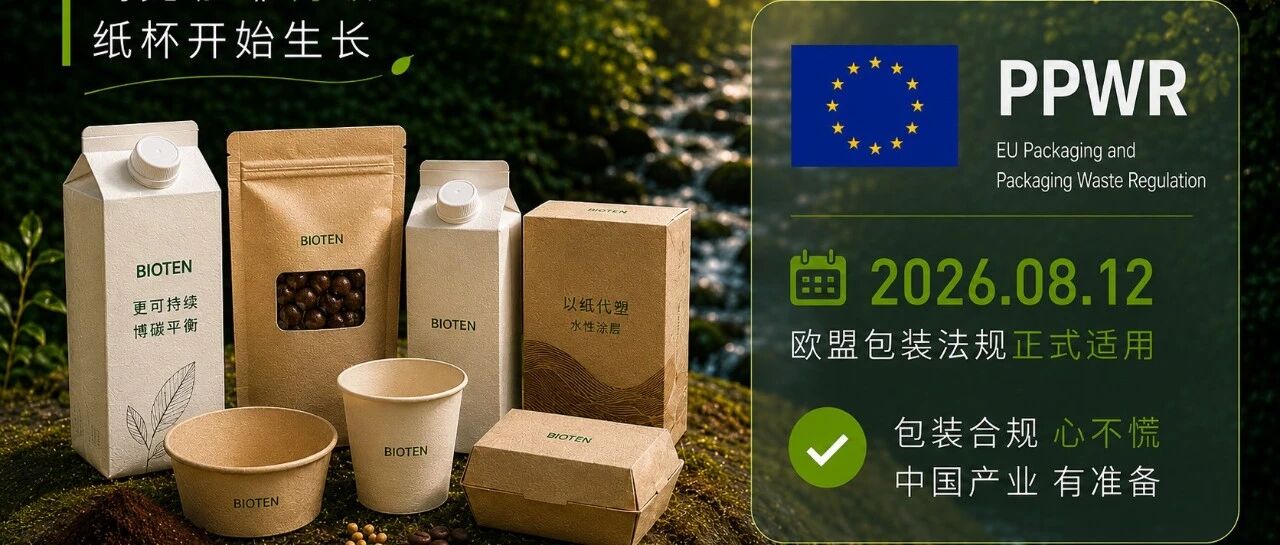
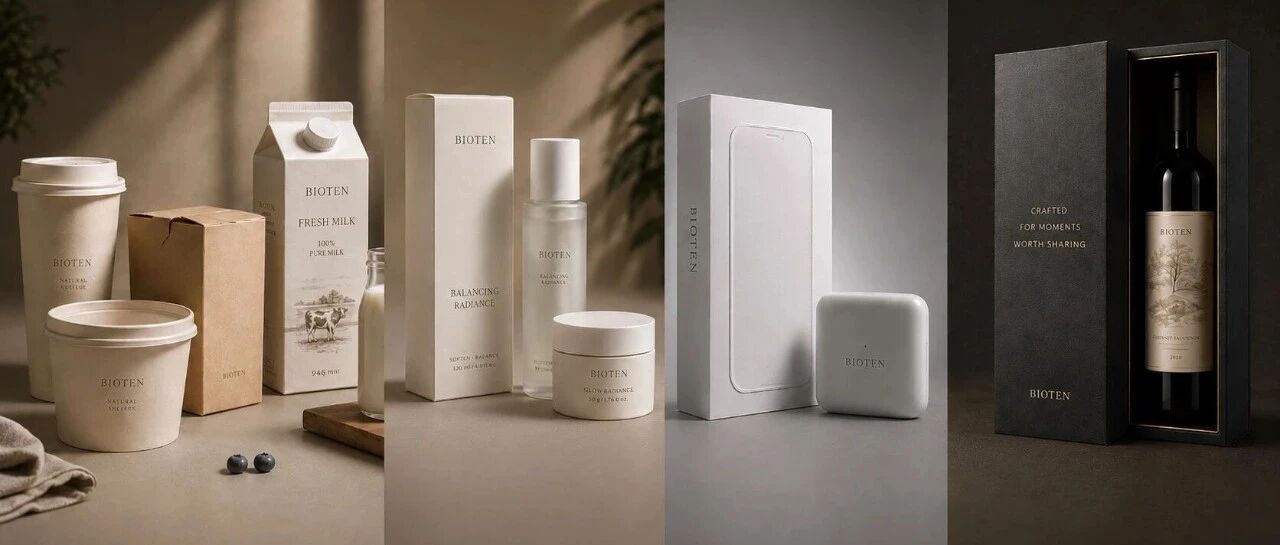
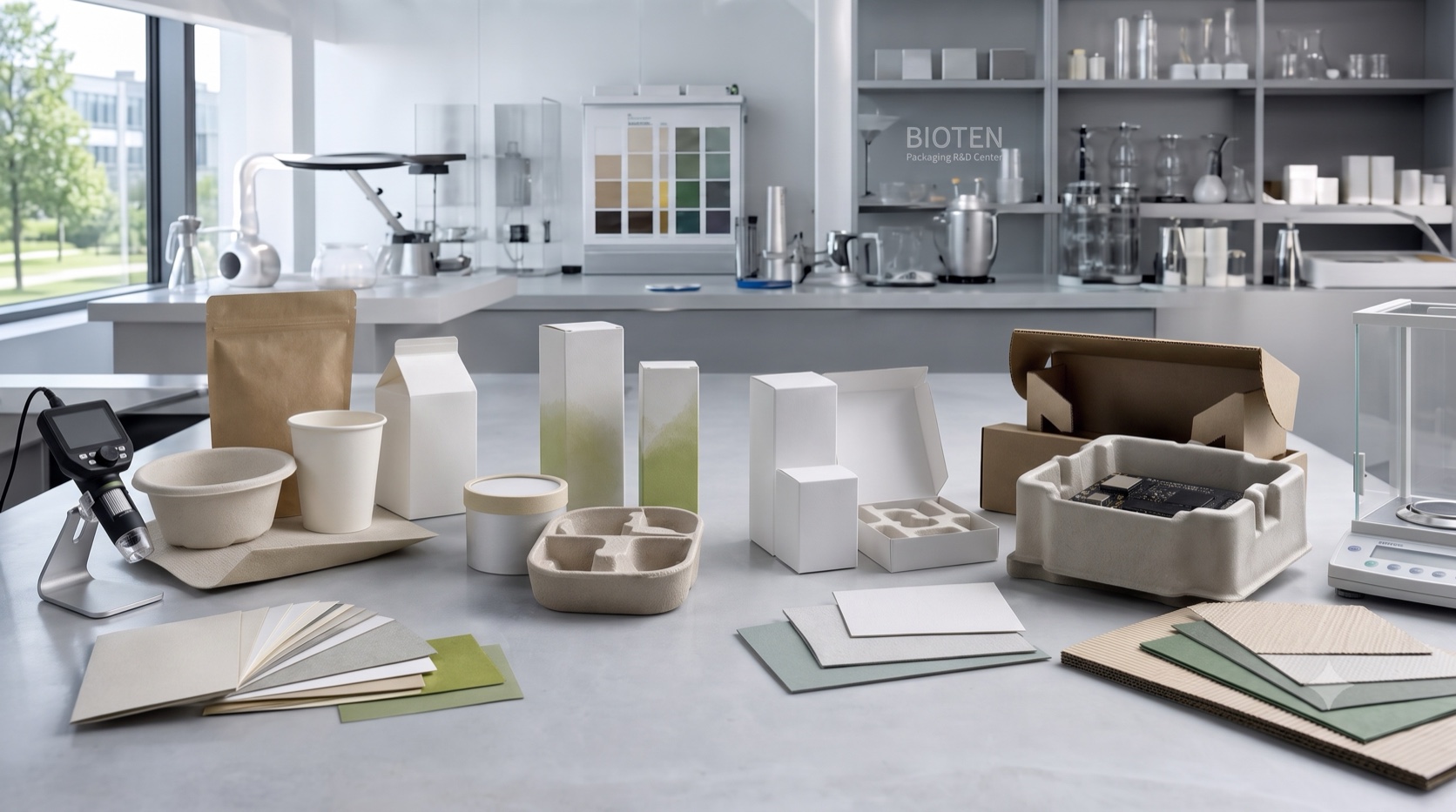
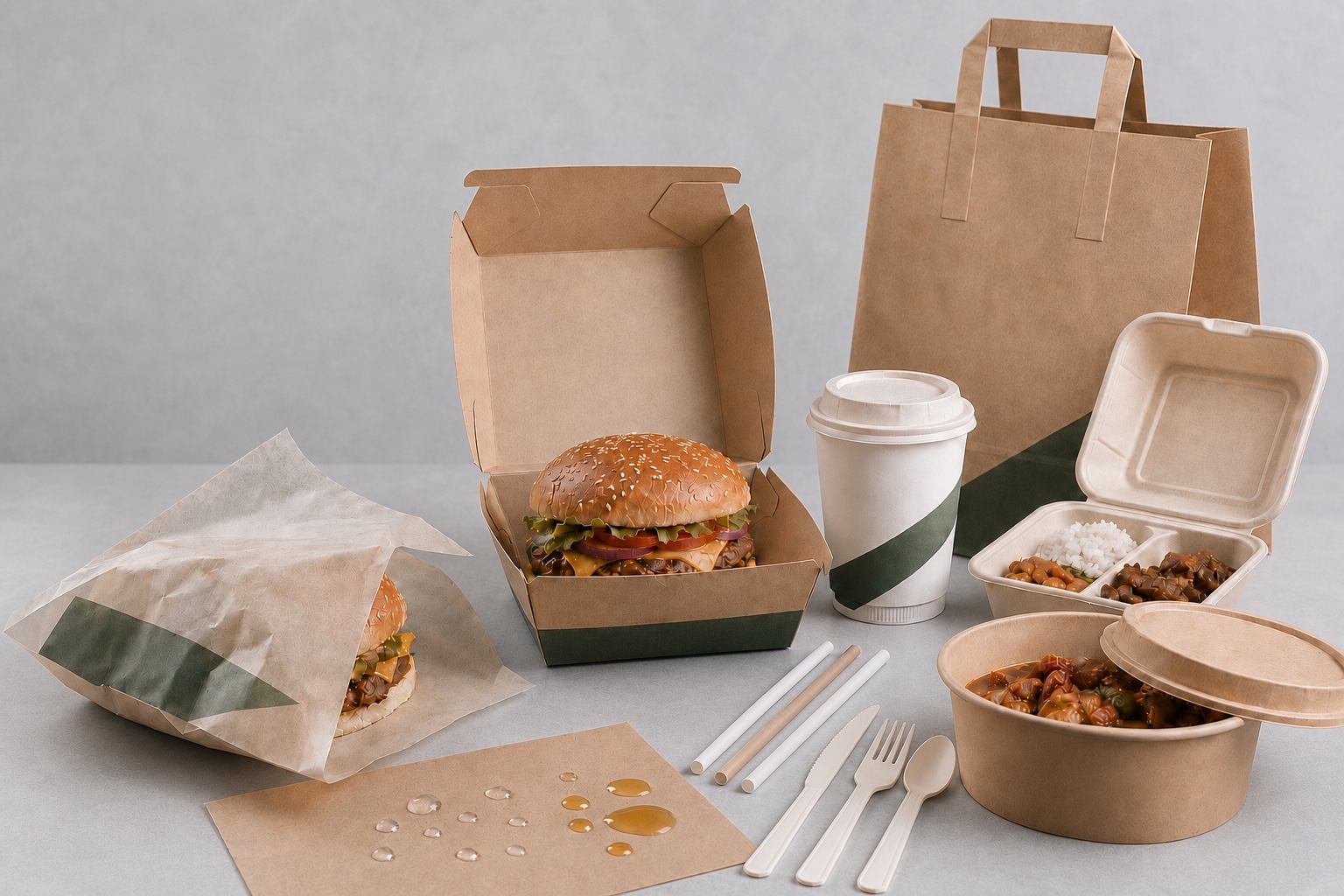
A small paper cup can have wider environmental significance. Beyond producing PHA, Chen is working with application partners to introduce it into paper cups, food containers and food packaging.
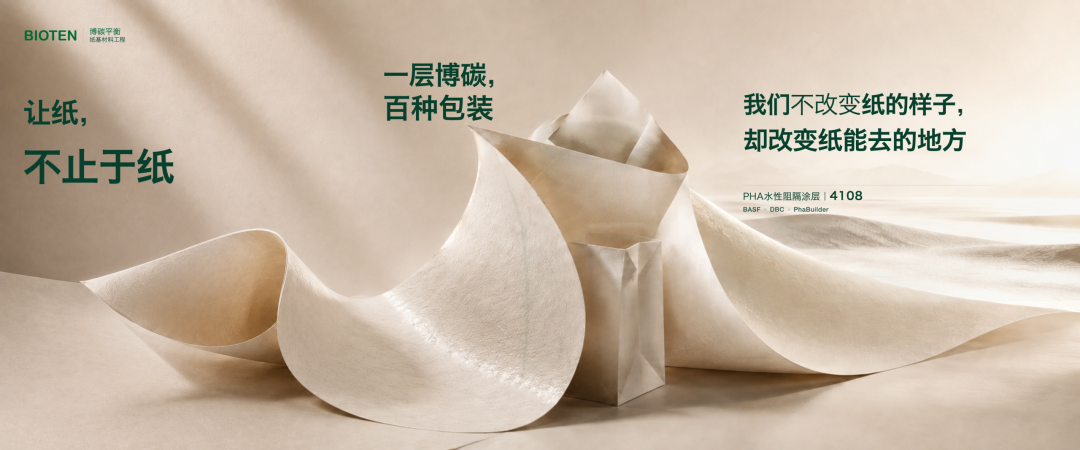
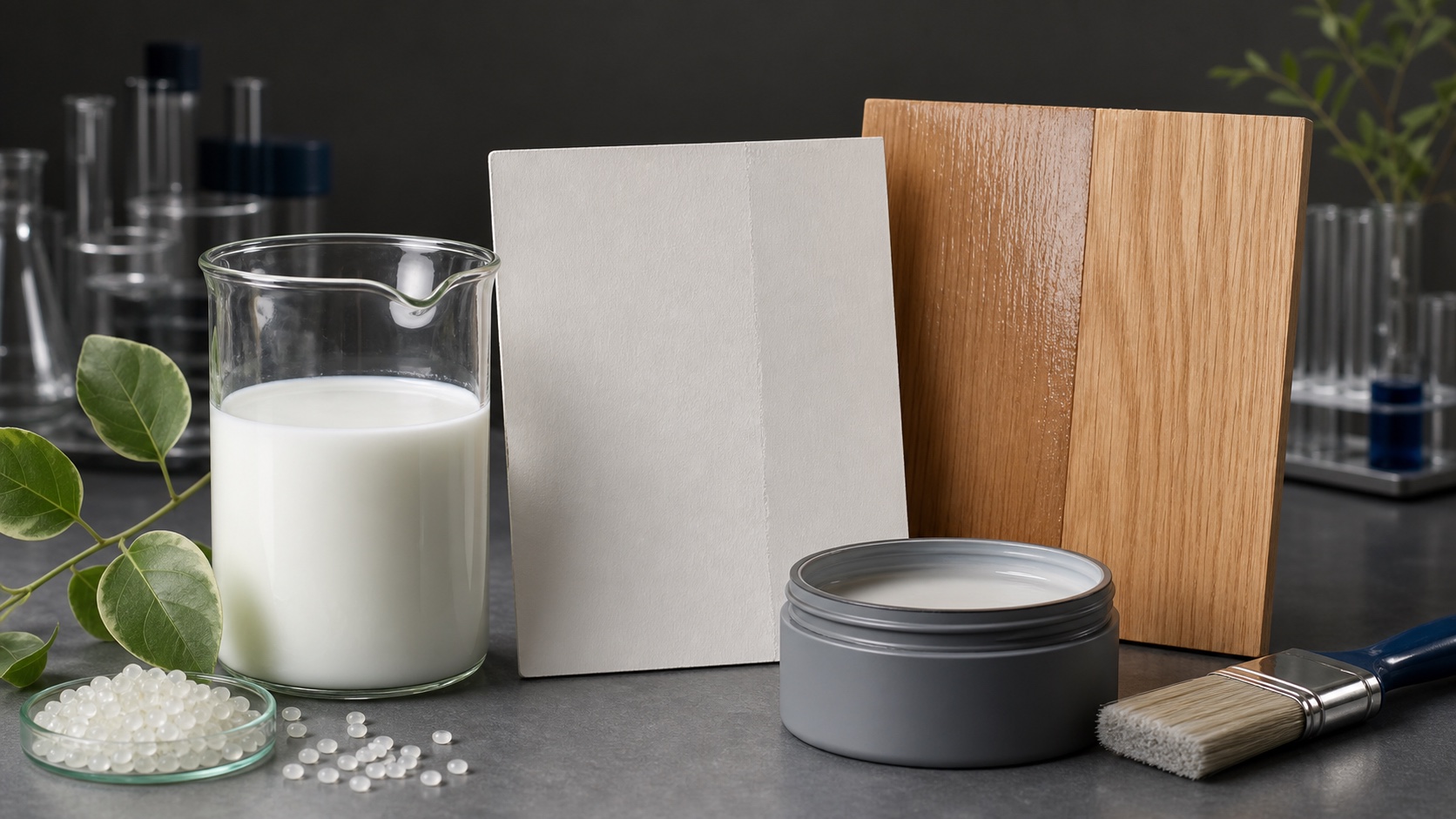
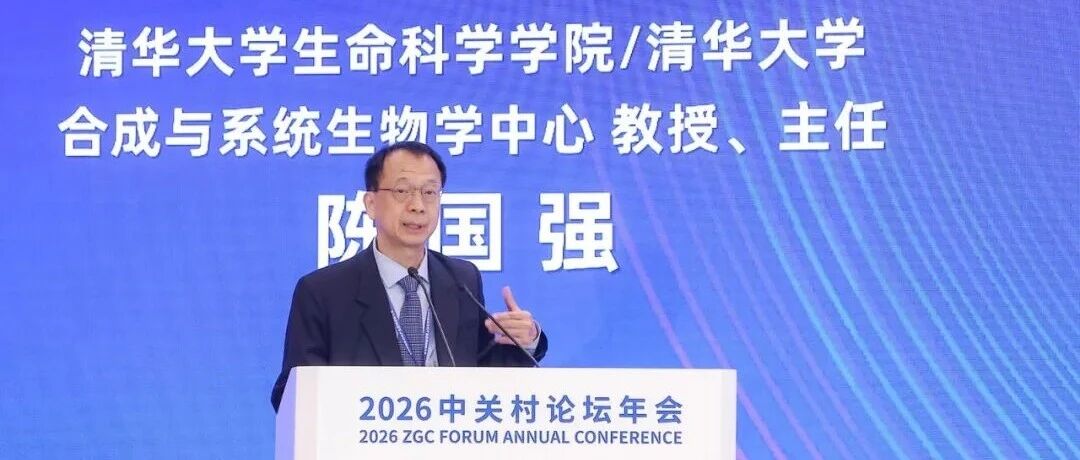
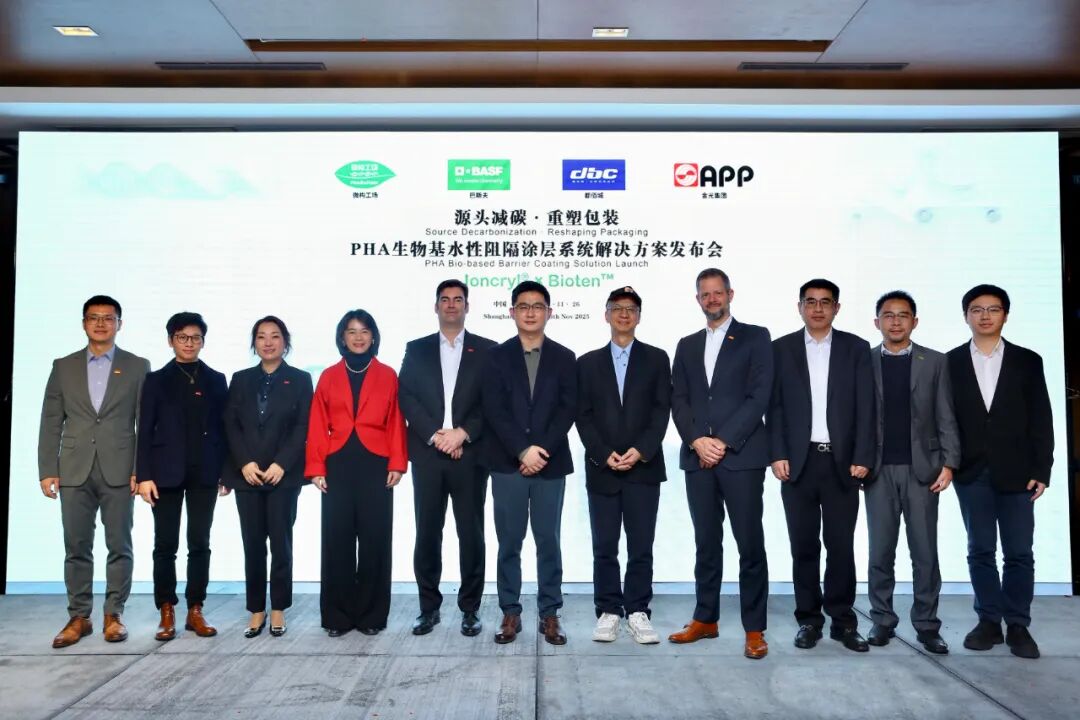
At the launch of a PHA-based waterborne barrier coating solution in Shanghai on 26 November 2025, DBC, PhaBuilder, BASF and APP shared the stage. Chen discussed material choices for paper-based food packaging and how it should be managed after use. Research in fermentation met the work of coating, paper and finished-product developers, using the paper cup as a starting point for broader environmental progress.
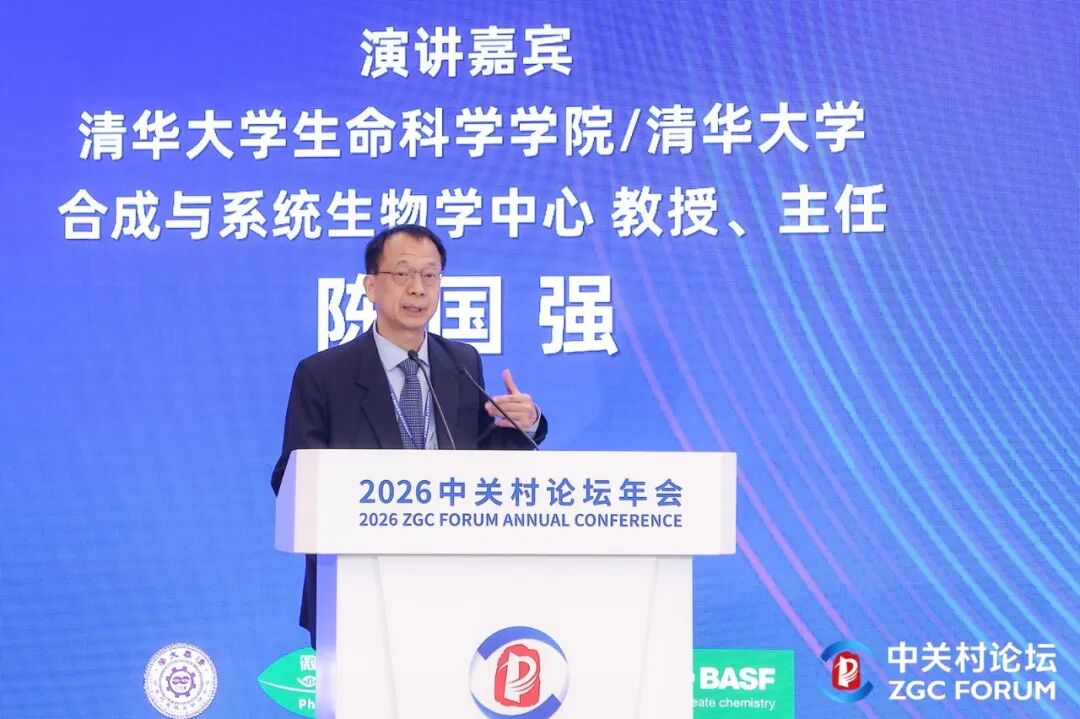
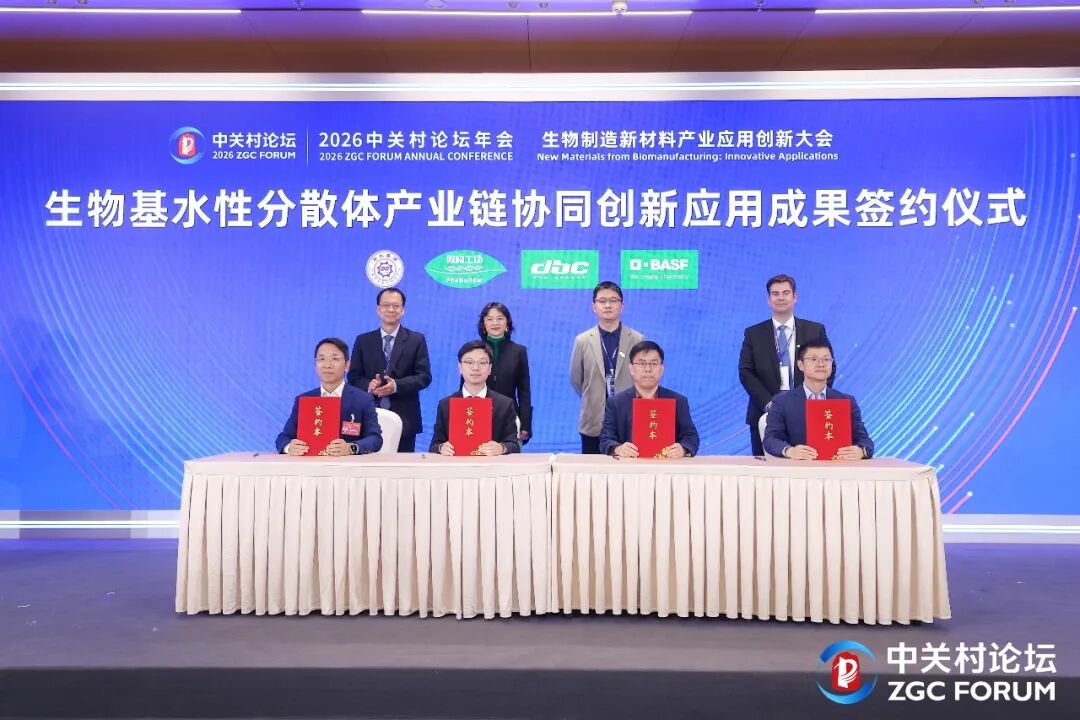
On 27 March 2026, at a conference on industrial applications of new biomanufactured materials held during the Zhongguancun Forum Annual Conference, Chen delivered a keynote address and witnessed an agreement signed by representatives of Tsinghua University, PhaBuilder, DBC and BASF. The collaboration focuses on application development for bio-based aqueous dispersions, with paper barrier applications among the areas the partners are advancing together.
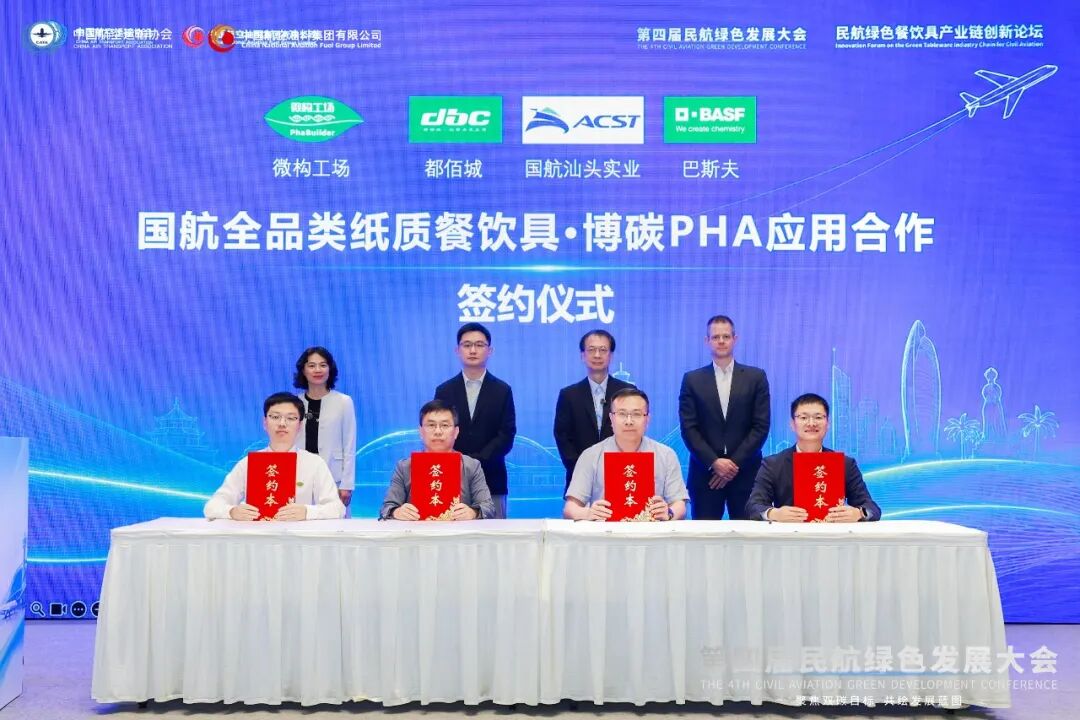
At the China Civil Aviation Green Foodservice Ware Forum on 21 May 2026, Chen again spoke on PHA materials and green packaging applications. The discussion now centred on an airline paper cup or an in-flight meal container: how to protect food, meet service requirements, and collect and manage the packaging after use. During the forum, DBC, PhaBuilder, BASF, paper producers and aviation service partners also launched joint validation work for specific use cases.
Research sources: DBC | Four-party launch in Shanghai; China Daily website | Zhongguancun conference; DBC | Haikou forum report; Science and Technology Daily | Collaboration on aviation foodservice ware
From salt-lake bacteria to new materials on production lines, Chen and his team have solved a series of practical problems, building the foundations for China's PHA industry to advance. This international honour recognises that sustained work.
This article was independently researched and compiled by DBC and BIOTEN using Tsinghua University reports, original research papers, and publicly available corporate and conference materials. Information was checked as of 9 September 2026.