









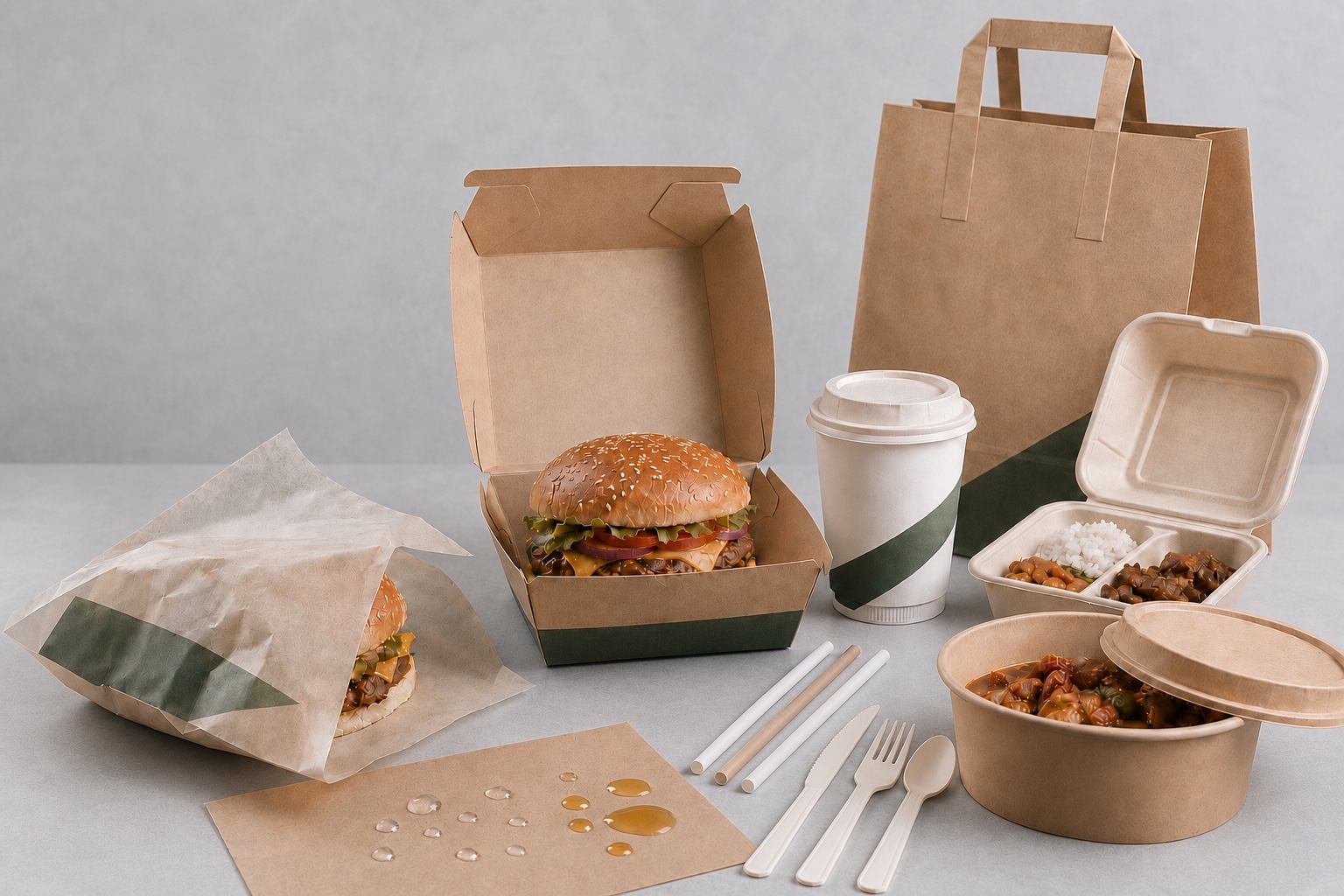




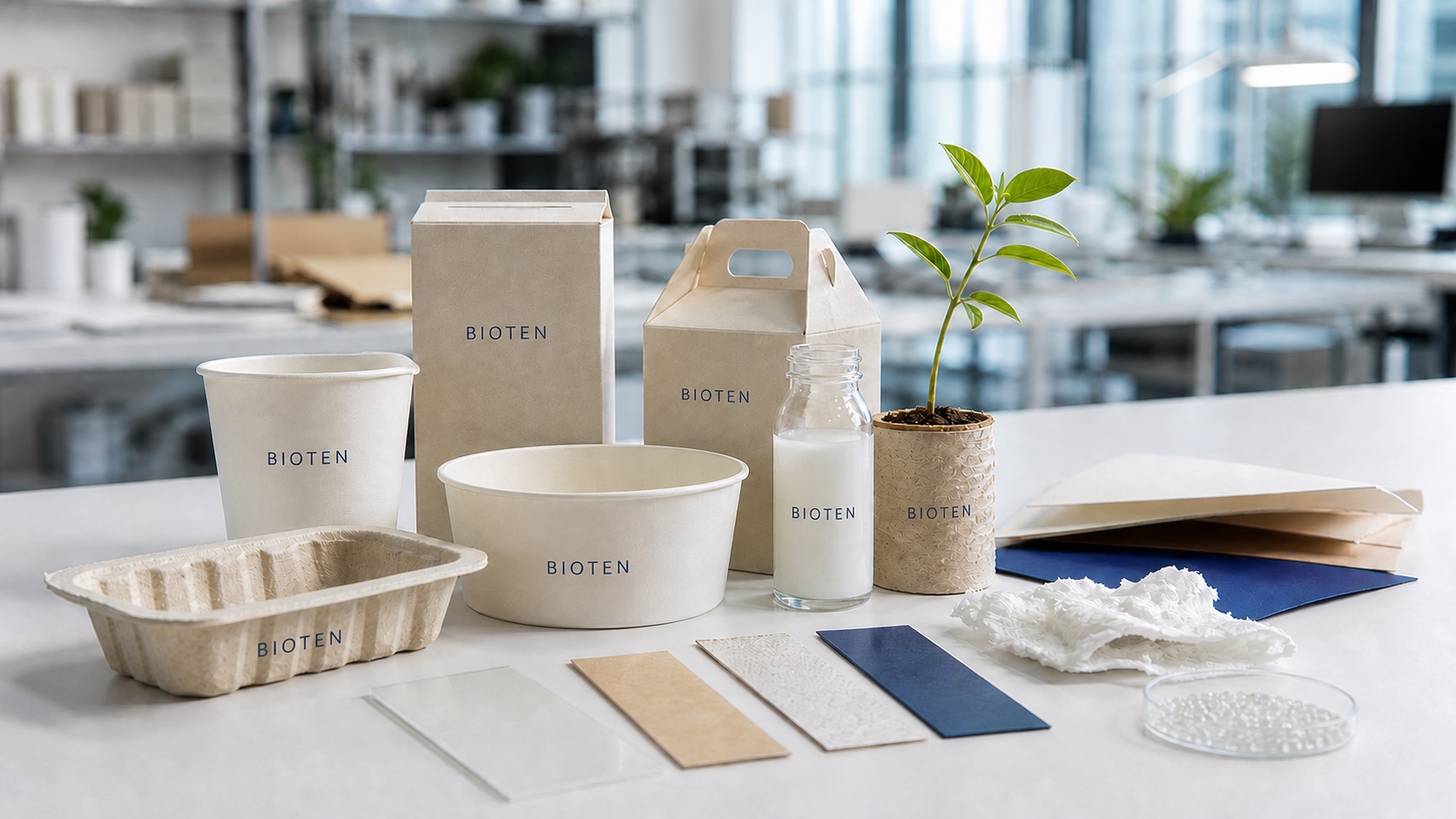


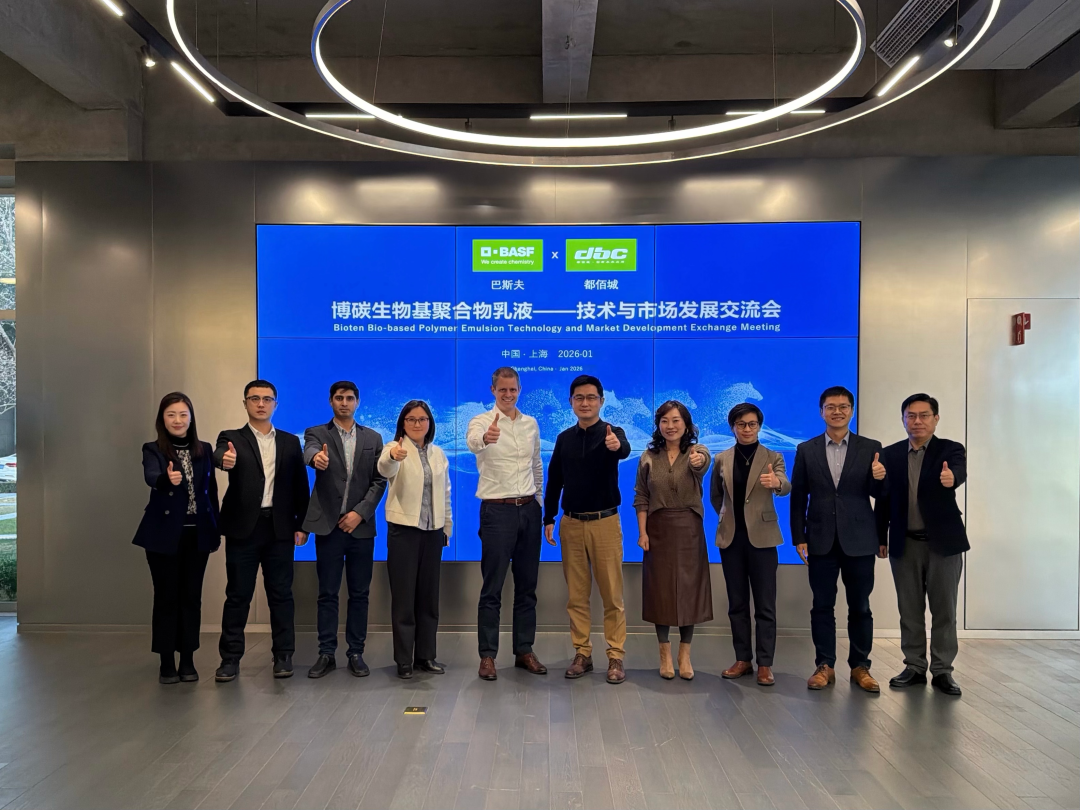
DBC and BASF recently held systematic discussions on BIOTEN bio-based high-performance polymer emulsions. BASF Global Senior Vice President Carsten Hoehne and the management team visited DBC to discuss capacity efficiency and supply response for BIOTEN PHA bio-based barrier emulsions. They aligned on key requirements for food-contact applications in paper-based foodserviceware: safety compliance and water/oil resistance as the foundation, with moisture/oxygen barriers for specialty paper applications, alongside line throughput, operating stability and documented delivery requirements for material introduction.
Over the past three years, both sides have built a certified closed ring from research and development to volume around paper-based catering devices: performance (water/oil/tightening/diffusion/resistance, heat resistance, odour and experience), process end (paint matching - dry - form - thermal co-frequency), compliance and end end (moderate)food-contact compliant, source carbon reduction accounting, recycling of remoulder/compost degradation path certified. This is the result of sedimentation of a landable and reusable full-chain solution.
There is agreement that global competition for bio-based milk is shifting from “concepts and labels” to “scaled delivery capacity” - replicable, process magnifying, compliance auditable, data transferable, supply responsive. Clients ultimately procure not just “one barrel of milk”, but a set of engineering delivery packages that can be imported across regions, audited and reused.
Why?2026Is it considered a key window?
External rules are pushing “deflection and sustainable design” from initiatives to hard constraints, and driving supply chains to “reform”recyclableDesign + Auditable Evidence Chains are solidified into a common language. These rules share the same direction: material substitution is no longer viewed solely as "biobase/biodegradable, with a greater emphasis on system delivery that is “verifiable compliance, recognizable recovery, verifiable carbon reduction”.
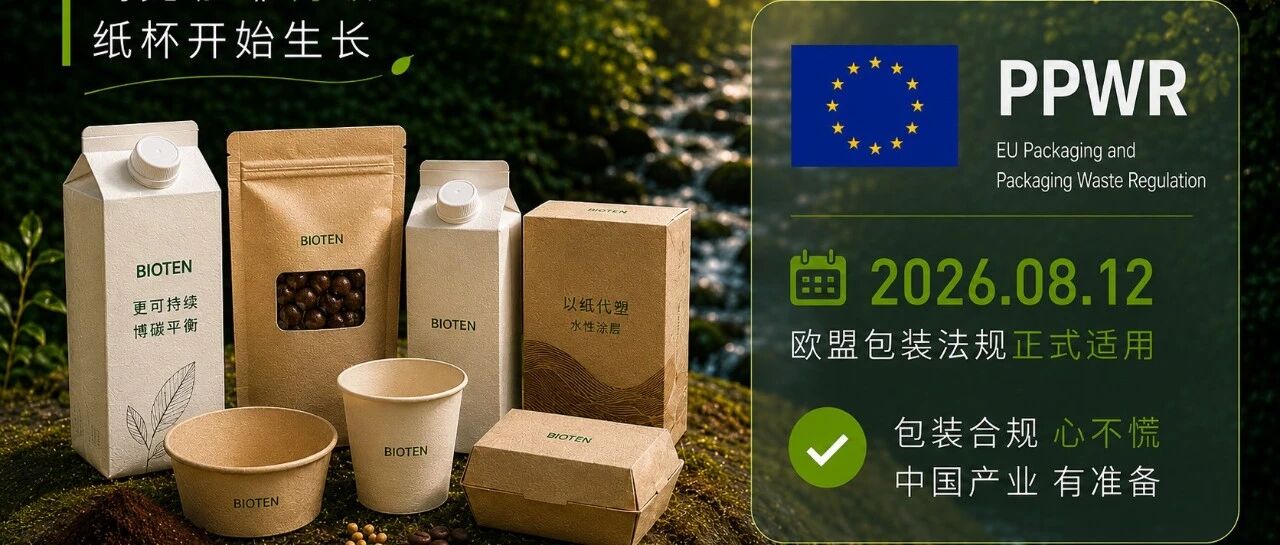
EU: The Packaging and Packaging Waste Regulation, Regulation (EU) 2025/40, entered into force on 2025-02-11 and becomes generally applicable on 2026-08-12. It establishes requirements for sustainable packaging design, compliance responsibilities and information disclosure, encouraging brands and supply chains to use recyclable design and auditable delivery as a common procurement and acceptance baseline (source: European Commission/EUR-Lex).
Global: Under the UN framework, negotiations on an international legal instrument on plastic pollution (INC) continue. UNEP announced INC-5.3 in Geneva on 2026-02-7, a procedural session for organizational and administrative matters without substantive negotiations. The Basel Convention’s rules on transboundary movements of plastic waste and guidance on environmentally sound management also continue to develop, strengthening expectations for source reduction, recyclable design and traceable evidence chains (source: UNEP/Basel Convention).
China: Policy is moving single-use foodserviceware and packaging management from plastic restrictions toward reduction and resource recovery across the full chain. On 2026-01-5, the Ministry of Ecology and Environment website published the State Council notice issuing the Action Plan for Comprehensive Solid Waste Management, sourced from the Chinese government website (State Council document [2025] No. 14, issued on 2025-12-27). It covers source reduction, process control, end-of-chain use and full-chain management, including appropriate use and reduction of plastics, greener express-delivery packaging and excessive-packaging control. Together with the 14th Five-Year Plan work program for zero-waste cities, it supports recyclable, readily repulpable paper-based material systems in catering and commercial distribution (source: Ministry of Ecology and Environment/State Council Information Office).
Meanwhile, industry is entering the 15-year biomanufacturing acceleration period. Public reports indicate that the Ministry of Industry and Informationization will prepare a 15-day biomanage development plan to be published and promote piloting platform cultivation, critical equipment clearances, etc.bio-based materials(Source: public reports from Xinhua Agency/Economic Reference Journal, etc.)
Food-contact compliance: Mandatory national standard GB 4806.10-2025, Coatings and Coating Layers for Food-Contact Materials and Articles, takes effect on 2026-09-2. It brings paper coatings and indirectly contacting coatings whose components may transfer to food into the regulatory framework and strengthens process-control and documentation requirements for production and use (source: National Health Commission/State Administration for Market Regulation announcements and industry interpretation).
The supply chain “evidence chain” is becoming a decisive threshold in the context of the PCB (product carbon footprint) and information disclosure requirements for accelerated transmission.
Industrialization: “Scaling delivery” as a verifiable engineering indicator
DBCDismantling of “scaling delivery” into three hard indicators:1(b) Unanimous batches, stable scene: key indicators such as water/oil resistance/heat/sweet experience can be repeated;2Process window yield: fabric-dry-forming-hot seal co-frequency optimization, which can be steadily expanded at the customer line;3End path is verifiable: priorityrecyclable, re-plastic and select composting/degradation pathways by region to certify carbon reduction with closed ring data.
To enhance import certainty, the delivery of content synchronized with document/dataization to form auditable engineering packages: batch inspection report (COA) and retrospective information, production process window recommendations,GB 4806.10-2025 The compliance document template for key points cross-references, as well as the PCF/disclose available data structure and boundary description to allow clients to “seen, speak up, disseminate”.
Scaled delivery is not just a formula issue, but also a supply chain system engineering exercise.DBCUnitedBASFstrategic partners and synergies PHA Raw material supplier micro-workshop (tonne level capacity), for Bioten The emulsification platform provides a stable, traceable base of biologically based raw materials and advances “material innovation” to the certainty of “capacity and delivery”.
BASFAccording to the Senior Vice-President of the world, Carsten Hoehne, for import on a transregional scale, it is necessary to combine application of certification systems with compliance/PCF calibres and to establish replicable, auditable engineering import systems.BASFWill continue withDBCDeepening collaboration to upgrade low-carbon chains of the common services packaging industry.
DBCChairman Lin Fanqiu noted that the principle of “source-down carbon - end cycle - degradation is optional” would be used as a setting, relying on research and development validation matrices to target key indicators, anchor material capacity in direct use engineering parameters and delivery packages for clients, provide partners with more competitive high value products and support Chinafiber-based packagingThe industry chain supports sustainable industrial development by pre-empting international regulations on compliance, carbon reduction and performance upgrading.
Innovative development
Next step, the two sides will Bioten™ Pro duct stability and high standards are at the bottom, with priority given to securing paper foundations based on “Enhancing productive capacity and supply efficiency”food packagingStabilization of supply with strategic partners and key clients in the catering industry, facilitatedBIOTEN PHA Bio-high-performance barrier coating systems form replicable engineering import and document delivery capabilities to build auditable, transferable and reassuring "value packagings" for paper-based customers.DBCDelivery is not just material, but also a chain delivery system that can be verified by third parties, audited by brands and reused by the supply chain.