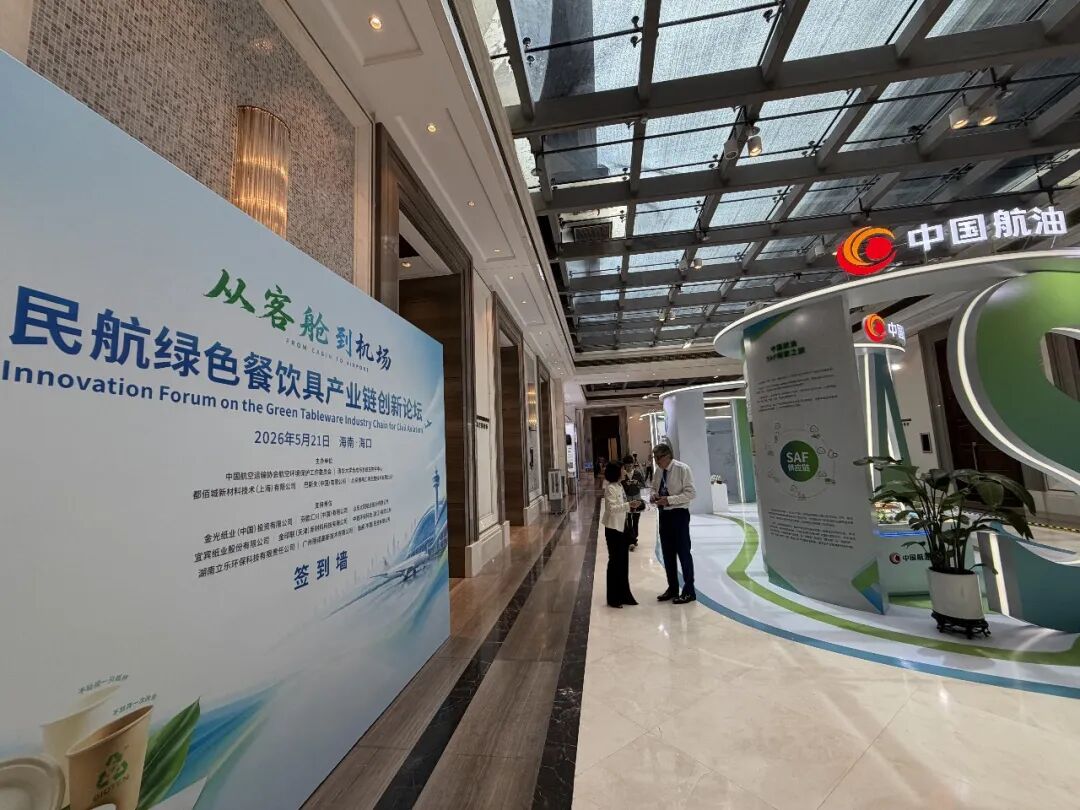





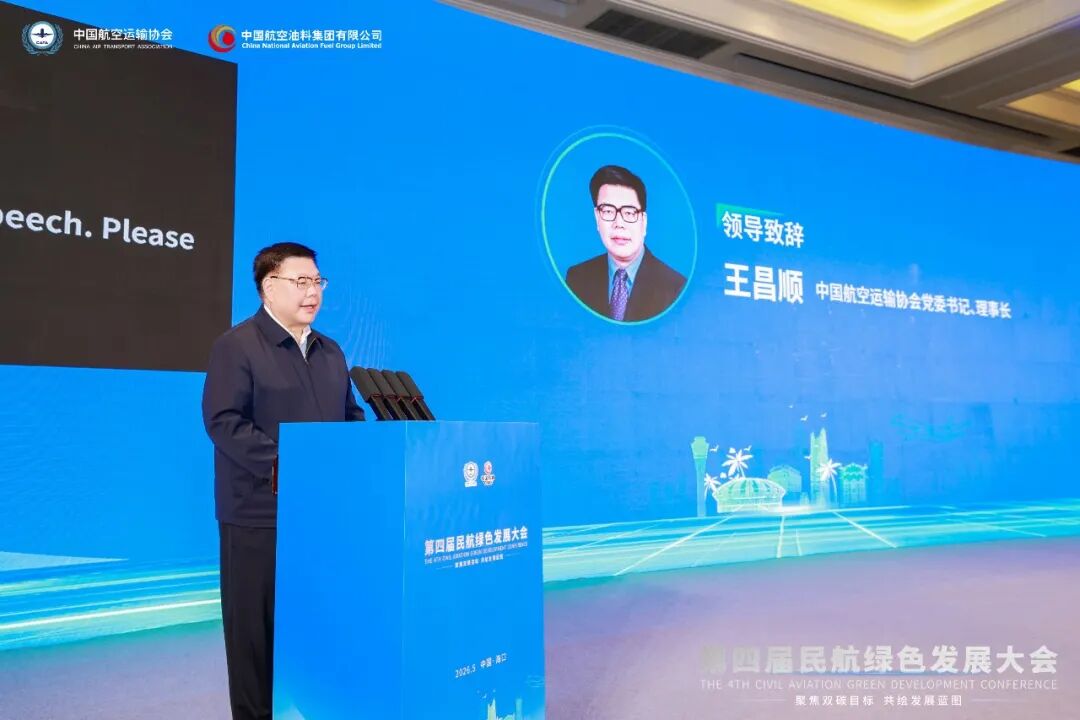
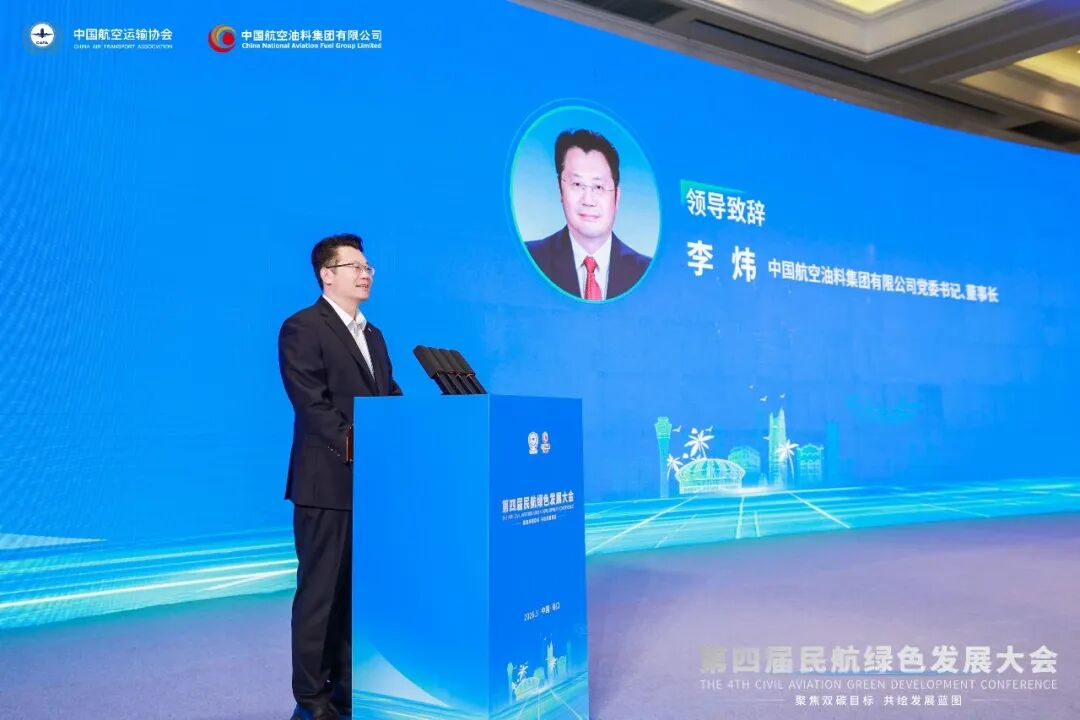
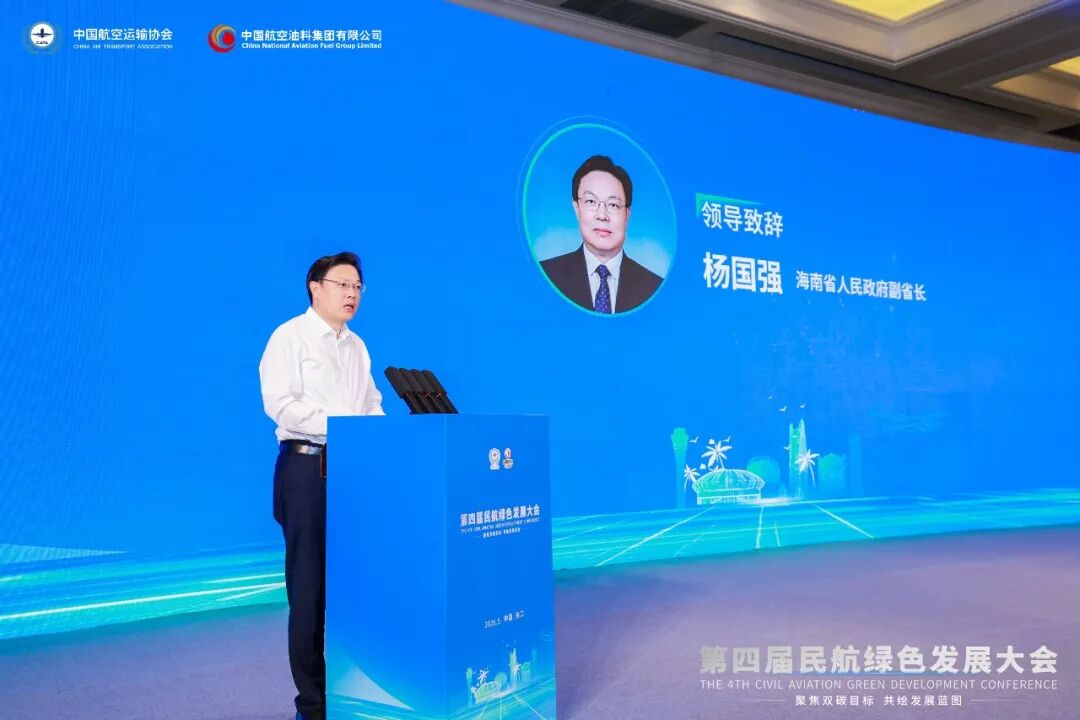
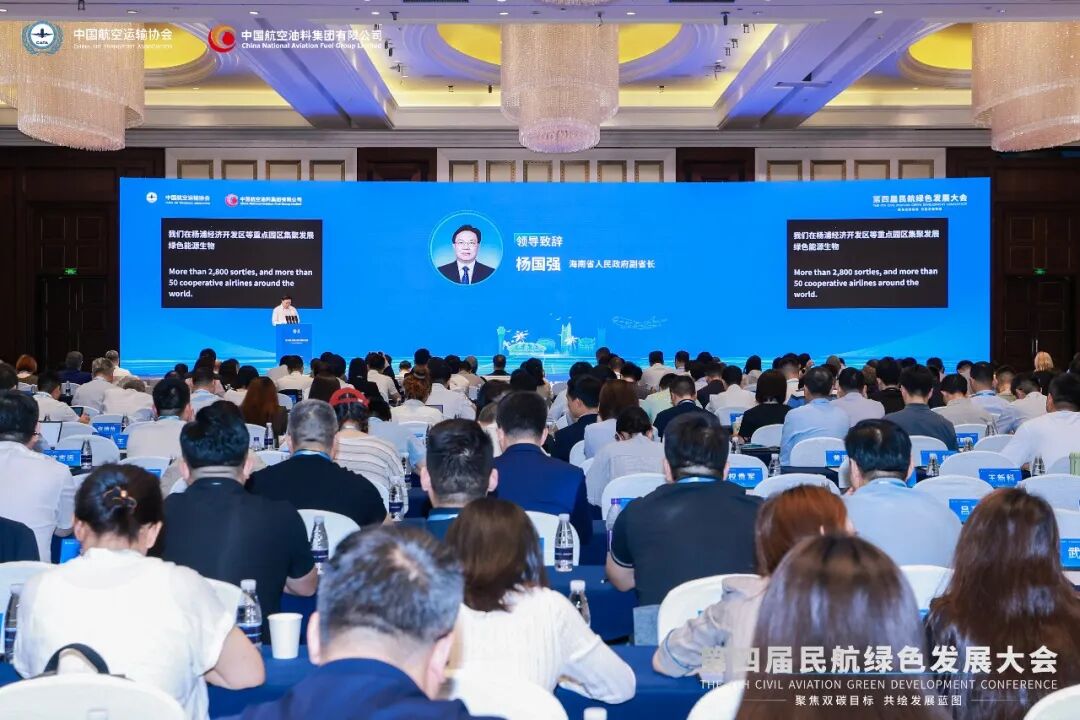
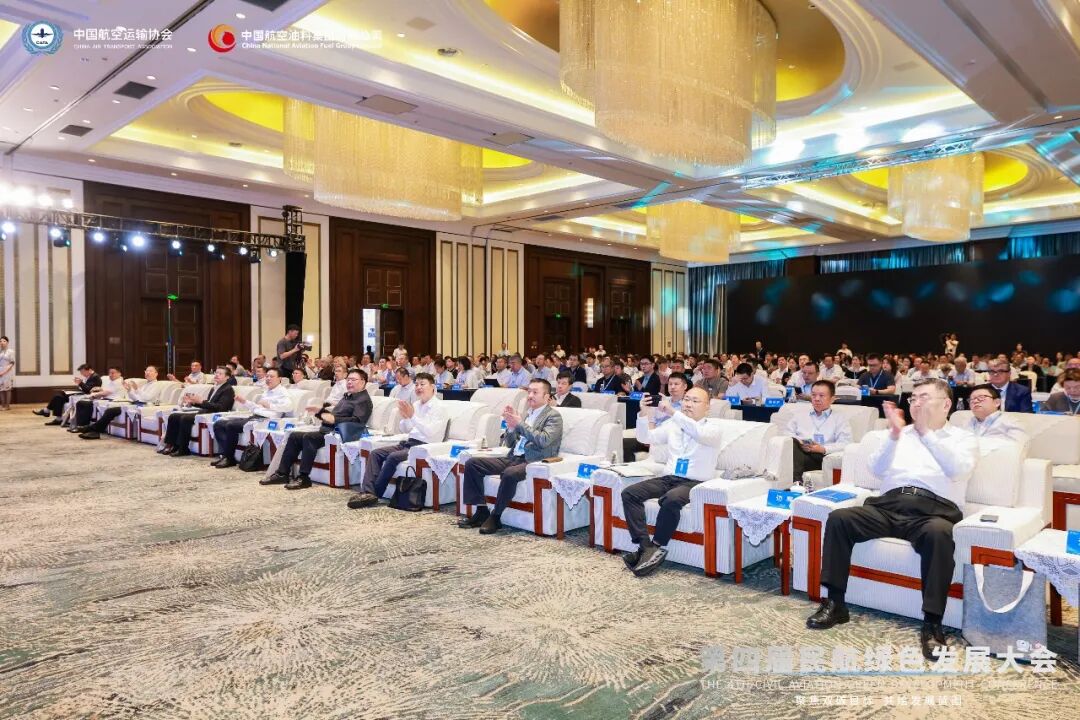
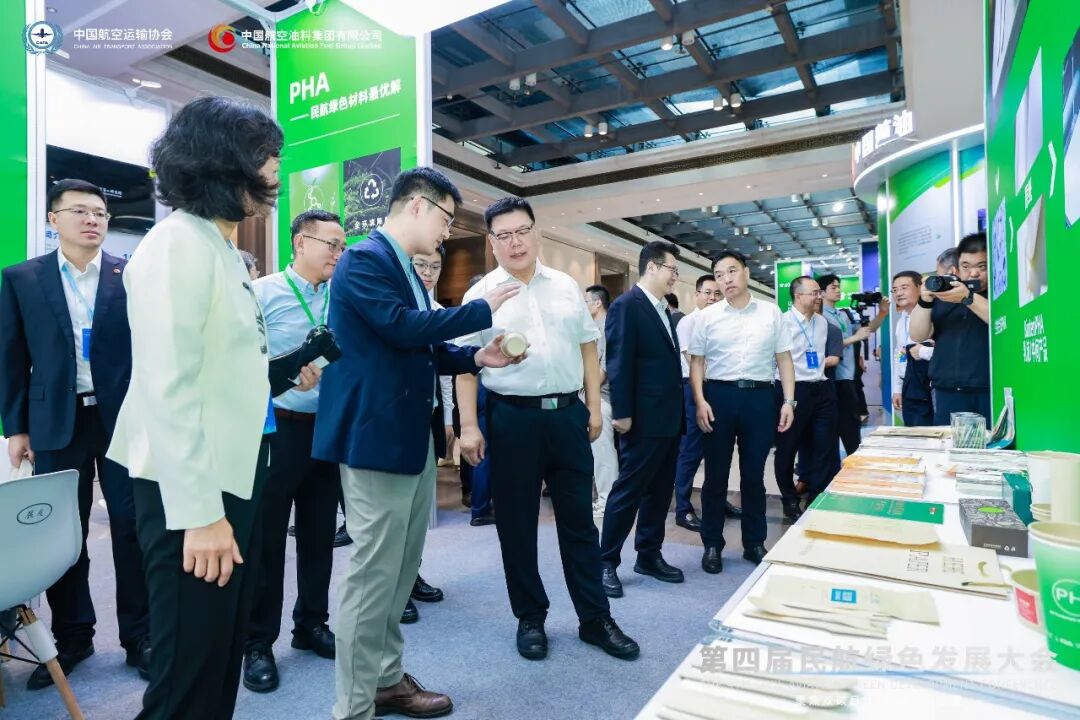
Haikou is already buzzing with activity today.
Collaboration within the green tableware industry in Haikou is heating up ahead of schedule.
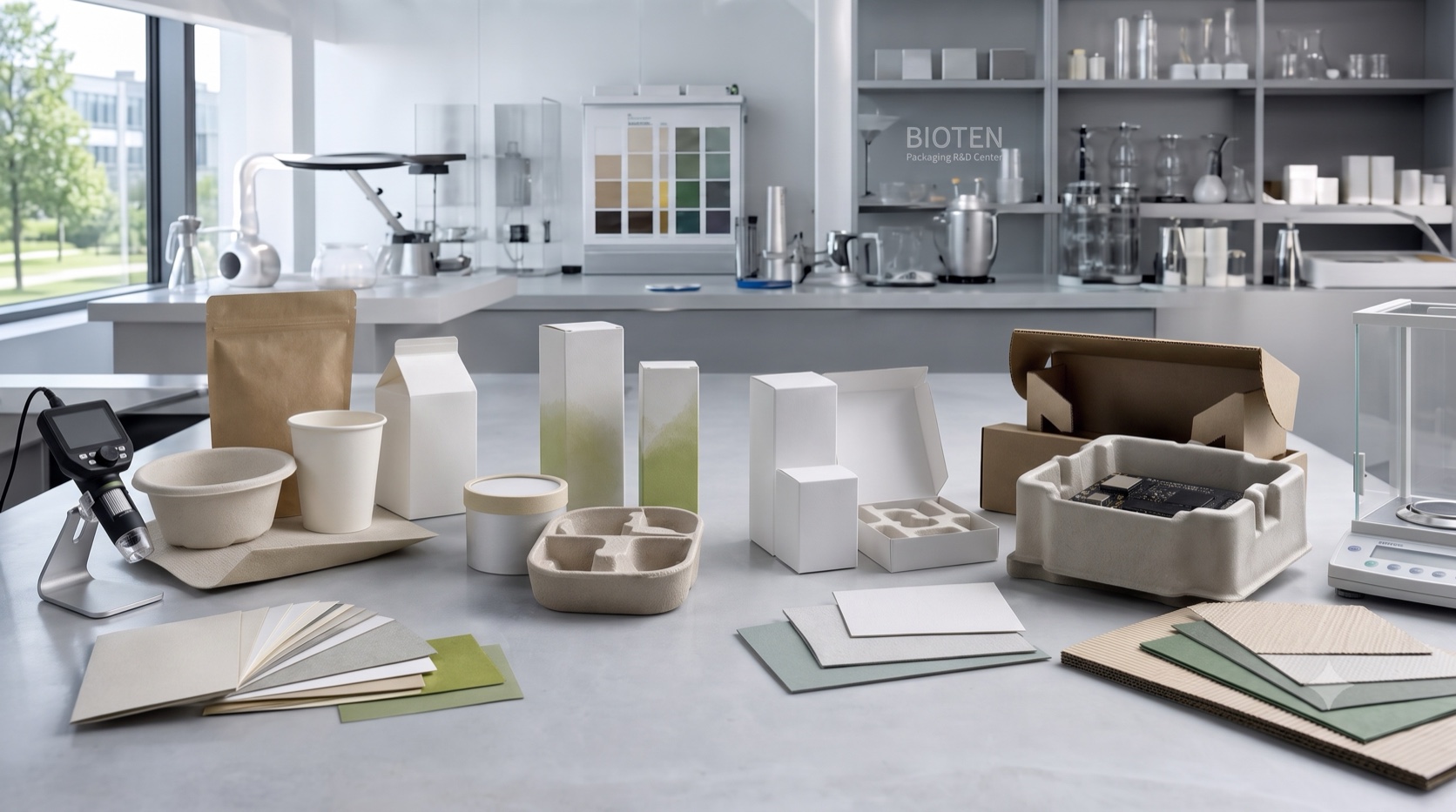
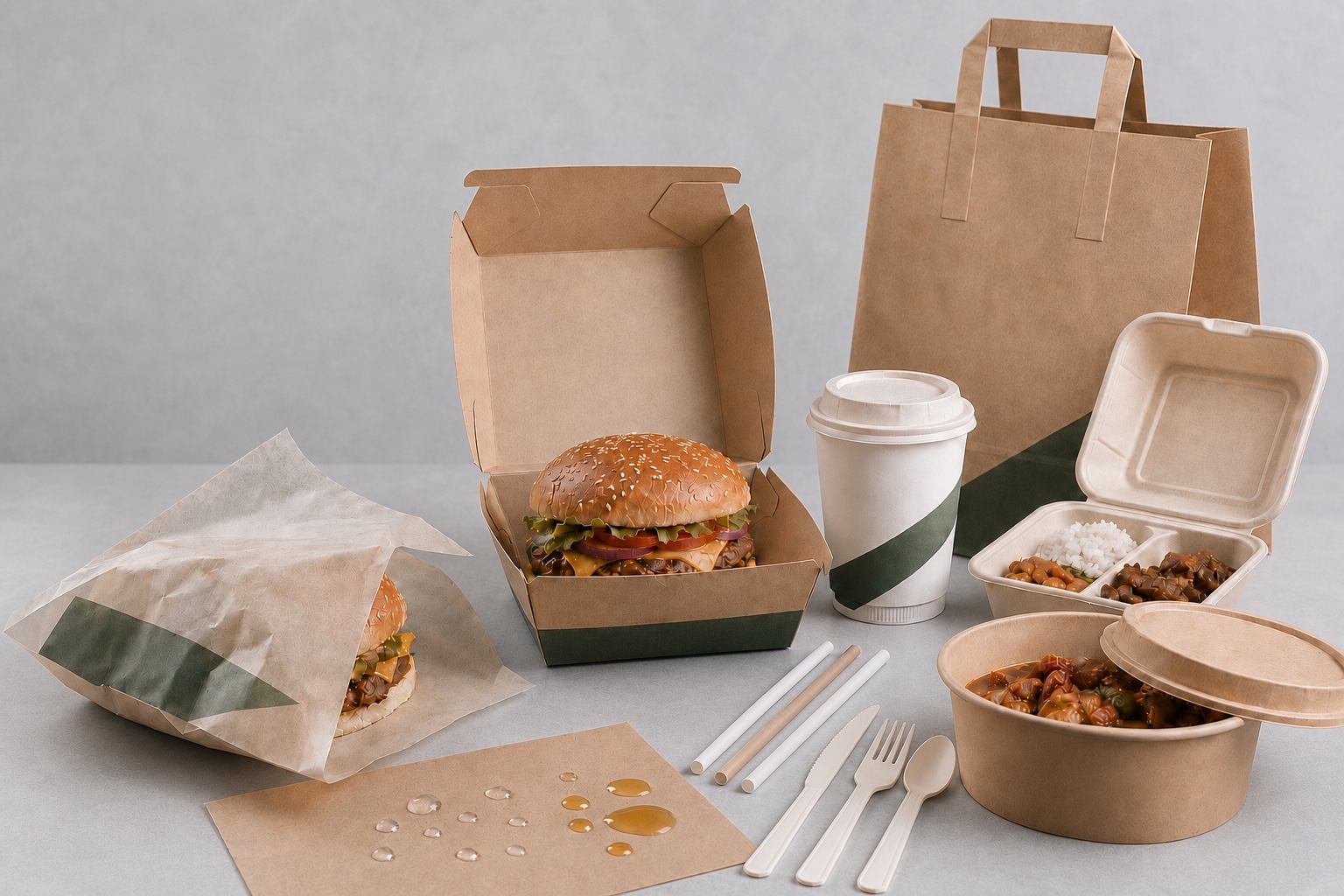
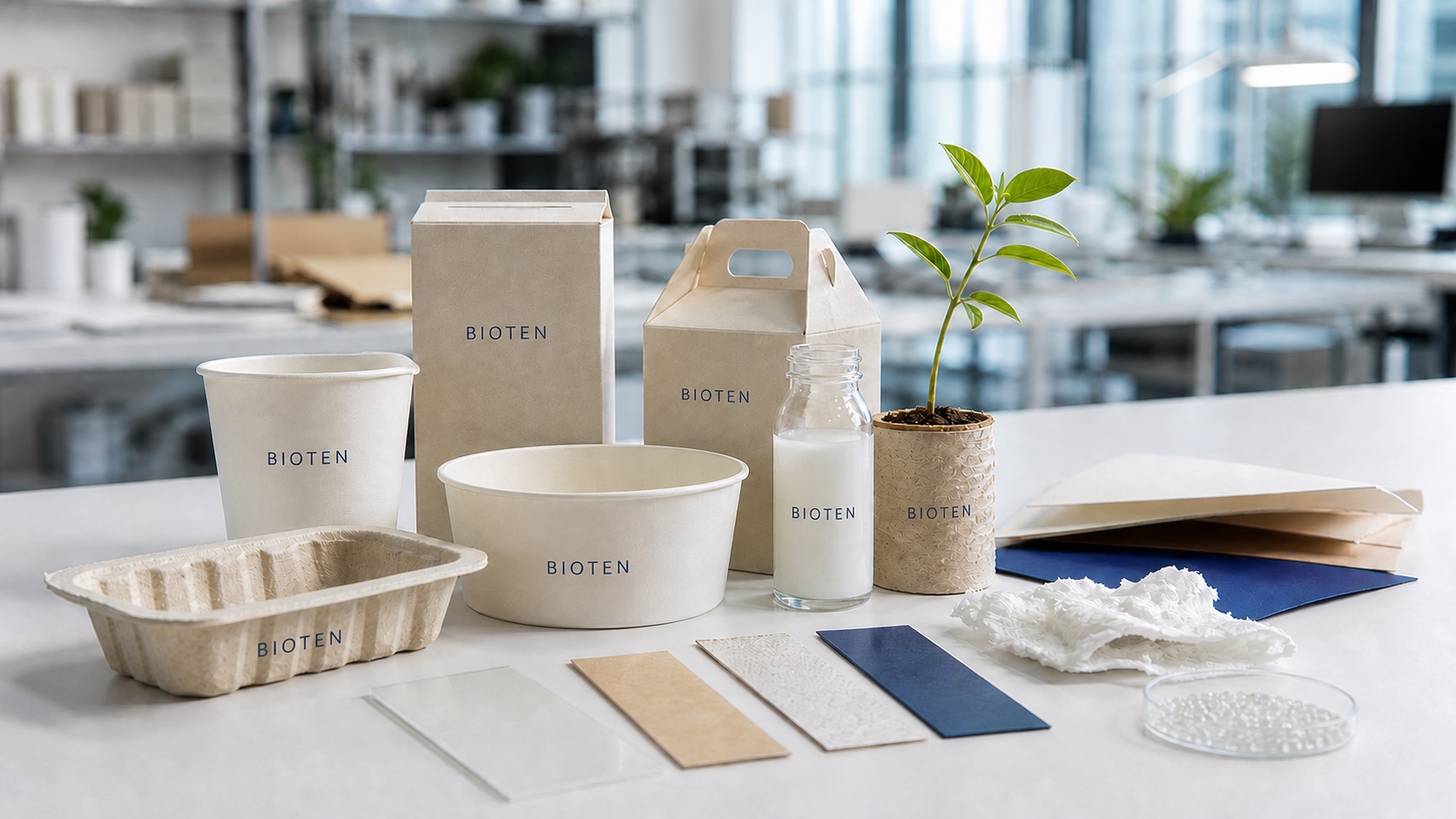
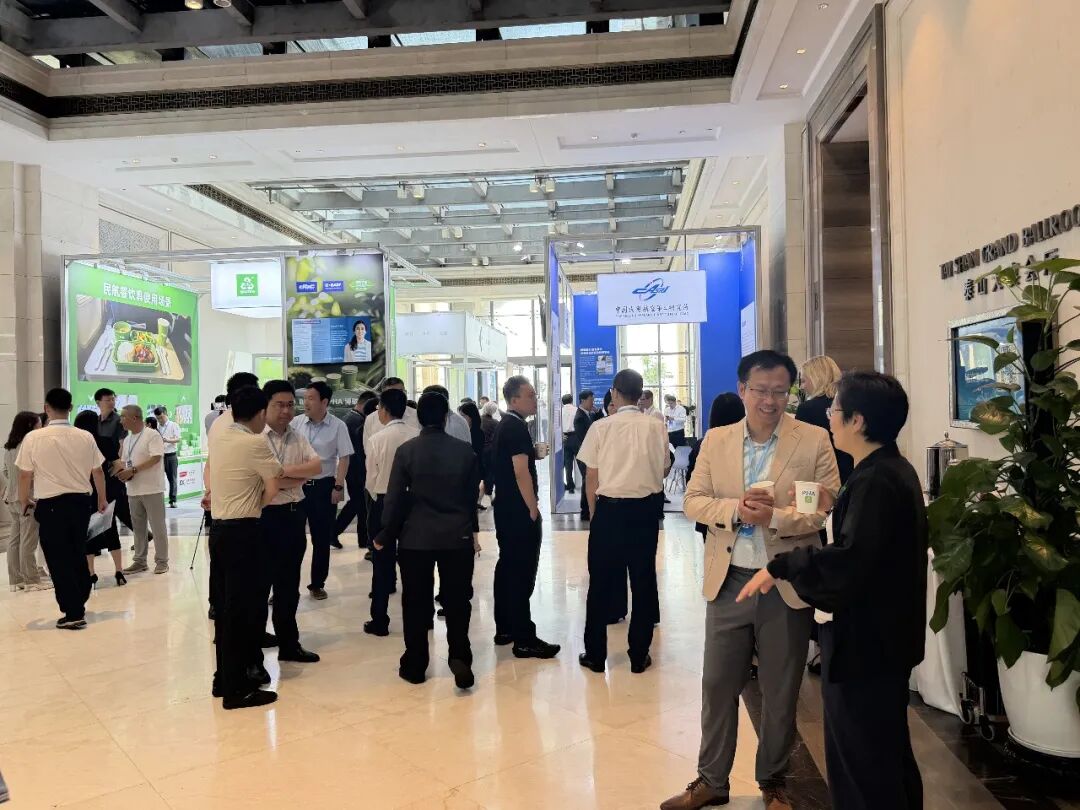
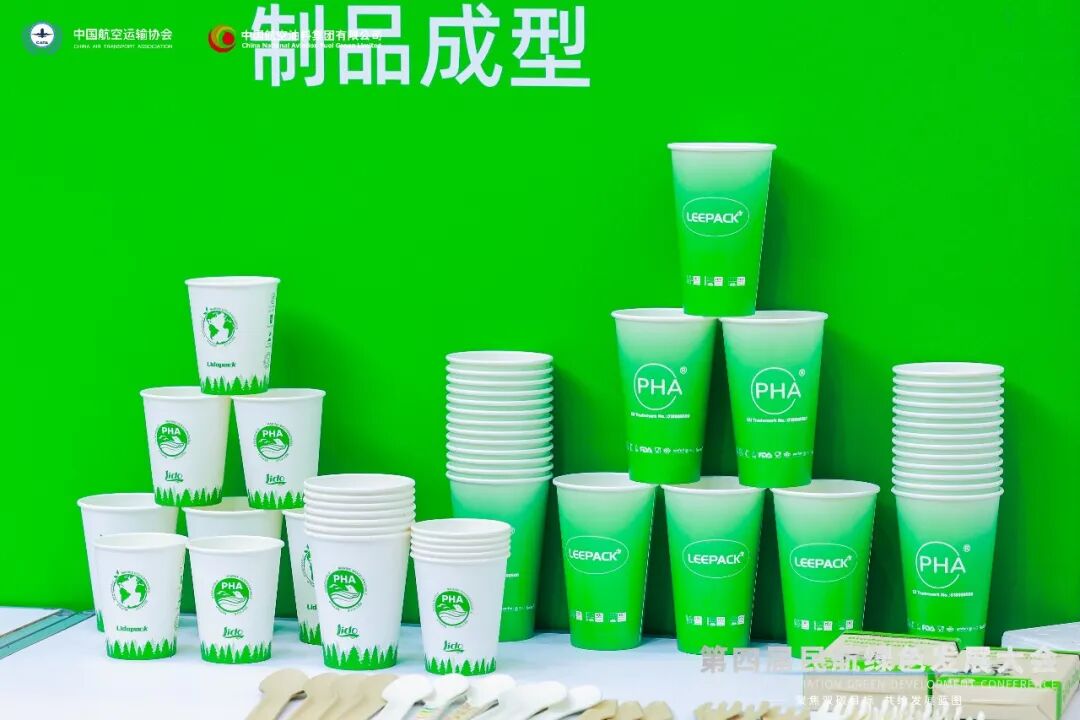
Guests from airlines, airport groups, airline catering suppliers, relevant Hainan provincial departments, and sectors including paper-based packaging, materials, products, and green supply chains are engaging in high-frequency exchanges at the booth. Topics include paper cups, paper bowls, food containers, bio-based materials, water-based barrier coatings, recycling and repulping, and post-use treatment.
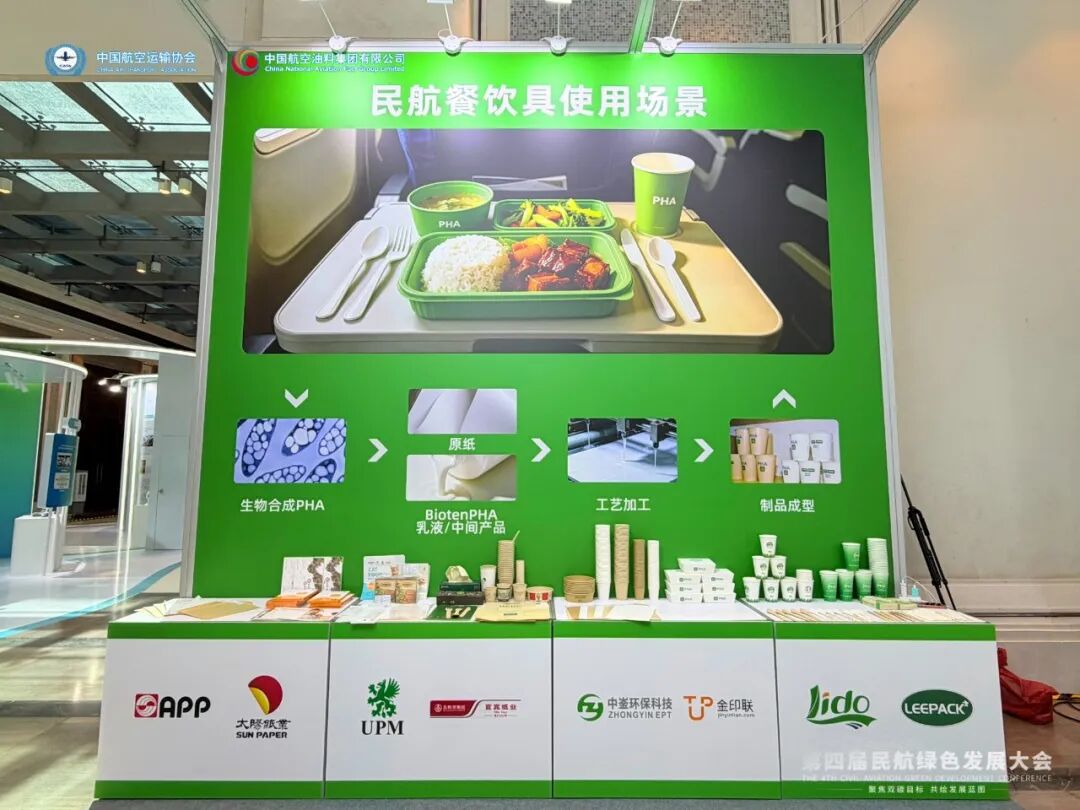
A clear industry signal is emerging: green tableware for civil aviation is not merely about swapping cups, containers, or cutlery. It is a systematic project driven by real service scenarios, validated through supply chain collaboration, and supported by rules and evidence chains.
Cabin service, airport retail, airline catering, and VIP lounges may appear to be distinct application scenarios. However, when it comes to disposable tableware, they all converge on the same core issue: green alternatives must be evaluated not just by whether they are paper-based, but by their ability to safely contact food, resist water and oil, adapt to hot and cold beverages and meals, ensure stable supply, and enter post-use treatment pathways such as centralized recycling, repulping, and compostable degradation.
Compared with urban open scenarios where waste flows are dispersed and recycling is difficult to manage, airports and aircraft cabins feature relatively closed, standardized, traceable, and easily organized recycling systems. If the civil aviation sector pioneers a successful model, it has the potential to become a key reference for replicating and scaling green tableware systems across urban commercial, public service, and broader sectors.
China possesses one of the world's most complete and largest paper-based packaging industry chains. From base paper, coating, processing, forming, and equipment to application validation and recycling systems, China has the industrial foundation to advance green tableware from concept to scaled implementation.
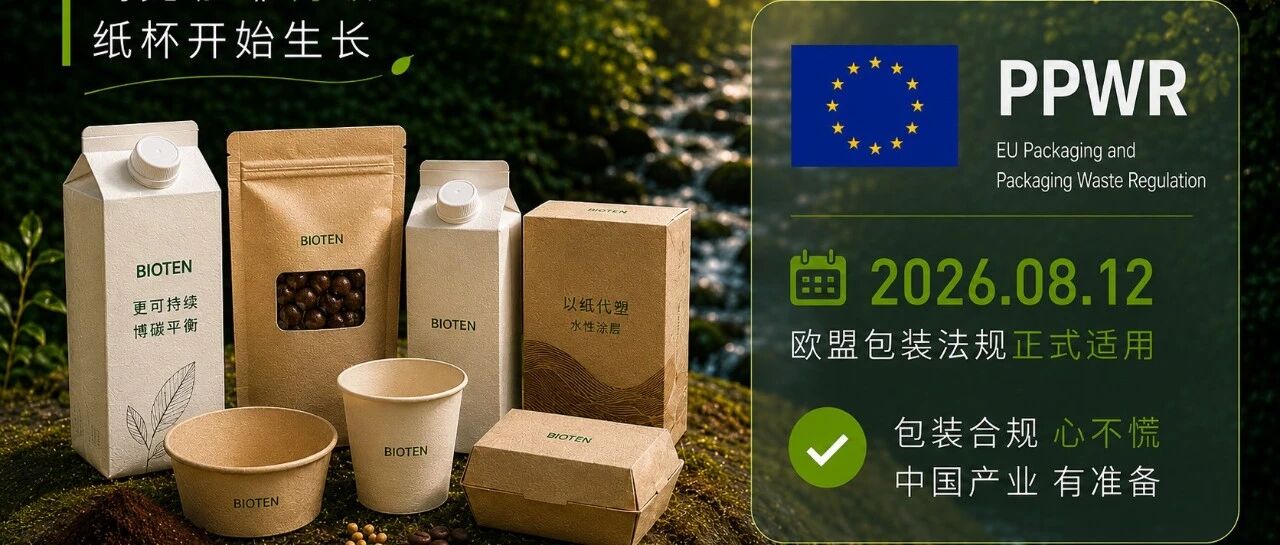
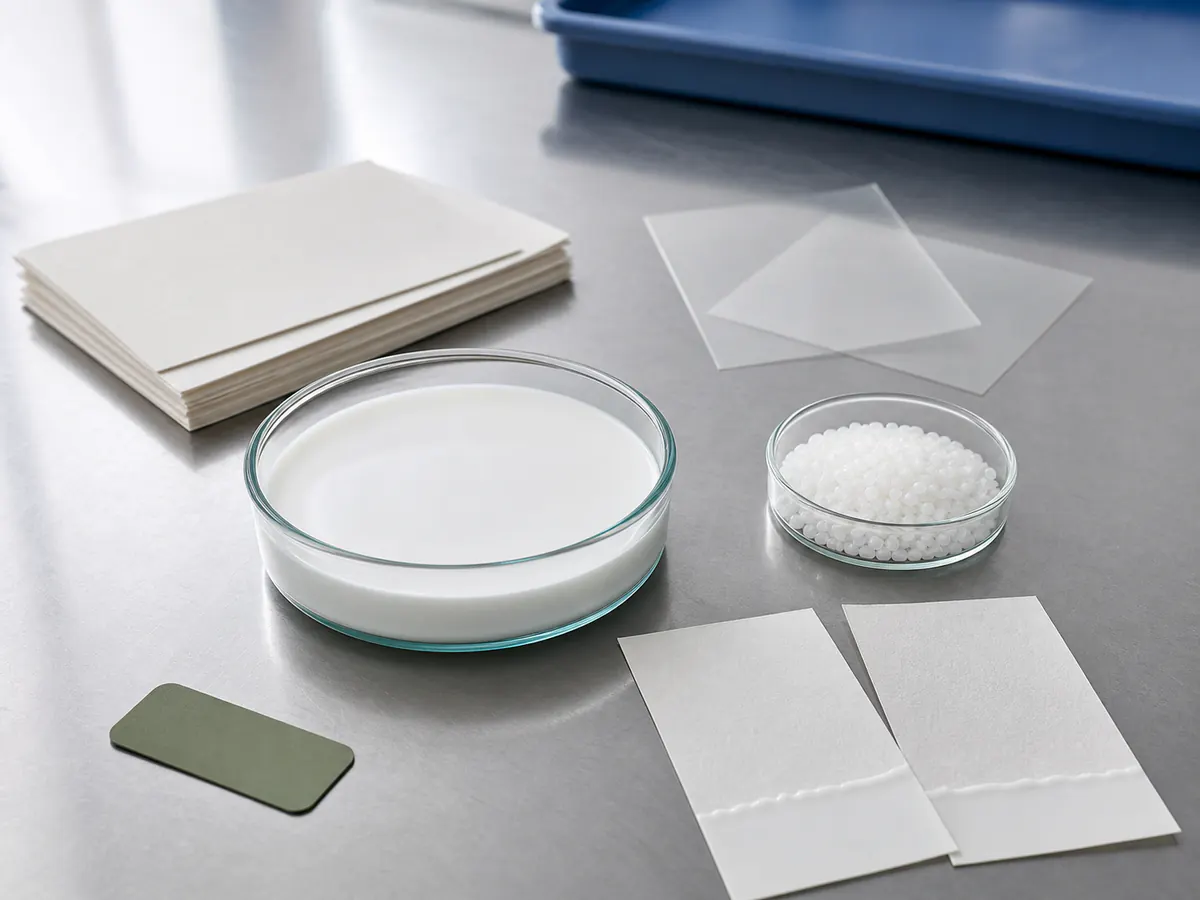
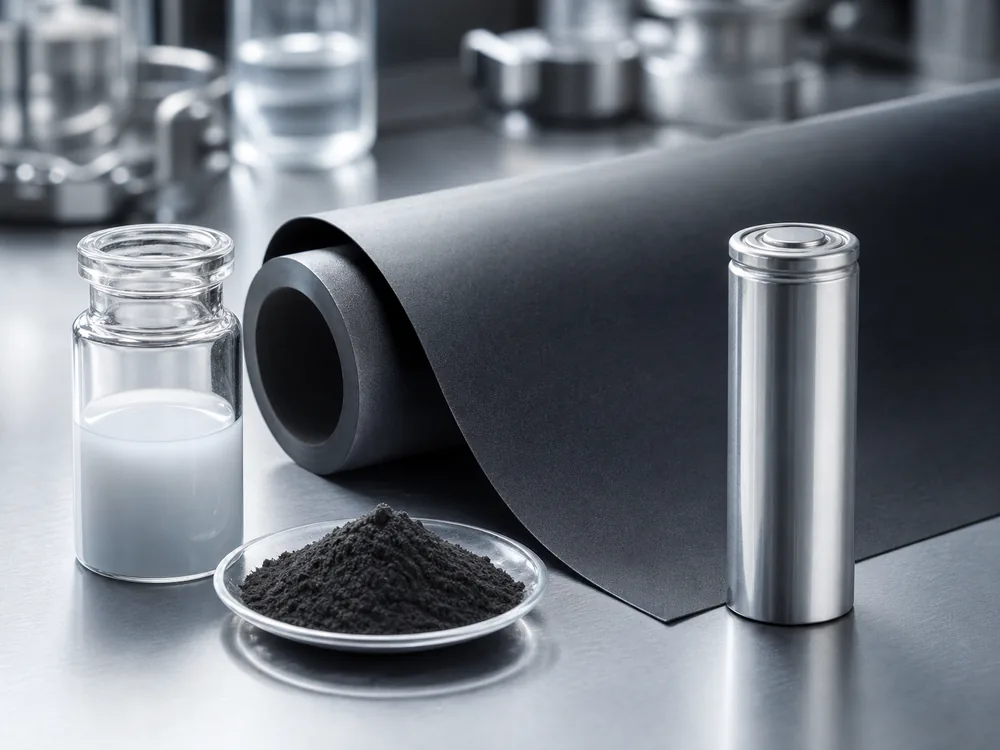
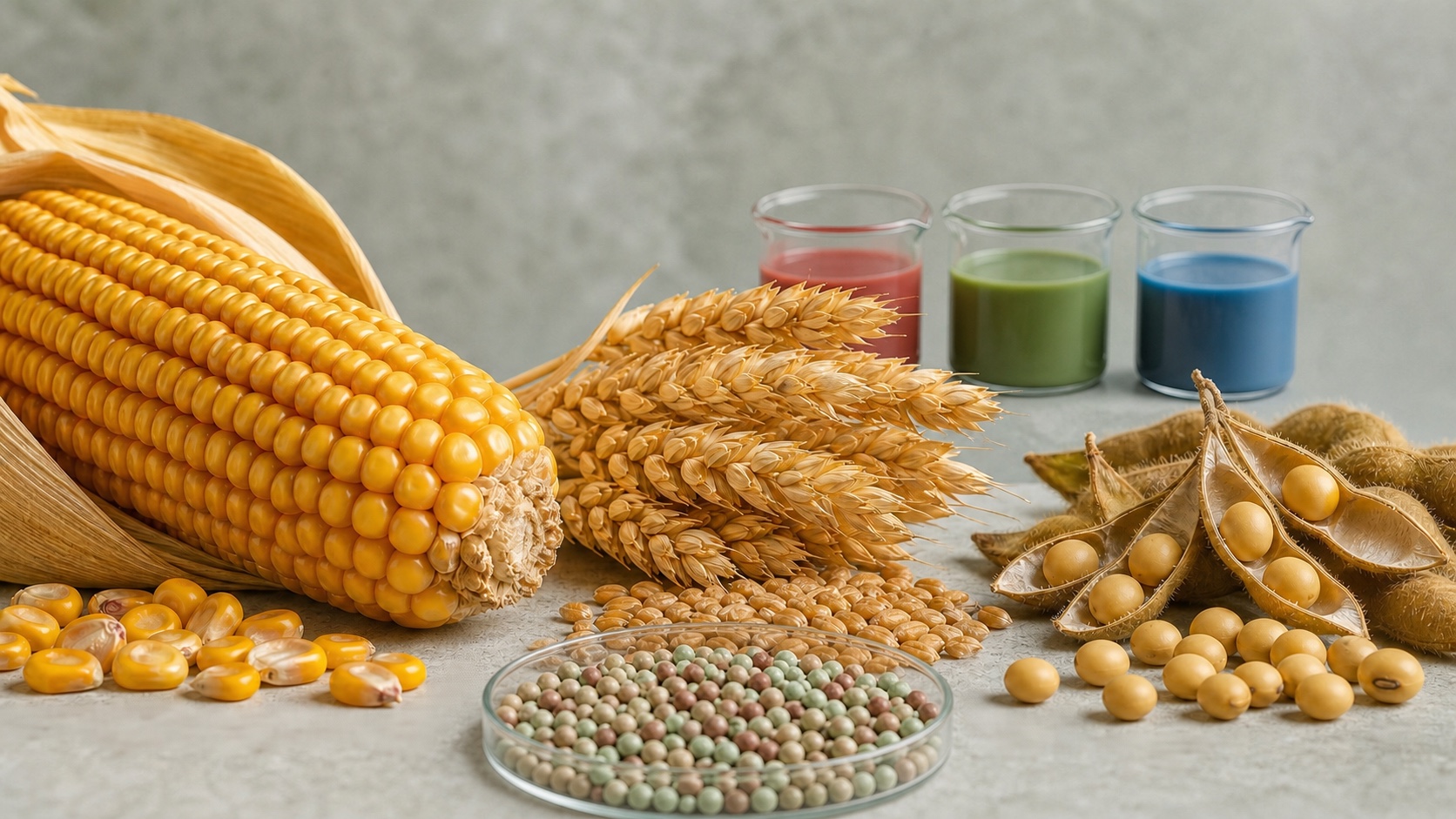
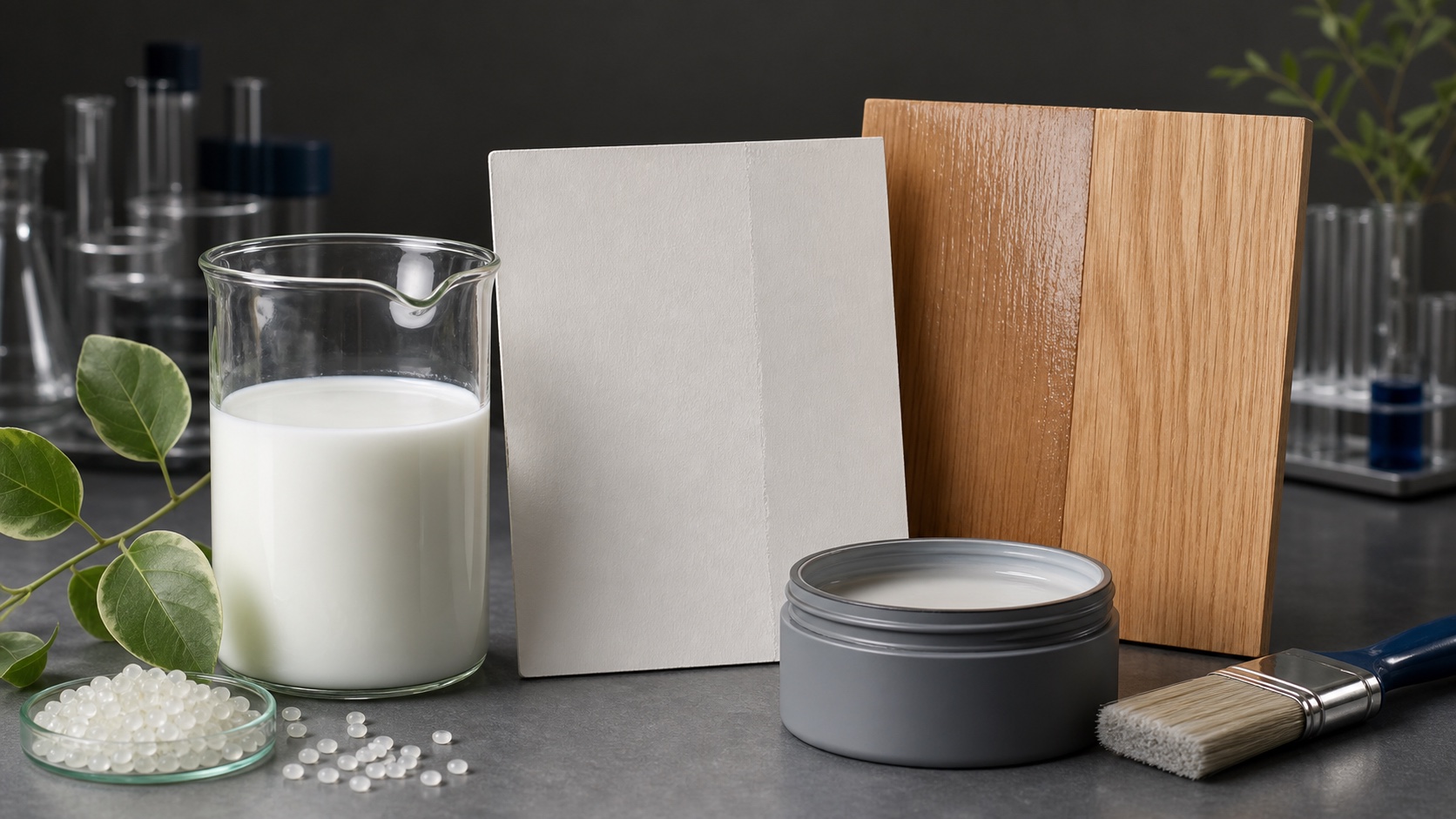
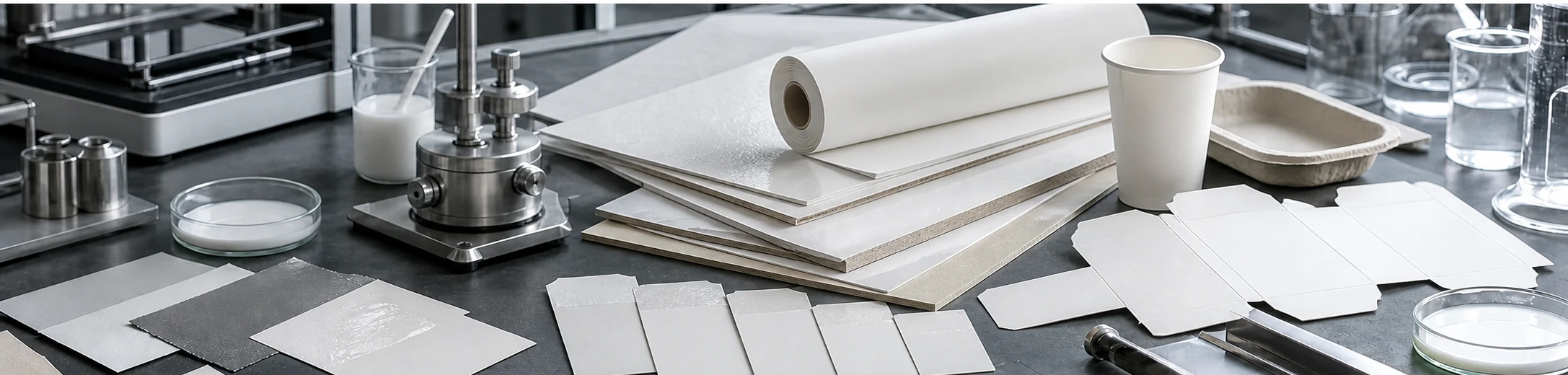
BIOTEN's PHA bio-based aqueous barrier coating aims to address this systemic challenge: leveraging a bio-based origin, supported by barrier properties such as water resistance, oil resistance, heat resistance, and heat sealing, and guided by an evidence chain encompassing food-contact safety, high repulpability for recycling, and compostable degradation, to drive paper-based tableware from exhibition samples to real-world applications including aircraft cabin service, airport coffee, casual dining retail, VIP lounges, and airline catering supply.
Scenarios define needs, materials determine boundaries, barrier performance dictates application, and the evidence chain shapes the future.
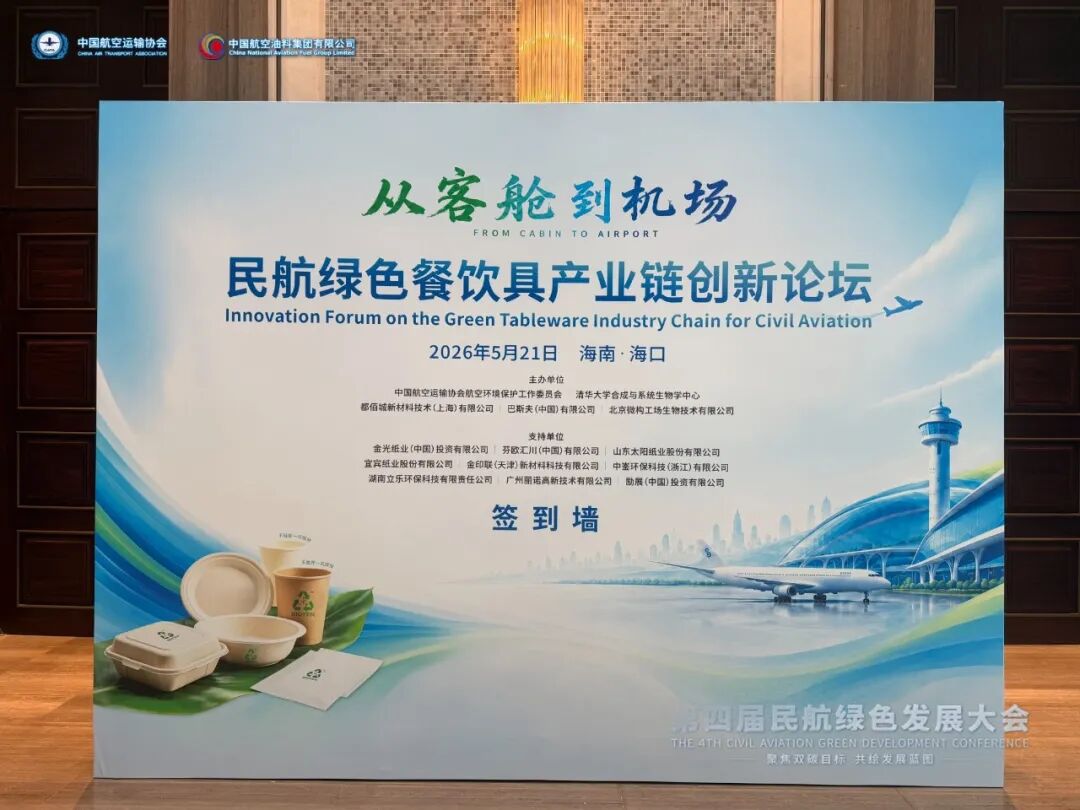
Check-in begins at 8:00 a.m. on May 21! The Civil Aviation Green Tableware Industry Chain Innovation Forum will be held at the Meilan Hall of the Green Development Hilton Hotel in Haikou. Tomorrow, we will bring the scenario-based challenges observed at our booth today to the forum for collaborative discussion and industry consensus.
Never underestimate a single paper cup; never give up an opportunity for change.