












On January 16, 2026, aligning with the national 'Dual Carbon' strategy and solid waste comprehensive governance requirements, and looking toward the '15th Five-Year Plan' green, low-carbon, and circular development direction, the seminar on the 'Draft Technical Specifications for Low-Carbon Waterborne Barrier and Recycling of Paper-Based Tableware in Civil Aviation Service Scenarios' was held in Shanghai. The meeting aims to use standardization as a lever to promote the closed-loop application of paper-based tableware in civil aviation service scenarios, achieving 'source carbon reduction - end-of-life recycling - verifiable implementation', and to form a replicable and scalable industry practice path for the transformation of industry solid waste governance towards refinement and high-value utilization.
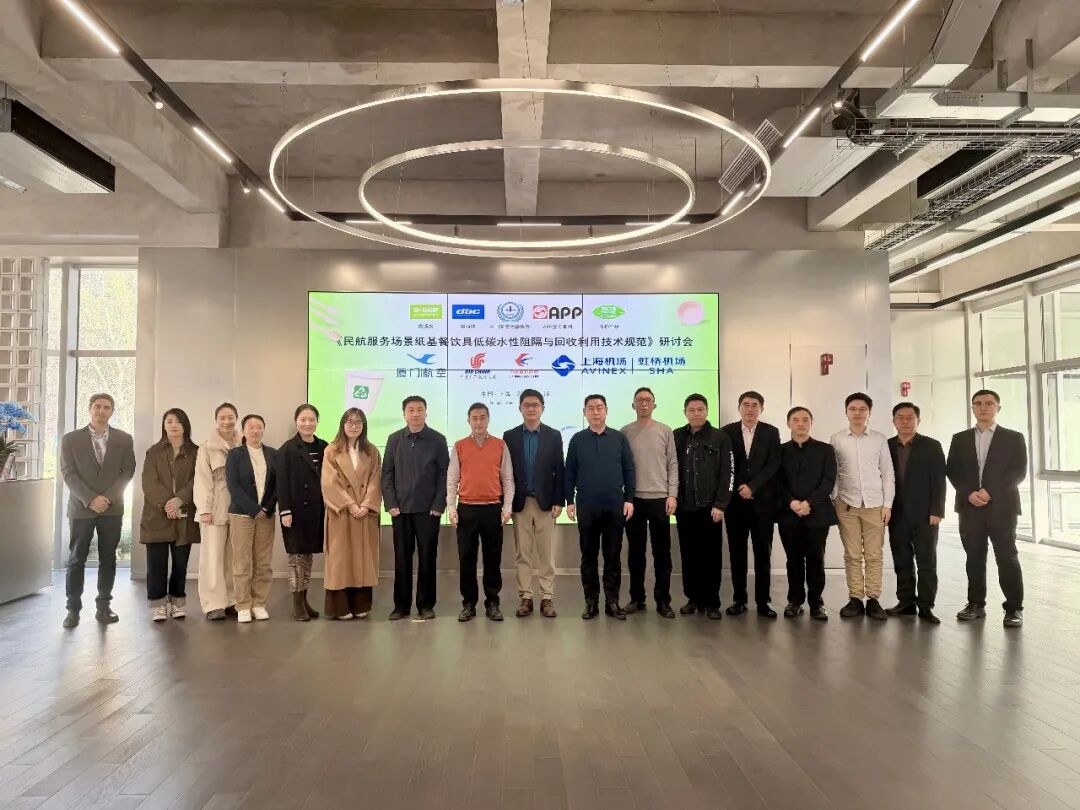
This meeting was jointly initiated by the Air Transport Association of China, DBC, APP Group, BASF, and Bluepha. Representatives from China Eastern Airlines, Air China, Xiamen Airlines, Shanghai Airport Group, and Hongqiao Airport, as well as industry chain experts from aviation catering supply, materials and products, and recycling chains, attended. The meeting focused on the green and low-carbon transformation of paper-based tableware in civil aviation service scenarios, aiming to promote high-value recycling and utilization of solid waste through standardized pathways.
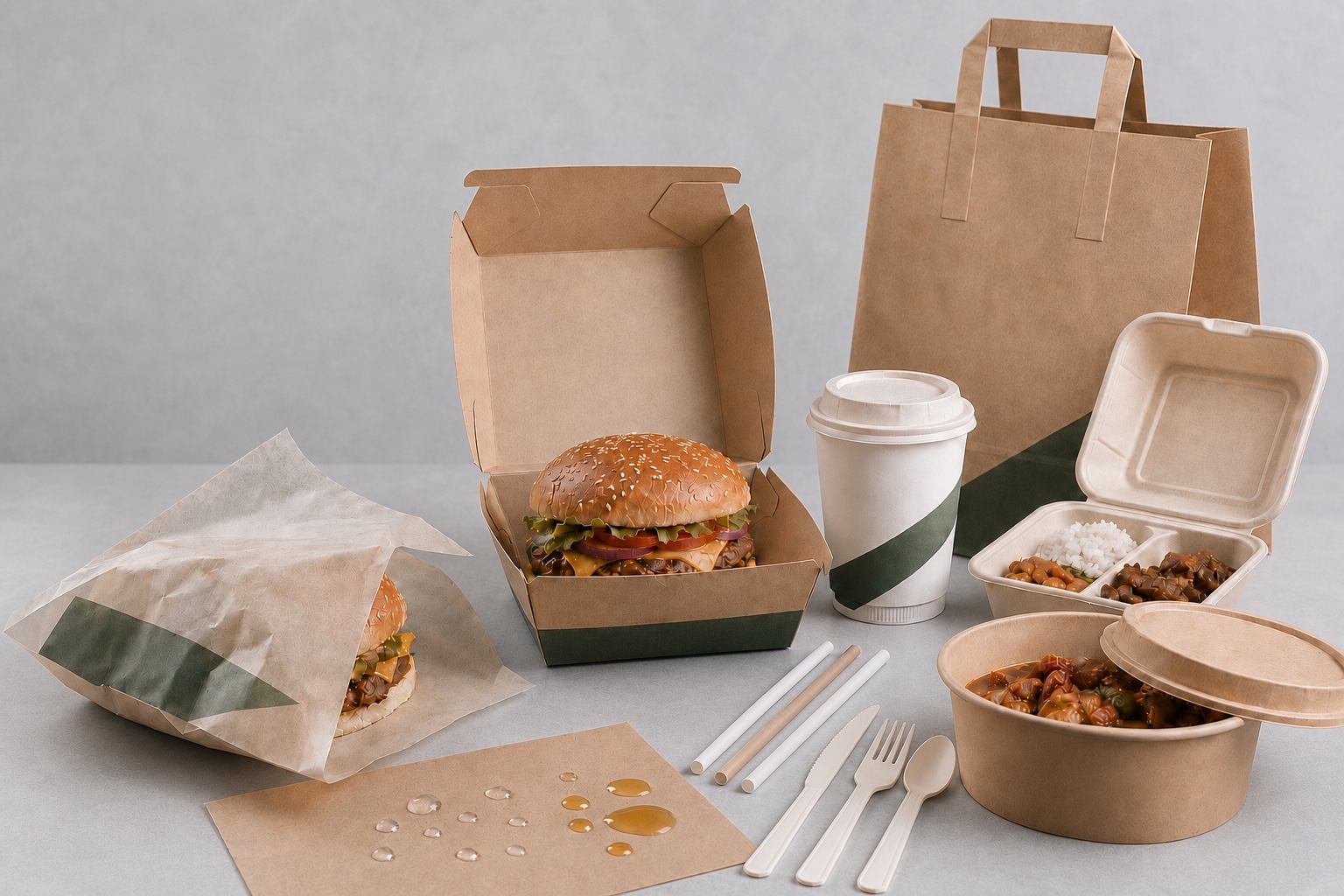
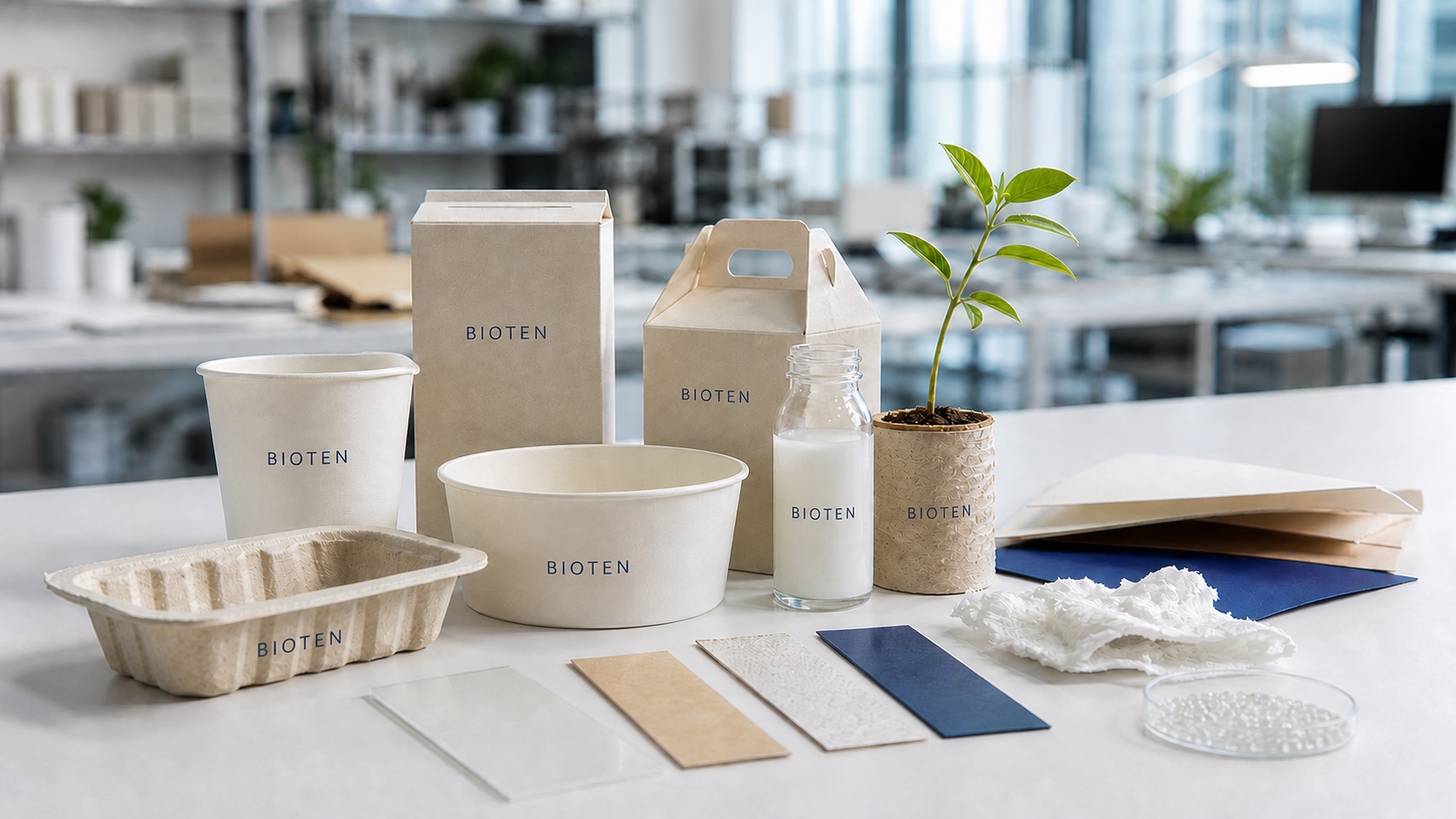
The meeting noted that civil aviation service scenarios are characterized by high-frequency use, strong operational constraints, clear process nodes and controllable closed-loop management, making them an important starting point for green transformation and replicable industry practice. As requirements for resource recovery from solid waste and closed-loop governance continue to rise, frequently used items such as paper cups, coasters, meal boxes and cleaning bags need an end-to-end pathway covering materials, products, use, recovery, resource utilization and data verification, without compromising safety and user experience or adding operational burden. Advancing the application of bio-based, low-carbon materials and establishing recyclable closed-loop mechanisms may help airlines and airports strengthen supply-chain carbon management and improve the quantifiability and verifiability of Scope 3 and ESG disclosures.
The seminar focused on 'source carbon reduction - end-of-life recycling - verifiable implementation', with key discussions on replacing traditional plastic laminates and other composite structures that affect repulping recycling with waterborne barrier technologies. While meeting key requirements such as food contact safety, sensory odor control, hot drink tolerance, heat sealing, and barrier performance, it achieves better compatibility with mainstream paper fiber repulping recycling systems; and adapts to the classification collection, pollution control, transfer coordination, and destination management at airport and aircraft supply nodes, ensuring the recycling process is operable, traceable, and verifiable.
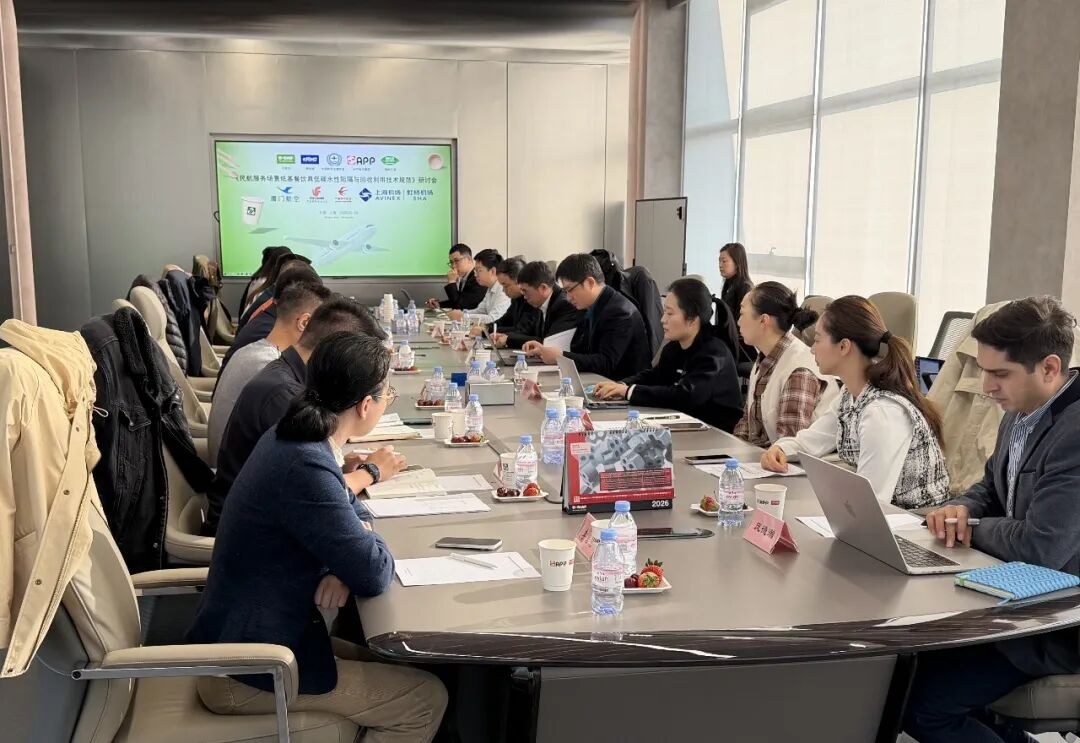
This meeting is positioned as a working seminar, with the goal of 'unifying understanding - aligning boundaries - forming an implementable framework'. Attendees engaged in in-depth discussions on the scope of application and terminology boundaries of the technical specification draft, suggestions for key performance indicators and testing methods, recycling links and data traceability standards, and reached preliminary consensus:
1. Clearly identify paper cups and accessories as the priority entry point, which can be extended to high-frequency categories such as cleaning bags and meal boxes;
2. Promote the formation of a 'key indicator checklist + testing method suggestions', confirming the draft's scope of application, terminology definitions, and scenario boundaries (airport/cabin/supply/recycling chain) to provide a unified basis for procurement introduction and acceptance;
3. Form an 'airline differentiated requirement benchmarking table' and common acceptance points to reduce introduction costs and communication friction;
4. Clarify recycling and resource utilization path suggestions and data standards, achieving 'recyclable, traceable, and verifiable' without increasing the burden on flight crew and ground support;
5. Develop a pilot verification plan (scenarios, batches, data standards, KPIs, and responsibility division) to verify carbon reduction and circularity effectiveness with operational data; meanwhile, pay attention to international convergence trends, benchmark against international rules and technical routes in advance, reduce compliance and operational risks, and enhance international competitiveness in green flight.
Next, all parties will promote the revision of the technical specification (draft) and organize solicitation of opinions based on the seminar results, and start pilot verification as soon as possible. Without increasing operational support burden or reducing safety and service experience, driven by standardization and leveraging closed-loop data, promote the upgrade of paper-based tableware in civil aviation service scenarios from 'material substitution' to a 'calculable and verifiable low-carbon circular system', creating a replicable, scalable, and verifiable high-value recycling and reuse industry model for green airports and low-carbon flight.